
Interactive content — quizzes, personality tests, calculators, and assessments — is content your audience does instead of just reads. It earns more engagement, captures leads, and attracts links than a static page, because people finish what they start and share the result. But to actually pay off in search, an interactive experience needs two things most brands skip: structured data so engines can parse it, and a citable, quotable result so AI answers can surface it. Get those right and one good quiz can outwork ten blog posts.
Most content asks for attention. Interactive content earns it by giving the reader a reason to participate and a personalized payoff. This guide covers what counts as interactive content, why it works, how to build a piece without a developer, and — the part that turns a fun quiz into a traffic engine — how to make it findable in both Google and AI search. It builds on our beginner's guide to blog SEO; interactive content is one of the highest-leverage formats you can add to a content plan.
What counts as interactive content
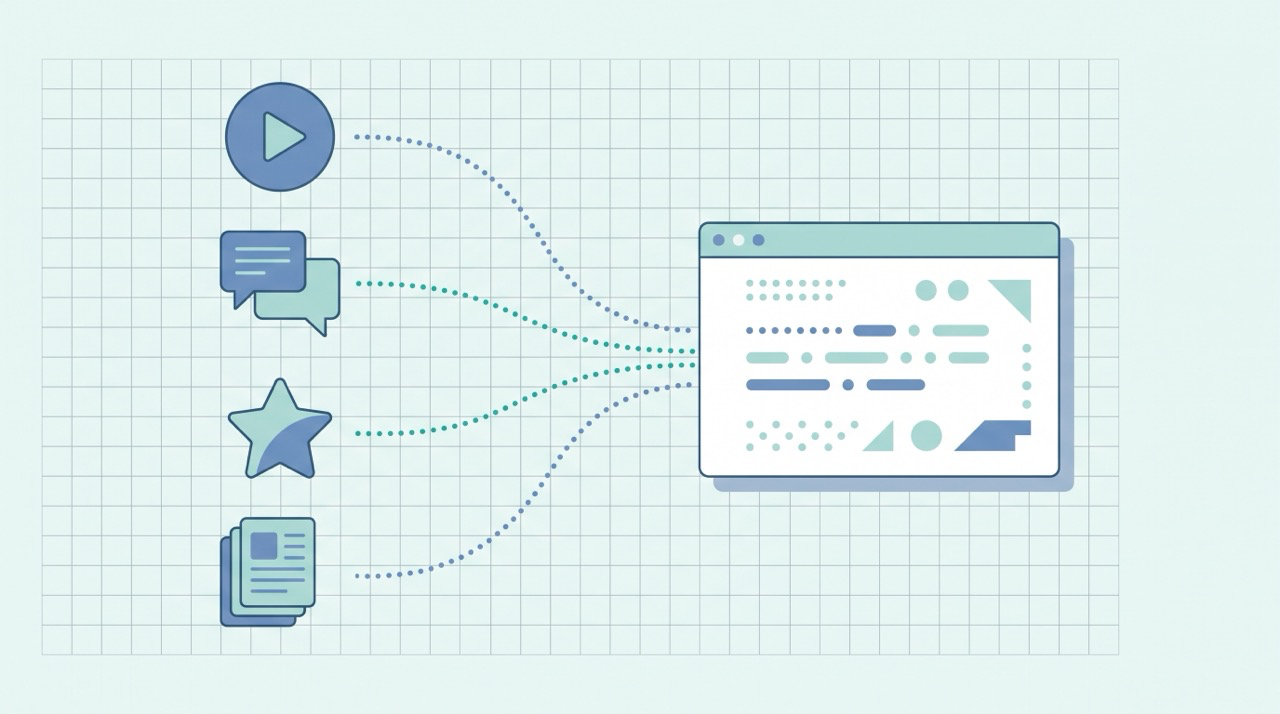
If a static blog post is a lecture, interactive content is a conversation. The main formats:
- Quizzes — "Which [X] is right for you?" style, ending in a tailored recommendation.
- Personality tests / assessments — the reader answers questions and gets a profile back. A well-built one is genuinely useful, not just a toy; for marketers, the quality of the result is what makes people finish and share.
- Calculators — ROI, pricing, savings, "how much do you need" tools that return a number the reader came for.
- Polls and surveys — quick input, instant aggregate results, and first-party data you can publish later.
- Interactive infographics and configurators — click-to-explore visuals or "build your own" tools.
They share one trait: the reader supplies input and gets a personalized output. That exchange is why interactive content consistently out-engages the static kind.

Why interactive content works for marketing
It isn't novelty for its own sake — each format hits a real marketing lever:
- Engagement and dwell time. People finish a quiz they start, so they spend longer on the page and interact with it. That behavior is the opposite of a bounce, and it signals to search engines that the page satisfied the visitor.
- Lead capture that doesn't feel like a gate. "Enter your email to see your result" converts far better than a naked newsletter box, because the reader has already invested effort and wants their payoff.
- First-party data. Every response teaches you about your audience's preferences, problems, and language — fuel for better products and better content. Businesses can use a personality test or preference quiz to understand customer segments and tailor communication accordingly.
- Links and shares. A useful calculator or a revealing personality result is inherently shareable, and other sites link to tools they find handy — the kind of editorial backlinks that are hard to earn with a normal article.
How to build one without a developer
You don't need engineering to ship your first piece:
- Start from a question your audience actually asks — "which plan fits me?", "how much could I save?", "what kind of [buyer/creator/founder] am I?" The best interactive content answers a real decision.
- Use a no-code quiz or calculator builder and embed it on a page — most give you an embeddable snippet, no code beyond a paste.
- Make the result worth sharing. A generic "you scored 7/10" gets ignored; a specific, flattering-but-useful profile or a concrete number gets screenshotted. This is where most quizzes fail — invest in the payoff.
- Wrap it in real content. Put a genuinely helpful article around the interactive element so the page ranks for the topic even before anyone takes the quiz.
Make it findable: structured data
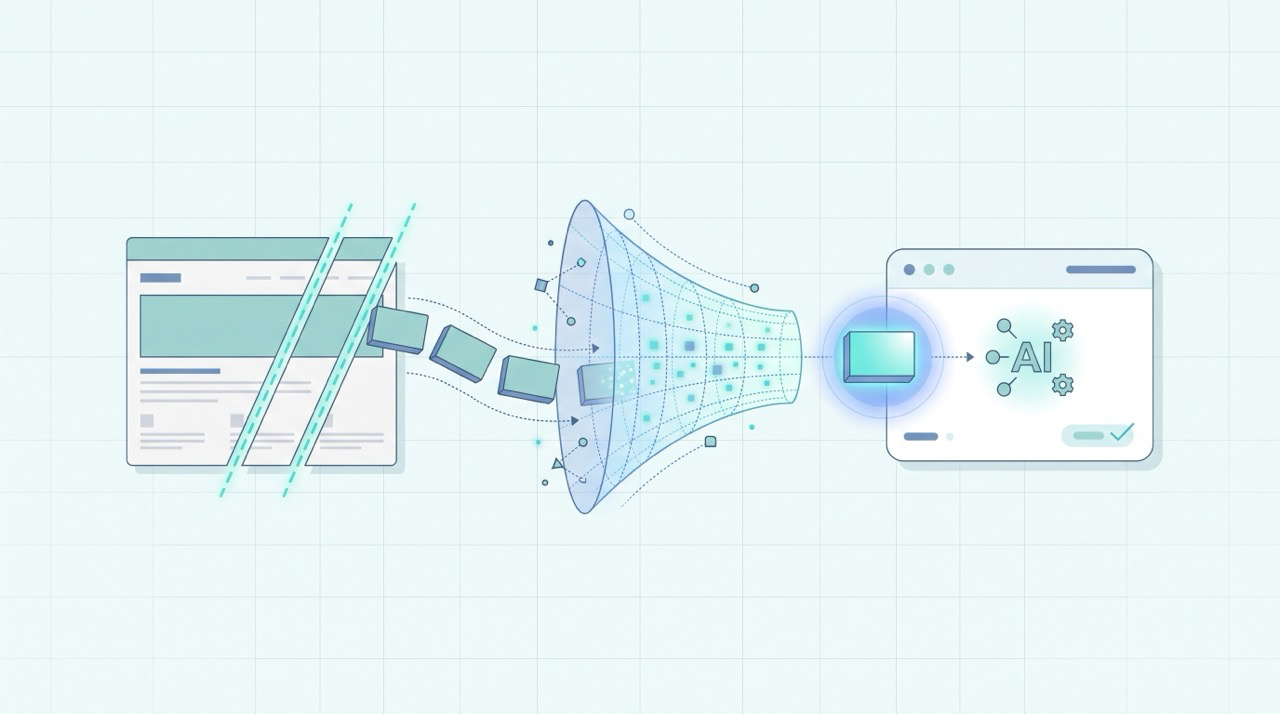
Here's the step that separates a quiz that ranks from one that just sits there. Search engines and AI models can't always "see" what happens inside an interactive widget — so you tell them, explicitly, with structured data.
Mark up the surrounding content and any question-and-answer text with schema so engines can parse and present it. Google's introduction to structured data calls it "a standardized format for providing information about a page and classifying the page content" — exactly what an interactive page needs, since its value isn't in plain prose. If your quiz explains concepts in a Q&A format, FAQPage markup is an easy win; if it's an article hosting a tool, Article markup helps. Our beginner's guide to schema markup walks through adding it without touching much code — structured data is what helps search engines interpret and present interactive content effectively, so it's not optional if you want the traffic.

The GEO angle: getting your quiz cited by AI
Structuring interactive content pays a second dividend: AI answers can quote it. When someone asks ChatGPT or Google's AI Overviews a question your quiz or calculator addresses, engines pull from pages whose information is clearly structured and quotable — and a well-marked-up interactive page, plus the FAQ and data around it, is exactly that. This is the heart of generative engine optimization (GEO): being the source AI reaches for.
Interactive content is especially strong here because it often produces original data (aggregate quiz results, benchmark numbers) that nothing else on the web has — and original, citable data is what earns a mention: the foundational GEO research found that content stating facts clearly, with data and sources, gets pulled into AI answers far more often. Publishing that data as its own finding can lift your AI share of voice, and you can check whether it's working with our guide on how to tell if AI mentions your brand. Rely on genuinely helpful, people-first content — the E-E-A-T fundamentals Google rewards — rather than a gimmick, and both Google and AI engines are more likely to surface it.

Common mistakes to avoid
- A weak result. The payoff is the product. A vague or generic outcome kills sharing and repeat visits.
- No structured data. An unmarked interactive page is invisible to the engines — the tool works for humans but not for search or AI.
- Gating too early. Ask for the email after the reader has invested effort (right before the result), not before they've started.
- Building it and leaving it. Interactive content compounds when you publish the aggregate data it collects and refresh it — treat it as an asset, not a one-off campaign.
- Ignoring mobile. Most quizzes are taken on phones; if the experience is clumsy on mobile, completion collapses.
Frequently asked questions about interactive content
What is interactive content in marketing?
Interactive content is content the audience actively participates in — quizzes, personality tests, calculators, polls, and assessments — rather than passively reads. The reader supplies input and gets a personalized result, which drives higher engagement, lead capture, and shares than static content.
Why does interactive content work better than static posts?
Because people finish what they start and want their result, so they spend longer on the page, are more willing to share an email for the payoff, and share the outcome with others. That engagement and the links it earns are signals search engines reward.
How do quizzes and personality tests help SEO?
They increase dwell time and engagement, attract editorial backlinks because tools are inherently linkable, and — when marked up with structured data — become parseable and quotable by search engines and AI answers. The key is pairing the interactive element with real content and schema.
Do I need a developer to create interactive content?
No. No-code quiz and calculator builders give you an embeddable snippet you paste onto a page. The effort goes into designing a question worth answering and a result worth sharing, not into engineering.
How does interactive content help with AI search (GEO)?
Structured, quotable interactive pages — and any original data they generate — are exactly what AI engines cite when answering related questions. Marking up the content and publishing the aggregate findings makes your page a source AI can pull from, lifting your visibility in AI answers.
The bottom line
Interactive content — quizzes, personality tests, calculators, assessments — is one of the highest-leverage formats in marketing because it turns passive readers into active participants who engage longer, convert better, and share more. But the traffic only follows if you make it findable: wrap the interactive element in genuinely helpful content, add structured data so engines can parse it, and publish the original data it produces so AI answers can cite it. Build the quiz for the human; structure the page for the machine.
Producing that surrounding content — the article, the FAQ, the structured data, and the write-up of your results — at a steady clip is the hard part when you're a small team, which is what QuickCreator is built for.
Try QuickCreator free and turn interactive ideas into pages built to rank and get cited.