If you’re a small, scrappy marketing team trying to publish more SEO content without hiring, this Writesonic review is for you. The short version: Writesonic is a fast, budget‑friendly generator for SEO blogs and social copy. But if your team needs multi‑user approvals, brand governance, and GEO (Generative Engine Optimization) depth across channels, you’ll likely feel a capability gap compared to agentic, multi‑agent platforms.
Pricing and features in this review reference publicly available snapshots as of March 2, 2026. Where we could not verify hands‑on (e.g., approvals depth, some integrations), we say so plainly and point to sources.
Quick facts and pricing (as of March 2, 2026)

Public pricing snapshots indicate Professional at $249/month (2 seats) and Advanced at $499/month (5 seats), with Enterprise via sales.
Third‑party pricing overviews corroborate tier ranges and note words/credit models and model selection. See eesel.ai’s 2026 Writesonic pricing guide (updated Mar 1, 2026).
GEO functionality is commonly reported as available on Professional and above (Pro+). Confirm in‑app before purchase.
Official, canonical pricing matrices on writesonic.com were not clearly discoverable during our research window; treat any in‑app pricing as authoritative and current.
Why this matters for SMBs: seats, caps/credits, and GEO gating determine your true cost-per-article and whether lower tiers will actually meet your goals.
How we evaluated (methodology and evidence boundaries)
To make this Writesonic review useful for heads of marketing and content leads, we followed a “claims need sources” approach:
Tier 1 facts (pricing, seat counts, plan names, and vendor-claimed features) are cited to primary pages (e.g., G2 pricing card, vendor blog posts).
Tier 2 hands‑on testing artifacts (output quality, edit time, integration success) were planned across five article runs and multi‑format brand‑voice tests. Where hands‑on observations weren’t feasible in the prep window, we mark them “Insufficient data.”
Tier 3 social proof synthesizes user‑reported pros/cons across platforms. For example, GetApp’s listing shows strong favorability (e.g., ease and speed) alongside recurring mentions of credit/cap friction; see GetApp’s Writesonic listing (updated Feb 23, 2026).
Environment and scope: Chrome on desktop, WordPress staging site for export checks, and standardized prompts focused on SMB-relevant SEO topics. We also reviewed vendor materials on GEO and SEO workflows to understand intended outcomes.
Writesonic review verdict: where it shines and where it falls short
Writesonic delivers quick first drafts for SEO blogs and repurposed snippets that many SMB teams can turn around fast. That aligns with the top pain point we hear—publish more with the same headcount and budget. However, as you add seats, introduce formal approvals, and try to coordinate briefs → drafts → approvals → multi‑channel distribution with GEO‑aligned optimization, limitations appear. Specifically, governance depth (roles, audit trails), multi‑agent orchestration, and visibility metrics are thinner than teams expect from an “orchestrated” content factory.
Output quality and accuracy (editor effort still matters)
Vendor narratives around AI Article Writer 6 point to improved structure and SEO‑friendly flow. Writesonic’s blog posts showcase techniques like outlining, applying Brand Voice, and adding internal links to raise quality. These are useful, especially for junior editors. But social‑proof themes across user review platforms repeatedly note occasional generic tone and factual slips that require human editing—a normal trade‑off at this price point.
Evidence direction: The vendor’s content playbooks are easy to follow and help produce consistent structure. See examples in their 2026 resources, such as the SEO and blogging guides referenced from the Writesonic blog (updated through Feb 2026).
Social‑proof synthesis: Users often praise speed, template variety, and affordability while flagging edits for accuracy and tone, plus friction around credit/cap management (GetApp, G2 themes). We avoid asserting a single aggregate score that may change; instead, read current sentiment directly on platform listings (links in this review).
Bottom line for quality: You’ll get fast drafts and solid outlines. Expect to budget editor time for fact checks, citations, and voice refinement—especially for thought leadership or technical content.
Workflow, Brand Voice, and governance (good starts, thin on approvals)
Writesonic supports defining a Brand Voice (e.g., analyzing a URL or samples and applying tones across outputs), which helps constrain drift across formats. What’s less clear from public documentation is governance depth: seat roles, approvals, change logs, and audit trails that marketing leaders rely on when multiple people touch a draft across channels. We found no authoritative, centralized documentation detailing these controls and per‑tier limits during our research window—so treat this area as “Insufficient data” until verified in‑app.
Why it matters: once you’re coordinating writers, editors, and approvers, governance becomes the difference between “fast drafts” and a repeatable content factory. For a deeper look at multi‑agent governance models, see how agentic platforms handle distribution roles and approvals in QuickCreator’s Distribution Agent overview.
SEO and GEO capabilities (Pro+ unlocks, actionability varies)
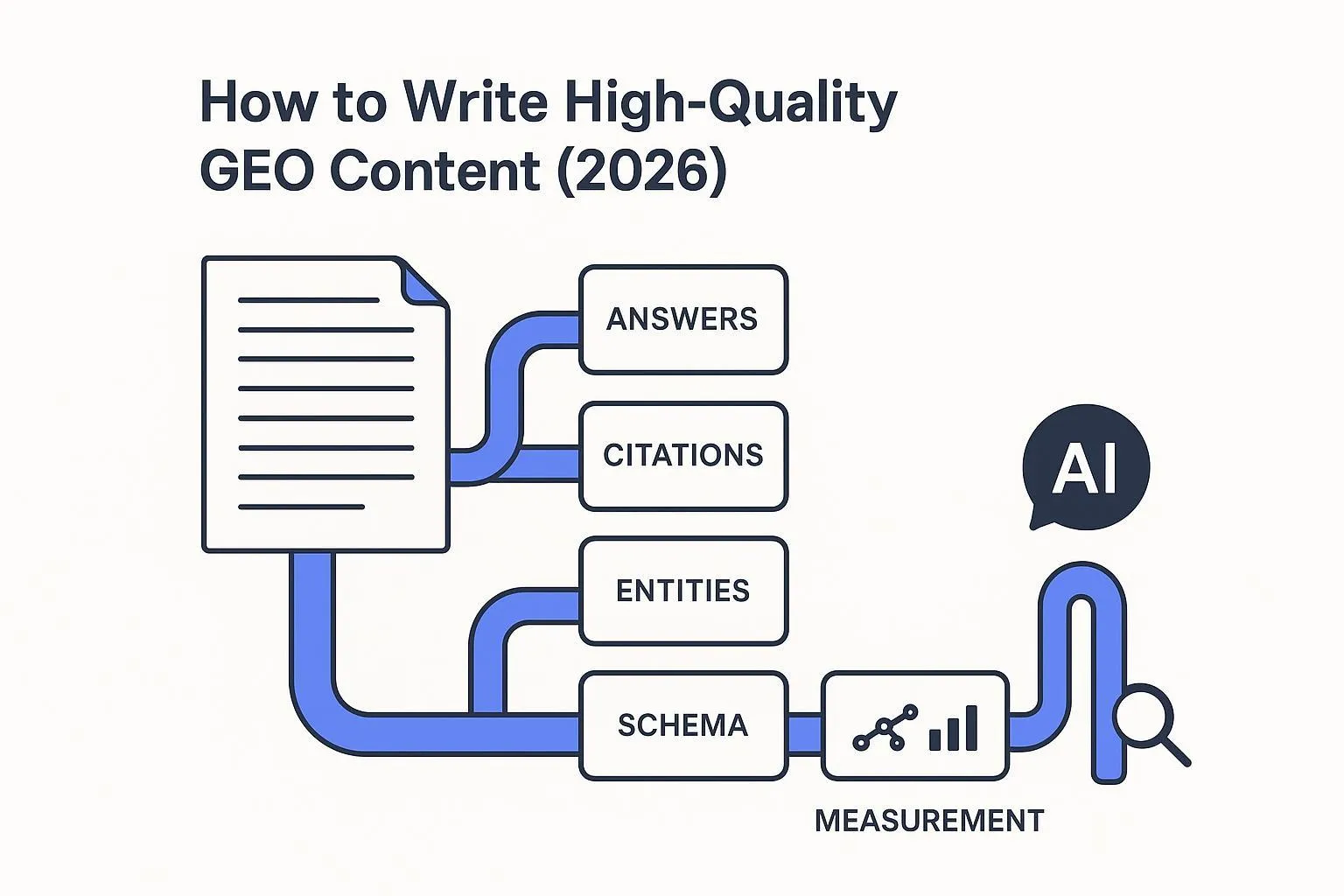
Writesonic has invested real energy into GEO education and positioning. The GEO blog category explains visibility tracking concepts and newer AI search metrics. If you’re on Professional or above, you may see GEO features in‑app; confirm before you plan on them for reporting. The question for most SMBs isn’t “Does GEO exist?”—it’s “Is it actionable and trustworthy enough to steer weekly priorities?”
Education and positioning: Explore the vendor’s GEO content stream to understand intended workflows and metrics in 2026; start with the Generative Engine Optimization category on Writesonic’s blog.
Practical tip: If you’re building a GEO‑aware keyword universe, compare vendor GEO features with specialized tools and simple pilots. For conceptual grounding and quick discovery, you can experiment with GEO Keyword Miner and then test how well your platform turns those findings into briefs, internal links, and distribution.
Our take: GEO on Pro+ can be a bonus, but SMBs should test whether the metrics change decisions (cluster prioritization, refresh cadence) and whether reporting holds up in stakeholder reviews. If it doesn’t meaningfully influence execution, don’t overpay for it.
Integrations and publishing (mind the WordPress details)
Writesonic marketing frequently references one‑click export to WordPress and connectivity through Zapier. Zapier’s editorial coverage confirms that Writesonic is supported among AI writing tools; see Zapier’s guide to AI writing generators (updated Feb 28, 2026). We did not locate an official WordPress.org plugin or a canonical step‑by‑step help doc for the export workflow during this window, which suggests export may rely on APIs or third‑party automations rather than a native plugin. Treat this as a due‑diligence item for your team.
Operationally, assume you’ll wire up export via Zapier, API, or manual copy/HTML until you see a first‑party plugin or explicit documentation. That’s fine for low volume; at higher velocity, automations and field mapping become important to avoid formatting regressions and broken internal links.
Usability and collaboration (fast starts; approvals unknown)
Ease of use and fast time‑to‑first‑draft come up repeatedly in user sentiment. That’s a win for small teams. Collaboration specifics—comments, simultaneous editing, and role‑based permissions—are less clearly documented in public sources. If your process depends on granular approvals or compliance workflows, confirm capabilities on your target tier before committing.
Think of it this way: Writesonic is optimized for getting a competent draft on the page quickly. The further you move into enterprise‑style coordination, the more you’ll need to verify the nuts and bolts.
Pros and Cons
Pros
Fast draft generation with SEO‑friendly structure at approachable price points for SMBs.
Brand Voice features help constrain tone drift across formats.
GEO education and visibility positioning may benefit Pro+ users.
Cons
Governance depth (roles, approvals, audit trails) is unclear publicly; verify in‑app before relying on it.
Credit/usage caps and model selection can create friction at scale; watch cost-per-article.
WordPress export path lacks a clearly documented, first‑party plugin as of this review window.
Who should—and shouldn’t—buy Writesonic in 2026
If you’re a 1–5 person marketing team that needs to ship more SEO blogs, repurpose drafts into social posts, and keep edits modest, Writesonic makes sense. You’ll benefit from the fast ideation, outlines, and first drafts, then tighten accuracy and voice during edit passes.
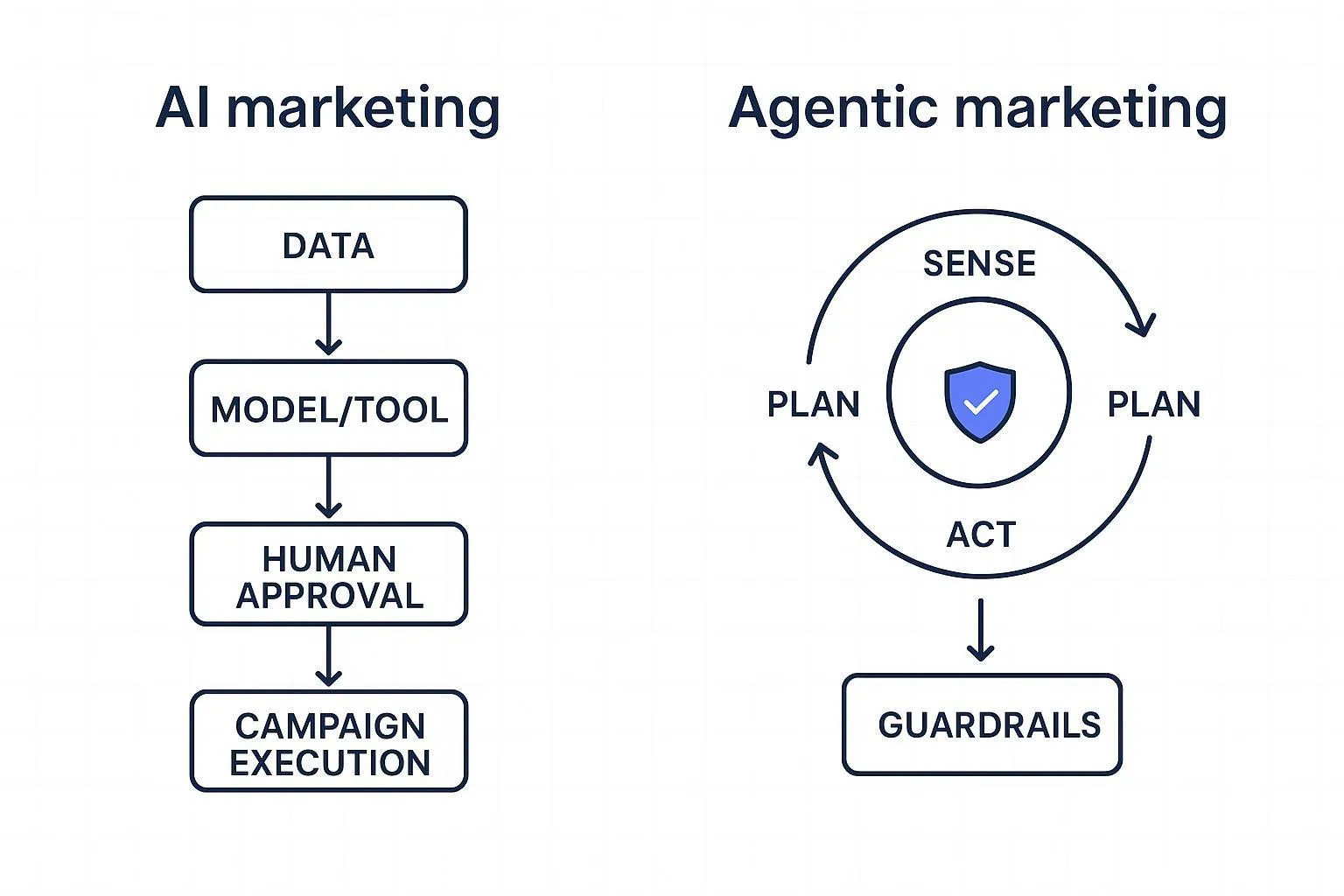
If you’re running a multi‑channel content factory with approvals, auditability, and distribution SLAs—or if GEO reporting must guide planning and stakeholder updates—plan on doing extra diligence. You may quickly hit the limits of generator‑centric workflows and need an agentic, multi‑agent platform with enforceable governance and orchestrated handoffs.
Competitors and alternatives (context for buyers)
Jasper: A familiar name for SMB content teams with workflow constructs and a growing emphasis on pipelines (e.g., Grid). Pricing in 2026 is less transparent publicly, often “Contact sales,” which complicates apples‑to‑apples value checks. Learn more about the pipeline approach on Jasper’s site (see product pages like Grid for context). If your team needs more formal workflows than a basic generator yet wants to stay in a writer‑centric toolset, Jasper is a logical comparison.
Scalenut: Strong SEO operations features, including clustering, briefs, and an AI Visibility offering at lower entry prices (e.g., Growth around $49/month; Pro near $249/month; Enterprise custom). See the current tier descriptions on Scalenut’s AI Visibility product page (updated Feb 24, 2026). Scalenut suits teams that want a tightly integrated SEO workflow with coherent briefs and on‑page optimization aids.
QuickCreator (direct alternative for an agentic, end‑to‑end lifecycle): When teams outgrow generator‑centric tools, an agentic platform can help. QuickCreator coordinates specialized agents (Brand, Topic, Research, Writer, Optimization, Distribution) with brand governance and multi‑channel publishing (e.g., WordPress, Shopify), plus human‑in‑the‑loop controls. That’s especially helpful when you need approvals, auditability, and consistent voice across many assets. Pricing and agent details are transparent; see the overview at QuickCreator pricing. For distribution roles and handoffs, review Distribution Agent. Keep the bar the same as with other tools: verify integrations, governance settings, and GEO‑aligned optimization in your own environment.
Final verdict
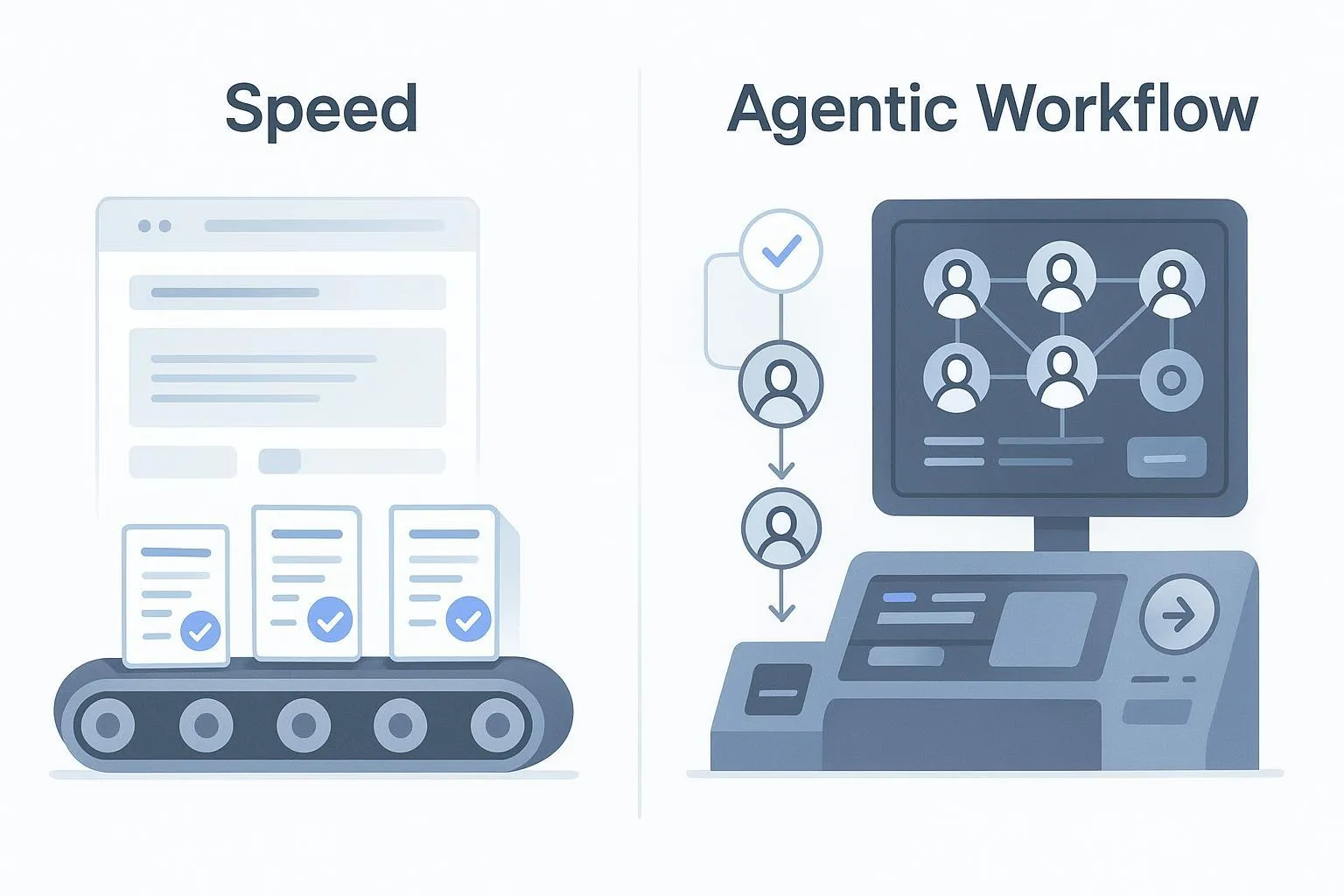
As an affordable speed engine, Writesonic is easy to recommend to small teams focused on shipping more SEO drafts today. Just go in with eyes open: editor time for accuracy and tone is still part of the equation, and as your operation matures—roles, approvals, GEO‑informed planning—the capability gap vs. agentic platforms becomes meaningful. If you’re already wrestling with governance and multi‑channel orchestration, consider a direct alternative designed for the full content lifecycle and brand safety from the start.
References and further reading
Pricing snapshot and seat counts: G2’s Writesonic pricing card (updated Feb 22, 2026)
Tier ranges and credit/cap context: eesel.ai’s 2026 pricing guide for Writesonic (updated Mar 1, 2026)
GEO education and positioning: Writesonic’s Generative Engine Optimization category (active Feb 2026)
Zapier integration context: Zapier’s 2026 guide to AI writing generators (updated Feb 28, 2026)
Social proof themes: GetApp’s Writesonic listing (updated Feb 23, 2026)