Writing SEO Articles with ChatGPT: A Step-by-Step Guide

Getting Started with ChatGPT for SEO Articles
Understanding the Role of ChatGPT in SEO Writing
ChatGPT is a powerful AI tool that can significantly enhance the process of creating SEO-optimized content. It leverages natural language processing to generate coherent, relevant, and informative articles that improve website visibility and user engagement. As observed, many SEO professionals have begun experimenting with how to use ChatGPT for optimization and strategy tasks. This versatile workhorse provides content ideas, generates keyword-rich text, and even helps structure articles, making it a valuable asset for SEO writers.
What is ChatGPT?
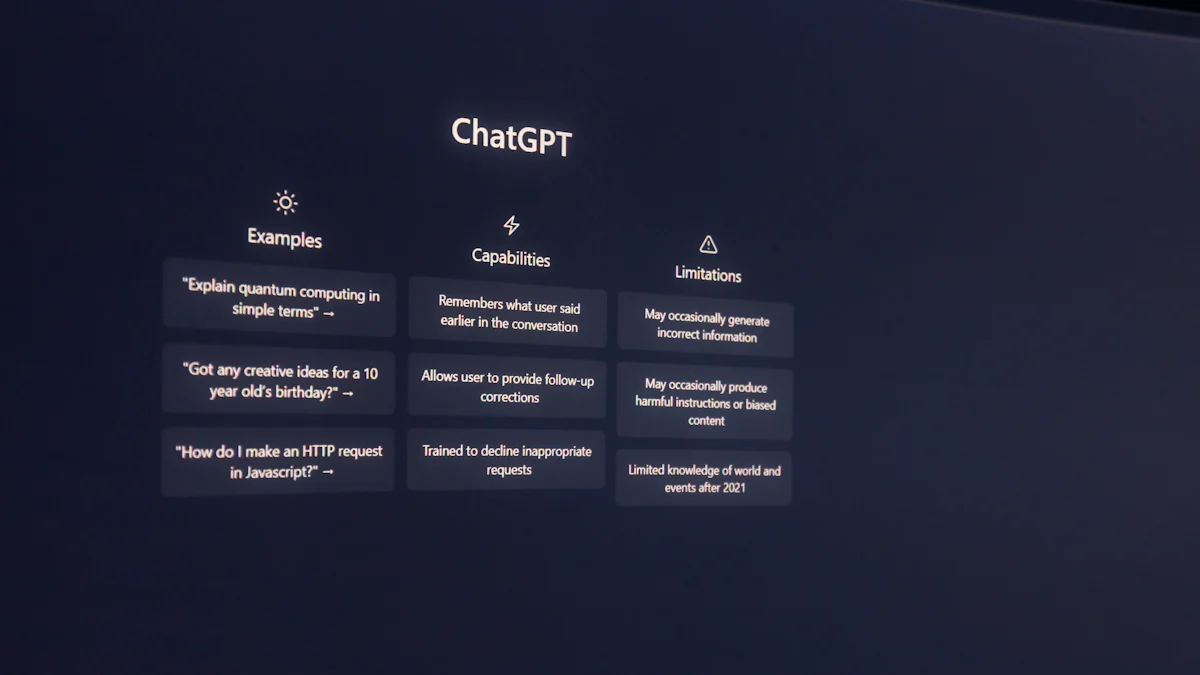
ChatGPT is an advanced language model developed by OpenAI, designed to understand and generate human-like text. It uses deep learning techniques to analyze and comprehend input data, enabling it to produce high-quality content that aligns with specific requirements. Its adaptability and capability to provide helpful starting points for optimizing SEO content make it an invaluable tool for content creators.
Why Use ChatGPT for SEO Articles?
Utilizing ChatGPT for SEO writing offers several advantages. Firstly, it streamlines time-consuming aspects of content creation while ensuring the material remains engaging and informative. Additionally, it assists in crafting compelling, SEO-optimized blog posts, articles, and product descriptions. As observed through analysis methods such as observation of user engagement data points, interactive content like quizzes and surveys generated by ChatGPT can significantly boost user engagement.
Setting Up Your Workspace
Before diving into the process of writing SEO articles with ChatGPT, it's essential to set up your workspace effectively.
Creating an Account
To begin using ChatGPT for your SEO writing needs, you'll need to create an account on the platform where the tool is available. This may involve signing up on a website or accessing the application through a designated portal.
Familiarizing Yourself with ChatGPT Features
Once you have access to ChatGPT, take some time to explore its features thoroughly. Understanding how to input keywords effectively and structure prompts will be crucial in maximizing the tool's potential for generating high-quality SEO content.
In the next section, we'll delve into the basics of SEO writing and how to integrate ChatGPT into this process seamlessly.
The Basics of SEO Writing

When it comes to crafting SEO-friendly articles, there are key components that play a crucial role in ensuring the content ranks well on search engines and resonates with the target audience.
Key Components of an SEO-Friendly Article
Keyword Research and Selection
One of the fundamental aspects of writing an SEO-friendly article is conducting thorough keyword research and strategically selecting relevant keywords. This process involves identifying terms and phrases that your target audience is likely to use when searching for information related to your content. By integrating these keywords naturally into your article, you can enhance its visibility and relevance, ultimately driving organic traffic to your website.
Understanding Search Intent
Understanding the search intent behind specific queries is essential for creating content that aligns with what users are looking for. Whether the intent is informational, navigational, transactional, or commercial investigation, tailoring your content to meet these needs can significantly impact its performance in search results.
How to Write an SEO Article with ChatGPT
Integrating ChatGPT into the process of writing SEO articles can streamline content creation while ensuring high quality and relevance. Here's how you can leverage ChatGPT effectively:
Inputting Your Keywords
Once you've identified relevant keywords through comprehensive research, it's time to input them into ChatGPT. By providing these keywords as prompts, you enable ChatGPT to generate content that aligns with the specific terms and phrases associated with your topic. This approach ensures that the generated content remains focused on addressing the intended search queries.
Structuring Your Article for SEO
Incorporating a well-defined structure into your article is essential for optimizing it for search engines. Utilize subheadings, bullet points, and concise paragraphs to enhance readability and facilitate easy navigation for readers. Additionally, organizing your content logically not only improves user experience but also signals search engine algorithms about the relevance and coherence of your article.
By leveraging ChatGPT's capabilities alongside best practices in SEO writing, you can create compelling and optimized content that resonates with both search engines and human readers.
Crafting Your SEO Article with ChatGPT
Now that you have a foundational understanding of ChatGPT and the basics of SEO writing, it's time to delve into crafting your SEO article with this powerful AI tool. This section will guide you through generating the first draft and enhancing readability and engagement to ensure your content resonates with both search engines and human readers.
Generating the First Draft
When using ChatGPT to generate the first draft of your SEO article, effective prompts play a crucial role in steering the content in the desired direction. By fine-tuning your prompts, you can guide ChatGPT to produce higher-quality and more relevant content for SEO purposes. Consider incorporating specific keywords or phrases that align with your topic to prompt ChatGPT to generate content tailored to those terms. Additionally, editing the generated content is essential to refine it further, ensuring that it meets the criteria for an engaging and informative article.
Leveraging ChatGPT for drafting your SEO articles can streamline the process while maintaining high quality and relevance. The tool's adaptability allows you to fine-tune prompts, enabling it to provide valuable insights and information aligned with specific queries related to your target keywords.
Tips for Effective Prompts
Provide clear and concise prompts: When inputting prompts into ChatGPT, ensure they are specific and clearly convey what you aim to achieve with the generated content.
Incorporate relevant keywords: Integrate relevant SEO keywords naturally within your prompts to guide ChatGPT in producing content optimized for search engines.
Fine-tune as needed: Continuously refine your prompts based on the output received from ChatGPT, adjusting them as necessary to steer the generated content towards meeting SEO requirements.
Editing the Generated Content
After receiving the initial draft from ChatGPT, take time to review and edit the content. Ensure that it aligns with your intended messaging while incorporating necessary SEO elements effectively. This may involve refining language choices, restructuring paragraphs for better flow, and verifying that key points are adequately addressed.
Enhancing Readability and Engagement
Incorporating strategies to enhance readability and engagement is vital when crafting SEO articles with ChatGPT. By structuring your content effectively and adding personal anecdotes or examples, you can create a compelling narrative that captivates readers while meeting SEO guidelines.
Using Subheadings and Bullet Points
Utilize subheadings strategically throughout your article to break down complex topics into digestible sections. This not only enhances readability but also signals search engines about the structure of your content. Additionally, incorporating bullet points can help present information concisely, making it easier for readers to grasp key points efficiently.
Adding Personal Anecdotes and Examples
Integrating personal anecdotes or real-life examples within your article adds a human touch that resonates with readers on a deeper level. These elements not only make your content relatable but also contribute to establishing credibility and trust among your audience.
By leveraging these techniques alongside ChatGPT's capabilities, you can create well-structured, engaging, and informative SEO articles that cater both to search engine algorithms' requirements and human reader preferences.
Polishing and Optimizing Your Article

After crafting the initial draft of your SEO article with ChatGPT, it's essential to focus on polishing and optimizing the content to ensure it aligns with best practices for search engine optimization.
Incorporating SEO Keywords Naturally
Incorporating SEO keywords naturally within your content is crucial for enhancing its visibility and relevance. However, finding the right balance in keyword usage is key to avoiding over-optimization, which can negatively impact user experience and search engine rankings.
Finding the Right Balance
When integrating SEO keywords into your article, aim for a seamless incorporation that maintains the flow of the content. Avoid excessive repetition of keywords, as this can detract from the readability and authenticity of your writing. Instead, prioritize using synonyms and variations of your target keywords to create a natural and engaging narrative.
Tools for Keyword Density Checking
Utilizing tools designed for keyword density checking can provide valuable insights into how well you've integrated keywords within your content. These tools analyze the frequency of specific terms and phrases, helping you ensure that your keyword usage aligns with recommended optimization guidelines without compromising readability.
Final Touches Before Publishing
Before finalizing your SEO article crafted with ChatGPT, there are essential steps to take to guarantee its readiness for publication.
Proofreading and Grammar Checks
Thorough proofreading is essential to identify and rectify any grammatical errors or inconsistencies within your content. Utilize grammar checkers or enlist the help of professional proofreaders to ensure that your article maintains a high standard of language proficiency. This step contributes significantly to the overall quality and professionalism of your piece.
Creating Meta Titles and Descriptions
Crafting compelling meta titles and descriptions is vital for optimizing your article's performance in search results. These elements serve as concise previews of your content, influencing users' decision-making when browsing search engine results pages. Ensure that they accurately reflect the essence of your article while incorporating relevant SEO keywords strategically.
By incorporating these final touches effectively, you can elevate the overall quality and impact of your SEO-optimized article before sharing it with your audience.
Wrapping Up
As we conclude this step-by-step guide to writing SEO articles with ChatGPT, it's essential to emphasize the significance of consistency in your approach and the value of fostering reader engagement.
The Importance of Consistency in SEO Writing
Consistency is key when it comes to maintaining a strong online presence through SEO-optimized content. By scheduling regular posts, you establish a cadence that keeps your audience engaged and signals to search engines that your website is active and relevant. This practice contributes to improved indexing and ranking of your content, ultimately enhancing its visibility to potential readers and customers.
Scheduling Regular Posts
Developing a content calendar and adhering to a consistent posting schedule can help you stay organized and maintain a steady flow of fresh, valuable content. Whether it's weekly blog posts, bi-weekly updates, or daily social media shares, establishing a routine ensures that your audience knows when to expect new material from you.
Learning from Analytics
Leveraging analytics tools provides invaluable insights into the performance of your SEO-optimized articles. By analyzing metrics such as page views, bounce rates, and user engagement, you can gain a deeper understanding of what resonates with your audience. This data-driven approach enables you to refine your content strategy continually, tailoring future articles to meet the evolving needs and preferences of your readers.
Encouraging Reader Engagement
Engaging with your audience fosters a sense of community around your content and encourages ongoing interaction. By inviting comments and shares while actively responding to feedback, you create an environment that values two-way communication—a crucial aspect of building lasting relationships with your readers.
Inviting Comments and Shares
Encourage readers to share their thoughts by posing questions or prompts at the end of your articles. Additionally, prompt them to share valuable insights with their networks if they found the content informative or thought-provoking. These interactions not only boost engagement but also expand the reach of your SEO-optimized articles.
Responding to Feedback
Acknowledging and responding to feedback demonstrates that you value the input of your audience. Whether it's through comments on your website or social media platforms, engaging in meaningful conversations shows that you are attentive to their needs and opinions. This practice can lead to increased loyalty among readers while providing opportunities for continuous improvement based on constructive input.
By upholding consistency in publishing high-quality content and actively engaging with your audience, you can maximize the impact of your SEO-optimized articles while nurturing a loyal readership base.
See Also
A Step-by-Step Guide to Master Email Writing with ChatGPT Writer
A Comprehensive Comparison: Content at Scale vs. ChatGPT
Improving Website Ranking with Mastered SEO Content Writing Tools
