Unveiling the Top Link Building Sites List for SEO Success

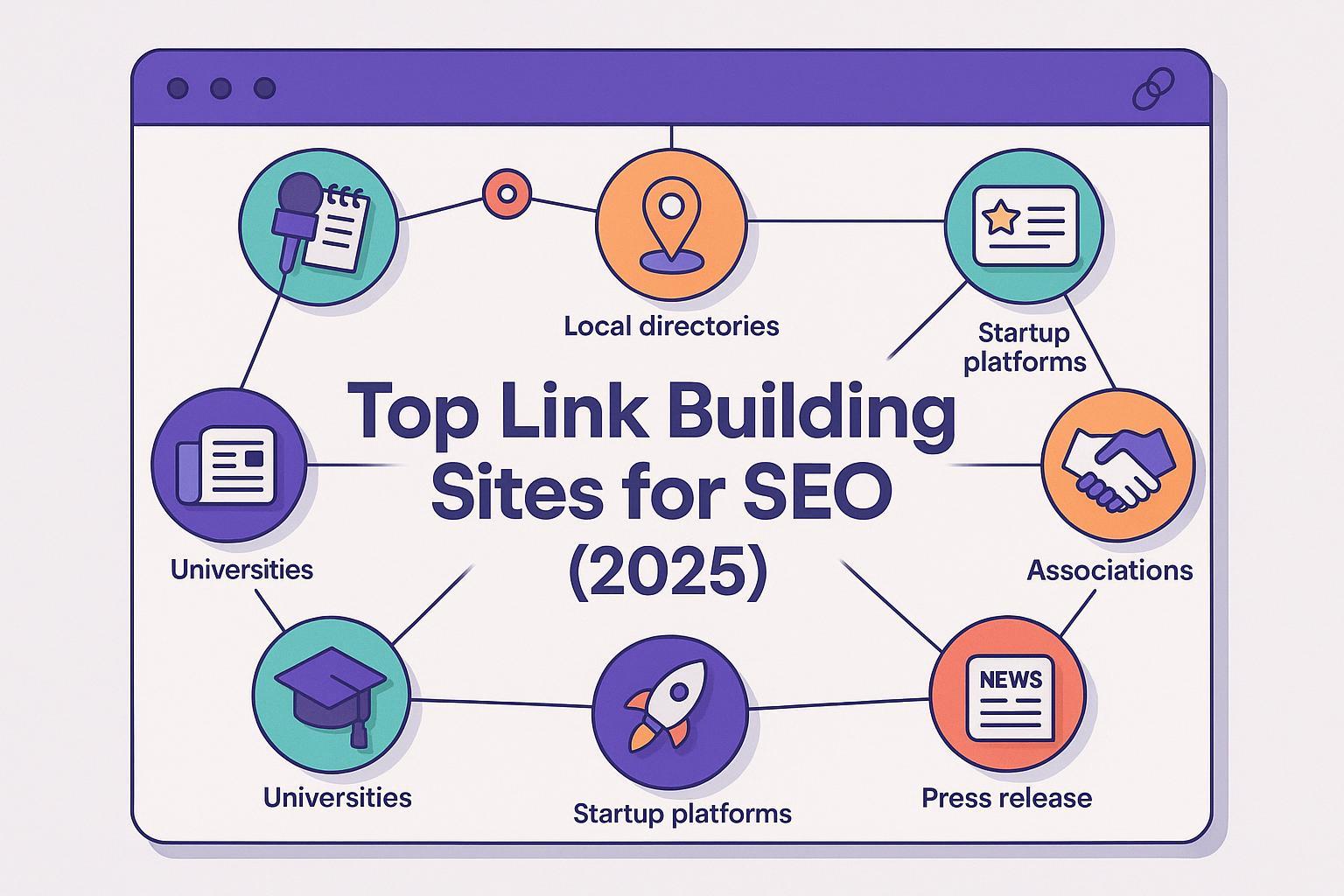
If you’re a growth‑focused SMB marketer, you don’t need another spammy “free dofollow sites” dump. You need credible, brand‑safe places where real humans discover you—and where links survive Google’s updates. This vetted list groups opportunities by acquisition model and shows what to expect: link behavior, cost, difficulty, and one practical submission tip per item.
What’s in / what’s out
In: Editorial platforms, moderated directories/reviews, legitimate communities, associations, universities/nonprofits, and reputable PR sources.
Out: PBNs, Web 2.0/profile spam dumps, low‑quality bookmarking/comment spam, scholarship‑link schemes.
How we ranked within each category
Ordered by Impact‑to‑Effort for SMBs in 2025, informed by platform policies, community norms, and practical acceptance rates.
Link attributes vary by publisher. When undocumented, we note “commonly observed; verify on live HTML.” Recent comparisons like the BuzzStream 2025 journalist request platform study informed prioritization.
1) Journalist request platforms (expert quotes → editorial links)
These platforms connect your subject‑matter experts with journalists and editors. Expect mixed link attributes depending on the publication; the real win is authority, brand mentions, and referral traffic.
Qwoted
Purpose: Match vetted experts with journalists via monitored requests.
Typical link type: Mixed; depends on the outlet (commonly editorial citations; follow status varies—verify on page).
Cost: Free tier; paid tiers available (pricing changes over time).
Difficulty: Medium.
Submission tip: Lead with a quotable 1–2 sentence answer and a concise credential line. Citing timely data boosts selection odds. See comparative context in the BuzzStream 2025 journalist request study.
Featured.com (formerly Terkel)
Purpose: Q&A marketplace where publishers source expert quotes.
Typical link type: Editorial citations on partner sites; follow/nofollow varies by site; verify.
Cost: Free limits; paid plans available.
Difficulty: Medium.
Submission tip: Provide a specific example or metric from your experience—generic advice gets skipped. For platform context and 2025 transitions involving HARO, see OctivDigital’s 2024 report on the HARO/Connectively changeover.
Help a B2B Writer (HaB2BW)
Purpose: Connects B2B writers with experts for SaaS/marketing/tech stories.
Typical link type: Editorial citations on B2B blogs/publications; varies.
Cost: Free.
Difficulty: Medium.
Submission tip: Share a brief, original story with one actionable takeaway—writers choose specificity over platitudes.
SourceBottle (strong in AU/UK)
Purpose: Media call‑outs for quotes, product reviews, and sources.
Typical link type: Editorial placements; attribute varies by outlet.
Cost: Core responding free; optional paid alerts/assist.
Difficulty: Easy–Medium.
Submission tip: Optimize your Expert Profile and set geo/industry keywords; respond quickly to “Drink Up!” alerts.
ResponseSource (UK)
Purpose: UK journalist enquiries for vetted sources.
Typical link type: Editorial citations; attribute varies.
Cost: Paid access for PRs/brands; journalists free.
Difficulty: Medium–Hard.
Submission tip: Reply within hours with 1–2 quotable lines first, then credentials—keep it non‑promotional.
ProfNet (via PR Newswire)
Purpose: Premium journalist–expert matching with high editorial standards.
Typical link type: Editorial citations from placements; varies.
Cost: Paid subscription.
Difficulty: Hard.
Submission tip: Only pitch niche‑relevant requests where you can add first‑hand experience, not generic summaries.
2) Business and local directories (citations + discovery)
Foundational for entity building and local SEO. Many links are nofollow/neutral, but they drive discovery, trust, and consistent NAP signals.
Google Business Profile (GBP)
Purpose: Core local listing powering Maps/Local Pack.
Typical link type: Website field acts as a citation/discovery source; not intended for PageRank transfer.
Cost: Free.
Difficulty: Medium (verification can be strict).
Submission tip: Nail video verification (signage, interior, tools, proof docs). Keep categories and photos fresh. For current verification flow in 2025, see representative guides such as Digital Harvest’s overview (2025) in the context of GBP verification.
Apple Business Connect (Apple Maps)
Purpose: Control your Apple Maps place card for discovery and consistency.
Typical link type: Website link on place card; indirect SEO via entity signals.
Cost: Free.
Difficulty: Easy–Medium.
Submission tip: Precisely adjust your map pin and add Showcases. Apple’s official overview is here: Apple Business Connect guide.
Bing Places for Business
Purpose: Listing for Microsoft/Bing Maps and discovery.
Typical link type: Website field for referral; indirect SEO value.
Cost: Free.
Difficulty: Easy.
Submission tip: Import from GBP to speed verification and keep NAP parity. Microsoft’s relaunch was covered by Search Engine Land’s 2025 update on Bing Places.
Yelp
Purpose: Consumer discovery and reviews.
Typical link type: Website links commonly nofollow; strong referral potential.
Cost: Free profile; paid upgrades optional.
Difficulty: Medium.
Submission tip: Add 10+ high‑quality photos, select precise categories, and professionally respond to reviews. See the official pricing/features overview: Yelp for Business plans.
Better Business Bureau (BBB)
Purpose: Trust and reputation signal; consumer confidence.
Typical link type: Profile website link often nofollow; trust/referral value.
Cost: Accreditation fees vary by region and size.
Difficulty: Medium.
Submission tip: Address complaints publicly to improve your BBB profile and conversion uplift.
Crunchbase
Purpose: Investor/press database for company and leadership profiles.
Typical link type: Website link from company page; discovery value.
Cost: Freemium; paid data tiers available.
Difficulty: Easy–Medium.
Submission tip: Keep milestones, team, and funding data current; link to your newsroom and product.
3) SaaS/product review sites (buyer research → authority and referrals)
Review ecosystems rarely pass traditional link equity, but they rank for category terms and send high‑intent traffic. Optimize for completeness and authentic reviews.
G2
Purpose: B2B software discovery and reviews.
Typical link type: Vendor links commonly observed as nofollow/UGC; verify on page.
Cost: Free listing; paid programs available.
Difficulty: Medium.
Submission tip: Run compliant review campaigns and diversify reviewer roles. See G2’s official guidance: G2 review campaign documentation.
Gartner Digital Markets (Capterra, GetApp, Software Advice)
Purpose: Software marketplaces with strong buyer reach.
Typical link type: Vendor site links present; rel attributes not publicly documented; verify.
Cost: Often CPC/PPL arrangements.
Difficulty: Medium–Hard.
Submission tip: Map to the most accurate category and prioritize detailed, verified reviews.
TrustRadius
Purpose: In‑depth B2B reviews with stringent verification.
Typical link type: Vendor site link; attribute not specified publicly.
Cost: Free to claim; premium programs available.
Difficulty: Medium.
Submission tip: Aim for the Trusted Seller program by emphasizing transparent processes and unbiased reviews—see TrustRadius Trusted Seller.
Trustpilot
Purpose: Consumer/business reviews with strong SERP presence.
Typical link type: Profile website link typically nofollow; trust/referral value.
Cost: Free tier; paid plans available.
Difficulty: Medium.
Submission tip: Automate ethical review invitations and keep your profile fully complete. Pricing overview: Trustpilot business plans (2025).
SourceForge
Purpose: Software directory and reviews, strong in IT/open‑source.
Typical link type: Links to vendor sites; rel not officially documented; verify.
Cost: Free listing; paid options exist.
Difficulty: Easy–Medium.
Submission tip: Keep releases/readme current and encourage thoughtful reviews from real users.
AlternativeTo
Purpose: Crowdsourced software alternatives with high discovery potential.
Typical link type: Links to official sites; rel not documented; verify.
Cost: Free; moderated.
Difficulty: Medium.
Submission tip: Submit a crisp, unique value proposition and keep screenshots and tags updated.
4) Startup directories and launch platforms (exposure → organic pickups)
These amplify launches and updates. Most on‑platform links are UGC/nofollow, but the exposure can trigger organic press and blog links elsewhere.
Product Hunt
Purpose: Launch to a tech‑savvy community; gain awareness and feedback.
Typical link type: UGC/nofollow on platform; strong referral/PR ripple effects.
Cost: Free to launch.
Difficulty: Medium–Hard.
Submission tip: Time your launch and engage heavily in the first 4 hours; maintain maker replies. Track policy changes via the Product Hunt changelog.
BetaList
Purpose: Pre‑launch early adopters and waitlist building.
Typical link type: Listing includes site link; rel unspecified; verify.
Cost: Free queue; paid expedited options.
Difficulty: Medium.
Submission tip: Use a conversion‑focused landing page with a crystal‑clear value prop and social proof.
Wellfound (AngelList Talent)
Purpose: Employer brand and startup presence; some press and talent discovery.
Typical link type: Company profile links to your site/socials.
Cost: Freemium; paid recruiting tiers.
Difficulty: Easy.
Submission tip: Showcase milestones and culture; align with hiring to drive authentic engagement.
Hacker News (Show HN)
Purpose: Technical audience exposure; potential for viral pickup.
Typical link type: Direct link in post; platform adds nofollow to user posts.
Cost: Free.
Difficulty: Hard.
Submission tip: Use a clear, matter‑of‑fact title and engage respectfully in comments; post when the audience is most active.
Indie Hackers
Purpose: Founder community for honest updates and lessons learned.
Typical link type: External links allowed when valuable; moderated.
Cost: Free.
Difficulty: Medium.
Submission tip: Share transparent metrics and failures, not just announcements. Build reputation before linking.
5) Moderated communities, Q&A, and forums (authority through helpfulness)
Community links are usually nofollow/UGC. The value is reputation, qualified traffic, and citations when your answers get referenced elsewhere.
Stack Overflow / Stack Exchange
Purpose: Highly moderated technical Q&A.
Typical link type: Nofollow for most user‑added links.
Cost: Free.
Difficulty: Hard.
Submission tip: Only include a link if it’s essential to the solution; otherwise, answer fully within the post.
Reddit (selected subreddits like r/SaaS, r/Entrepreneur)
Purpose: Topic communities with strict rules.
Typical link type: UGC/nofollow.
Cost: Free.
Difficulty: Medium–Hard.
Submission tip: Read subreddit rules and contribute value for weeks before sharing links; disclose affiliations.
Quora / Quora Spaces
Purpose: Q&A for evergreen topics and authority building.
Typical link type: Nofollow; heavy linking risks moderation.
Cost: Free.
Difficulty: Medium.
Submission tip: Prioritize substance and cite facts; place most links on your profile or Space, not inside every answer.
DEV Community (dev.to)
Purpose: Developer publishing and cross‑posting.
Typical link type: External links allowed; authors can set rel=canonical to original.
Cost: Free.
Difficulty: Medium.
Submission tip: Add a canonical to consolidate SEO and keep posts helpful—not just promotional.
Spiceworks Community (B2B IT)
Purpose: Vendor‑friendly IT discussions with pro buyers.
Typical link type: Allowed when helpful; moderated for spam.
Cost: Free.
Difficulty: Medium.
Submission tip: Provide solution‑first posts and include links only when they directly answer the question.
6) Industry associations and chambers (credibility + local trust)
Great for trust and partnerships. Directories are not universal—confirm visibility before joining if the link is a major goal.
U.S. Local Chamber of Commerce (representative)
Purpose: Local credibility, networking, and often a public member directory.
Typical link type: Many chambers list a website field; varies by chapter.
Cost: ~$100–$1,000+/year depending on tier.
Difficulty: Easy.
Submission tip: Confirm that the directory page is public and indexable; pick accurate categories.
UK Chamber (e.g., London Chamber of Commerce and Industry)
Purpose: Trade support, events, and member visibility.
Typical link type: Member directories vary in fields and visibility.
Cost: Tiered; contact chamber.
Difficulty: Easy.
Submission tip: Use events and trade services to multiply value beyond just the link.
Canada: Toronto Region Board of Trade (TRBOT)
Purpose: Networking and advocacy for Toronto‑area businesses.
Typical link type: Directory visibility varies; verify benefits.
Cost: Tiered; contact for dues.
Difficulty: Easy.
Submission tip: If no public directory, prioritize events and introductions for partnerships that earn editorial mentions.
Australia: Business NSW (and affiliates)
Purpose: Advocacy and SME support; many affiliates host public directories.
Typical link type: Website/contact fields; varies by affiliate.
Cost: Varies; SME tiers often sub‑$400.
Difficulty: Easy.
Submission tip: Check the exact directory URL for indexability and choose the right business category.
Professional associations (e.g., American Marketing Association)
Purpose: Professional community, resources, and events; directory not guaranteed.
Typical link type: Varies; many offer exposure via sponsorship/events instead of vendor directories.
Cost: Membership/sponsorship fees vary.
Difficulty: Easy.
Submission tip: Consider chapter sponsorships or speaking to earn genuine editorial mentions rather than chasing a directory link.
7) University and nonprofit partnerships (editorial resource pages)
Only pursue legitimate affiliations—no contrived “pay‑for‑link” angles. These can be among the most trusted mentions.
MIT Startup Exchange (if eligible)
Purpose: Directory of MIT‑affiliated startups for industry collaboration.
Typical link type: Company profile links on mit.edu.
Cost: Based on affiliation; not pay‑to‑list.
Difficulty: Hard.
Submission tip: If eligible, keep your profile current and coordinate PR around program milestones.
Berkeley SkyDeck (portfolio directory)
Purpose: Accelerator portfolio listings with company links.
Typical link type: Portfolio pages on berkeley.edu domain.
Cost: Program participation (selective).
Difficulty: Hard.
Submission tip: Plan Demo Day PR to secure secondary editorial coverage and links.
University partner pages (representative)
Purpose: Formal partnership listings (internships, research, lectures).
Typical link type: Links on .edu domains.
Cost: Based on genuine collaboration.
Difficulty: Medium–Hard.
Submission tip: Pitch mutually beneficial collaborations (guest lectures, mentorships) that merit listing.
Nonprofit marketplaces/directories (e.g., TNPA, 1EdTech)
Purpose: Vendor/partner directories serving nonprofits/edtech.
Typical link type: Organization page links on .org domains.
Cost: Membership/application.
Difficulty: Medium.
Submission tip: Tailor your case studies to the nonprofit/edtech audience to improve acceptance.
8) Digital PR: newswires and distribution (citations → reporter pickups)
Wire links are typically nofollow and primarily for compliance and visibility. The SEO lift comes from earned pickups when reporters write their own stories.
PR Newswire (Cision)
Purpose: Premium news distribution with editorial review and broad newsroom access.
Typical link type: Syndication links typically nofollow; goal is reporter pickup.
Cost: Membership + per‑release fees; national distribution is premium.
Difficulty: Medium.
Submission tip: Package real news with quotes, data, and multimedia; then pitch target reporters directly. For 2025 context, see PR Newswire’s resources and pricing context.
Business Wire
Purpose: Global distribution and compliance‑friendly formatting.
Typical link type: Similar to PR Newswire; focus on visibility and credibility.
Cost: Premium; request quote.
Difficulty: Medium.
Submission tip: Include multimedia with descriptive captions and follow wire style (dateline, boilerplate, contacts). See Business Wire’s resource hub.
GlobeNewswire
Purpose: International distribution with targeted newslines.
Typical link type: Syndication links nofollow; aim for targeted pickups.
Cost: Tiered per‑release pricing.
Difficulty: Easy–Medium.
Submission tip: Use targeted newslines and analyze reports to follow up with relevant journalists.
Tools to speed this up (optional)
Disclosure: QuickCreator is our product. If you’re creating expert content for journalist pitches, polishing review profiles, or shipping conversion‑ready landing pages for directories, an integrated tool can save you hours. Try the AI workflows and E‑E‑A‑T checks in QuickCreator to streamline research, on‑page SEO, and publishing.
Build authoritative pages that your links point to with the AI Blog Writer and on‑page optimizer: AI Blog Writer overview
Understand how quality is scored against E‑E‑A‑T so editors say “yes”: Content Quality Score explainer
Shore up your technical basics before you pitch or submit: SEO cheat sheet for developers
Practical notes for 2025
Nofollow/UGC ≠ useless. They drive discovery, trust, and entity building—and often lead to editorial links later.
Verify link attributes. Many platforms don’t publish rel policies; check the live HTML and treat it as a bonus, not a promise.
Invest in destination quality. Publishers and moderators check your site. Thin sales pages get ignored; helpful resources win.
For local SEO, prioritize NAP consistency and category fit. Reviews and photos matter as much as the link itself.
For newswires, the wire is the start, not the finish. Plan targeted follow‑ups to earn real coverage.
Closing next steps
Pick 1–2 categories that match your goals (e.g., journalist quotes for authority; reviews for buyer intent; chambers for local trust) and execute consistently for 4–6 weeks.
Create or refresh the pages you’ll link to—useful, expert, fast‑loading, with clear CTAs.
Consider using QuickCreator to draft expert resources, optimize landing pages, and standardize your on‑page SEO across every target URL.
Want help building the content that earns these links? Spin up an optimized resource in minutes with QuickCreator’s AI Blog Writer and point your submissions to a page you’re proud to have discovered.
See Also
Discovering Tactics and Resources for Corporate SEO 2023
Toolify AI's SEO Approach: Boosting Natural Visitors to AI Tool Hub
Essential SEO Indicators You Need to Monitor for Triumph
