Master Local SEO Competition with Proven Strategies


You want to outrank your competition and become the top choice in your area. When you focus on local seo competition, you gain visibility among people ready to buy. Outperforming others means your business appears first, which draws in more customers and speeds up customer acquisition. Each time you outrank your competition, you move closer to higher revenue and stronger loyalty. Local seo competition is not just about rankings—it is about building trust and keeping customers coming back. With the right steps, you can outrank your competition and see real growth. Anyone can use these methods to outrank your competition and win in local search.
Local SEO Competition Analysis

Identify Local Competitors
To outrank your competition in local search, you first need to know who your local competitors are. Start by researching local keywords that customers use to find businesses like yours. Use tools such as Google Keyword Planner, Ahrefs, or SEMrush. Search these keywords in Google from your target location. Look at the businesses that appear in Google Maps, the local 3-pack, and organic results. Record their names, ranking positions, and how often they show up for different keywords. You can use location spoofing tools like BrightLocal’s Local Search Results Checker to see what customers in other areas see. Check local business directories and social media platforms to spot more local competitors. Exclude directories as direct competitors, but note them for marketing opportunities.
Analyze Ranking Factors
Understanding why local competitors rank high helps you outrank your competition. Local search results depend on many factors. Google looks at your Google Business Profile, customer reviews, website quality, and how close your business is to the searcher. Mobile-friendliness, fast loading pages, and engaging content also matter. Make sure your business information is consistent everywhere. Use schema markup to help search engines understand your site. Engage with your community through events and partnerships. Remove any spam listings that could hurt your credibility. No single factor controls local seo competition, so focus on a mix of strategies.
Use Competitor Tools
Competitor analysis tools give you a clear view of the local seo landscape. Tools like AgencyAnalytics, Serpstat, and SEOptimer help you track keyword rankings, analyze backlinks, and audit Google Business Profiles. For example:
| Tool Name | Key Features |
|---|---|
| AgencyAnalytics | Keyword tracking, backlink analysis, rank monitoring, automated reporting |
| Serpstat | Competitor keyword analysis, backlink research, site audits, rank tracking |
| LocalRanking GBP Audit | Google Business Profile audit, reviews, photos, categories |
| SEOptimer | Website audit, NAP consistency, schema markup, mobile friendliness, page speed |
Use these tools to monitor local competitors, spot gaps in your strategy, and find new ways to outrank your competition. Regular competitor analysis keeps you ahead in local seo competition and helps you win in local search.
Google My Business Listing
Optimize Profile Details
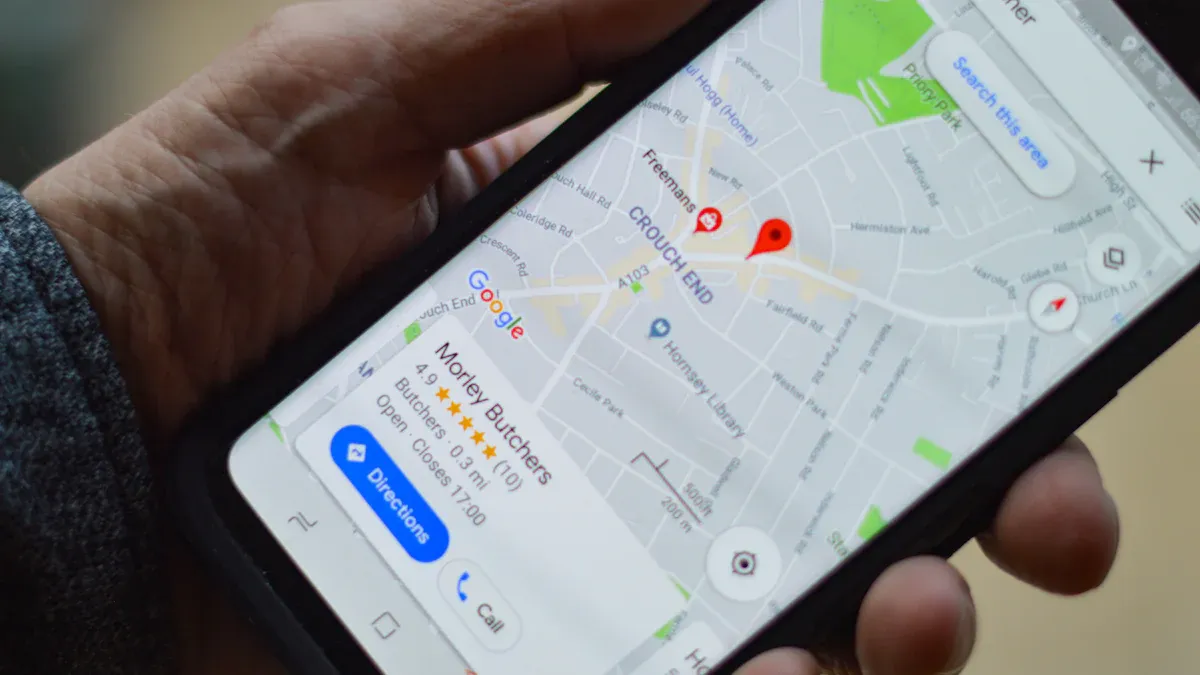
You can boost your local search rankings by fully optimizing your google my business profile. Start by verifying your business to show Google that you are trustworthy. Make sure your business name, address, and phone number are accurate and match what you use everywhere else. Choose the most relevant categories for your business. Add a detailed description with keywords that reflect your services and location. Select all the services, products, and attributes that apply to your business. Respond to every review to show you care about your customers. Use google my business insights to see what works and adjust your profile as needed.
Tip: A complete and accurate google my business profile helps you appear in more searches and attracts more customers.
Here are the main steps to optimize your profile:
- Verify your business.
- Fill out every section with up-to-date information.
- Use keywords that match what people search for in your area.
- Respond to reviews and questions.
- Keep your information consistent across all online listings.
Add Photos and Updates
Photos make your google my business profile stand out. Upload high-quality images of your business, products, and team. Add new photos every week to show that your business is active. Photos help customers trust you and remember your brand. Businesses with more photos get more clicks, calls, and direction requests. You can also post updates about events, offers, or changes in hours. These updates keep your profile fresh and show Google that your business is active.
- Add photos that match local events or seasons.
- Encourage customers to share their own photos.
- Keep your images clear and professional.
- Use updates to highlight new services or promotions.
Monitor Insights
Google my business gives you valuable insights about how people find and interact with your profile. Check which search terms bring customers to your business. Track actions like calls, website visits, and direction requests. Compare how many people find you on Google Search versus Google Maps. Watch for trends in reviews and ratings. Use this data to improve your profile and local SEO strategy. Regularly updating your profile and responding to reviews helps you stay ahead of the competition.
Note: Use UTM codes on your website links to track how much traffic comes from your google my business listing.
Local Citations & NAP Consistency
Local citations play a big role in how search engines view your business. When your business name, address, and phone number (NAP) appear the same across the web, you build trust with both search engines and customers. Inconsistent local citations can confuse people and lower your rankings. You need to keep your NAP details accurate everywhere to stay ahead in local search.
Audit Existing Citations
Start by checking all your local citations. Look for your business on major directories and smaller sites. Common errors include different spellings of your business name, old phone numbers, and duplicate listings. Sometimes, links point to outdated pages or your business is missing from important directories. These mistakes often happen when business details change but updates do not reach every site.
- Inconsistent NAP across platforms
- Duplicate listings on key directories
- Missing citations in high-authority directories
- Incorrect or outdated business information
- Listings in low-quality directories
Tip: Use a spreadsheet to track where your business appears and spot errors quickly.
Update NAP Information
You should review and update your NAP details every quarter. If your business moves or changes its phone number, update all local citations right away. Focus first on big platforms like Google Business Profile, Yelp, Apple Maps, Bing Places, and Facebook. Keep a checklist of all places where your business is listed. This helps you make changes fast and keeps your information consistent.
- Audit all citations across major directories.
- Create a master document with your correct NAP.
- Fix errors starting with the most important sites.
- Monitor for new citations each month.
- Set up alerts for any changes you did not make.
Regular updates prevent drops in rankings and keep customers confident in your business.
Use Industry Directories
Listing your business in the right industry directories boosts your local citations and helps you reach more customers. Choose directories that match your field, such as Yelp and TripAdvisor for restaurants or Avvo for legal services. High-quality directories like Google Business Profile, Apple Maps, Bing Places, Facebook, LinkedIn, Better Business Bureau, and Yellow Pages give your business more authority. Always use the same NAP details and add photos, reviews, and keywords to make your listings stand out.
| Directory | Best For | Extra Features |
|---|---|---|
| Google Business Profile | All businesses | Reviews, photos, posts |
| Yelp | Restaurants, services | Customer reviews |
| TripAdvisor | Hospitality | Ratings, photos |
| Avvo | Legal | Lawyer profiles |
| Healthgrades | Healthcare | Patient reviews |
Note: High-quality local citations from trusted directories help search engines see your business as credible and relevant.
Website SEO for Local Search
Local Keyword Optimization
You can outrank your competition in local search by using local keywords that match what people type into Google. When you add local keywords to your website, you help search engines show your business to people nearby. Use local search terms in your page titles, headers, and descriptions. For example, write about “hardware store in Hoboken” or “plumbing services Tampa.” This brings in visitors who want to buy from local businesses. You also build trust by collecting reviews and earning backlinks from other local businesses. The table below shows how local keyword optimization helps small businesses:
| Impact Aspect | Explanation | Example/Details |
|---|---|---|
| Improved Local Visibility | Using local keywords helps you appear in local search results and Google Local Pack. | Write posts like "5 Plumbing Issues Tampa Homes Face During Summer." |
| Increased Qualified Traffic | Targeting location-specific keywords attracts users ready to buy. | "Hardware store in Hoboken" brings in local customers. |
| Competitive Edge | Local SEO lets you compete with big brands by focusing on local relevance. | Rank for "screwdriver near me" instead of broad terms. |
| Cost-Effectiveness | Local SEO is affordable and gives lasting results. | Claim your Google Business Profile without expensive services. |
| Local Engagement | Local content and community involvement build loyalty. | Partner with local businesses and join local events. |
Location Pages
You can outrank your competition by creating strong location pages for each area you serve. Use local keywords in your page titles, meta descriptions, and headers. Add unique content for every location, such as local photos, maps, and testimonials. Keep your business name, address, and phone number the same everywhere. Show customer reviews to build trust and improve your local search rankings. Make sure your pages load fast and work well on mobile devices. Connect your location pages to other parts of your site with internal links. Here are key elements for better local search:
- Use location-based keywords in titles and content.
- Create dedicated landing pages for each area.
- Keep NAP information consistent.
- Display reviews and testimonials.
- Embed Google Maps for directions.
- Optimize for mobile and fast loading.
Technical SEO
Technical SEO helps you outrank your competition in local search by making your website easy for search engines to read. Clean HTML coding, XML sitemaps, and robots.txt files guide search engines to your pages. Make your site mobile-friendly and improve page speed to keep visitors happy. Use local business schema markup to show your address, hours, and contact info. Optimize images and use browser caching to make pages load faster. Regularly check for crawling or indexing problems and fix them quickly. Structure your URLs with local keywords for better searchability.
Tip: A fast, mobile-friendly website with strong technical SEO supports higher rankings in local search and helps you attract more local customers.
Local Backlinks & Partnerships
Earn Local Backlinks
You can boost your local SEO by earning high-quality local backlinks. These links show search engines that your business has local authority and trust. Start by partnering with local influencers and businesses. You can write guest posts, exchange links, or create joint content. Sponsoring local events and charities helps you get backlinks from trusted community sources. Give testimonials to other businesses. Many will link back to your website. Pitch newsworthy stories to local news sites and blogs. Offer expert commentary when possible. Get listed in local business directories and chambers of commerce. Use tools like Ahrefs or SEMrush to find new link opportunities. Avoid buying low-quality links or ignoring local directories. Always monitor your backlinks to keep your profile strong.
Tip: Backlinks from local sources help you rank higher for location-based searches and build your reputation in the community.
Collaborate with Local Businesses
Working with other local businesses helps you build local authority and trust. Partnerships create high-quality backlinks and expand your digital reach. You can run co-marketing campaigns, share audiences, and cross-promote each other. These efforts introduce your business to new customers and improve your online reputation. Collaborations with complementary businesses, community organizations, and local influencers create mutual value. You can also improve your Google Business Profile by gaining more citations and positive reviews. Track your results by measuring local search rankings, referral traffic, and engagement on social media.
Steps to build strong partnerships:
- Identify businesses that share your target audience.
- Reach out with a personalized message.
- Develop a clear value proposition.
- Formalize your agreement.
- Launch joint marketing efforts.
- Promote your partnership online.
- Measure success using analytics.
Sponsor Events
Sponsoring local events gives your business a big boost in local SEO. You earn geo-specific backlinks from event websites, local organizations, and news outlets. These links increase your local authority and improve your rankings for local search terms. Sponsorships build trust and reputation in your community. Many users search online with clear intent to buy, and local SEO helps you reach them. For example, a hardware store owner saw a 12-point increase in Domain Authority after sponsoring three community events. Recurring sponsorships, such as supporting schools or charities, offer ongoing SEO benefits. Share your sponsorships on social media to extend your reach and create lasting promotional content.
| Benefit | Description |
|---|---|
| Geo-specific backlinks | Links from event sites and local organizations |
| Increased domain authority | Higher rankings for local search terms |
| Community trust | More referrals and customer loyalty |
| Lasting exposure | Ongoing benefits from recurring sponsorships |
Note: Sponsoring events helps you stand out in your area and builds strong relationships with other local businesses.
Reviews & Reputation
Get More Reviews
You can boost your local SEO by collecting more customer reviews. Search engines look at both the number and quality of reviews to decide where your business ranks. When you have many reviews, you show Google that people trust and engage with your business. High-quality reviews with keywords about your services and location help you appear in more searches. Recent reviews matter most because they show you stay active and relevant.
- Make the review process simple. Use direct links, QR codes, or buttons on your website and receipts.
- Offer customers choices by letting them review you on Google, Yelp, Facebook, or other sites.
- Send short, friendly emails after a purchase with a direct link to your review page.
- Train your team to ask for reviews during customer interactions.
- Share great reviews on social media to encourage others.
Tip: Responding to reviews encourages more customers to leave feedback.
Respond to Feedback
When you reply to reviews, you show customers that you care about their opinions. Quick and thoughtful responses build trust and improve your reputation. Most people expect a business owner to reply, especially to negative comments. If you answer within two days, you show you are active and professional. Thank customers for their feedback and invite unhappy customers to contact you directly. This approach can turn a bad experience into a second chance.
- Respond to every review, both good and bad.
- Keep replies polite and brief.
- Avoid arguments or blame.
- Use responses to highlight your customer service.
Google rewards businesses that engage with reviews by improving their local search rankings.
Showcase Testimonials
Testimonials act as social proof. When customers see real stories and positive reviews, they trust your business more. Testimonials often include local keywords, which help you rank higher in local searches. Add testimonials to your website, Google Business Profile, and social media pages. Use structured data markup to help search engines find and display these reviews. Video testimonials also work well and can appear in search results.
| Benefit | How It Helps Your Business |
|---|---|
| Builds trust | Shows real customer experiences |
| Improves SEO | Adds local keywords and fresh content |
| Increases engagement | Keeps visitors on your site longer |
Note: Sharing testimonials across platforms increases your visibility and strengthens your reputation.
Hyperlocal Content & Community
Cover Local Events
You can strengthen your local focus by covering events in your area. Write about charity runs, volunteer drives, fundraisers, and community fairs. These events attract attention from local news outlets and bloggers. When you share event recaps, photo galleries, and press releases, you create rich content that includes local keywords. People spend more time on your site when they read about local happenings, which helps your rankings. Partnerships and co-hosted events also give you cross-promotional opportunities and backlinks.
- Covering local events builds connections with your local customer base.
- Community coalitions around issues like education or homelessness extend your reach and backlink potential.
- Attendees often share your content, increasing your visibility.
Google’s algorithms pay attention to where you place content. Put important local event information above the fold so users and search engines see it first.
| Evidence Type | Description |
|---|---|
| Case Study | Bella’s Bakery in Austin published guides using hyperlocal keywords like “best cupcakes in South Congress.” This led to a 55% increase in organic local search traffic and established the bakery as a local authority. |
| Data Insight | HubSpot reports that businesses that blog regularly get 13 times more traffic than those that don’t, showing the value of local content for building brand authority and driving organic traffic. |
Engage on Social Media
You can use social media to connect with your community and boost your local content strategy. A strong social media presence increases your visibility and drives traffic to your website. When you share user-generated content, such as customer photos and reviews, you build trust. Use local hashtags and geotags to reach people nearby. Respond to comments and reviews to show you care about your audience.
- Social media profiles act as local citations when you keep your business information accurate.
- Optimizing your profiles with local keywords and website links supports your search visibility.
- Consistent activity signals to search engines that your business is active and relevant.
Engaging with local audiences on social media builds relationships and trust. User-generated content acts as social proof and increases your credibility.
Highlight Community Involvement
Show your commitment to the community by sharing stories about your involvement. Partner with local brands for events or challenges. Secure backlinks from local partners and organizations to signal authority. Organize and promote events on local directories to gain more backlinks. List your business in local directories and use internal links to improve navigation.
- Update your Google Business Profile regularly to signal activity and accuracy.
- Use Google Posts and Q&A features to share updates and answer questions.
- Write blog posts about local news and events to demonstrate your involvement.
- Feature real customers in your social media posts to enhance authenticity.
You can encourage customers to check in and share photos on Google Maps. This boosts user-generated content and helps your business stand out. When you highlight community involvement, you build trust and improve your local search visibility.
Local Search Monitoring
Track Competitors
You need to keep a close eye on your competitors to stay ahead in local search. Tracking what others do helps you spot trends and find new ways to improve your own local search results. Focus on important metrics that show how well your business performs compared to others in your area. These metrics include:
- Local pack rankings in Google Maps
- Organic rankings for local search keywords
- Google Business Profile insights, such as search views and customer actions
- Customer reviews and ratings on platforms like Google and Yelp
- Local citations and backlinks from trusted sites
- Website traffic from local search queries
Set clear benchmarks for each metric. Regularly check these numbers to see if your local search strategy works. Use this information to make smart decisions and adjust your approach.
Use Local SEO Tools
You can use powerful tools to monitor your local search performance and your competitors. These tools help you track rankings, manage reviews, and keep your business information accurate across the web. Here is a table showing some of the best tools for local search monitoring:
| Tool | Rank Tracking | Review Management | Citation Management | Special Feature |
|---|---|---|---|---|
| BrightLocal | Yes | Yes | Yes | Neighborhood-level tracking |
| Local Dominator | Yes | Yes | Yes | Street-level competitor tracking |
| Semrush Local | Yes | Yes | Yes | AI-powered review management |
| Yext | Yes | Yes | Yes | Real-time updates on 200+ sites |
| Synup | Not specified | Yes | Yes | Sentiment analysis |
| Local Falcon | Yes | Not specified | Not specified | Visual heatmaps for rankings |
These tools let you see how your business ranks in local search, manage customer feedback, and keep your listings up to date. They also help you spot changes in your competitors’ local search strategies.
Adapt Strategies
Local search changes all the time. You need to review your results and update your strategies often. Weekly checks help you catch sudden drops in traffic or engagement. Monthly reviews let you see if your local search rankings and click-through rates improve. Every quarter, do a full audit of your local search efforts. Look at your listings, reviews, and website performance.
Tip: Local search success depends on ongoing monitoring and quick action. Adjust your tactics based on what the data shows.
Stay flexible. If you see a drop in local search rankings, try new keywords or update your Google Business Profile. Respond to customer reviews and fix any errors in your listings. By adapting your local search strategy, you keep your business visible and trusted in your community.
You can master local SEO by following clear steps: analyze your competitors, optimize your Google Business Profile, keep your NAP consistent, build local backlinks, and create hyperlocal content. Regular updates and adaptation lead to lasting results.
- Flyhomes grew traffic by expanding local content.
- IKEA boosted organic visits with technical SEO fixes.
- Iowa Girl Eats reached 1.5 million monthly visits using schema markup.
Ongoing local SEO efforts help small businesses see more leads and calls, just like pool liner installers and Starbucks. Start today and watch your local search results improve.
FAQ
What is local SEO competition?
Local SEO competition means other businesses in your area try to rank higher than you in local search results. You need to understand what they do so you can improve your own rankings and attract more customers.
How often should you update your Google Business Profile?
You should update your Google Business Profile every month. Add new photos, respond to reviews, and check your business information. Regular updates help you stay visible and trusted in local search.
Which tools help you track local SEO performance?
You can use tools like BrightLocal, Semrush Local, and Local Falcon. These tools track your rankings, manage reviews, and monitor your competitors. They help you see what works and where you need to improve.
Why does NAP consistency matter for local SEO?
NAP stands for Name, Address, and Phone number. Search engines trust your business more when your NAP is the same everywhere online. Consistent NAP details help you rank higher and avoid confusing customers.
How do reviews impact your local search rankings?
Reviews show search engines that people trust your business. More positive reviews with local keywords help you rank higher. Responding to reviews also shows you care about your customers and improves your reputation.
See Also
How To Effectively Use Link Exchanges For SEO Success
Winning SEO Content Distribution Techniques For Digital Marketing
Top SEO Writing Tools To Enhance Your Website Rankings
