Local SEO Competition Tips Every Shop Owner Needs


You want your shop to appear at the top of local search results. To reach this goal, you need to understand local seo competition. Nearly 46% of Google searches focus on location, and 80% of these lead to sales. Competitor analysis helps you see what works for others and shows where you can improve. When you study your rivals’ strategy, you find ways to boost your local search rankings. Simple steps like checking Google Business Profiles and reviewing NAP details can make your local seo stronger.
Identify Local SEO Competition
Use Google Search and Maps
You can start your local competitor analysis by using Google Search and Google Maps. These tools help you spot local competitors in your area. When you search for your shop’s main products or services along with your city or neighborhood, you will see a list of businesses that appear in the local pack. The local pack is the group of three businesses that show up at the top of Google Maps and search results. This section gives you a quick look at who ranks highest for your target keywords.
Follow these steps to identify your local SEO competition:
- Search for your main products or services plus your location on Google.
- Look at the local pack and note the businesses that appear.
- Open Google Maps and repeat the search to see more local competitors.
- Write down the names and details of these businesses for further competitor analysis.
Tip: Tools like Moz Local and BrightLocal can help you find even more local competitors and track your local search rankings.
Find Competitors for Target Keywords
To understand local SEO competition, you need to know which businesses rank for your target keywords. Start by listing the words and phrases customers might use to find your shop. This process is called local keyword research. Use Google Search to enter each target keyword and see which shops appear in the local pack and organic results.
You can also use keyword research tools such as Moz Keyword Explorer, Google Ads Keyword Planner, and Google Trends. These tools show you which keywords are popular and who ranks for them. By studying the results, you learn which local competitors focus on similar products or services. This helps you improve your local keyword targeting and build a stronger local SEO strategy.
Note: Regularly check the local pack for changes. Local SEO competition can shift as businesses update their profiles or change their strategies.
Audit Google Business Profiles
Review Competitor Profiles
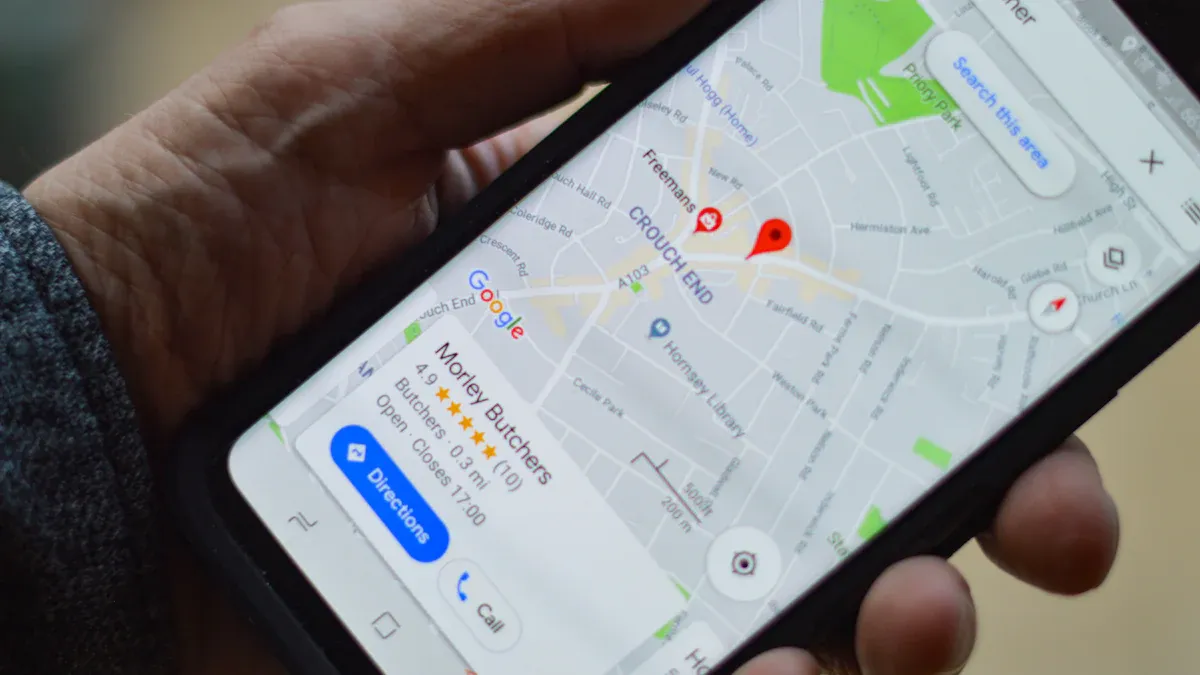
When you want to improve your local search ranking, start by looking at your competitors’ google my business profiles. This step helps you see what information they share and how complete their profiles are. Check if they have filled out every section, including business name, address, phone number, website, business hours, and photos. A complete profile often ranks higher in local seo results.
"The most important things our agency looks for when performing an audit is missing and inaccurate information. It may seem obvious, but the amount of clients we pick up with outdated information on their profiles is astonishing." – Matthew Edwards, Founder of Mars Digital
You should also look at how your competitors manage reviews and respond to questions. An active presence on google my business can make a business look more trustworthy. Use local competitor analysis to spot gaps in your own profile. If you see that a competitor has more photos or better business descriptions, update your own listing to match or exceed their efforts.
Check NAP Consistency and Citations
NAP stands for Name, Address, and Phone number. These details must be the same everywhere online. Even small mistakes can confuse Google’s local algorithm and hurt your ranking. When you do competitor analysis, check if your competitors have the same NAP details on their google my business profile, website, and other directories.
- NAP Consistency is crucial for local SEO.
- Minor discrepancies can confuse Google's local algorithm.
- Maintaining identical NAP details enhances trustworthiness.
Maintaining consistent NAP details across all platforms is essential because it ensures that Google can accurately identify your business, which in turn boosts your visibility in local search results.
Here is a quick look at how NAP consistency errors affect rankings:
| NAP Consistency Errors | Impact on Local Search Rankings |
|---|---|
| 0 critical | Prevents ranking drag |
You should also check citations. Citations are mentions of your business on other websites, like directories or review sites. Make sure your NAP details match everywhere. This step helps you build trust with Google and customers.
Check Competitor Websites
Analyze On-Page SEO
When you study competitor websites, you learn what helps them rank higher in local search results. Start by looking at their page titles and meta descriptions. These elements tell search engines what each page is about. You should also check if they use their city or state in the H1 tag. This helps Google connect their business to a location. Many top-ranking sites use LocalBusiness schema, which gives search engines more details about their shop.
Take a look at this table to see common on-page SEO elements found on competitor websites:
| On-Page Element | Competitor A | Competitor B |
|---|---|---|
| Primary Keyword in Title | Yes (City + Service) | Yes (Service only) |
| City/State in H1 Tag | Yes | No |
| LocalBusiness Schema | Comprehensive | Basic |
| NAP Crawlable Text | Yes (Footer) | No (Image only) |
| Embedded Google Map | Yes | No |
| Mobile Friendly | Yes | Yes |
| Page Load Speed | Fast | Slow |
You should also watch for technical SEO issues. Common problems include broken links, missing titles, duplicate content, and server errors. These issues can hurt rankings and make your site less trustworthy.
Assess Mobile and Speed
Mobile-friendliness and site speed play a big role in local seo. Google recommends responsive web design for the best mobile experience. A mobile-friendly site helps users find what they need quickly, especially when searching for local shops.
Here are some important facts about mobile and speed:
- Google uses mobile-first indexing, so it looks at your mobile site first.
- A mobile-optimized site keeps visitors engaged and lowers bounce rates.
- Fast-loading pages improve user experience and boost SEO rankings.
- Over half of visitors leave if a site takes more than three seconds to load.
- Sites that load in under 2.4 seconds see higher conversion rates.
You can use competitor analysis to compare your site’s speed and mobile performance with others. Fix slow loading times by reducing image sizes and removing unnecessary code. Make sure your site works well on all devices. These steps help you stay ahead in local search results.
Review Reputation and Reviews
Count and Assess Reviews
When you look at local competitors, start by counting their reviews on platforms like Google, Yelp, and Facebook. Review volume gives you a quick idea of how visible and trusted a business is in your area. More reviews often mean more customer engagement and higher trust. Google Reviews matter most for local seo, but Yelp and Facebook also help boost your shop’s online presence.
You should check not only the number but also the quality and sentiment of these reviews. Positive reviews can encourage new customers to visit your shop. Negative reviews can lower your ranking and hurt your reputation. However, a mix of feedback, including some negative reviews, can show that your business is real and open to improvement. Use competitor analysis to compare your review volume and average ratings with those of other shops nearby.
Tip: Each new review adds fresh content to your business profile. This content often includes keywords that match what people search for, which can help your shop appear in more local searches.
Evaluate Responses and Ratings
You need to see how local competitors respond to reviews. Shops that reply to both positive and negative feedback show they care about customers. Consistently responding to reviews builds trust and can improve your ranking in local search results. Personalized replies with relevant keywords can also boost your visibility.
High review ratings influence customer decisions before they even visit your website. When people see strong ratings, they are more likely to click, call, or get directions. These actions send positive signals to Google, which can help your shop rank higher. If you see negative reviews, check how the business responds. Addressing negative feedback in a professional way can actually improve your reputation and may even help your ranking.
Note: Encourage your customers to leave reviews and always reply to them. This creates a positive feedback loop that supports your overall local seo strategy.
Analyze Backlinks and Partnerships
Check Backlink Profiles
You can learn a lot about your competitors by looking at their backlink profiles. Backlinks are links from other websites that point to your site. Search engines see these links as votes of confidence. The more high-quality backlinks a business has, the more likely it is to rank higher in local seo.
To check competitor backlinks, you can use several helpful tools. Each tool offers different features to help you understand where your competitors get their links:
| Tool Name | Key Features |
|---|---|
| SEMrush | Detailed analytics report, deep analysis of backlinks, domain authority checks, geo-location insights |
| Serpstat | Comprehensive backlink data, track competitor strategies, Page Rank and Trust Rank metrics |
| LinkAssistant | Group backlinks, identify penalizing links, historical data, SEO SpyGlass feature |
| Rank Signals | Analyze backlinks over time, identify toxic links, link explorer for various link types |
| GrowthBar | All-in-one tool, insights on backlinks and ads, exportable reports, competitor backlink analysis |
You should look for links from local news sites, community blogs, and business directories. These sources often give the most value for local businesses. Try to find patterns in your competitors’ backlinks. This will help you spot new opportunities for your own shop.
Tip: Engage with local press by sharing your business story. This can lead to valuable backlinks from news websites.
Spot Local Partnerships
Local partnerships and sponsorships can boost your online presence. When you work with other businesses or support community events, you often get links from their websites. These links show search engines that your business is trusted in your area.
Here are some common ways to build local partnerships for backlinks:
- Partner with local businesses and sponsor events that link back to your site.
- Get listed on local directories, such as the Chamber of Commerce or Better Business Bureau.
- Contribute articles or resources to neighborhood blogs or local magazines.
- Create useful local content, like guides or reports, that others want to reference.
You can also sponsor a local sports team or school program. Many schools and leagues have sponsor pages with links. Hosting a workshop with a community center or library can also get your business listed on event pages. If you organize your own event, ask other local organizations to link to your event page.
When you build these partnerships, you not only gain backlinks but also increase your reputation and visibility in the community. This strategy helps you stand out in local search results.
Assess Social Media and Content

Review Social Activity
You can learn a lot by watching how your competitors use social media. Start by checking which platforms they use most, such as Facebook, Instagram, or TikTok. Look at how often they post and what kind of content gets the most likes, shares, or comments. Shops that post regularly stay on their customers’ minds and build stronger relationships.
- Encouraging customers to share posts about your shop increases your reach and authority.
- Hosting events, like a karaoke night with a photo booth, can inspire people to create and share content using your hashtag.
- Taking photos with customers and tagging them helps boost engagement.
- Sharing stories about loyal customers makes your brand feel more authentic.
Interactive content works well for local businesses. You can see if your competitors use polls, quizzes, or contests to get people involved. These activities invite participation and help build trust with your audience.
- Interactive posts encourage people to join in and remember your shop.
- Polls are quick and easy, giving you feedback and making customers feel heard.
- This two-way communication can improve your marketing results.
Tip: Consistent posting on social media keeps your audience interested and helps your shop stay visible in the community.
Analyze Content Strategy
You should also look at your competitors’ blogs and website content. Check how often they publish new posts and what topics they cover. Shops that post local-focused content, like community stories or event updates, help search engines understand their location and audience. This type of content builds trust and improves local SEO.
- Regularly publishing local stories, event news, and area-specific posts boosts your shop’s visibility.
- Consistent content updates attract more qualified leads by meeting local customer needs.
- Keeping your Google Business Profile updated with real-time information increases trust and search rankings.
New blogs often need to post more often, about 6-8 times a month, to build authority. Established blogs can post less frequently, focusing on quality. Posting keyword-rich content weekly helps improve your rankings faster. Less frequent updates may slow your progress.
Note: Consistent content publishing, both on your website and social media, leads to better local search results and keeps your shop top-of-mind for customers.
Improve Local SEO Strategy
Prioritize Quick Wins
You can boost your local seo competition results by focusing on quick-win strategies. These steps help you see improvements in your local search rankings without waiting months. Start with the basics. Make sure your business information is correct everywhere online. Use local keywords in your website content and headers. Ask happy customers to leave positive reviews. Build links with other local businesses. These actions give you a strong foundation for your local seo strategy.
Here is a table of the most effective quick-win strategies for local seo competition:
| Strategy | Description |
|---|---|
| Google Business Profile Optimization | Make sure your business name, address, and phone number are correct and match everywhere. Add engaging descriptions and reply to reviews. |
| Localized On-Page SEO | Use local keywords in your headers and content. Add location details to help search engines connect you to your area. |
| Citations and Local Listings | Keep your NAP data the same on all directories. Look for niche-specific listings to expand your reach. |
| Quality Backlinks | Get links from local websites by building partnerships and sponsoring events. |
| Online Reviews and Reputation Management | Collect positive reviews to improve your local search rankings and build trust with customers. |
You should review this table and pick the strategies that fit your shop best. Quick wins help you move ahead in local seo competition while you work on long-term plans.
Set Up Ongoing Monitoring
You need to track your progress and watch your competitors to keep your local seo strategy strong. Regular monitoring helps you spot changes in local seo competition and adjust your strategy fast. Set up a competitor analysis spreadsheet. Update it often to track what your competitors do. Watch for new trends and look for ways to improve your local search rankings.
- Check your competitors’ online presence every month.
- Track changes in their reviews, website updates, and social media activity.
- Update your competitor analysis spreadsheet with new findings.
- Look for new strategies that help you stay ahead in local seo competition.
Ongoing monitoring keeps your local seo strategy fresh. You can respond quickly to changes and keep your shop at the top of local search rankings.
You can stay ahead in local seo by following a few key steps. First, monitor local competitors and update your strategies often. Next, check for new content and changes in their websites. Customer reviews can boost your revenue, and ranking on the first page makes you ten times more likely to get clicks.
Take action now and keep improving. Small steps today help you lead your market tomorrow.
FAQ
How often should you check your local SEO competition?
You should check your local SEO competition every month. Regular checks help you spot changes in rankings, reviews, and strategies. This habit keeps your shop ahead of others in your area.
What tools help you analyze local competitors?
You can use tools like Moz Local, SEMrush, and Google Maps. These tools show you who ranks high, where they get backlinks, and how they manage their profiles.
Why do reviews matter for local SEO?
Reviews build trust with customers and search engines. More positive reviews help your shop appear higher in search results. Always ask happy customers to leave feedback.
Can you improve local SEO without technical skills?
Yes! You can update your Google Business Profile, ask for reviews, and keep your business details correct. These steps do not require advanced skills and make a big difference.
See Also
Essential Strategies for Effective SEO in Startups
Top Tools for Crafting SEO Content That Ranks
Effective Tips to Enhance Your Search Engine Ranking
Comprehensive SEO Strategies Specifically for Plumbing Businesses
