Harnessing Local SEO Strategies for Automotive Dealerships: The Definitive 2024-2025 Guide

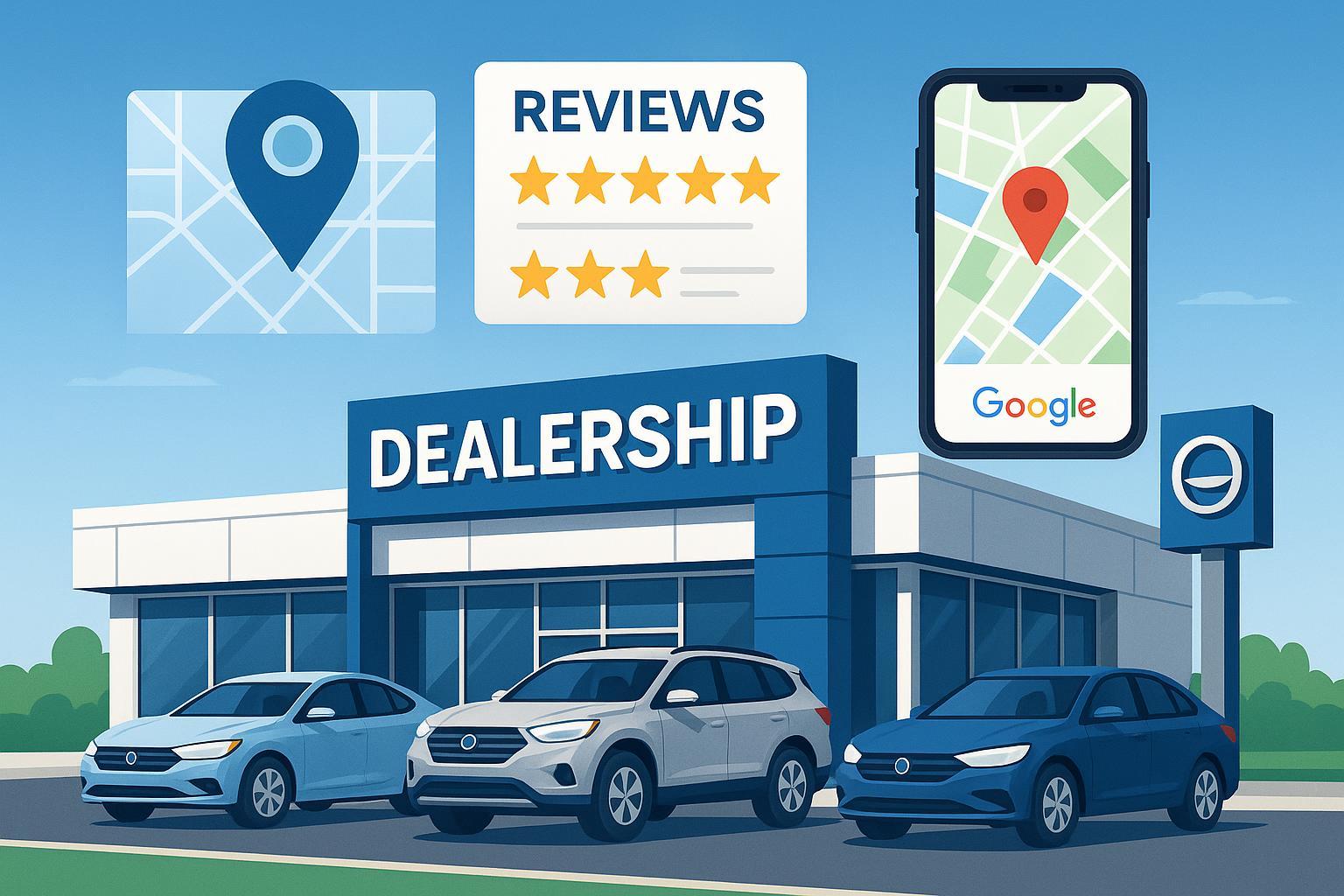
Introduction: Why Local SEO is a Game Changer for Dealerships
Are you still watching walk-in traffic decline, even as your competitors dominate Google’s local listings? In the hyper-competitive automotive sector, over 97% of car buyers now start their search online and 76% of local searches lead to a store visit within 24 hours (FullPath). For car dealerships, mastering local SEO is the most direct, ROI-proven route to Map Pack rankings, more calls, and higher in-store sales. This guide presents 10 field-tested, data-driven local SEO best practices—including advanced multi-location, inventory, and review strategies—that have doubled traffic and lead-flow at real dealerships.
Top 10 Local SEO Best Practices for Automotive Dealerships
- Optimize and Own Your Google Business Profile (GBP)
- Systematically Manage Reviews—and Scale Reputation Amplification
- Ensure Consistent NAP Data and Eliminate Duplicates Across Listings
- Implement Local Keyword Optimization on Website Pages
- Build Location, Service, and Brand-Specific Landing Pages
- Leverage Automotive Schema for Inventory, Offers, and Reviews
- Expand and Maintain Local Citations on Authoritative Directories
- Utilize High-Authority Local Backlinks and Community Partnerships
- Deploy Ongoing GBP and Website Content Updates
- Monitor, Measure, and React with Local SEO Analytics Platforms
1. Optimize and Own Your Google Business Profile (GBP)
What/Why: GBP is your local digital showroom; it determines if you appear in the Map Pack and influences up to 70% more visits for dealers with a completed profile (Dealers United).
How:
- Ensure every location (if multi-rooftop) has its own GBP, with correct business category (e.g., “Toyota Dealer”).
- Add high-quality images, real staff/team shots, and inventory highlights monthly.
- Update hours, holiday closings, and service details proactively.
- Link to top landing pages directly from GBP.
- Use all new GBP features: Google Posts, Q&A, service menus.
- Avoid duplicate or fake listings—the leading reason for local ranking penalties (Google Policy).
Impact: Dealerships upgrading GBP completeness have moved from page 3 to top-3 results within a quarter and doubled showroom calls (Westline Auto Group Case).
2. Systematically Manage Reviews—and Scale Reputation Amplification
What/Why: Review volume, recency, and response rate are local ranking factors—and 88% of buyers trust them as much as personal recommendations (BrightLocal).
How:
- Implement automated review requests post-visit via SMS/email using tools like GatherUp or ReviewTrackers.
- Respond to every review (positive or negative) within 48 hours. Use platforms like ResponseScribe for scalable, compliant responses.
- Feature best Google reviews on your site and social profiles with permission.
- Address negative reviews tactfully. Automated alerts help you respond before issues snowball.
Impact: Dealers using automation have increased review volume by 300% in six months, unlocking higher Map Pack ranking and customer trust (source).
3. Ensure Consistent NAP Data and Eliminate Duplicates Across Listings
What/Why: Google’s algorithm cross-checks your Name, Address, and Phone across the web; inconsistencies drop rankings, and duplicate listings trigger suspensions.
How:
- Standardize NAP formatting everywhere—website, GBP, all third-party directories.
- Use tools like BrightLocal, Yext, or Moz Local for audit and real-time sync.
- Audit monthly; fix any mismatches or old locations.
Impact: Consistent NAP can increase search impressions by up to 50% and safeguard against sudden GBP suspensions (BrightLocal).
4. Implement Local Keyword Optimization on Website Pages
What/Why: Tailoring on-page titles, headings, and meta to target both “car brand + city” and “service + zip” queries ensures your dealership surfaces for high-intent customers.
How:
- Incorporate geo-modifiers: “Honda dealership in Houston TX,” “Ford F-150 lease deals Chicago.”
- Structure H1/H2 headers around local and service/brand intent.
- Use Google Search Console to identify local keyword opportunities.
Impact: After implementing local keyword strategy, Carter Auto Mall doubled both website and phone leads within three months (SEO Discovery Case).
5. Build Location, Service, and Brand-Specific Landing Pages
What/Why: Dedicated, optimized pages for each location, service, and brand enhance site relevance for a broader range of local searches and boost conversions.
How:
- Create a unique landing page for every branch/location (especially critical for dealer groups).
- Structure landing pages by services (“oil change near [city]”), brands, and even key vehicles.
- Embed Google Maps for each site; add NAP + local reviews.
Impact: Dealers with robust location/brand page architecture occupy more Map Pack slots and see measurable CTR lifts (Moz Local Ranking Factors).
6. Leverage Automotive Schema for Inventory, Offers, and Reviews
What/Why: Automotive-specific schema (structured data) signals to Google exactly what vehicles, offers, and reviews are on your site—increasing organic and rich Map features (Google Structured Data).
How:
- Implement Vehicle, Review, and Offer schema on all inventory and service pages.
- Validate with Google’s Rich Results Test tool.
- Keep data feeds current to avoid mismatches.
Impact: Dealers adopting vehicle schema have gained “car for sale” snippets and higher placement in local results (FullPath).
7. Expand and Maintain Local Citations on Authoritative Directories
What/Why: Local and automotive-specific citations signal credibility and relevance. Gaps or mismatches weaken local authority.
How:
- Submit/update dealership listings on top automotive/local directories: Edmunds, Cars.com, CarGurus, DealerRater, plus sector-specific directories.
- Use BrightLocal/Moz Local for mass updates and accuracy monitoring.
Impact: Regular citation maintenance is correlated with 30%+ visibility gains in both organic and maps (BrightLocal).
8. Utilize High-Authority Local Backlinks and Community Partnerships
What/Why: Local backlinks from trusted community sites drive both rankings and reputation, and help smaller stores compete with larger groups.
How:
- Sponsor or partner with local events, charities, schools, or sports teams, requesting backlinks in return.
- Engage with local auto blogs, chambers of commerce, and news media.
Impact: Dealers who systematically earned local backlinks saw not just SEO gains but up to 200% improvement in branded search and local engagement (FullPath).
9. Deploy Ongoing GBP and Website Content Updates
What/Why: Active, up-to-date content signals to Google (and buyers) that your dealership is thriving and attentive—reducing the risk of GBP “hibernation” or losing rank to more active competitors.
How:
- Post weekly Google Posts: specials, events, new arrivals.
- Rotate inventory highlights and staff features.
- Update blog or news content targeting local car shopping trends monthly.
Impact: Showrooms that publish continuously see sustained traffic and higher Map and organic ranks versus dormant rivals.
10. Monitor, Measure, and React with Local SEO Analytics Platforms
What/Why: Regular performance tracking is essential—Map Pack positions change rapidly, and GBP suspensions or negative reviews can torpedo local lead flow almost instantly.
How:
- Use platforms like BrightLocal for local rank/grid tracking.
- Enable Google Search Console and Google Analytics 4 for keyword, engagement, and conversion insights.
- Set up real-time alerts for review activity and GBP changes.
Impact: Proactive analytics catch GBP issues early, document ROI, and empower dealerships to maintain or reclaim top map presence (Moz).
Conclusion: Outpace Local Rivals and Drive Real-World Results
Mastering these 10 local SEO strategies positions your dealership not just for visibility, but for sustainable traffic, phone, and showroom lead growth proven across automotive markets. The data is clear: dealerships that prioritize local SEO—from inventorial schema and scaled review engagement to robust citation management—can achieve double or even triple their organic leads and dominate their region’s digital landscape.
Take action today: Audit your GBP, unify your NAP, and deploy at least three of these strategies this quarter. Local SEO is a dealership growth lever you control—and your competitors are already investing. For downloadable checklists, practical templates, and a curated tool list, consult BrightLocal’s dealership resources or the expert implementation guides from FullPath and Bruce Clay Inc..
Ready to put these strategies to work? Start now—and watch your dealership become the top choice in your local market.
