Link Building in Sustainable Packaging (2025): Digital PR, Directories, and Partnerships That Actually Work

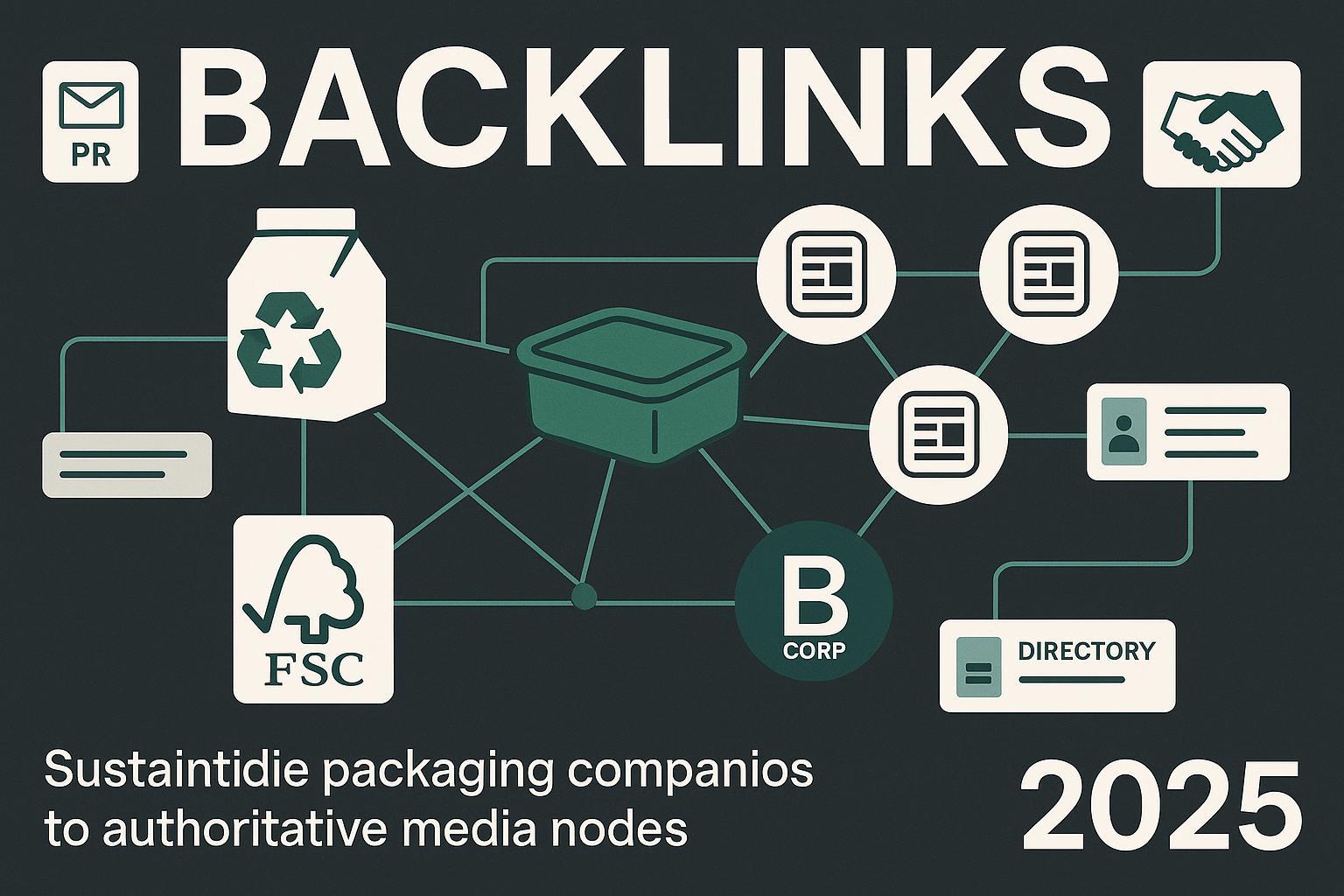
If you market a sustainable or green packaging brand in 2025, you don’t need more generic link tactics—you need sector-specific plays that earn authoritative, defensible links without risking greenwashing. Below is the playbook I use with packaging clients, tuned to this year’s regulatory and media reality.
Key 2025 context to anchor your stories and hooks:
- The EU’s new Packaging and Packaging Waste Regulation (Regulation (EU) 2025/40) is now in force with application phases starting in 2026—use it for timely explainers and compliance content, and ensure claims align with official criteria described in the EUR-Lex PPWR text (2025) and the European Parliament’s 2024 summary of reduction and recycling rules.
- In the EU, offset-only “carbon neutral” claims are banned under the 2024 Empowering Consumers Directive; if you mention offsets, limit them to residual emissions and follow the directive’s conditions as summarized by the European Parliament 2024 consumer protection update.
- In the U.S., packaging EPR programs are rolling out (e.g., Oregon launches July 1, 2025; producer registration/reporting are required in 2025) per the Oregon DEQ Recycling Modernization Act hub and DEQ’s 2025 PRO plan approval news. These milestones are strong hooks for high-signal content.
What follows are the three pillars that consistently deliver links in green packaging: digital PR, authority directories, and partnerships.
1) Digital PR That Earns Links in 2025
What works best right now is specific, timely, and verifiable. Journalists are inundated; they respond to relevance, original data, and clarity—patterns echoed in the Cision State of the Media 2025 summary (3,000+ journalists).
High-performing PR angles for sustainable packaging:
- Regulatory explainers with practical checklists. Example: “Oregon EPR: What small brands must file by July 31, 2025” citing the Colorado, Oregon, or Maine official EPR pages for accuracy.
- Data-led stories. Run a mini survey on supplier readiness for PPWR design-for-recycling criteria, and publish methodology and crosstabs. Tie back to the European Commission’s packaging waste policy page for context.
- Innovation case studies with partners (converter/MRF/brand). These routinely get picked up by trades like Packaging World, as shown by 2025 coverage of circularity pilots at PRS25 in Packaging World’s reporting.
- Award-driven storytelling. Finalist/winner features from Packaging Europe’s Sustainability Awards link to company pages; see 2025 finalists coverage on Packaging Europe’s announcement.
Pitch structure that gets replies (condensed):
- Subject: Oregon EPR deadline checklist for SMEs + expert Q&A
- First line: 1-sentence why it matters now (deadline, impact size, who’s affected).
- Body: 3 bullet insights (numbers, dates, actions), link to your data/guide, and offer a quick interview with your sustainability lead + a state regulator or NGO co-commentator.
- Assets: 700–900 word guide, a 1-page summary PDF, two charts with source notes, and a brand newsroom post with transparent methodology.
Target outlets and formats:
- Packaging trades (news + contributed explainers): Packaging Europe and Packaging World frequently feature sustainability/EPR stories, as seen in Packaging Europe’s policy coverage and Packaging World’s SPC Impact 2025 coverage.
- Sustainability/business outlets: GreenBiz accepts targeted pitches (700–1,000 words) per the GreenBiz editorial guidelines.
- Event-driven PR: If you’re a finalist/speaker, pre-brief relevant media and link to an embargoed asset; e.g., the Sustainable Packaging Summit preview shows the type of coverage that can accrue.
Execution checklist:
- Publish the guide on your site first, with clear citations (PPWR text, FTC Green Guides, state EPR pages). For U.S. claims, mirror language from the FTC Environmental Marketing Guides.
- Prepare a media list with 20–30 highly relevant editors, and 2–3 exclusive angles.
- Time it around regulatory milestones (e.g., Oregon July 2025 launch; EU PPWR application countdown; California SB 54 comment windows listed by CalRecycle).
- Include 2 visuals and one quotable line with a number (deadline, percentage adoption, cost range) and make your data downloadable.
Common pitfalls to avoid:
- Vague claims of “sustainable” without substantiation—EU consumers directive and FTC standards require specificity. Anchor to standards, e.g., FSC/PEFC, with links to the FSC certificate database or PEFC’s certified finder.
- Over-broad media blasts. Per journalist surveys in 2024–2025, relevance and brevity win; keep pitches tight and targeted (Cision’s 2025 findings reinforce this).
2) Authority Directories and Certifications That Give You Defensible Links
These links aren’t just for SEO—they’re credibility signals journalists and buyers check. Aim for listings that match your material choices, governance, and emissions trajectory.
Priority list with why it matters and how to get in:
- B Corp Directory: Public profiles often link to brand sites; requires passing the B Impact Assessment and verification. See the B Corp directory.
- Sustainable Packaging Coalition (SPC) membership: Members are listed on a public directory used by media and peers; see the SPC membership directory.
- FSC/PEFC certification lookups: Being searchable and referenceable is a trust shortcut when pitching fiber-based packaging stories; see the FSC database and PEFC finder.
- Cradle to Cradle Certified: Product-level listings with material health and circularity attributes; see the C2C Certified product registry.
- Climate commitments directories: SBTi validated targets listed on the SBTi companies page; 1% for the Planet member directory; and The Climate Pledge signatories.
Workflow to secure and leverage directory links:
- Map claims to verification: If you tout recycled fiber, prioritize FSC/PEFC chain-of-custody. If you claim circular design, consider C2C. For governance/impact, B Corp + SBTi.
- Resource the application: Assign a cross-functional lead (ops + sustainability + legal). Budget for dues/audits where applicable.
- Publish a concise explainer page per certification on your site with the certificate IDs and scope; link that page in pitches and RFQs.
- Announce milestones through your newsroom and coordinate a post from the certifying body if they profile new members (many do).
Trade-offs and tips:
- Some directories use nofollow attributes; still valuable for trust and co-citation. Prioritize human credibility over PageRank alone.
- Certifications take time (months). If you need near-term links, combine with awards, events, and contributed articles.
3) Partnerships That Compound Links (NGOs, Universities, Supply Chain, Awards)
Partnerships create multi-site syndication and long-lived assets.
Proven partnership models:
- Co-authored research with NGOs/universities: For example, life cycle snapshots of a new mono-material pouch design. Academic and NGO pages often link to partners, and trade publications tend to cover evidence-backed results. This model mirrors how high-signal resources (like Google’s plastic-free packaging guide) earned wide trade coverage in Packaging World’s feature.
- Supply chain case studies: Publish a joint story with your converter and a recycler/MRF showing design-for-recycling outcomes; outlets like Packaging Europe and Packaging World regularly cover these, as with PRS25 “close the loop” reporting.
- Awards and speaking: Target programs that link to winners and speakers. Packaging Europe’s Sustainability Awards and WorldStar listings include company links; see 2025 highlights in WorldStar winners coverage. Build a 9–12 month calendar for submissions and abstracts.
How to structure the partnership for SEO and PR:
- Define the asset types upfront: dataset + whitepaper + 800-word summary + 2 charts + a 60-second explainer video. Agree that each organization will publish its own post linking to the canonical study.
- Assign media targets: One trade exclusive (embargoed), two secondary trades, and a sustainability outlet (e.g., GreenBiz). Check the GreenBiz contribution guidelines before pitching.
- Governance: Maintain editorial independence and a shared fact sheet with claim substantiation and certificate IDs.
Negotiation tips:
- Offer value beyond publicity: access to anonymized benchmark data, pilot opportunities, or shared speaking slots at events like the Sustainable Packaging Summit.
- Clarify link placement expectations: request a link in the partner’s announcement and data repository page; if they prefer nofollow, accept and focus on coverage quality.
Anti-Greenwashing Guardrails (Don’t Lose Trust While Chasing Links)
If your link campaign over-claims, you risk regulatory scrutiny and lost credibility.
- EU Empowering Consumers Directive: Avoid offset-only “carbon neutral” language; if you include offsets, disclose that they cover residual emissions, per the 2024 EU consumer directive summary.
- EU PPWR: Don’t imply compliance with design-for-recycling or compostability criteria that aren’t yet applicable; anchor timelines to the PPWR official text (2025) and Commission materials.
- U.S. FTC Green Guides: Substantiate recyclable/compostable/recycled-content claims with “competent and reliable scientific evidence,” as the FTC Environmental Marketing Guides require.
Operational checklist before any PR push:
- Claim matrix: For each claim, list the evidence (certificate ID, LCA, test report) and geographic scope.
- Legal/QA review: Have counsel or compliance review EU- and US-facing copies.
- Language discipline: Replace vague “eco-friendly” with specific attributes (e.g., “FSC-certified, 85% recycled fiber”).
Measuring Impact: What to Track and How
KPIs that correlate with sustainable-packaging authority and pipeline:
- Referring domains by cohort: certifications/coalitions, trade media, awards/events, NGOs/academia.
- Keyword clusters: rankings/traffic for PPWR/EPR explainers, certification terms, and design-for-recycling guides.
- Referral performance: sessions and engaged time from award pages, event listings, and directories.
- Assisted conversions: PR sessions in multi-touch paths for RFQs and demo requests.
Cadence:
- Monthly: Link quality audit and anchor text diversity check.
- Quarterly: Media/awards calendar review; partnership pipeline grooming; refresh “evergreen” regulatory guides with new milestones (e.g., CalRecycle SB 54 rulemaking updates).
A 90-Day Execution Plan (Lean Team, High Signal)
Weeks 1–4 (quick wins):
- Publish a 1,200–1,800-word EPR explainer for a key state with deadlines and checklists, citing the state’s official page (e.g., Oregon DEQ hub).
- Submit two award entries aligned to your innovation roadmap (Packaging Europe Sustainability Awards, WorldStar). Prepare a press kit.
- Build or update your certification page hub with links to FSC, PEFC, C2C registry, and any membership directories you’re in.
Weeks 5–8 (momentum):
- Pitch 2–3 targeted contributed articles (one trade, one sustainability outlet, one regional business press) following GreenBiz guidelines.
- Launch a supply chain case study with a converter or recycler; pre-brief Packaging World/Packaging Europe and link to a visual-heavy landing page.
- Apply for at least one membership/certification that aligns with your claims (SPC membership directory or B Corp profile) using the SPC directory and B Corp directory as your north stars for visibility.
Weeks 9–12 (compounding):
- Co-create a mini survey (n=50–150 contacts) on PPWR readiness or U.S. EPR implementation impacts; publish methods and charts; pitch an exclusive to a trade outlet referencing EU packaging policy context.
- Secure a speaking slot or panel submission for Sustainable Packaging Summit or a regional circularity event; build a companion explainer on your site.
- Review measurement: identify 10–15 domains to target next quarter (NGOs, labs, event blogs) based on your referring-domain gaps.
Final thought: In sustainable packaging, links follow substance. If you ground your stories in verified certifications, regulatory clarity, and partnered evidence, the right links—and the right customers—arrive as a byproduct.
