Transform Results with These 7 Local SEO Audit Tools

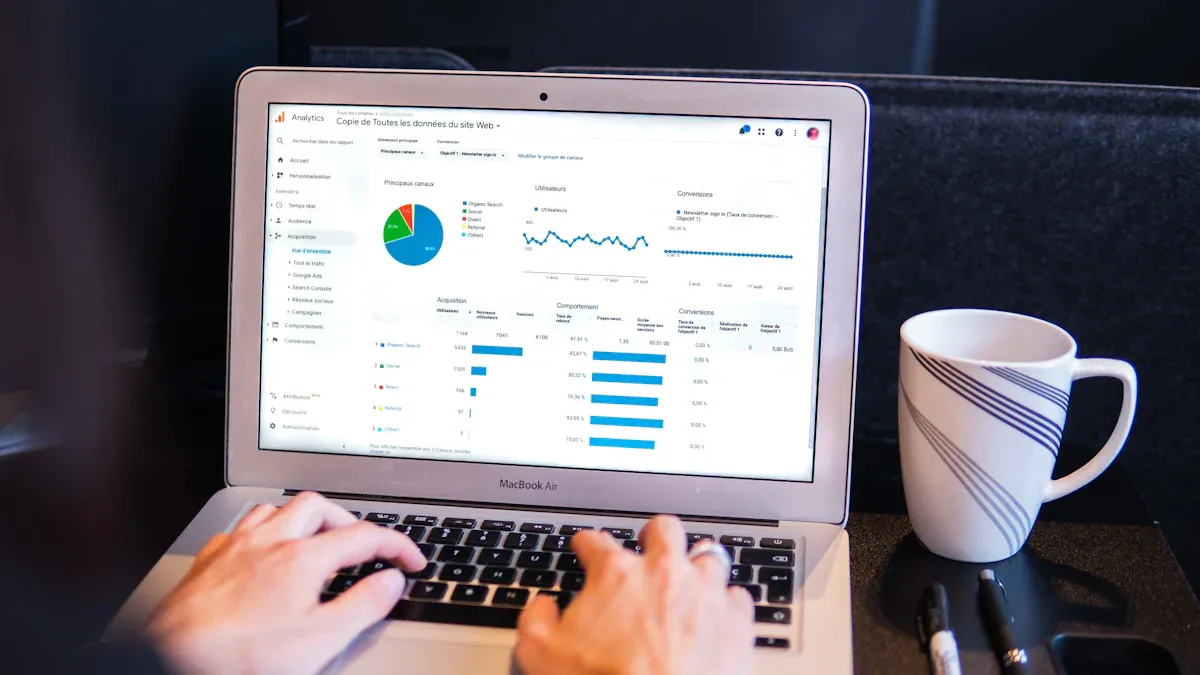
You want to transform client results. A powerful local SEO strategy is your path to success. With 46% of Google searches being local, your agency cannot afford to miss this opportunity. Effective agencies know that a deep audit delivers impressive results; some local SEO campaigns achieve a 500% ROI. This requires moving beyond basic local seo checks. You need a better strategy. The right local seo audit tools and other local seo tools are essential. These local seo tools improve local search visibility, giving your clients the visibility they need. A proper audit with these tools is the foundation of any great local SEO plan.
A Deep Dive into 7 Essential Local SEO Audit Tools

A successful local SEO marketing strategy depends on the right tools. You need a clear view of your client's performance to find opportunities and prove your value. These seven local SEO audit tools give you the data needed to conduct a thorough audit and drive transformative results. Each tool offers unique strengths for your agency.
BrightLocal: The All-in-One Platform
Best For: Agencies needing a comprehensive, white-label solution for local SEO reporting and management.
Key Audit Features:
- Local Search Audit: This feature assesses your client's overall local SEO performance. It provides a top-level view of rankings, reviews, listings, and on-page SEO. You get actionable insights to improve local search visibility.
- Google Business Profile Audit: You can run an in-depth Google Business Profile audit to find and fix critical issues. This audit helps you identify duplicate listings and NAP errors. It also benchmarks performance against competitors.
- Extended Data Access: The platform gives you access to 18 months of Google Business Profile Insights data. This is a significant advantage over the standard six months, allowing for deeper analysis of local SEO performance trends.
- Citation Tracking: You can monitor existing citations, discover new opportunities, and clean up incorrect business information to boost local search results.
Pricing: BrightLocal offers several plans suitable for any agency size. You can start with a 14-day free trial to explore its features.
| Plan Name | Monthly Cost | Locations Supported |
|---|---|---|
| Track | $39 | 1 |
| Manage | $49 | 1 |
| Grow | $59 | 1 |
Semrush: For Integrated SEO Campaigns
Best For: Agencies that want to integrate local SEO efforts into a broader digital marketing strategy.
Key Audit Features:
- Position Tracking Tool: This tool monitors keyword rankings in specific geographic areas. You can track local search visibility improvements over time and gain insights into competitor positioning for better SEO performance. This is a key part of local SEO tracking.
- On-Page SEO Checker: You receive page-specific recommendations for your audit. It suggests keyword placements, content length, and tips for naturally including city names to improve local relevance.
- Site Audit Tool: You can identify technical SEO issues that harm local performance. The tool finds broken links, slow page speeds, and mobile responsiveness problems. A technical audit is vital for strong SEO.
- Listing Management Integration: You can connect a Google Business Profile to handle business information and reviews. The tool allows you to pull listing management data directly into your client reports for a complete performance overview.
Pricing: Semrush plans start at $129.95/month. A free trial is available to test its extensive suite of local SEO tools.
Moz Local: For Profile and Listing Management
Best For: Businesses and agencies focused on ensuring absolute accuracy and consistency across all online business listings.
Key Audit Features:
- Automated NAP Audit: Moz Local automates the audit of your client's Name, Address, and Phone (NAP) information. It identifies discrepancies across directories and allows for bulk updates, saving you significant time. This is a core part of local citation management.
- Reputation Management: The platform centralizes review monitoring from many sources. You can respond to feedback quickly and use sentiment analysis to identify service trends, which is crucial for local SEO performance.
- Profile Completeness Score: You get an actionable score that shows how complete a client's online profiles are. This helps you prioritize which listings need attention to improve local search visibility.
- Performance Analytics: The tools provide insights into search traffic and review sentiment. Businesses using Moz Local often see a 67% increase in consumer actions like calls and website visits due to accurate listings.
Pricing: Moz Local offers plans starting at $14/month per location, with different tiers available based on the features your agency needs.
Whitespark: The Citation Specialist
Best For: SEO professionals who need to conduct a deep-dive citation audit and build a powerful local backlink profile.
Key Audit Features:
- Local Citation Finder: This flagship tool acts as a specialized search engine for citation opportunities. It analyzes your top competitors' citations and compares them to yours, revealing the exact opportunities you are missing.
- Citation Audit Tool: This service ensures NAP consistency across the web. It scans existing citations, generates a detailed report of variations or duplicates, and helps you prioritize fixing major inconsistencies. A clean citation profile is essential for good SEO performance.
- Competitor Analysis: You can search by a competitor's phone number to discover where they have earned citations online. This gives you a direct roadmap for your own link-building efforts.
- Opportunity Discovery: The tools suggest new citation sources based on your client's location and industry, helping you build a relevant and authoritative presence in local search results.
Pricing: Whitespark's Local Citation Finder tool starts at $16.67 per month, making it an accessible and powerful addition to your local SEO tools.
Local Falcon: The Geo-Grid Rank Tracker
Best For: Visually demonstrating local keyword ranking performance across a specific service area to clients.
Best For: Visually demonstrating local keyword ranking performance across a specific service area to clients.
Key Audit Features:
- Geo-Grid Heatmaps: The tool provides a bird's-eye view of local search rankings. It scans Google Maps from precise coordinates, creating color-coded heatmaps that show exactly where a client's business is visible in local search results.
- Competitor Share of Voice: You can see how much of the local market your client owns compared to their competitors. This visual data is powerful for client reporting and strategy sessions.
- Customizable Scans: You can adjust the grid size from a simple 3x3 to a detailed 21x21 grid. This flexibility allows you to conduct a broad audit or a hyper-focused analysis of a small area. This is a great tool for rank tracking.
- Interactive Reporting: The rank tracking maps are interactive and shareable. This helps you clearly communicate performance and progress, making your reports more impactful.
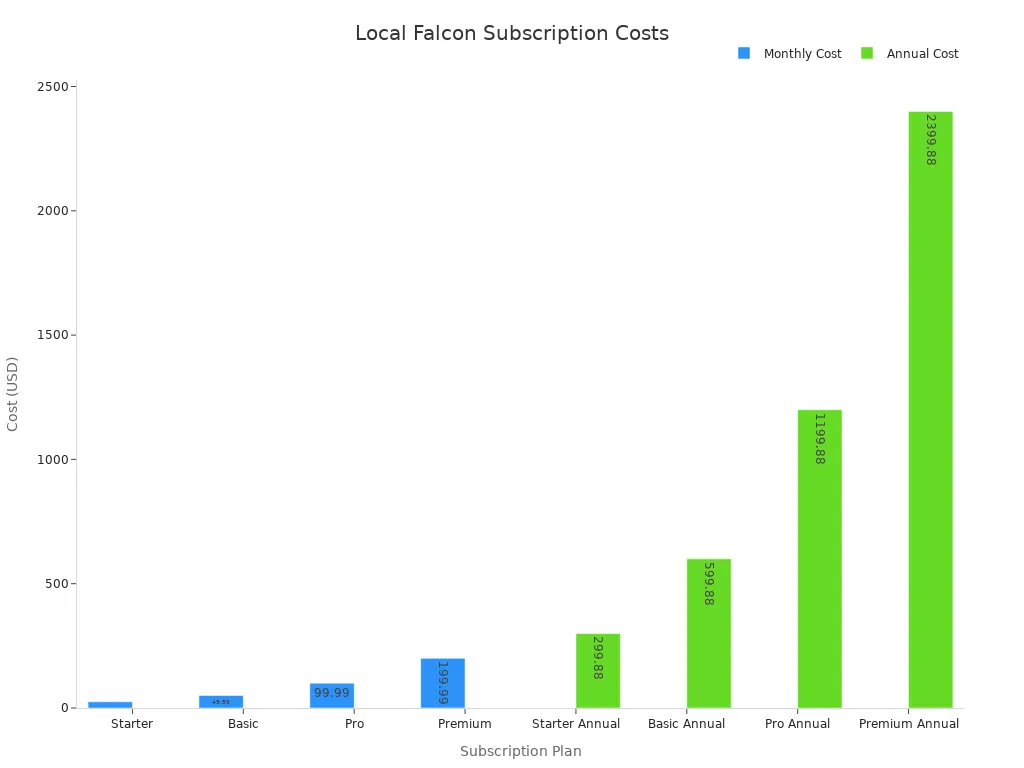
Pricing: Local Falcon uses a credit-based system. Monthly packages start at $24.99 for 7,500 credits. Annual plans offer more value for agencies managing multiple clients.
PlePer: A Free Chrome Extension for Local SEO Tools
Best For: SEOs who need quick, on-the-fly insights and data points directly within the browser.
Key Audit Features:
- Instant Data Access: This extension gives you immediate access to a business's NAP, website, and verification status directly from the local search results.
- Category Research Tool: You can view all 4,000+ active Google Business Profile categories. This helps you discover niche categories to give your clients a competitive edge.
- Local Pack Checker: The tool shows you how a business ranks in the local 3-pack for specific keywords and locations. This is perfect for quick performance checks during an audit.
- One-Click Links: It provides direct links to other valuable tools like PageSpeed Insights and the Schema Validator, streamlining your audit workflow.
Pricing: PlePer offers a free version of its Chrome extension. Paid plans with more advanced features are also available, starting around $10/month.
Screaming Frog: The Technical SEO Spider
Best For: Conducting comprehensive website audits to uncover technical SEO issues that impact local rankings.
Best For: Conducting comprehensive website audits to uncover technical SEO issues that impact local rankings.
Pro Tip: For large local business websites, switch Screaming Frog's storage mode from RAM to Database Storage (
Configuration > System > Storage). This prevents crashes and allows you to crawl thousands of pages efficiently.
Key Audit Features:
- Local Schema Analysis: Screaming Frog can extract and validate all
LocalBusinessschema on a site. Its JavaScript rendering feature ensures it finds schema injected via JavaScript, which many other tools miss. A proper schema audit is key for local SEO. - API Integration: You can connect the tool with Google Analytics and Search Console APIs. This lets you pull organic traffic and rank tracking data directly into your crawl, centralizing your audit metrics for better SEO performance analysis.
- Targeted Crawling: You can use the RegEx feature to focus your crawl on specific subdirectories, like
/blog/or/locations/. This saves time and provides focused data for your local SEO audit. - Content and Link Audits: This is one of the best local SEO tools for finding thin content, broken links, and improper redirects. Fixing these technical issues is fundamental to improving overall SEO performance and visibility. This is a must-have tool for any serious local SEO marketing campaign.
Pricing: Screaming Frog offers a free version that can crawl up to 500 URLs. The paid license is $259/year (approx. $259) and unlocks full features, including API integrations and unlimited crawls.
A Workflow to Transform Client Results

The right tools are only half the equation. Your success depends on a structured workflow. You need a process that turns raw data into a powerful local SEO strategy. This three-step workflow helps you conduct a thorough audit, track meaningful progress, and deliver impressive results that prove your agency's value. This is how you transform your local SEO performance.
Step 1: Conduct a Baseline Local SEO Audit
Your journey to better local search results begins with a baseline audit. This initial assessment creates a snapshot of your client's current local SEO performance. It reveals strengths, weaknesses, and opportunities. You can start this diagnostic process with free tools. Google Search Console and Google Business Profile (GBP) Insights provide sufficient initial data for many local businesses.
A comprehensive local SEO audit should cover several key areas. Your checklist for a successful audit must include:
- Google Business Profile Optimization
- Local Citation Building and Directory Submission
- Local Keyword Research and Optimization
- Website Content Localization and Location Pages
- Review Management and Response Strategy
- Mobile-Friendliness and Local Search Performance
- Local Schema Markup Implementation
- Competitor Analysis and Local Ranking Benchmarking
Action Plan: Prioritize your audit findings to create a clear strategy.
- High-Priority Fixes: Focus on the foundation first. Your initial audit must correct Google Business Profile and NAP (Name, Address, Phone) citation issues. This is the most critical part of any local SEO strategy.
- Medium-Priority Enhancements: Build the framework next. Develop a review management strategy and create detailed location pages to improve user experience.
- Long-Term Initiatives: Add the finishing touches for market dominance. Pursue ongoing local link building and publish localized content.
This initial audit establishes your key performance indicators (KPIs). You will measure your success against these metrics. Your baseline performance report should track local pack rankings, Google Maps visibility, organic traffic from local searches, and phone calls from local listings. This audit is the foundation of your entire local SEO marketing campaign.
Step 2: Track Local Pack Visibility and Progress
After your baseline audit, you must track progress. Consistent local SEO tracking shows the impact of your work. This step is vital for improving local search visibility. Traditional rank tracking is not enough for local SEO. You need tools that use geo-grid technology. This method tracks visibility across a client's entire service area, not just from a single point. It is the scoreboard for your local SEO strategy.
Geo-grid tools like Local Falcon offer powerful capabilities. They help you analyze local pack rankings at multiple points and compare performance against competitors. This is essential for effective rank tracking. These tools generate visibility heatmaps. The maps use color-coded grids to show where a client ranks well (green) and where their visibility is poor (red). This visual data provides a clear picture of local search performance.
This visual approach is perfect for client communication.
- Show Visual Progression: You can show clients the grid transforming from red to green over time. This visual proof demonstrates the direct impact of your SEO efforts and builds trust. Your rank tracking data clearly shows improved local search visibility.
- Demonstrate ROI: Better visibility often leads to more calls and sales. By visually connecting your SEO work to improved local search visibility, you make it easier to show a tangible return on investment. This is key to long-term success.
Consistent rank tracking, ideally weekly, helps you respond to changes in local search results. This proactive monitoring ensures sustained local search visibility and better overall SEO performance. This level of detail in your performance tracking is what separates a good strategy from a great one.
Step 3: Build Data-Driven Client Reports
Your hard work deserves recognition. Data-driven reporting is how you communicate your success to clients. It turns complex SEO metrics into a clear story of progress. Your reports should focus on the results that matter most to your client's business. Effective reporting is a cornerstone of a successful local SEO marketing plan.
Your reports must include the right data points to demonstrate strong local SEO performance. Focus on these core areas:
- Local Visibility Metrics: Include Google Business Profile rankings and geo-grid reports to show improved local search visibility.
- Engagement and Conversion Metrics: Highlight website clicks, phone calls, and direction requests originating from the GBP. These metrics directly connect your SEO efforts to business results.
- Competitor Comparisons: Analyze competitor visibility for key local keywords. Show clients where they are gaining an advantage in the local search results.
- Actionable Insights: Your reporting should always include a roadmap for the future. Analyze what is working and provide specific recommendations for the next phase of the strategy.
Visualizing this data is critical for clear communication. Use simple line or bar charts to show performance trends. Complement your rank tracking data with metrics from Google Business Profile. This combination provides a complete picture of SEO performance.
You can automate much of this process. Tools like BrightLocal and Reporting Ninja integrate with your data sources to create automated reports. This saves time and ensures your reporting is always up-to-date. You can set a schedule for report delivery to keep clients informed.
| Goal Category | Key Metrics | Reporting Frequency |
|---|---|---|
| Visibility | Local pack rankings, GBP views | Weekly |
| Engagement | Click-through rates, phone calls | Bi-weekly |
| Conversion | Direction requests, website visits | Monthly |
Automated, data-driven reporting solidifies your value. It keeps clients engaged and confident in your local SEO strategy. This level of professional SEO reporting helps you retain clients and grow your agency. Your performance data tells a story of success.
Transformative local SEO results do not come from a single tool. Your agency's power lies in a smart local SEO strategy. You must combine local SEO audit tools for a full audit. For example, use Whitespark for a citation audit, Local Falcon for a local rank audit, and Semrush for a technical SEO audit. This integrated strategy delivers proven results. Some agencies see #1 local rankings in just three months. A focused audit with the right local SEO tools is your path to better local SEO results.
Your next step is clear. Choose one or two local SEO tools from this list. Start a trial to fill a gap in your current audit process. Begin transforming your agency's local SEO results today. This strategy is key for your clients.
FAQ
Which local SEO tool is the most important?
There is no single "most important" tool. Your choice depends on your client's specific local needs. A good local strategy often combines several tools. For example, you might use one for citations and another for local rank tracking to get a complete picture.
Can I perform a local audit with free tools?
Yes, you can start a basic local audit with free tools. Google Business Profile Insights provides valuable data. However, paid tools offer deeper analytics, competitor tracking, and automation. These features are essential for a comprehensive local SEO campaign and delivering transformative local results.
How often should I conduct a local SEO audit?
You should perform a comprehensive local audit quarterly. This deep dive helps you adjust your strategy. You should also conduct ongoing weekly monitoring. This allows you to track local rankings and respond quickly to any changes in the local search landscape.
What is the main difference between general and local SEO tools?
Local SEO tools focus on location-specific ranking factors. They measure things like local pack visibility, citation accuracy, and geo-grid rankings. General SEO tools focus more on broad keyword rankings and technical site health without that specific local emphasis.
See Also
Your 14-Step Guide to a Comprehensive SEO Website Audit
Boost Your Rankings: Mastering Essential SEO Content Tools
Unlocking Business Growth: The Crucial Importance of SEO Audits
Deep Dive: Optimizing Content with Advanced SEO Writing Tools
Transform Your Site Using Innovative SEO Content Creation Tools
