5 Content Pillars and 20 Social Post Ideas for U.S. Healthcare Services in 2025

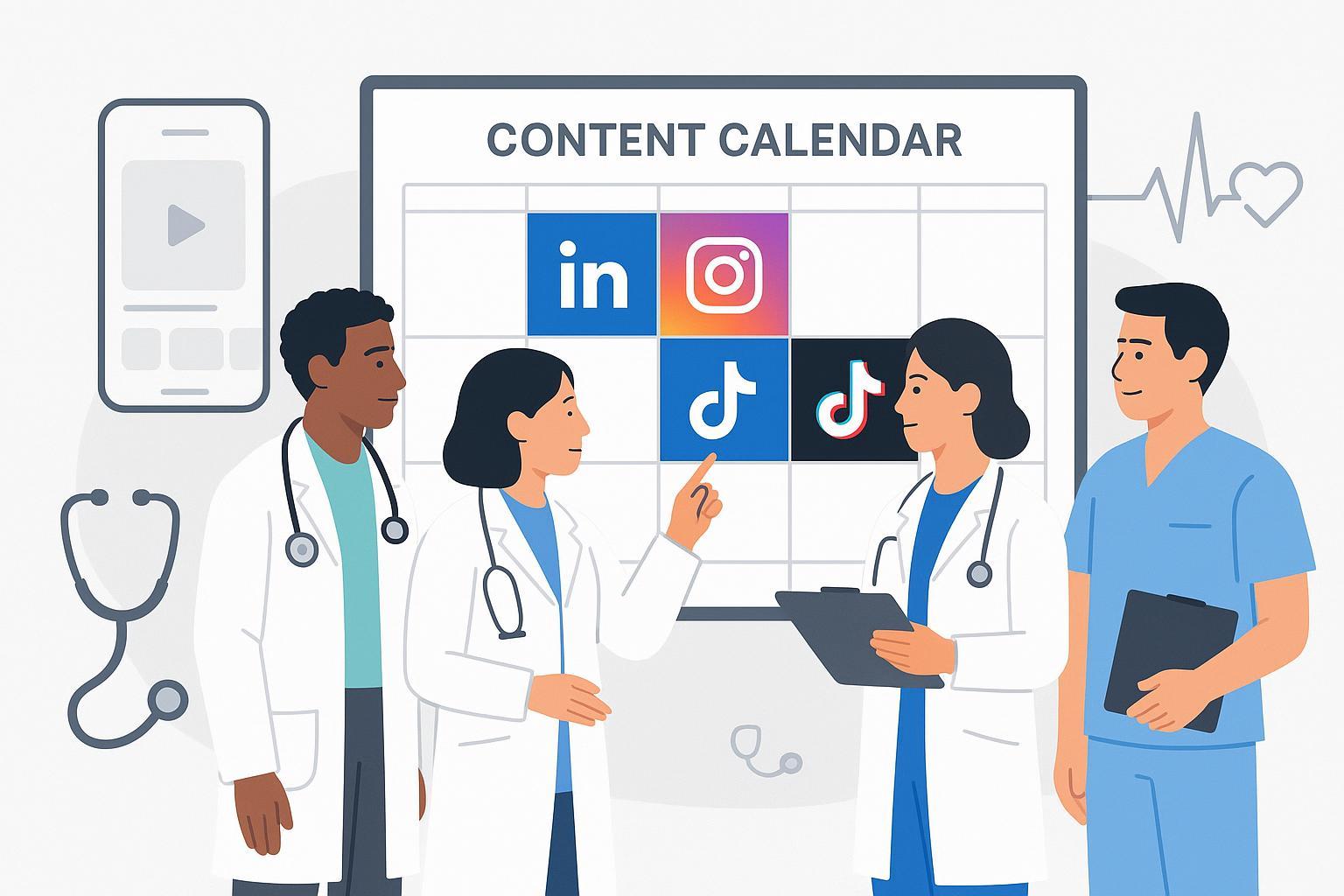
If you manage social media for a U.S. healthcare service, you’re juggling two realities in 2025: platforms evolve fast, and compliance never sleeps. This curated list maps five strategic pillars to 20 execution-ready post ideas across LinkedIn, Instagram, and TikTok—with platform-native tips, compliance watchouts (HIPAA, FTC, FDA, and TikTok’s health policies), and success metrics you can actually track.
How we chose these ideas (selection criteria):
- Platform fit and native format strength (25%)
- Patient/community value and accessibility (25%)
- Compliance feasibility and risk level (20%)
- Evidence supportability for claims (15%)
- Operational ease and repeatability (15%)
Evidence anchors you can trust:
- LinkedIn carousels/documents are a native format that drive depth, per the official LinkedIn Help—Upload documents to your feed.
- A practical cadence for LinkedIn is often 2–5 quality posts weekly, according to Buffer’s 2025 guidance in How often to post on LinkedIn.
- Instagram expanded carousels to 20 slides in 2024, widely reported by MacRumors—Instagram now allows 20-photo carousels (verify current in-app limits). Creator tips live in Meta’s Instagram Creators hub.
- TikTok’s 2025 advertising rules for health categories (18+ targeting, certifications) are outlined in the TikTok Ads healthcare/pharma policy.
- HIPAA’s Minimum Necessary and PHI rules are summarized by HHS/OCR in the HIPAA Privacy Rule overview.
- The FTC’s 2023–2025 Endorsement Guides (clear, conspicuous disclosures; no fake/manipulated reviews) are covered in the FTC endorsements, influencers, and reviews hub.
- FDA’s social media promotion guardrails (including character-limited platforms and misinformation responses) are compiled on the FDA—Industry: Using social media page.
Note: Health information should be educational. Avoid diagnosis/treatment advice; encourage individuals to consult a qualified clinician. Policies and features change—recheck platform and regulatory sites before publishing.
Pillar 1: Patient Education & Preventive Care
- Myth-busting Reels/TikToks (30–60s)
- Platforms/Format: Instagram Reels or TikTok short video
- Goal: Correct common misconceptions (vaccines, screenings, seasonal illness)
- Execution: Hook with a myth (“Do colds need antibiotics?”), on-screen titles, live captions, and a crisp, plain-language answer. Suggest next step (talk to your doctor; check local clinic hours). Keep 30–60 seconds; verify current Reel limit in-app. Use 3–5 specific hashtags.
- Evidence/Claims: Cite source in on-screen text or caption (e.g., CDC or specialty society). Keep claims general and non-diagnostic.
- Compliance watchouts: No PHI. Educational only. If any partnership is involved, follow FTC disclosure rules (clear and early). Avoid brand-name Rx discussion unless you can meet FDA fair balance.
- Success metrics: Saves, shares, average watch time, profile visits.
- “What to expect” clinic visit carousel
- Platforms/Format: Instagram carousel (up to 10–20 slides, confirm in-app)
- Goal: Reduce anxiety and improve preparedness for a specific visit (e.g., first prenatal appointment)
- Execution: Slide 1: title and reassurance. Slides 2–5: step-by-step process. Slides 6–7: tips (what to bring, insurance). Final slide: how to schedule and accessibility info. Add alt text; maintain high-contrast text.
- Evidence/Claims: Keep content general; link to your public patient instructions page if applicable.
- Compliance watchouts: Avoid any patient identifiers in photos. Ensure ADA-friendly design. HIPAA Minimum Necessary applies.
- Success metrics: Saves, carousel completion, link-in-bio taps.
- LinkedIn Document: Preventive screening checklist by age range
- Platforms/Format: LinkedIn PDF document (carousel)
- Goal: Serve caregivers and employers with a credible, sharable reference
- Execution: 6–8 pages with age brackets, plain-language screening names, and “ask your clinician” prompts. Add a final page for community screening events.
- Evidence/Claims: Reference nationally recognized guidelines (e.g., USPSTF, CDC) in small footer text; avoid direct medical advice.
- Compliance watchouts: Educational-only disclaimer; do not solicit PHI in comments. Maintain a professional tone suitable for B2B audiences.
- Success metrics: Document clicks, saves, profile visits, meaningful comments.
- “Signs it’s time to see someone” Stories series
- Platforms/Format: Instagram Stories (frames with polls/questions)
- Goal: Encourage timely care-seeking without diagnosing
- Execution: 4–6 frames with simple, symptom-agnostic language and “If you’re concerned, contact a clinician.” Use the Questions sticker for FAQs; save to a Highlight.
- Evidence/Claims: Use consensus language from reputable public health sources; avoid specificity that could be mistaken for personal medical advice.
- Compliance watchouts: No DMs for personal conditions; direct to secure portals/phone lines. Avoid collecting identifiable health info via stickers.
- Success metrics: Story replies, sticker taps, profile visits, hotline calls.
Pillar 2: Service Line Spotlights & Care Pathways
- Platforms/Format: TikTok or Reels (behind-the-scenes)
- Goal: Demystify a service line (imaging, rehab, outpatient surgery)
- Execution: Quick cuts of rooms/equipment (no patients), staff intros with first names only, on-screen “Here’s how we keep you comfortable.” Add ambient captions and music at safe volume.
- Evidence/Claims: Avoid quantitative claims unless auditable.
- Compliance watchouts: Strictly no PHI—check badges, charts, whiteboards in frame. Obtain staff consent for appearances.
- Success metrics: Views, watch time, comments indicating reduced anxiety, profile taps.
- LinkedIn explainer video: Referral pathway in 45 seconds
- Platforms/Format: LinkedIn native video (horizontal or square)
- Goal: Help referring clinicians understand how to refer and what patients experience
- Execution: On-screen flowchart animation with VO/subtitles; pin referral contact/email in top comment. Keep 30–60s for completion.
- Evidence/Claims: Include only verifiable process details; avoid outcomes unless you can cite audited data.
- Compliance watchouts: No patient anecdotes unless fully de-identified/consented. Avoid implying guaranteed outcomes.
- Success metrics: Post clicks, meaningful clinician comments, referral inquiries.
- “Before you book” IG carousel
- Platforms/Format: Instagram carousel (10–12 slides)
- Goal: Set expectations and reduce cancellations for a specific procedure
- Execution: Prep checklist, transportation notes, what recovery typically involves, and contact pathways. Finish with a scheduling CTA.
- Evidence/Claims: General, education-first; avoid prescriptive medical details.
- Compliance watchouts: Accessibility (alt text, contrast); no PHI; do not promise results.
- Success metrics: Saves, link taps to scheduling, reduced no-shows (track operationally).
- FAQ LinkedIn document: Insurance and cost navigation
- Platforms/Format: LinkedIn document
- Goal: Support patients and employers with transparent navigation steps
- Execution: 5–7 pages: common terms, verification steps, financial counseling contacts, charity care info.
- Evidence/Claims: Use your public policy pages; keep examples generic.
- Compliance watchouts: Avoid sharing individual account scenarios; steer billing questions to secure channels.
- Success metrics: Document clicks, saves, inbound calls to financial counseling.
Pillar 3: Outcomes, Quality, and Safety (Trust Signals)
- Quality badge and what it means (IG carousel)
- Platforms/Format: Instagram carousel
- Goal: Explain a recognized quality credential (e.g., accreditation) in plain English
- Execution: Slide 1: “What this badge means for your care.” Subsequent slides: criteria, assessment frequency, why it matters.
- Evidence/Claims: Link in bio to the accreditor page; avoid comparative claims unless you have substantiation.
- Compliance watchouts: FTC requires truthful, non-misleading claims; avoid implying superiority without evidence.
- Success metrics: Saves, shares, profile visits, clicks to your quality page.
- Outcomes snapshot for clinicians (LinkedIn document)
- Platforms/Format: LinkedIn document (data cards)
- Goal: Share audited outcomes for a program (e.g., readmissions reduction window)
- Execution: 4–6 data cards with clear date ranges and denominators; a methodology note at the end.
- Evidence/Claims: Use third-party audited or internally auditable data; specify time period.
- Compliance watchouts: Avoid patient stories unless fully de-identified/consented. No cherry-picking without context.
- Success metrics: Document clicks, saves, referral inquiries, meaningful comments.
- Safety culture Reel: “How we double-check meds”
- Platforms/Format: Instagram Reel (or TikTok)
- Goal: Highlight safety processes that build confidence
- Execution: Staff walk-through of barcode scanning or two-identifier checks using props (no PHI). Overlay “This video is educational.”
- Evidence/Claims: Process-focused, not outcome-promising.
- Compliance watchouts: Ensure no real patient data is visible. Keep claims modest and truthful.
- Success metrics: Views, watch time, comments about trust and safety.
- Annual community report teaser (LinkedIn video + link in comments)
- Platforms/Format: LinkedIn native video
- Goal: Summarize impact (screenings hosted, charity care hours) to drive downloads of the full report
- Execution: 30–45s narrative with 3–5 stats, subtitles, and a CTA: “Full report link in comments.”
- Evidence/Claims: Stats must be verifiable; keep dates visible on-screen.
- Compliance watchouts: Avoid individual patient references; adhere to FTC truth-in-advertising principles.
- Success metrics: Video views, comments, report downloads from link, profile visits.
Pillar 4: Workforce, Culture, and Community Impact
- “Meet the team” portraits (IG carousel)
- Platforms/Format: Instagram carousel
- Goal: Humanize your care team and improve talent attraction
- Execution: 8–10 slides of staff portraits with first names, roles, and why they chose healthcare (pre-approved quotes). Alt text for each image.
- Evidence/Claims: Avoid performance claims; keep it culture-focused.
- Compliance watchouts: Written consent from staff; no PHI in background.
- Success metrics: Saves, shares, DMs from candidates, career page taps.
- LinkedIn employee POV series
- Platforms/Format: LinkedIn text + native image or short video
- Goal: Build employer brand and peer credibility
- Execution: Biweekly posts authored by leaders or clinicians (approved), discussing lessons learned, patient experience improvements, or care innovations. Encourage meaningful comments.
- Evidence/Claims: Experiential insights; avoid clinical advice.
- Compliance watchouts: If any incentive or affiliation exists (e.g., speaking fees), include FTC-style disclosures prominently.
- Success metrics: Comments, profile visits, follower growth, job applications.
- Community health event Stories + Reel recap
- Platforms/Format: Instagram Stories during event; Reel recap after
- Goal: Showcase outreach and increase future attendance
- Execution: Use event signage, volunteers, and educational stations—avoid faces without releases. Add location and date stickers; recap with 20–30s highlights and a “Next event” CTA.
- Evidence/Claims: Report attendance and services provided only if verified.
- Compliance watchouts: No PHI; obtain media releases; keep minors out unless parental consent is documented.
- Success metrics: Story interactions, Reel views, clicks to RSVP pages.
- “How we prevent burnout” TikTok/IG Reel for recruitment
- Platforms/Format: TikTok or Reels
- Goal: Attract clinicians by showing real support systems
- Execution: Quick clips of huddles, wellness spaces, schedule flexibility practices (generic). On-screen tips from staff.
- Evidence/Claims: Avoid quant claims unless supported; focus on programs offered.
- Compliance watchouts: No staff or patient identifiers you don’t have permission to show; avoid overpromising.
- Success metrics: Views, saves, job interest clicks, comments.
Pillar 5: Partnerships, Referrals, and Thought Leadership
- LinkedIn carousel: “How to refer to our program in 3 steps”
- Platforms/Format: LinkedIn document
- Goal: Make referrals simpler for busy clinicians and case managers
- Execution: 3–5 pages with a concise flow, referral contacts, and accepted insurance types. Include a downloadable one-pager link in the first comment.
- Evidence/Claims: Procedural clarity only; avoid outcome language.
- Compliance watchouts: No sharing of case details; keep comments moderated and route PHI to secure channels.
- Success metrics: Document clicks, referral emails/calls, saves.
- Mini “grand rounds” video (LinkedIn)
- Platforms/Format: LinkedIn native video (45–60s teaser)
- Goal: Share a high-level clinical perspective or new guideline update for peers
- Execution: Presenter with clear title/captions summarizing a new consensus or pathway; link to full CME or white paper in comments.
- Evidence/Claims: Cite the guideline in on-screen text or caption; avoid patient specifics.
- Compliance watchouts: Educational only; ensure content is within scope-of-practice and not promotional of specific Rx/devices unless you can include FDA fair balance.
- Success metrics: Views, comments from clinicians, clicks to CME.
- TikTok “term translator” for the public
- Platforms/Format: TikTok short series
- Goal: Demystify jargon (“What is an echocardiogram?”) in 20–30 seconds
- Execution: Start with a relatable scenario; define the term plainly; end with “Talk to your clinician if this applies to you.” Add captions and on-screen text.
- Evidence/Claims: Stick to definitions; avoid personal advice.
- Compliance watchouts: Ensure accuracy; avoid implying diagnosis. If the video is sponsored or includes a partner, use TikTok’s branded content disclosure tool and clear labels.
- Success metrics: Watch time in first 3 seconds, saves, shares, profile visits.
- “Policy change explainer” LinkedIn document
- Platforms/Format: LinkedIn document (plain-language explainer)
- Goal: Help administrators and clinicians grasp a new rule (e.g., telehealth coverage change)
- Execution: 4–6 pages with “What changed,” “Who’s affected,” “What to do next,” and an action checklist.
- Evidence/Claims: Reference the official policy or payor bulletin; date-stamp the document.
- Compliance watchouts: Keep it informational; avoid legal advice. Encourage readers to confirm with their compliance/legal teams.
- Success metrics: Document clicks, saves, comments from administrators, profile visits.
Platform and compliance quick notes for 2025
- LinkedIn formats: Use native documents/carousels for complex info per the official 2025 LinkedIn Help—Upload documents to your feed. Keep videos concise with captions; Buffer’s 2025 analysis suggests a 2–5/week cadence for many brands in How often to post on LinkedIn.
- Instagram formats: Carousels up to 20 slides were widely reported in 2024 (see MacRumors coverage); verify your in-app limit. For creative best practices and accessibility, check Meta’s Instagram Creators hub.
- TikTok health rules: For healthcare/pharma categories, plan 18+ targeting and required approvals where applicable; see the 2025 TikTok Ads healthcare/pharma policy.
- HIPAA: Avoid PHI without written authorization; apply the Minimum Necessary standard—summarized by HHS/OCR’s HIPAA Privacy Rule overview.
- FTC endorsements: Disclose material connections clearly and early in captions and on-screen for video; consult the FTC endorsements hub.
- FDA promotion: If mentioning specific prescription drugs or devices, consider whether you can present balanced risk/benefit info within the post; the FDA compiles relevant guidances at Industry: Using social media. If not feasible, shift to unbranded disease education.
Accessibility and workflow tips
- Always add captions/subtitles and descriptive alt text. Keep on-screen text large and high-contrast.
- Draft a pre-flight checklist: consent/PHI review, disclosure needs, evidence verification, accessibility pass, legal/compliance approval.
- In comments and DMs, redirect personal medical questions to secure clinical channels.
Disclaimer: This article is for general educational purposes only and is not medical, legal, or regulatory advice. Consult your clinical, legal, and compliance teams for guidance on your specific situation.
