Unlocking Content Potential with Site Search Analytics

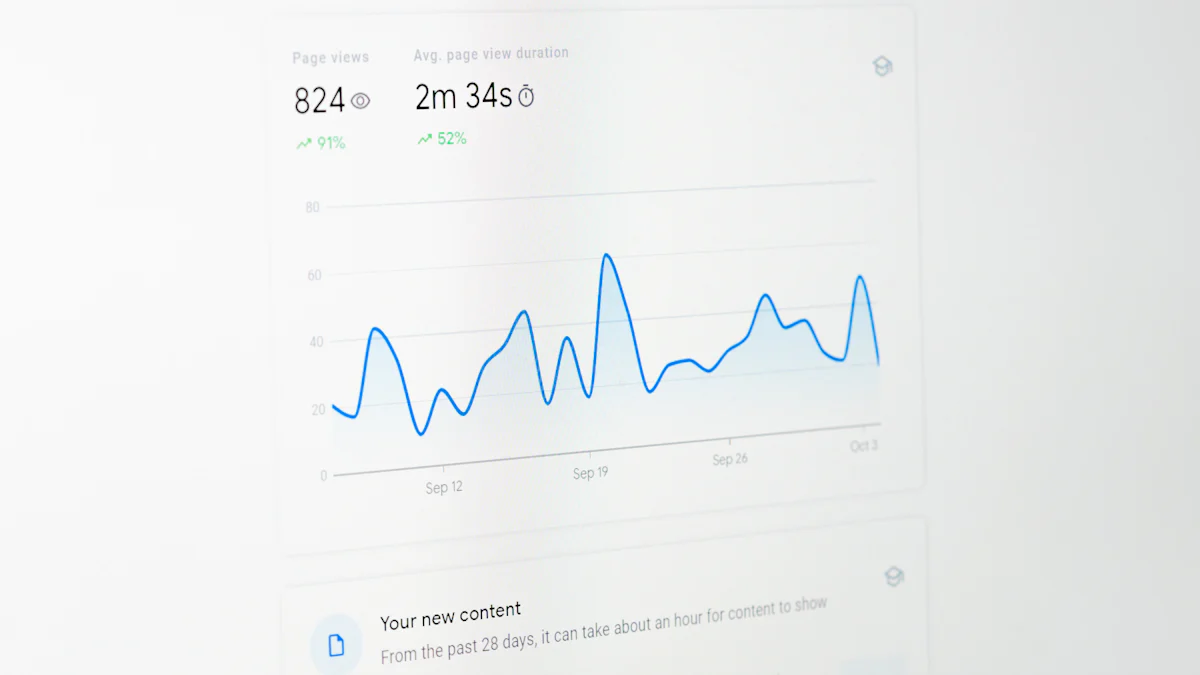
Search optimization analytics, also known as site search analytics, entails gathering and evaluating data from user searches on a website. This practice offers valuable insights into user behavior, preferences, and intentions. By utilizing this data, website owners can greatly improve their content strategy. Knowing the specific terms users are searching for enables website owners to customize their content to better meet user needs. The advantages of incorporating search optimization analytics encompass enhanced user experience, increased conversion rates, and improved overall website performance.
Understanding Site Search Analytics
What is Site Search Analytics?
Definition and Overview
Site search analytics involves collecting and analyzing data from user searches on a website. This practice provides insights into user behavior, preferences, and intentions. Tools like Zevi AI-powered site search engine and Google Analytics Site Search Report offer powerful real-time analytics platforms. These tools allow for the analysis of visitor searches along dimensions such as search queries, products, and visitors. By understanding what users are searching for, website owners can tailor their content to better meet user needs.
Key Metrics to Track
Several key metrics should be tracked in site search analytics:
- Search Queries: The terms users enter into the search bar.
- Search Frequency: How often users perform searches.
- Click-Through Rate (CTR): The percentage of search results that users click on.
- Zero Results Rate: The frequency of searches that return no results.
- Exit Rate: The percentage of users who leave the site after performing a search.
Why Site Search Analytics Matters
Enhancing User Experience
Site search analytics plays a crucial role in enhancing user experience. By analyzing search queries, website owners can understand what users are looking for and ensure that relevant content is easily accessible. AddSearch Analytics helps gain valuable insights into user search behavior, including the frequency of searches and search queries. Improving search functionality can lead to a more satisfying user experience.
Identifying Content Gaps
Identifying content gaps becomes easier with site search analytics. By tracking the zero results rate, website owners can pinpoint areas where content is lacking. Addressing these gaps ensures that users find the information they need. This process not only improves user satisfaction but also increases the likelihood of users returning to the site.
Improving Conversion Rates
Improving conversion rates is another significant benefit of site search analytics. When users find what they are looking for quickly and efficiently, they are more likely to complete desired actions, such as making a purchase or signing up for a newsletter. By leveraging tools like Google Analytics Site Search Report, website owners can optimize their content strategy to drive higher conversion rates.
Actionable Insights from Site Search Data
Analyzing Search Queries
Identifying Popular Search Terms
Search optimization analytics can identify the most popular search terms on a website. These terms reveal what users frequently look for, providing valuable insights into user interests. Tools like Google Analytics Site Search Report and AddSearch Analytics help track these search terms. Website owners can use this data to prioritize content that aligns with user interests. Popular search terms often indicate high-demand topics, which can guide content creation efforts.
Understanding User Intent
Understanding user intent is crucial for effective content strategy. Search optimization analytics can uncover the reasons behind user searches. For instance, users searching for "best laptops" likely seek product recommendations. By analyzing search queries, website owners can infer user needs and tailor content accordingly. This approach ensures that content resonates with users and meets their expectations. Tools like Zevi AI-powered site search engine provide detailed insights into user intent, enhancing content relevance.
Leveraging Search Data for Content Creation
Creating Content that Answers User Questions
Creating content that answers user questions enhances user satisfaction. Search optimization analytics reveal common queries and concerns. Website owners can develop content that directly addresses these questions. For example, frequent searches for "how to fix a leaky faucet" suggest a need for DIY repair guides. By producing such content, websites can attract and retain users. This strategy not only improves user experience but also boosts search engine rankings.
Optimizing Existing Content
Optimizing existing content involves refining it based on search data. Search optimization analytics highlight areas where current content falls short. For instance, a high zero results rate for specific queries indicates content gaps. Website owners can update or expand existing articles to cover these gaps. This process ensures that users find relevant information, reducing bounce rates. Tools like Google Analytics Site Search Report assist in identifying underperforming content. Regularly optimizing content keeps it fresh and valuable for users.
Practical Applications of Site Search Analytics
Enhancing On-Site Search Functionality
Implementing Autocomplete and Suggestions
Implementing autocomplete and suggestions can significantly enhance on-site search functionality. Autocomplete helps users by predicting search queries as they type, reducing the time needed to find information. This feature also minimizes spelling errors and improves the accuracy of search results. Suggestions provide users with related search terms, guiding them toward relevant content. Tools like Zevi AI-powered site search engine offer advanced autocomplete and suggestion capabilities, ensuring users find what they need quickly.
Improving Search Result Relevance
Improving search result relevance is crucial for user satisfaction. Relevant search results ensure users find accurate information, enhancing their overall experience. Site search analytics help website owners understand user behavior and preferences. By analyzing search data, website owners can refine search algorithms to deliver more precise results. Tools like AddSearch Analytics provide insights into search query performance, enabling continuous improvement. Optimizing search result relevance leads to higher user engagement and satisfaction.
Personalizing User Experience
Tailoring Content Recommendations
Tailoring content recommendations based on user behavior enhances personalization. Site search analytics reveal user interests and preferences through search queries. Website owners can use this data to recommend content that aligns with user needs. Personalized recommendations increase the likelihood of users engaging with the content. Tools like Google Analytics Site Search Report offer detailed insights into user behavior, helping website owners create targeted content strategies.
Dynamic Content Adjustments
Dynamic content adjustments involve modifying website content in real-time based on user interactions. Site search analytics provide valuable data on user behavior, enabling dynamic adjustments. For example, if users frequently search for a specific topic, website owners can highlight related content on the homepage. This approach ensures that content remains relevant and engaging for users. Tools like Zevi AI-powered site search engine support dynamic content adjustments, enhancing user experience and engagement.
Strategic Implications of Site Search Analytics
Aligning Content Strategy with User Needs
Data-Driven Content Planning
Site search analytics provide a wealth of data that can drive content planning. By analyzing search queries, website owners can identify what users are looking for. This data helps in creating content that meets user needs. For example, frequent searches for "how-to guides" indicate a demand for instructional content. Website owners can prioritize creating such content to satisfy user intent.
Key Metrics to Track:
- Search Queries: Identify common search terms.
- Zero Results Rate: Pinpoint gaps in existing content.
- Click-Through Rate (CTR): Measure the effectiveness of search results.
Data-driven content planning ensures that content aligns with user expectations. This approach leads to higher user engagement and satisfaction.
Prioritizing Content Development
Prioritizing content development becomes easier with site search analytics. By understanding what users search for, website owners can focus on high-demand topics. For instance, if many users search for "product reviews," creating detailed reviews should become a priority. This targeted approach ensures that resources are allocated efficiently.
Steps to Prioritize Content:
- Analyze search data to identify popular topics.
- Evaluate existing content to find gaps.
- Develop new content based on user demand.
Prioritizing content development based on user needs enhances the relevance and value of the website.
Future Trends in Site Search Analytics
AI and Machine Learning Integration
Artificial Intelligence (AI) and Machine Learning (ML) are transforming site search analytics. These technologies enable more accurate predictions of user behavior. AI-powered tools can analyze vast amounts of data quickly. This capability allows for real-time adjustments to content strategy.
Benefits of AI and ML:
- Enhanced Search Accuracy: AI improves the relevance of search results.
- Predictive Insights: ML algorithms can forecast future user trends.
- Personalization: AI tailors content recommendations based on user behavior.
Integrating AI and ML into site search analytics offers a competitive edge. These technologies make content strategies more adaptive and responsive.
Predictive Analytics for Content Strategy
Predictive analytics use historical data to forecast future trends. In site search analytics, this means predicting what users will search for next. Website owners can use these insights to stay ahead of user needs. For example, if data shows a rising interest in "sustainable products," content can be developed around this trend.
Applications of Predictive Analytics:
- Trend Identification: Spot emerging topics before they peak.
- Resource Allocation: Focus efforts on high-impact areas.
- User Retention: Anticipate user needs to keep them engaged.
Predictive analytics make content strategies proactive rather than reactive. This forward-thinking approach ensures that content remains relevant and engaging.
By aligning content strategy with user needs and leveraging future trends, website owners can unlock the full potential of site search analytics. This strategic approach not only enhances user experience but also drives better business outcomes.
The blog highlighted the critical role of site search analytics in optimizing content strategy. Integrating site search analytics into a content strategy enhances user experience, identifies content gaps, and improves conversion rates. Website owners should start leveraging site search data for content optimization. Analyzing search queries and user behavior provides actionable insights. These insights drive better business outcomes and ensure content remains relevant and engaging.
See Also
Maximizing Blog Site Success with Effective SEO Strategies
Discovering SEO Keyword Ideas: 10 Tools for Success
Customizing Startup Blog Content to Meet Audience Demands
Decoding SEO Writing: Unveiling the Magic Behind It
Achieving SEO Success: A Comprehensive Guide to Perplexity AI