Local SEO Content Ideas for Restaurants (2025)

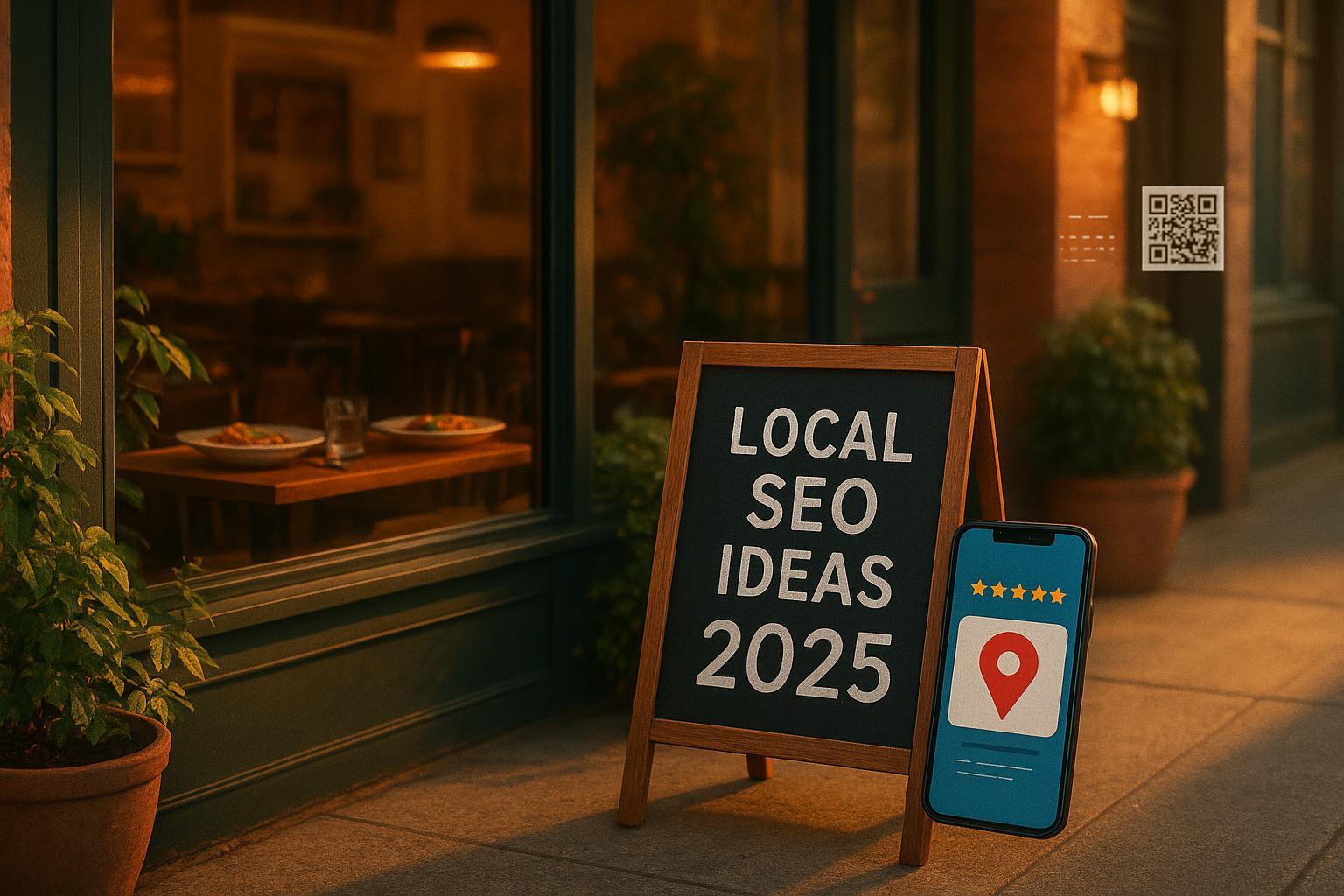
If you run a restaurant, local search is your digital front door. This 2025 playbook gives you practical, policy-safe content ideas you can ship this month—no fluff, no risky shortcuts. We’ll keep advice grounded in Google’s local ranking fundamentals of relevance, distance, and prominence (see Google’s official guidance: Tips to improve your local ranking on Google). Throughout, we’ll note compliance cues and how to measure impact.
Google Business Profile (GBP) Content Ideas
1) Weekly Posts for specials and events
Positioning: Fresh Posts keep your profile current and relevant to nearby diners. How to do it: Announce a limited-time dish, prix fixe, or live music; include a crisp photo and a call to book or order. Best for/not for: Great for dine-in and takeout; less impact if you rarely change your menu. Measure: GBP Insights—post views, website clicks, and calls. Compliance: Follow the Business Profile policies hub for acceptable content and media.
2) Seasonal photo refresh and ambiance gallery
Positioning: Recent, high-quality photos improve click-through and set expectations. How to do it: Capture exterior, interior at golden hour, hero dishes, bar, patio, and accessibility features. Best for/not for: Ideal for concept-driven venues; weaker if images are dark or heavily filtered. Measure: Photo views in GBP; watch website clicks and direction requests the week after a refresh. Compliance: Avoid stock photos; ensure images reflect the real experience (see GBP policies hub above).
3) Menu sync in GBP (with precise dish names)
Positioning: Exact dish names and categories help searchers match intent. How to do it: Update the menu within GBP; mirror categories from your site; align prices and availability. Best for/not for: Works for most cuisines; trickier if your menu rotates daily. Measure: Website clicks to menu and order pages; GSC impressions for dish queries. Compliance: Maintain accuracy; don’t list unavailable items.
4) Owner-answered FAQs in Q&A
Positioning: Preempt top questions (parking, gluten-free, wait times) to reduce friction. How to do it: Seed a few FAQs based on calls and staff feedback; provide concise, factual answers. Best for/not for: Helpful for busy dinner houses; less needed for small cafes with simple service. Measure: Monitor calls and messages about the covered topics. Compliance: Keep statements factual and respectful (reference the GBP policies hub above).
5) Attributes and services
Positioning: Structured attributes (outdoor seating, delivery, accessibility) improve relevance and filters. How to do it: In GBP, enable applicable attributes; align with onsite copy and actual operations. Best for/not for: Multi-service restaurants benefit most; skip anything you don’t truly offer. Measure: Track direction requests and bookings after attribute updates. Compliance: Attributes must reflect reality; misrepresentation risks enforcement.
6) Review response SOP and neutral review asks
Positioning: Consistent replies and non-incentivized requests improve trust and visibility. How to do it: Draft reply templates for positives, neutrals, and issues; train staff to ask all guests equally. Best for/not for: All restaurants; especially useful for new locations. Measure: Review volume and response time; watch calls and CTR. Compliance: Don’t incentivize or gate reviews; see GBP review guidance via the policies hub.
Policy-Safe On‑Site Local Pages & Content Hubs
Doorway pages are out—use unique, helpful local content. See Google’s policy on doorway pages.
7) Neighborhood page with real wayfinding and partnerships
Positioning: A true local guide makes your page useful and discoverable. How to do it: Include walking directions, nearby landmarks, parking tips, partner shoutouts, and an embedded map. Best for/not for: Great near venues or tourist areas; less needed in isolated locations. Measure: GSC impressions for “[cuisine] near [neighborhood]” and clicks to reservations.
8) Parking/transit mini-guides
Positioning: Solves a make-or-break question for urban guests. How to do it: Map lots, street hours, validation policies, rideshare drop-offs, and bike racks. Best for/not for: City centers; less critical in suburban plazas with ample parking. Measure: Time-on-page and direction requests from GBP.
9) Pre‑event dining guides (e.g., near stadium/theater)
Positioning: Capture pre-show traffic with timing tips and set menus. How to do it: Publish doors-open times, walking durations, quick-fire menu options, and reservation windows. Best for/not for: Venues with predictable schedules; less for late-night-only concepts. Measure: Reservations within two hours of event times; GSC queries with venue names.
10) Private dining/catering hub with unique menus
Positioning: High-intent searchers want capacity, layouts, and menu variations. How to do it: Add room photos, floor plans, minimums, AV, plated vs. family-style options, and inquiry form. Best for/not for: Restaurants with dedicated spaces; not for tiny counters. Measure: Form submissions and event bookings traced to the hub.
11) Events hub with individual event pages
Positioning: Each event deserves its own page for dates, menus, and booking cues. How to do it: Create detail pages interlinked from a hub; archive past events for topical depth. Best for/not for: Wine dinners, holidays, ticketed tastings. Measure: Event page views and conversion rates; annotate in analytics.
Events, Seasonal, and Community Content
12) Limited‑time menus tied to holidays or festivals
Positioning: Seasonal dishes earn attention and local mentions. How to do it: Publish menus early; cross-promote via GBP Posts and social; add clear reservation CTAs. Best for/not for: Holiday-heavy calendars; less for steady fixed menus. Measure: Reservations and order spikes during the promo window.
13) Chef’s table or pop‑up series
Positioning: Unique experiences prompt press and UGC. How to do it: Name the series, set a cadence, and offer a distinct set menu. Best for/not for: Chef-driven concepts; not for high-volume fast casual. Measure: Event sell-through and backlinks from coverage.
14) Collabs with local farms/breweries
Positioning: Co-created menus and pairings expand reach through partner audiences. How to do it: Build a landing page; feature producer stories and photos; link both ways (partners choose link attributes). Best for/not for: Community-oriented brands; less for chains with strict menus. Measure: Referral traffic from partners and co-branded events. Compliance: Avoid link schemes; partners should use appropriate rel attributes if compensation or sponsorship is involved.
15) Charity nights and neighborhood fundraisers
Positioning: Earn goodwill, local mentions, and event listings. How to do it: Publish the cause, contribution mechanics, and sign-up forms; recap with photos afterward. Best for/not for: Community-focused venues; not for brands that can’t accommodate variable flow. Measure: Mentions across local calendars and media; reservation lift on event nights.
UGC, Social, and Influencer Amplifiers
16) Branded hashtag + geotag challenge
Positioning: Encourage guests to post where others are already browsing. How to do it: Promote a simple photo theme; ask for geotags and your hashtag; request permission to reshare. Best for/not for: Visual cuisines and vibrant interiors; less for delivery-only. Measure: Hashtag volume, profile taps, and UGC reuse approvals.
17) Photo spot or booth with permission signage
Positioning: A designed backdrop fuels organic photos. How to do it: Add discreet signage with your handle and hashtag plus a permission note. Best for/not for: Casual to mid-tier concepts; overkill for fine dining. Measure: UGC volume and GBP photo views.
18) Micro‑influencer tastings with clear disclosures
Positioning: Credible local voices can spark discovery when done transparently. How to do it: Invite small creators; agree on deliverables; ensure disclosures. Best for/not for: Launches and seasonal menus; less for everyday promos. Measure: Reach, saves, and reservations within 72 hours. Compliance: Follow the FTC’s guidance on endorsements and disclosures: Endorsements, influencers, and reviews.
19) Staff spotlight short videos
Positioning: People buy stories; a 30–45s reel introduces your team and craft. How to do it: Film prep, plating, or mixology with captions and on-screen text. Best for/not for: Hospitality-forward brands; less for dark, loud environments. Measure: View-through rate and profile actions after posts.
20) “Dish of the week” Reels/Shorts
Positioning: Focused, snackable content that aligns with dish searches. How to do it: Use clear naming, close-up b-roll, and a simple CTA to book. Best for/not for: Menu-variety concepts; less for single-item shops. Measure: GSC impressions for dish terms; order or reservation clicks from bio/links.
Local PR, Links, and Partnerships
21) Seasonal press kit
Positioning: Make coverage easy for journalists and bloggers. How to do it: Host a downloadable kit with logo files, chef bios, quotes, dish photos, and menu PDFs. Best for/not for: Any restaurant planning events or launches. Measure: Media pickups and referral traffic from articles. Compliance: For any paid placements, ensure proper link qualification by publishers.
22) Event calendar submissions
Positioning: Earn listings and map mentions on local sites. How to do it: Submit your events to chambers, tourism boards, neighborhood blogs, and venue calendars. Best for/not for: Restaurants offering frequent happenings. Measure: Referral traffic and brand search volume around event dates.
23) Venue/attraction partnership landing pages
Positioning: Capture spillover traffic from concerts, museums, or ballparks. How to do it: Build co-branded pages with pre- or post-visit menus and directions. Best for/not for: Locations near major attractions. Measure: GSC queries combining your name and the venue’s.
24) Culinary class or workshop series
Positioning: Hands-on classes draw links, UGC, and repeat visits. How to do it: Offer pasta-making, mixology, or coffee cupping; publish dates and booking links. Best for/not for: Space-rich venues; not for tiny kitchens. Measure: Class bookings and mentions from local media.
Technical & Structured Data (SERP Visibility)
25) LocalBusiness/Restaurant schema with accurate NAP/hours
Positioning: Help Search understand your business and surface key info. How to do it: Add JSON-LD with name, address, phone, hours, and sameAs profiles. Best for/not for: All restaurants. Measure: Rich result impressions and brand query CTR. Evidence: See Google’s guidance on LocalBusiness structured data.
26) Menu structured data for dish discoverability
Positioning: Structured menu data supports clearer understanding of your offerings. How to do it: Mark up sections, dishes, and descriptions; keep it synchronized with on-page content. Best for/not for: Restaurants with stable menus. Measure: GSC impressions for dish queries and menu page CTR. Evidence: Google’s documentation for Menu structured data.
27) Event structured data for tastings and holidays
Positioning: Eligible events can enhance visibility and context for special nights. How to do it: Mark up event name, startDate, location, and offers; ensure dates and times are exact. Best for/not for: Wine dinners, pop-ups, holiday menus. Measure: Event page impressions and bookings traced to organic. Evidence: Google’s documentation for Event structured data.
28) Review snippet eligibility (no self‑serving markup)
Positioning: When allowed, third-party reviews may support rich results. How to do it: Follow Google’s rules; avoid marking up self-serving reviews. Best for/not for: Sites that publish editorial reviews. Measure: Rich result appearances for review-eligible pages. Evidence: Review Snippet rules are covered in Google’s Review snippet structured data guidelines.
Accessibility & Compliance (2025 Must‑Dos)
29) Accessible menus and PDFs
Positioning: Accessibility is good business and reduces legal risk. How to do it: Prefer HTML menus; ensure sufficient contrast, alt text for images, readable PDFs, and descriptive links. Best for/not for: All restaurants. Measure: Lower bounce on menu pages; positive feedback; reduced support calls. Evidence: DOJ guidance on web accessibility: ADA.gov web guidance.
30) Keyboard‑friendly reservation and order flows
Positioning: Guests using assistive tech should complete tasks without friction. How to do it: Test tab order, focus states, labels, and error messaging; work with your vendor to fix issues. Best for/not for: All restaurants, especially those with heavy online ordering. Measure: Completion rates for bookings/orders; drop-off analysis by step.
31) Clear review policy and moderation playbook
Positioning: Transparent handling of reviews protects trust and discoverability. How to do it: Publish a short policy (no incentives, fair asks); train staff on when and how to request reviews. Best for/not for: Multi-location teams; also helpful for single locations. Measure: Review growth rate and response quality. Compliance: Align with GBP review policies via the policies hub and general truth-in-advertising standards.
Advanced, 2025‑Aware Plays
32) AI/voice‑friendly content
Positioning: Concise, factual answers and clean structure can help with voice assistants and AI features. How to do it: Add short FAQs, keep NAP/hours/menu consistent across pages, and ensure schema is valid. Best for/not for: All restaurants. Measure: GSC impressions for “near me” and “[dish] near me”; monitor branded query CTR. Evidence: Learn how your content may appear with AI features in Search in Google’s page for site owners: AI features and your website.
Quick compliance checkpoints
| Area | What to verify | Where to learn more |
|---|---|---|
| GBP content & media | Accurate hours, real photos, policy-safe Posts | Business Profile policies hub |
| On-site local pages | Unique value; avoid thin, repetitive “near me” clones | Doorway pages policy |
| Structured data | Valid JSON-LD; no self-serving review markup | LocalBusiness structured data; Menu structured data; Review snippet guidelines |
| Menus | On-page menus match GBP; structured data where stable | Menu structured data |
| Accessibility | Contrast, alt text, keyboard flows, readable PDFs | ADA.gov web guidance |
| Influencers/UGC | Clear disclosures; no incentives for reviews | FTC endorsements guidance |
How to prioritize this month
- Week 1: Refresh GBP photos; publish two Posts; align attributes; write three owner-answered FAQs.
- Week 2: Ship one neighborhood page and a parking mini-guide; validate LocalBusiness and Menu schema.
- Week 3: Announce a limited-time menu; pitch two local calendars; assemble a seasonal press kit.
- Week 4: Launch a branded hashtag prompt and one staff spotlight video; audit reservations/ordering for accessibility issues and fix the top three.
Measure like a pro: Track calls, directions, website clicks in GBP; monitor GSC impressions/CTR for “[cuisine] near me” and priority dishes; annotate each change in analytics; tie reservations/orders to specific content updates. Keep it honest, useful, and local—and diners will find you.