Why Hollywood talent agencies are opting out of AI video tools like Sora—and what it means for creators (2025)

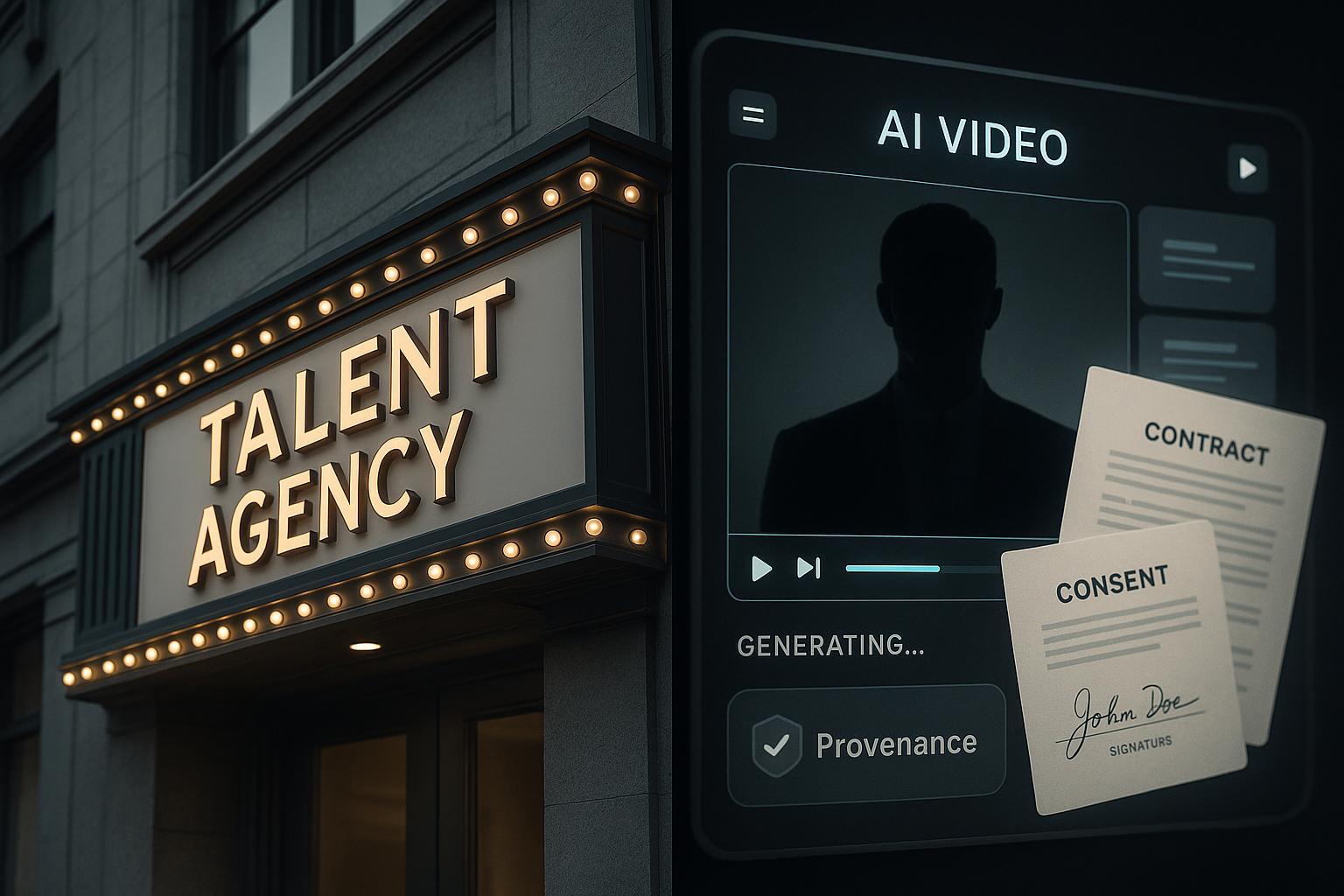
As of October 7, 2025, Hollywood’s relationship with text‑to‑video AI sits at a critical inflection point. Reports indicate that WME has told OpenAI to opt all clients out of the latest Sora update—a move framed as a consent‑first stance for artist likeness rights, according to the Los Angeles Times’ October 6 coverage in “WME opts clients out of Sora update”. At the same time, unions have codified AI clauses emphasizing consent and compensation for digital replicas, and the Motion Picture Association is pressing OpenAI for stronger copyright controls.
This isn’t just a Hollywood story. For creators, marketers, and post teams using AI video, the guardrails are quickly solidifying: documented consent, provenance, and platform disclosures are becoming table stakes. Below is a pragmatic guide to what’s confirmed, what’s still evolving, and how to adapt your workflow now—without derailing creative momentum.
What’s confirmed vs. what’s still evolving
- Confirmed policy direction from unions and studios: SAG‑AFTRA’s agreements emphasize informed consent and fair compensation for digital replicas; consult the union’s official portal as the primary reference hub (see SAG‑AFTRA’s site) and law‑firm analyses like DLA Piper’s 2025 overview of the SAG‑AFTRA Commercials MOAs for clause summaries.
- Writers’ protections: The WGA has made clear that AI can’t receive writing credit and writers can’t be compelled to use AI; see the WGA‑ABC National Agreement MOA (2025) sideletter on Generative AI for primary language.
- Sora 2’s safeguards and provenance: OpenAI states that Sora 2 adds provenance signals and policy guardrails aimed at preventing non‑consensual likeness uses; review the OpenAI Sora 2 System Card for details in OpenAI’s own words.
- Reported, still evolving: The WME “opt‑out” status comes via LA Times reporting, not an official WME press release; treat it as reported but not yet an industry‑wide policy. The Motion Picture Association’s push for tighter controls is covered by Variety’s report on MPA criticism of Sora 2; specific enforcement mechanisms are still emerging.
Why this matters: Whether you’re a solo creator or a brand marketer, the burden is shifting toward consent‑first creative processes and meticulous documentation. Using AI “like any other stock tool” is no longer safe or realistic.
Why agencies and unions are drawing a line
Agencies represent clients whose likeness, voice, and persona are core assets. Unions represent performers’ livelihood and negotiating power. Both are responding to a few converging forces:
- Likeness rights and consent: Without explicit, documented consent, AI‑generated imagery that resembles a real person (or uses a digital replica of a performer) exposes producers to legal and reputational risk. Union frameworks push for project‑specific consent and compensation structures rooted in human‑performance norms.
- Copyright and brand IP: Studios and rights holders want to curb synthetic content that appropriates characters and shows. Expect heightened scrutiny of prompts, references, and outputs that evoke recognizable IP.
- Audience trust: The recent “AI actor” flashpoint showed how quickly public sentiment can turn. In early October, coverage of the Tilly Norwood controversy underscored cultural backlash risks; see the Los Angeles Times’ explainer on why actors were outraged at the ‘AI character’ Tilly Norwood (Oct 2025). Brands and creators don’t want to be the next case study in eroding trust.
Bottom line: For the near term, AI video is safest for previsualization, environment plates, and abstract or non‑identifiable characters—while human‑led performance remains central to trust and long‑term brand equity.
Risk & Compliance essentials (read this before you hit “render”)
- Consent and digital replicas: For any identifiable likeness or voice, capture informed, written consent that specifies scope, duration, territories, media, and AI uses. Union contracts and legal analyses reinforce these principles; see DLA Piper’s 2025 Commercials MOA summary.
- Compensation and reuse: If a digital replica or synthetic performance is used, budget compensation commensurate with human performance, and set expectations for reuse and re‑engagement.
- Provenance and audit trails: Preserve generation logs, settings, and provenance signals. OpenAI describes provenance in the Sora 2 System Card; keep that metadata intact through your pipeline.
- Platform disclosures: YouTube is rolling out stricter disclosure labeling and monetization enforcement for realistic synthetic content, as reported by TechCrunch’s July 2025 policy update coverage. Verify current rules in the Help Center before publishing.
- Ethical guardrails: Avoid look‑alike casting via AI; avoid prompts that evoke living performers without consent; document review decisions. For a pragmatic framework, see our guide on Ensuring Ethical AI in AIGC Processes.
A rights‑by‑design workflow you can implement this week
Use AI video where risk is lowest, and design your process around consent, provenance, and platform compliance. Here’s a practical, production‑friendly sequence:
- Pre‑production: scope and prompts
- Identify risk zones: Will any character resemble a real person? Are you referencing recognisable IP? If yes, pause and secure rights.
- Draft consent needs: If you plan a digital replica or stylized likeness, prepare a clear release with scope, duration, territories, media, and AI uses spelled out.
- Legal and approvals
- Secure performer approvals and releases where relevant; route through legal for commercial campaigns.
- If you employ writers, ensure they’re not compelled to use AI and that credits aren’t impacted, consistent with the WGA‑ABC MOA’s AI sideletter.
- Generation and provenance
- Configure Sora or other tools to preserve provenance signals; keep generation logs and version notes aligned with your script and asset list, referencing OpenAI’s guidance in the Sora 2 System Card.
- Avoid prompts that could trigger look‑alike likeness issues or recognizable IP.
- Review and clearance
- Run a rights clearance checklist before edit/finish: likeness consent on file? IP references cleared? Platform disclosures prepped?
- If synthetic realism is high, include on‑screen or description‑level disclosures to match platform expectations.
- Publish and archive
- Ensure labels and disclosures are set at upload (e.g., YouTube’s realistic synthetic content flags). Retain a master archive of releases, logs, and final cuts with embedded provenance.
Practical tool use example
- Many teams coordinate these steps in project management suites or docs. For blog and campaign assets accompanying AI video, platforms like QuickCreator can be used to centralize disclosure copy, attach consent checklist templates to briefs, and publish policy‑compliant posts alongside your videos. Disclosure: QuickCreator is our product.
- If you need a tactical walkthrough for building such flows into your publishing, see our Step‑by‑Step Guide to Using QuickCreator for AI Content.
Lessons from the Tilly Norwood backlash (and why marketers should care)
The Tilly Norwood “AI actor” moment became a cultural lightning rod because it collided with labor anxiety, consent gray areas, and authenticity expectations. The Los Angeles Times’ October 2025 coverage of industry reactions provides a useful cautionary lens: audiences and artists perceived a replacement narrative, not augmentation. For marketers, the lesson is straightforward: be explicit about intent, safeguard consent, and keep human talent visibly in the loop—especially when realism climbs.
What to watch next
- Agency formalizations: If more agencies publish explicit AI usage policies or opt‑out mechanisms (watch the trades), expect downstream impacts on casting, licensing costs, and turnaround times.
- MPA–OpenAI negotiation outcomes: Variety reported the MPA’s criticism of Sora 2; watch for concrete “rights‑holder controls” and licensed character/footage pathways that may emerge from those talks.
- Sora updates: OpenAI’s blog/System Card pages will be the canonical sources for changes in provenance, likeness controls, and opt‑in/opt‑out models.
- Platform enforcement: YouTube’s disclosure and monetization changes are tightening; plan for stricter labeling and possible demonetization if you under‑disclose.
FAQs creators are asking right now
- Can I commercially use Sora outputs? Yes, but only after clearing likeness rights and IP issues, and with platform disclosures. Maintain provenance and logs to defend originality and consent.
- Are “generic” characters always safe? Not necessarily. A “composite” that evokes a real, living person could still trigger likeness concerns. When in doubt, redesign the character or secure consent.
- How should I credit writers and performers? Follow union and contract rules; AI shouldn’t receive writing credit, and digital replicas should be compensated and disclosed.
Internal resources to go deeper
- Platform policies and labels: If you publish on YouTube, review our quick guide to AI‑Generated Content on YouTube for practical setup and disclosure steps.
- Workflow maturity: For a bigger‑picture process that blends human creativity with AI responsibly, see Best Practices for Content Workflows That Win with Humans and AI (2025).
A measured path forward
Treat AI video as a powerful assistant—not a shortcut around rights and relationships. Keep humans front‑and‑center in creative and performance roles; deploy AI for previsualization, mood films, environments, and abstract sequences; and run a consent‑first, provenance‑rich pipeline for anything realistic.
If you’re formalizing this approach for a content program, you can also use QuickCreator to publish transparent campaign pages, host disclosures, and version policy language as rules evolve. Keep it neutral, documented, and human‑led.
Updates
- Oct 7, 2025: Added LA Times reporting on WME’s Sora opt‑out stance; incorporated Variety coverage of MPA’s Sora 2 criticism; aligned workflow with OpenAI Sora 2 System Card. Will update upon trade‑press confirmation of additional agency policies and direct YouTube Help Center links for disclosure enforcement.