GEO Optimization for E‑commerce: A 2025 Best‑Practice Playbook

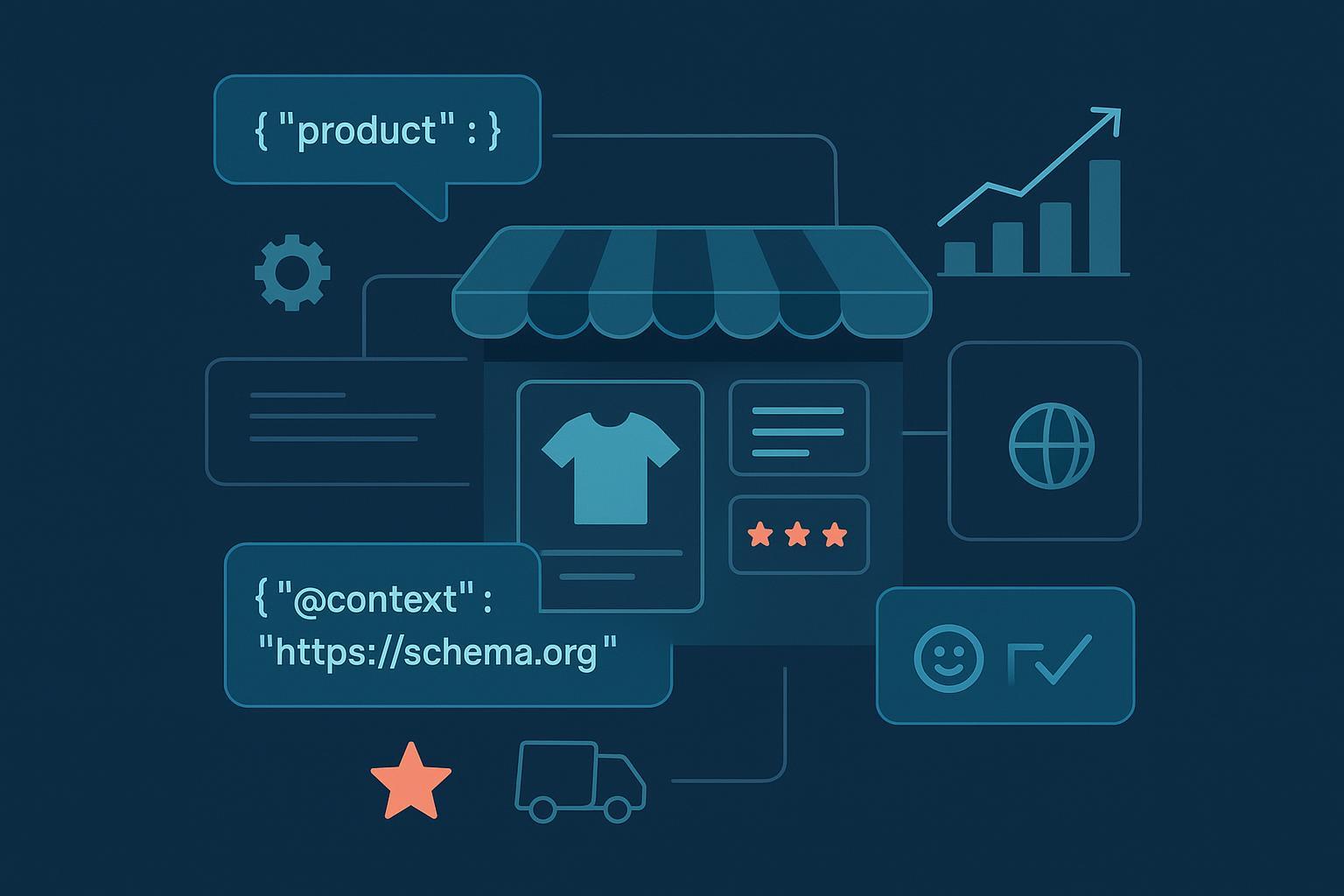
Shoppers now ask AI assistants to “find the best 4K TV under $600 with low input lag” or “compare Hoka vs. Brooks for flat feet.” Here’s the deal: if your catalog, content, and signals aren’t AI‑ready, those assistants will cite someone else. GEO—generative engine optimization—is how e‑commerce brands earn selection and citations inside AI answers, not just blue links. BigCommerce’s 2025 overview frames GEO as optimizing for AI selection and summarization rather than rank alone, a shift every retailer needs to understand and operationalize (BigCommerce, 2025).
What GEO changes (and what it doesn’t)
GEO doesn’t replace SEO fundamentals—crawlability, speed, and information architecture still matter. What changes is the target and the packaging: you’re optimizing entities, structured data, and answer‑first content so AI systems can unambiguously extract, summarize, and attribute your information.
| Focus area | Traditional SEO goal | GEO goal in 2025 |
|---|---|---|
| Discovery | Rank a URL for a keyword | Be selected as a trusted source to cite in AI answers |
| Content form | Long pages, keyword coverage | Answer‑first blocks, comparisons, specs, pros/cons |
| Data layer | Optional structured data | Rigorous Product/Offer/Review + org/returns schema |
| Freshness | Periodic updates | Near‑real‑time parity of price, availability, policies |
| Measurement | Organic sessions/CTR | AI citations, assisted traffic, AI‑sourced revenue |
The tactical implication: make your pages machine‑readable and answer‑ready, then measure whether you’re actually being cited.
A phased GEO workflow you can run this quarter
Start with a short, repeatable sprint and expand. Think of it like tuning your product feed and content for a new high‑visibility channel.
- Audit: Inventory your top categories and products by revenue and margin. Identify gaps in Product/Offer schema, review markup, shipping/returns visibility, and whether content answers the obvious questions a shopper or assistant would ask.
- Map entities and data: Standardize names, brands, GTIN/MPN, key attributes, and compatibility terms. Align your PIM, site templates, and Merchant Center feed so attributes map cleanly to schema.org properties.
- Implement and validate: Ship JSON‑LD at scale; verify with the Rich Results Test and Search Console. Ensure Offer price, currency, and availability match the visible page and feed.
- Test and measure: Prompt test on AI platforms (query your category head terms and comparison questions), log whether you’re cited, and capture traffic/conversion from AI sources where analytics can classify them.
- Scale and govern: Turn fixes into templates; automate parity checks between feed and page; schedule prompt‑based QA and a monthly review of AI visibility.
Structured data that earns selection
For e‑commerce, structured data is your source‑of‑truth layer for AI systems. Use JSON‑LD and keep it consistent with what users can see.
-
Product and Offer: Include name, image, description, brand, identifiers (gtin, mpn), and a nested Offer for price, priceCurrency, availability, and url. Google’s Product structured data documentation remains the canonical reference and details required/recommended properties and validation steps (Google Developers: Product structured data, 2025).
-
Reviews and ratings: Mark up Review and AggregateRating tied to the specific Product. Follow Google’s policies for review snippets—authenticity and clear association matter; there’s no official “minimum number” guarantee in the docs (Google Review snippet docs).
-
Shipping and returns: In 2024–2025, Google expanded how merchants communicate these policies. You can configure shipping and returns in Search Console or add structured data like MerchantReturnPolicy at the Organization or Product level. Google’s 2025 update outlines “more ways to share” these signals—use them to reduce ambiguity for AI and shoppers (Google Search Central, Nov 12, 2025).
-
Validation and parity: Validate with the Rich Results Test; monitor Search Console for issues. Keep schema values synchronized with what’s rendered and what your feed reports; discrepancies can undermine eligibility and trust.
AI‑friendly content patterns for product and category pages
Think like an assistant summarizing the page. If your content already answers the query in tight, skimmable blocks, you’re easier to cite.
-
Answer‑first intros on category pages: Lead with a 2–3 sentence summary that clarifies who the category is for, top use cases, and the main decision criteria. Then include a concise “best for…” matrix in prose, not fluff.
-
Comparison and compatibility cues: For high‑consideration buys, include a clear comparison section (A vs. B) with spec differences and pros/cons in sentences, not just tables. Add compatibility notes (e.g., “works with XYZ sockets/filters”), and reflect these attributes in schema.
-
Spec clarity on product pages: Summarize specs and standout benefits in a short block before the full description. Use sensory, concrete phrasing: “matte display that cuts glare,” “detachable hose for tight spaces.”
-
Visuals and alt text: Provide descriptive alt text and captions that reinforce key attributes. Short demo clips or step images help multimodal AI understand and convey use cases.
FAQ and HowTo? Don’t rely on them for visibility—Google restricted FAQ rich results and deprecated HowTo rich results in 2025. Keep Q&A sections if they genuinely help users, but the lift will come from Product/Offer/Review and fulfillment signals.
Freshness at scale: feeds, inventory, and policy signals
AI systems and Google’s shopping surfaces reward consistency and currency. Stale or conflicting data can suppress eligibility.
-
Synchronize PIM → site → Merchant Center so price and availability change within minutes, not days. Treat Offer in JSON‑LD as a live mirror of your feed.
-
Publish shipping and return policies both in Search Console configuration and as structured data where appropriate, ensuring parity with on‑site pages. Google’s updates since 2024 make these signals more accessible for crawling and display (Search Central update, 2025).
-
Log file and feed monitoring: Watch for crawl errors on key product and category templates; monitor Merchant Center diagnostics for mismatches and policy issues.
Reviews, UGC, and trust in 2025
Authentic reviews are still a decisive trust and selection factor. Thin, duplicated, or incentivized content without disclosure can hurt.
Encourage buyers to share specifics—what they used the product for, measurements, photos. Associate reviews with the correct Product in schema, and avoid gating or review suppression. Google’s broader “helpful content” and “reviews” systems emphasize originality and evidence. Follow the Review snippet documentation and keep Seller Ratings policies in mind for ads environments. When incentives exist, follow the FTC’s Endorsement Guides and clearly disclose relationships.
Measurement: tracking AI citations and revenue
If you can’t measure it, you can’t improve it. In 2025, several vendors offer “AI visibility” tracking that detects citations and mentions across AI Overviews and assistants.
-
Define KPIs: citation count and share by platform, assisted sessions and revenue from AI sources, time to reflect price/stock changes in AI answers, and accuracy error rate (hallucinations per 100 queries).
-
Tooling: Semrush’s AI Visibility Toolkit provides definitions and dashboards for citations, platform coverage, and competitive benchmarking, plus a free checker for quick scans (Semrush knowledge base). Pair this with your analytics platform to tag and report AI‑sourced traffic and conversions.
-
Market context: Adobe Analytics reported a more than 1,200% jump in generative‑AI‑sourced traffic to U.S. retail sites between July and October 2024, signaling that this channel is material and growing—validate its impact in your data before forecasting (Adobe Analytics, Mar 17, 2025).
-
Prompt‑based QA: Maintain a living set of queries for each category (“best for”, “compare X vs. Y”, “is it compatible with…?”). Test monthly across Google AI Overviews/Copilot/Perplexity and log whether you’re cited and how your content is summarized. Fix mismatches at the source: schema, copy, or feed.
Internationalization and multi‑region catalogs
International GEO wins depend on clean localization and governance.
Localize URLs and content per market and implement reciprocal hreflang annotations (use ISO language/region codes and add x‑default where needed). Ensure that localized shipping/returns, pricing, and availability are consistent across on‑page content, structured data, and feeds. Google’s hreflang guidance remains the playbook; common pitfalls include broken reciprocity and mixing language/region codes. Validate with the Rich Results Test and inspect URLs in Search Console’s tools for proper recognition.
Risk management: hallucinations, misattributions, and brand safety
Even with clean data, assistants can summarize incorrectly. What then?
Set up monitoring for misquotes or outdated price/stock callouts within AI answers. Keep an incident log with the exact prompt, timestamp, captured answer, and the correct source of truth. Update your page/feed if you find ambiguity; then retest and, if needed, use platform feedback channels. Where a serious error could harm consumers (e.g., safety claims), post a visible clarification on the relevant page and request expedited corrections via official forms. For marketplace scenarios, ensure your Amazon detail pages and brand store also reflect the latest specs; Amazon’s Rufus assistant draws from product pages, reviews, and community Q&A, so completeness there improves answers on‑platform (About Amazon: Rufus explainer).
A 90‑day GEO sprint plan
Week 1–2: Audit top 20 SKUs/categories, map entities and attributes, and prioritize fixes. Stand up a prompt‑based QA sheet.
Week 3–6: Implement Product/Offer/Review schema templates, add MerchantReturnPolicy, and enforce feed/page parity. Validate at scale.
Week 7–10: Ship answer‑first content blocks on key categories and high‑consideration product pages. Add comparison and compatibility sections where they’re missing.
Week 11–13: Launch AI visibility reporting, instrument AI‑sourced traffic in analytics, and run a remediation loop on misattributions. Socialize results and codify governance.
Final word
GEO is now part of core e‑commerce operations, not an experiment. Make your pages answer‑ready, keep data in lockstep with your feed, publish fulfillment signals, and measure citations like a channel. Then iterate. If you’re wondering where to start, pick one category, run the 90‑day plan, and let the results guide your roadmap.