25 Content Marketing Ideas for Local Businesses in 2025

·November 21, 2025
·10 min read
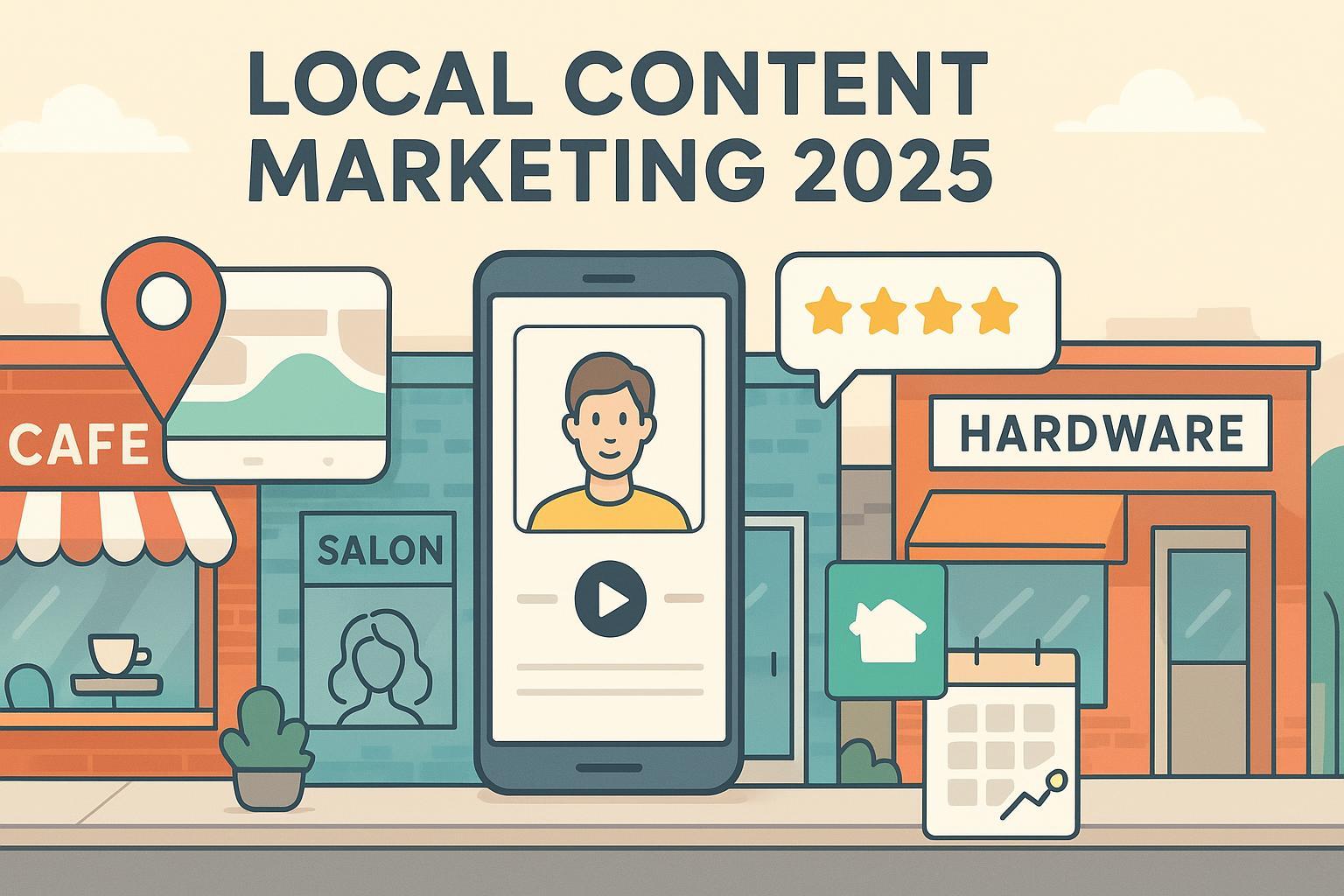
If you run a local shop, clinic, restaurant, or home service, you don’t need more theory—you need content ideas that bring in calls, bookings, and foot traffic. Here’s a practical, 2025-ready list built for small teams with tight budgets. We chose ideas based on local SEO impact, effort-to-impact ratio, recency of evidence, cost efficiency, and how easy they are to measure.
Google Business Profile (GBP) & Local SEO Content
1) Post weekly offers or event updates on GBP
- Why it works: Fresh, relevant posts give searchers a reason to click, call, or get directions from your profile.
- Best for: Restaurants, salons, clinics, retailers with promos or events. Not for: Businesses with no updates for months.
- Steps to try:
- Draft one weekly Offer or Event Post with a clear CTA button.
- Add a photo/video and link with UTM parameters for tracking.
- Rotate themes: limited-time promo, seasonal service, workshop.
- Respond to comments/messages and archive expired posts.
- Time/cost: 30–45 minutes/week; $0–$50 creative.
- Evidence: See Google’s policies for Business Profiles and how Posts work in official help resources.
- Metrics to watch: Post views/clicks in GBP Performance; calls, website clicks, direction requests.
2) Refresh Products & Services on GBP
- Why it works: Accurate menus, products, and services reinforce relevance and help customers choose faster.
- Best for: Retailers, salons, clinics, home services. Not for: One-off/seasonal items only.
- Steps to try:
- In Edit profile, update Products and Services with clear names and prices/ranges.
- Use specific categories and attributes.
- If prompted, manage products via Merchant Center for broader visibility.
- Time/cost: 60–90 minutes quarterly; $0.
- Evidence: Google’s official documentation explains product management and Merchant Center connections.
- Metrics to watch: Website clicks from profile, calls, product views.
3) Seed and answer GBP Q&A
- Why it works: Common questions reduce friction (parking, pricing, insurance). You can ask and answer from your owner account.
- Best for: Clinics, services, attractions. Not for: Businesses that can’t monitor regularly.
- Steps to try:
- Add top 5 real questions customers ask by phone or at the counter.
- Answer clearly with hours, policies, and booking links.
- Check weekly and flag policy-violating content.
- Time/cost: 30 minutes to set up, 10 minutes/week; $0.
- Evidence: BrightLocal’s authoritative explainers cover Business Profile Q&A; align with Google’s content policies.
- Metrics to watch: Fewer repetitive calls; more website clicks and bookings.
4) Add fresh photos and short videos monthly
- Why it works: Authentic visuals boost engagement and help set accurate expectations.
- Best for: Any local business. Not for: Stock-photo-heavy brands.
- Steps to try:
- Shoot 8–10 new photos and 2–3 short clips (storefront, team, product).
- Keep videos under ~30 seconds with clear, steady framing.
- Match current season and staff so visuals don’t feel outdated.
- Time/cost: 60 minutes/month; $0–$100 lighting/props.
- Evidence: Follow Google’s Business Profile content policies; short‑video engagement benchmarks favor sub‑60s clips in 2025 studies.
- Metrics to watch: Photo/video views in GBP, profile actions (calls, directions).
5) Build localized service-area landing pages
- Why it works: Pages targeting neighborhoods or nearby cities support relevance and attract organic traffic.
- Best for: Home services, clinics, multi-location retailers. Not for: Single-location with narrow radius and low demand.
- Steps to try:
- Create pages for “Service + Neighborhood/City” with unique copy and proof (photos, reviews, map).
- Link from your homepage and GBP website button.
- Add internal links to primary service pages.
- Time/cost: 2–4 hours/page; $0–$300 writing/design.
- Evidence: Google’s local ranking framework (relevance, distance, prominence) and respected guides confirm localized content supports visibility.
- Metrics to watch: Local pack impressions, organic clicks, calls from page.
6) Create seasonal/event hubs that tie to GBP
- Why it works: Consolidates timely info (holiday hours, promos, local events) and feeds content for Posts and email.
- Best for: Retailers, restaurants, attractions. Not for: Businesses with static, unchanging offers.
- Steps to try:
- Publish a landing page for each major season/holiday.
- Embed a map, booking links, and FAQ.
- Cross-post highlights in GBP Posts and social.
- Time/cost: 2–3 hours/season; $0–$200 creative.
- Evidence: Timely, locally useful content supports relevance and engagement in established local SEO frameworks.
- Metrics to watch: Page visits, Post clicks, direction requests.
7) Publish a concise local FAQ that mirrors GBP Q&A
- Why it works: Aligns on-site answers with what appears on your profile; reduces call volume.
- Best for: Clinics, regulated services, complex bookings. Not for: Simple, walk-in-only offers.
- Steps to try:
- Gather recurring questions from staff.
- Write tight answers (2–4 sentences) with clear next steps.
- Link to this page from your GBP website button during peak seasons.
- Time/cost: 60–90 minutes; $0.
- Evidence: Practitioner resources outline Q&A best practices; follow Google’s published policies.
- Metrics to watch: Fewer repetitive inquiries; higher booking completion rate.
Short-Form Video & UGC
8) Launch a three‑pillar weekly video series (FAQ, BTS, Community)
- Why it works: Consistency builds audience; short videos dominate attention and ROI in 2025.
- Best for: Most SMBs with a smartphone. Not for: Heavily regulated topics without review.
- Steps to try:
- Record three 30–60s videos each week: one FAQ, one behind-the-scenes, one community shout-out.
- Add captions and location cues; post to Reels/TikTok/Shorts.
- Save the best clip to your GBP Photos.
- Time/cost: 90 minutes/week; $0–$100 accessories.
- Evidence: Multiple 2025 industry reports show short‑form video leading in engagement and ROI.
- Metrics to watch: Views, saves/shares, profile visits, coupon redemptions.
9) Staff spotlights and day‑in‑the‑life
- Why it works: Human faces build trust and lift engagement.
- Best for: Salons, gyms, clinics, restaurants. Not for: Anonymous brands.
- Steps to try:
- Introduce one team member per week in a 45–60s video.
- Add one tip or recommendation tied to your service.
- Pin your top spotlight to social profiles.
- Time/cost: 45 minutes/week; $0.
- Evidence: Short‑form engagement benchmarks consistently favor personable, human content.
- Metrics to watch: View-through rate, comments, bookings mentioning staff.
10) Remix customer stories (with permission)
- Why it works: User-generated content (UGC) is persuasive; real outcomes reduce perceived risk.
- Best for: Services and clinics with visible results, retailers with fan photos. Not for: Sensitive cases without consent.
- Steps to try:
- Ask customers for permission to reshare their photo/video.
- Edit into a 30–60s before/after or testimonial.
- Add on-screen text with location and CTA.
- Time/cost: 60 minutes/story; $0–$50 editing app.
- Evidence: 2025 consumer research shows people still rely on Google reviews and scrutinize authenticity—mirror that standard for UGC.
- Metrics to watch: Saves, shares, click-throughs, redemption rate.
11) Educational how‑to shorts with local hooks
- Why it works: Teaches first, sells second; matches “helpful content” expectations.
- Best for: Home services, clinics, specialty retail. Not for: Purely transactional brands.
- Steps to try:
- Make 3–5 quick tips per month tied to your niche and season.
- Reference neighborhood names or local weather context.
- End with “DM us for a free checklist” and deliver via email.
- Time/cost: 60–90 minutes/month; $0.
- Evidence: Industry trends recommend keeping educational shorts tight (sub‑60s) and locally relevant.
- Metrics to watch: Saves, replies/DMs, email sign-ups.
12) Offer/coupon reveals with trackable codes
- Why it works: Simple incentive with clear attribution; great for slow days.
- Best for: Restaurants, retail, fitness. Not for: High-ticket/regulated services.
- Steps to try:
- Record a 15–30s “today only” or “weekend” offer video.
- Display a unique code and ask viewers to mention it.
- Boost to a 1–3 mile radius if organic reach is low.
- Time/cost: 30 minutes/offer; $0–$100 boost.
- Evidence: Benchmarks suggest short, direct offers perform best; match message to a tight local radius.
- Metrics to watch: Redemptions, CTR on boosted posts, cost per redemption.
Community & Partnerships
13) Co‑market with nearby businesses
- Why it works: Shared audiences and backlinks improve prominence and reach.
- Best for: Complementary retailers/services. Not for: Direct competitors.
- Steps to try:
- Create a joint bundle or punch card and co-create content.
- Swap shout-outs in GBP Posts and social.
- Ask partners to link to your hub page.
- Time/cost: 2–4 hours to launch; $0–$200 creative.
- Evidence: Local SEO frameworks emphasize prominence signals like quality mentions and links.
- Metrics to watch: Referral traffic, backlinks earned, joint redemptions.
14) Sponsor and cover local events (with recaps)
- Why it works: Community visibility plus evergreen recap content for SEO and social.
- Best for: Restaurants, clinics, family services, venues. Not for: Ultra-niche B2B.
- Steps to try:
- Pick one event/quarter to sponsor or volunteer at.
- Capture short vertical clips and photos.
- Publish a recap blog post and a GBP Event Post.
- Time/cost: 4–8 hours/event; sponsorship varies.
- Evidence: Locally relevant content and mentions support both engagement and discoverability.
- Metrics to watch: Post clicks, brand mentions, backlinks, direction requests.
15) Share giveback/fundraiser progress content
- Why it works: Builds goodwill and repeat visits; fosters reviews.
- Best for: Retail/restaurant/community services. Not for: Brands that can’t follow through.
- Steps to try:
- Set a clear goal and timeline; post weekly progress updates.
- Tag partners and participants; thank reviewers publicly.
- Summarize outcomes in a blog + email wrap-up.
- Time/cost: 1–2 hours/week; donation varies.
- Evidence: Consumers reward authentic, responsive local businesses—especially when owners engage thoughtfully with feedback.
- Metrics to watch: Review volume/mentions, social sentiment, foot traffic on event days.
16) Local expert roundups with backlinks
- Why it works: Earns links and shares; positions you as a hub.
- Best for: Service businesses and specialty retail. Not for: Ultra-competitive niches without relationships.
- Steps to try:
- Invite 5–10 local experts to answer one practical question.
- Publish a roundup with headshots and quotes.
- Provide social snippets for easy sharing.
- Time/cost: 3–5 hours; $0–$150 creative.
- Evidence: Quality mentions and links contribute to prominence and trust.
- Metrics to watch: Backlinks, referral traffic, branded search lift.
Website & Blog Content
17) Hyperlocal “best‑of” guides (non‑spammy)
- Why it works: Earns bookmarks and backlinks; drives discovery for locals and visitors.
- Best for: Hospitality, attractions, lifestyle services. Not for: Irrelevant categories.
- Steps to try:
- Curate honestly with clear criteria; avoid pay-to-play.
- Embed a map and invite suggestions in comments.
- Update seasonally and link to related services.
- Time/cost: 4–6 hours; $0–$300 content design.
- Evidence: Hyperlocal, useful guides align with relevance and helpful-content expectations.
- Metrics to watch: Organic clicks, time on page, backlinks.
18) Seasonal checklists tied to services
- Why it works: Repeatable assets that convert when timing is right.
- Best for: HVAC, landscaping, dental, auto, fitness. Not for: One-time purchases.
- Steps to try:
- Build a printable checklist PDF and companion blog.
- Create short videos walking through key steps.
- Email and post to GBP at the season’s start.
- Time/cost: 3–5 hours/season; $0–$200 design.
- Evidence: Practical, time-sensitive content increases engagement and conversions for local audiences.
- Metrics to watch: Downloads, calls/bookings, Post clicks.
19) Case studies with before/after + review snippets
- Why it works: Proof sells; schema can enhance visibility.
- Best for: Home services, clinics, creative shops. Not for: Work without visual outcomes.
- Steps to try:
- Get permission to feature photos and quotes.
- Show problem → process → result; link to service page.
- Add a short video version for social.
- Time/cost: 4–8 hours/project; $0–$300.
- Evidence: Reviews influence consumer choice; local content that demonstrates outcomes supports relevance and trust.
- Metrics to watch: Conversion rate on page, inquiries mentioning the case.
20) “Price/Timeline” explainer pages per service
- Why it works: Sets expectations, filters mismatches, and reduces price-only calls.
- Best for: Services with variable pricing. Not for: Fixed-price retail.
- Steps to try:
- Outline factors that change price and typical ranges.
- Add timelines and what to expect before/during/after.
- Include a “Get a quote” form with UTM-tagged submit.
- Time/cost: 2–4 hours/service; $0–$200.
- Evidence: Transparent, helpful pages improve conversions and reduce friction.
- Metrics to watch: Quote requests, bounce rate, time on page.
Email, SMS, and Reviews
21) Monthly “What’s new locally” newsletter
- Why it works: Combines community curation with your updates for high open rates.
- Best for: Retail, hospitality, fitness, clinics. Not for: No-email-list businesses.
- Steps to try:
- Curate 3 local happenings plus 1–2 offers.
- Spotlight a customer review and a short video.
- Track links with UTMs to see what gets clicks.
- Time/cost: 2 hours/month; $0–$50 ESP.
- Evidence: Engagement rises when newsletters mix community value with practical offers.
- Metrics to watch: Open rate, CTR, redemptions, calls from email.
22) Policy‑safe SMS review request flow
- Why it works: Timely, honest requests increase review volume and prominence signals—without incentives.
- Best for: Services and clinics with appointments. Not for: Platforms that ban SMS outreach.
- Steps to try:
- After service, text: “Thanks for choosing us—mind sharing honest feedback on Google?” with your direct review link.
- Do not gate or incentivize; comply with local laws and carrier rules.
- Rotate prompts and send within 24–48 hours of service.
- Time/cost: Setup 1 hour; $0–$50/month SMS.
- Evidence: Google publicly prohibits incentivized/gated reviews and reports large‑scale enforcement; consumers still rely on Google reviews.
- Metrics to watch: Reviews/month, average rating, response time.
23) Turn great review responses into content
- Why it works: Thoughtful owner replies build trust and can be repurposed.
- Best for: Any business that responds to all reviews. Not for: Brands that ignore feedback.
- Steps to try:
- Each month, pick 2–3 responses that teach something helpful.
- Post them as image carousels with context and a tip.
- Add a “How we listen” section to your site.
- Time/cost: 60 minutes/month; $0.
- Evidence: Customers favor businesses that engage with reviews; highlighting responses demonstrates your standards.
- Metrics to watch: Engagement on posts, review response rate/time, inbound inquiries.
Neighborhood Apps & Local Ads
24) Test Nextdoor Local Deals and new video ad formats
- Why it works: Hyperlocal reach with algorithmic optimization; neighbors influence neighbors.
- Best for: Home services, clinics, local retail. Not for: Broad, non-local products.
- Steps to try:
- Launch a Local Deal or video ad targeting nearby neighborhoods.
- Keep videos under 30s with captions; mention neighborhood names.
- Choose click or conversion optimization based on your goal.
- Time/cost: 1–2 hours setup; media from $5–$30/day.
- Evidence: In late 2025, Nextdoor announced AI‑driven optimization and new video ad formats—useful for tight neighborhood targeting.
- Metrics to watch: CTR, CPA, neighborhood reach, recommendation count.
25) Boost your best Reel/TikTok as a local awareness ad
- Why it works: Your top organic creative, amplified within a tight radius, can drive low-cost reach and redemptions.
- Best for: Restaurants, retail, fitness, events. Not for: High-consideration B2B.
- Steps to try:
- Pick a post with strong saves/shares and clear location cues.
- Geofence around your service area; cap frequency.
- Use a promo code in the caption to track.
- Time/cost: 30 minutes; media from $5–$20/day.
- Evidence: Social trend reports indicate short‑form ads perform well when they reuse proven organic posts.
- Metrics to watch: Reach, cost per 1,000 impressions (CPM), redemptions.
A simple way to start: choose three ideas—one from GBP, one from video, one from email/reviews—and commit for 90 days. Track calls, direction requests, and redemptions every week. Consistent, helpful local content compounds. Pick your lane and get moving.