Best Long-Form Content Ideas for SEO

Long-form wins in search when it genuinely satisfies intent, proves expertise, and is easy to navigate. Word count by itself isn’t a ranking factor—a point Google has reiterated—so the focus is people-first value, structure, and maintainability. According to Google’s guidance on helpful content and AI-generated content in 2023–2025, what matters is whether content is useful, original, and demonstrates experience, not whether it merely “hits 2,000 words” (Google Search & AI content Q&A, 2023).
Below is a practitioner-tested set of long-form formats grouped by outcomes. Each entry includes why it helps for SEO, how to structure it, effort/time-to-impact, and KPIs. Claims reference primary sources like Google’s SEO Starter Guide, the large-scale Backlinko ranking factors study (11.8M SERPs), and recent statistics from Semrush and Ahrefs.
Format outcomes and effort at a glance
| Format | Primary SEO outcome | Typical effort | Time to impact |
|---|---|---|---|
| Pillar + clusters | Topical authority, internal equity | High | 2–6 months |
| Ultimate guides | Task satisfaction, snippet capture | Medium–High | 1–3 months |
| Original research | Link magnet, authority signals | High | 2–6+ months |
| Statistics hubs | Passive link earning | Medium | 1–3 months |
| Case studies | E-E-A-T proof, conversions assist | Medium | 1–2 months |
| Comparisons | Category demand capture | Medium | 1–2 months |
| Alternatives pages | Brand-level intent capture | Medium | 1–2 months |
| Buyer’s guides | High-intent decision support | Medium | 1–2 months |
| Templates/toolkits | Utility, engagement, leads | Low–Medium | Weeks–1 month |
| Glossaries/FAQs | Snippet capture, internal links | Medium | Weeks–2 months |
| Expert roundups | Authority, backlinks | Medium | 1–2 months |
| Interactive tools | Engagement, backlinks | High | 2–6 months |
| Frameworks/playbooks | Depth, adoption | Medium–High | 1–3 months |
| Long-form social | Indirect SEO (brand, referrals) | Low–Medium | Weeks–1 month |
The formats that consistently work
-
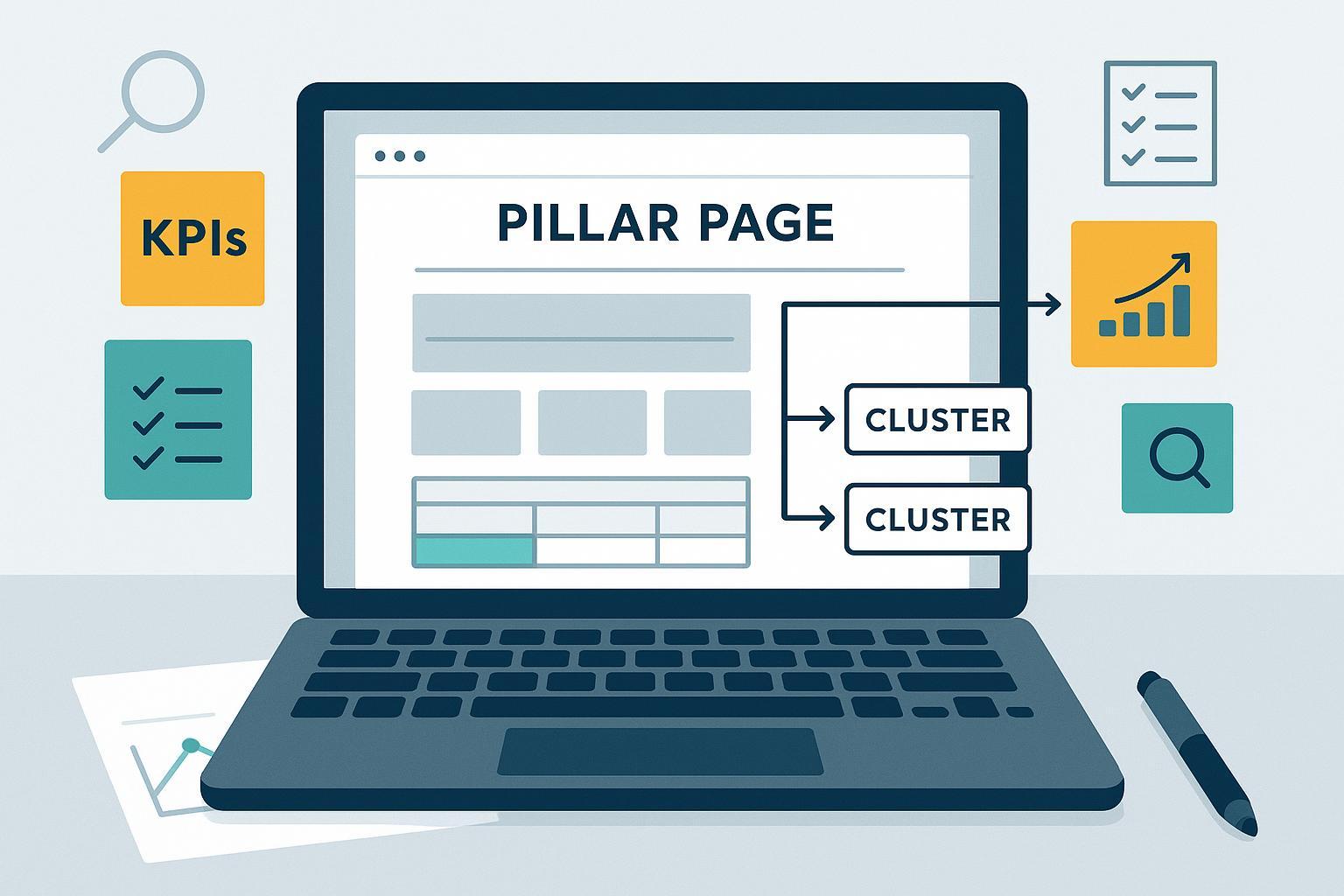
Pillar pages and topic clusters What it is: A hub-and-spoke architecture anchored by a comprehensive pillar page with interlinked cluster posts. This structure helps crawlers and users discover related content, distributes link equity, and supports snippet wins on focused cluster topics. Why it works for SEO: Clear information architecture and internal linking align with Google’s Starter Guide recommendations. Comprehensive coverage and navigable sections aid passage understanding and featured snippet potential. Structure tips: Use a scannable TOC, descriptive H2/H3 headings, bidirectional links between pillar and clusters, short answers for common questions, and relevant schema. Keep sections concise and add glossary micro-links. Effort/time-to-impact: High effort; expect 2–6 months for authority signals to compound. KPIs: Keywords in Top 3 across the cluster, featured snippet wins, referring domains to the pillar, internal link coverage and no orphan pages. Evidence: See Google’s SEO Starter Guide and Backlinko’s SERP performance analysis.
-
Ultimate guides and deep how-to playbooks What it is: A single resource that fully answers a complex task, with steps, visuals, and concise definitions. Why it works for SEO: People-first depth and clear structure satisfy intent; short answers blocks can capture featured snippets. Structure tips: Begin with “what you’ll learn,” map steps with consistent headers, include a checklist, visuals, and FAQs with 40–60-word answers. Effort/time-to-impact: Medium–High; 1–3 months. KPIs: CTR, time on page/scroll completion, snippet impressions, assisted conversions. Evidence: Google’s SEO Starter Guide and recent coverage of AI Search expectations in 2025 underline helpful, well-structured content (Google’s AI Search guidance (2025)).
-
Original research and data reports What it is: Unique, auditable data studies, surveys, or analyses published with transparent methodology and downloadable assets. Why it works for SEO: One of the strongest link magnets; builds authority and earns citations. Structure tips: Executive summary, methods, charts/tables, downloadable dataset/PDF, and annual update cadence. Effort/time-to-impact: High; 2–6+ months as links and mentions accrue. KPIs: Referring domains, organic traffic, average engagement time, citations from reputable publications. Evidence: See Semrush’s content marketing statistics and Ahrefs’ data-backed commentary.
-
Statistics hubs (“X stats” pages) What it is: Curated, well-sourced statistics with date stamps and citations, updated annually. Why it works for SEO: Attracts passive links and recurring updates send freshness signals. Structure tips: Group by subtopic with semantic headings, include specific “number of” callouts, and provide a changelog. Effort/time-to-impact: Medium; 1–3 months, with compounding link velocity. KPIs: Referring domains per month, rankings for “[topic] statistics,” engagement time, citation mentions. Evidence: Passive link strategies are widely documented; prioritize primary sources when citing. See Backlinko’s link building strategies overview.
-
Case studies with first-hand experience (E-E-A-T) What it is: Problem → method → metrics → lessons, backed by screenshots and dates. Why it works for SEO: Demonstrates experience and trust; supports conversion for mid/bo-funnel queries. Structure tips: Add author bios, verifiable numbers, and a measurement section; link to related glossary and how-to posts. Effort/time-to-impact: Medium; 1–2 months. KPIs: Assisted conversions, engagement time, organic traffic to case study hub, backlinks if cited externally. Evidence: Google emphasizes experience and helpfulness in Search & AI content guidance (2023).
-
Comparison guides (category-level) What it is: Neutral, criteria-led pages that compare solutions against defined needs. Why it works for SEO: Captures category-intent queries; helps users decide. Structure tips: Selection criteria with definitions, a clean comparison table, pros/cons, pricing ranges, limitations, and FAQs. Effort/time-to-impact: Medium; 1–2 months. KPIs: Rankings for “best [category],” CTR on table interactions, time on page, clicks to product pages. Evidence: Google’s Starter Guide and NN/g’s guidance on tables (comparison table UX).
-
Alternatives pages (brand-level) What it is: “[Brand] alternatives” content designed to capture users seeking substitutes, with balanced pros/cons. Why it works for SEO: High-intent demand capture at the brand level. Structure tips: Define evaluation criteria, list viable alternatives with clear trade-offs, pricing bands, and honest limitations; add FAQs. Effort/time-to-impact: Medium; 1–2 months. KPIs: Rankings for “[brand] alternatives,” CTR, clicks to product pages, assisted conversions. Evidence: People-first, balanced comparisons align with Google’s helpful content guidance (Search & AI content Q&A, 2023).
-
Buyer’s guides What it is: Deep decision support for a category, from scenarios to evaluation criteria and pricing. Why it works for SEO: Meets high-intent informational queries and supports conversion. Structure tips: Market overview, buyer scenarios, criteria, side-by-side tables, pricing ranges, limitations, FAQs. Effort/time-to-impact: Medium; 1–2 months. KPIs: Rankings for “buyer’s guide [category],” time on page, clicks to product pages, conversions. Evidence: UX and content best practices for buyer’s guides are well-established; see NN/g’s comparison tables guidance.
-
Templates, toolkits, and checklists What it is: High-utility, reusable assets published as indexable resources with optional downloads. Why it works for SEO: Tangible utility drives engagement, shares, and links; can be gated for leads with an indexable preview. Structure tips: Clear intent title (e.g., “Free SEO Audit Checklist”), scoped sections, annotated steps, examples, usage video/GIF, versioning and update dates. Effort/time-to-impact: Low–Medium; weeks to 1 month. KPIs: Downloads/form fills, lead quality, organic traffic, referring domains (for indexable versions). Evidence: B2B studies highlight templates as effective magnets; see Semrush’s statistics compilation and Ahrefs’ statistics roundups for practice examples.
-
Glossaries, FAQs, and answer engines What it is: Short, precise definitions and Q&A blocks, linked to deeper content and built with appropriate schema. Why it works for SEO: Matches definitional and quick-answer intent; can capture featured snippets and support internal equity. Structure tips: Alphabetized glossary with short entries; FAQs grouped by scenario; clear anchors; FAQPage/HowTo/Article schema. Effort/time-to-impact: Medium; weeks to 2 months. KPIs: Featured snippet impressions, pages per session, organic traffic to the hub, internal link distribution. Evidence: See Google’s Starter Guide and 2025 notes on succeeding in AI-mediated search (Google AI Search guidance).
-
Expert interviews and roundups What it is: Curated insights from vetted practitioners and researchers, edited into a coherent resource. Why it works for SEO: Authority transfer and link potential, plus diverse perspectives. Structure tips: Limit to sharp questions, group responses by theme, add editorial synthesis and disclosures. Effort/time-to-impact: Medium; 1–2 months. KPIs: Backlinks (participants and readers), engagement time, referral traffic, assisted conversions. Evidence: See Search Engine Journal’s expert compilations as format references (SEO experts’ predictions, 2024–2025).
-
Interactive tools, calculators, and quizzes What it is: Long-form interactive experiences with explanatory content around them. Why it works for SEO: Earns links and engagement; supports transactional and educational queries. Structure tips: Ensure renderability for crawlers, fast performance for Core Web Vitals, explanatory text, schema where applicable, and internal links. Effort/time-to-impact: High; 2–6 months. KPIs: Dwell time uplift vs. baseline, conversion rate from tool interactions, backlinks, rankings for related queries. Evidence: See Search Engine Land’s commentary on interactive content in AI search (2024–2025).
-
Frameworks and operational playbooks What it is: Codified principles, workflows, templates, and measurement models in one navigable resource. Why it works for SEO: Depth and adoption; excellent internal linking node. Structure tips: Principles, step-by-step workflows, embedded templates, governance notes, measurement/OKRs. Effort/time-to-impact: Medium–High; 1–3 months. KPIs: Rankings for framework queries, engagement time, downloads/usage of embedded templates. Evidence: See modern playbook examples and analyses, such as SEO Clarity’s playbook.
-
Long-form social (LinkedIn articles, multi-slide docs, X threads) What it is: Off-site long-form that builds authority, drives referrals, and nudges branded search. Why it works for SEO: Indirect impact via audience growth and branded demand; supports on-site content by priming topics. Structure tips: Align topics to your pillars, embed keywords naturally, cross-link to site resources, publish consistently. Effort/time-to-impact: Low–Medium; weeks to 1 month. KPIs: Impressions/engagement, CTR to site, branded search volume change, assisted conversions. Evidence: Practical guidance exists on tying social and SEO; see HubSpot’s engagement metrics overview.
Internal linking and freshness plan
- From every long-form asset, link to: a definitions post, a detailed how-to tutorial, and a measurement/KPI explainer. Cross-link closely related formats (e.g., statistics hub → original research report; pillar → ultimate guide; buyer’s guide → alternatives guide).
- Add FAQ and glossary micro-links to improve snippet capture and navigation. Use BreadcrumbList and Article/HowTo schema where appropriate.
- Refresh cadences: statistics hubs and original research annually; buyer’s guides and comparisons quarterly; pillars and ultimate guides biannually or when significant changes occur.
How to put this into motion in 30 days
- Pick three formats that match your goals: e.g., Pillar + clusters (authority), Templates (engagement/leads), and a Comparison guide (demand capture).
- Build briefs: define primary intent, audience, outline, schema needs, internal link targets, and KPIs.
- Ship and measure: set 90- and 180-day checkpoints. Track referring domains, Top 3 keyword count, snippet impressions, engagement time, and assisted conversions.
- Update deliberately: add new data, clarify steps, and expand FAQs based on search queries.
Isn’t it more satisfying to build assets that people bookmark and cite rather than chasing word count? Focus on clarity, structure, and proof—and let your long-form work compound.
References and further reading
- Google: SEO Starter Guide; Helpful Content & AI content Q&A (2023); Succeeding in AI Search (2025)
- Backlinko: Search Engine Ranking Study
- Semrush: Content Marketing Statistics
- Ahrefs: Long-Form Content & Links
- NN/g: Comparison Tables UX