The Ultimate Guide to Creating a Giant Resource Blog Post: Tips and Tricks
Introduction
In today's world of content marketing, creating a blog post that stands out from the crowd is crucial. A giant resource or ultimate guide blog post can be an effective way to do just that. These types of posts are comprehensive, informative, and provide readers with all the information they need in one place. They're often referred to as "cornerstone content" because they serve as a foundation for your website and establish you as an expert in your field.
Creating a giant resource or ultimate guide blog post requires time, effort, and research. But the benefits are well worth it. Not only will these posts attract more traffic to your website but they'll also increase engagement and social shares.
In this article, we'll explore tips and tricks for creating the ultimate guide or giant resource blog post that will knock your audience's socks off! From defining your topic to formatting your content effectively, we'll cover everything you need to know to create a standout piece of cornerstone content for your website. So let's dive in!
Choosing a Topic
Choosing the right topic is crucial in creating a giant resource blog post. A good topic should be relevant and interesting enough to keep your readers engaged, while also providing you with enough material to create a comprehensive guide. Importance of Topic Selection
The success of your giant resource blog post will largely depend on the relevance and interest level of your chosen topic. If your topic isn't relevant or interesting, it's unlikely that readers will stick around long enough to read through the entire post. Additionally, choosing a narrow or overly broad topic can make it difficult for you to provide comprehensive information that covers all aspects of the subject at hand.
Tips for Choosing a Relevant and Interesting Topic
To choose an appropriate topic for your giant resource blog post, consider these tips:
Look at what's trending: What are people searching for right now? Take advantage of popular topics that are currently in demand.
Consider your target audience: Who do you want to reach with this blog post? Choose a topic that appeals specifically to them.
Leverage personal experience: Do you have unique insights or expertise on a particular subject? Use this knowledge as inspiration when choosing a topic.
Conduct keyword research: Use tools like Google Keyword Planner or Moz Keyword Explorer to find potential topics based on search volume and competition.
Evaluating Potential Topics
Once you've identified some potential topics, evaluate each one thoroughly before making your final decision:
Determine if there is enough information available: Can you realistically create an in-depth guide about this specific subject?
Check out existing content: Is there already plenty of content covering this same subject matter? If so, how can you differentiate yourself from other bloggers?
Assess reader interest: Will people find this information useful and engaging?
By carefully considering these factors during the planning stages of creating your giant resource blog post, selecting an appropriate topic becomes easier. Ultimately ensuring that once published; audiences will engage effectively with such posts due their high value delivery via trusted sources.
Research and Planning
Creating a giant resource blog post requires extensive research and planning. Research is essential in gaining the knowledge needed to create an informative guide, while planning helps you organize your thoughts and content. Without proper research and planning, it can be challenging to create a comprehensive guide that provides value to your audience. Conducting Research
Conducting thorough research is crucial when creating a comprehensive guide. There are many online resources available for conducting research, such as Google Scholar or academic databases like JSTOR. These sources provide access to peer-reviewed journals and articles on various topics, which can help you gather information on the subject you are writing about.
Offline resources should not be overlooked either; books, magazines, newspapers or interviews with experts in the field can give valuable insights into the topic at hand. When using offline resources ensure that they are up-to-date and relevant to avoid any misinformation from outdated sources.
It's important always to evaluate the credibility of sources before citing them in your work; this ensures that only reliable information is provided for readers' consumption. Always check author credentials and look out for bias or conflict of interest when assessing online sources.
Organizing Content
After gathering all necessary information through thorough research comes organizing content effectively within an outline structure. Creating an outline will allow writers to divide their work into sections based on different subtopics covered within their comprehensive guide. When structuring content try breaking down complex concepts into smaller sections making it easier for readers who may find traditional long-form posts overwhelming thereby giving visitors more digestible chunks of related information . Each section must have its own brief introduction followed by subheadings highlighting key points discussed throughout each segment.
Breaking down large amounts of text with headings makes navigation easier both visually (providing visual cues)and practically(allowing users quick reference). Ensuring there’s enough whitespace between paragraphs will also make reading less daunting helping people stay engaged with what's being presented without feeling overwhelmed by too much text at once..
In summary,research plays significant roles in providing valuable insights aiding better understanding leading towards quality output while effective organization allows smooth flow & easy readability adding overall value resulting in higher engagement rate enhancing visitor experience making site brings authority & trustworthiness among peers ultimately contributing greatly towards website growth
Creating an Outline
As the saying goes, "failing to plan is planning to fail". This rings true when it comes to creating a giant resource or ultimate guide blog post. An outline serves as your roadmap and helps you stay on track in delivering a comprehensive and well-structured piece of content. Here's how you can create an outline for your next giant resource blog post: Step-by-Step Guide
Determine Your Main Topic - Identify the main topic that your giant resource blog post will focus on. This will serve as the foundation of your outline.
List Down Subtopics - Brainstorm subtopics related to your main topic that you want to cover in-depth in your blog post.
Organize Your Subtopics - Group similar subtopics together and arrange them logically based on their relationship with one another.
Add Supporting Details - Under each subtopic, list down supporting details such as statistics, examples, tips or strategies that will make up the meat of your article.
Create A Skeleton Outline - Once all subtopics are listed along with their supporting details, create a skeleton outline by putting them together into sections and subsections under appropriate headings.
Refine The Outline Structure - Review the skeleton outline and make necessary adjustments such as reordering sections/subsections based on flow or combining/eliminating certain sections if needed.
Tips On Refining The Outline
To improve the quality of your final draft, consider these tips for refining the structure of your outline:
Check For Logical Flow: Ensure that there is a logical transition from one section/subsection to another.
Follow A Clear Hierarchy: Use appropriate heading levels (H1,H2,H3) consistently throughout so readers know which points are most important
Eliminate Redundancy: Consolidate redundant information across different subsections
By following this step-by-step guide on creating an outline for a giant resource or ultimate guide blog post along with tips for refining it further, not only will you be able to deliver valuable content but also save time by staying organized throughout writing process!
Writing the Content
When it comes to creating a giant resource or ultimate guide blog post, the content is the most important aspect. The content should be comprehensive and informative, while also being easy to read and understand for your audience. In this section, we will provide tips on how to write high-quality content for a giant resource or ultimate guide blog post.
Structuring the Content
The structure of your content is crucial for maximum readability. To ensure that your readers can easily navigate through your article, you should use headings and subheadings throughout the text. Headings are used to divide sections into smaller parts while subheadings categorize information further within those sections.
In addition to using headings and subheadings, bullet points and numbered lists make it easier for readers to scan through large chunks of text quickly. Short paragraphs help break up dense blocks of text which makes them more readable.
Using Visuals and Examples
Visuals such as images or videos are great tools that can enhance any piece of written work by providing context or illustrating complex ideas in an easily digestible way. Make sure any visuals you include add value rather than just filling space. Real-life examples are another effective tool when writing a giant resource or ultimate guide blog post; they allow readers to connect with the material on a personal level. Including real-life examples helps people better relate with what they’re reading about because it shows them how similar situations have been handled by others before them.
Using visuals and examples is especially useful when explaining complicated concepts that may be difficult to grasp otherwise - remember that not all people learn in the same way so visual aids can assist different types of learners in understanding complex topics better.
Optimizing the Content for SEO
Optimizing your content for search engine optimization (SEO) is essential if you want your article found online by potential new audiences who might not know about your website yet! Incorporating keywords related to what users would likely type into their search engine while looking up information like yours increases visibility amongst these individuals searching online actively seeking advice from experts- making it easier than ever before! Meta descriptions serve as summaries describing each page’s contents- including its relevance & usefulness towards answering questions asked frequently across various platforms where consumers access information digitally today (e.g., Google).
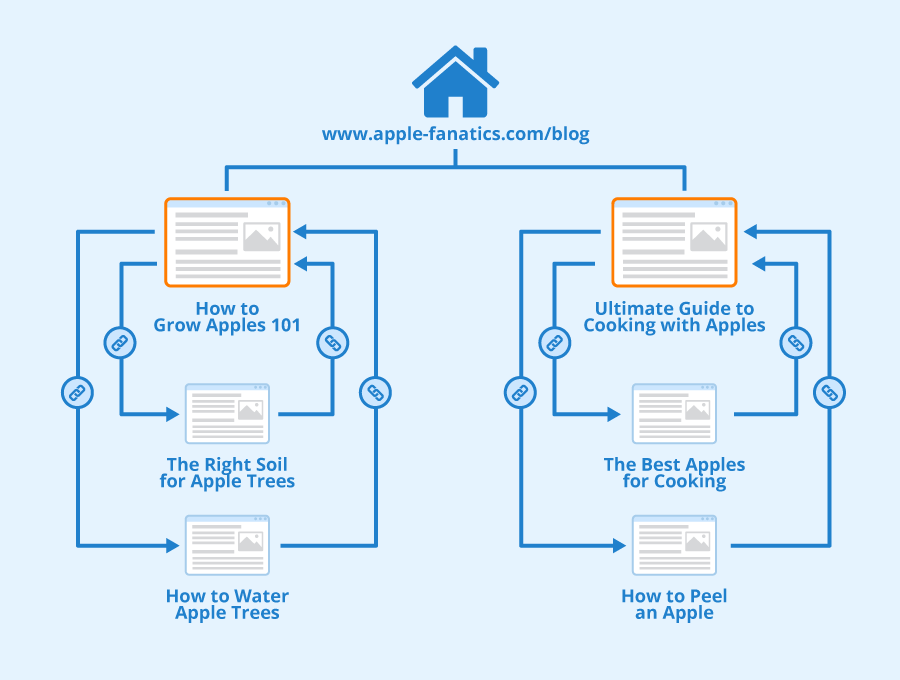
Internal links refer back again at other relevant pages located elsewhere on one's website/blog/online platform where additional insight may be gained regarding specific topics discussed within individual articles themselves – i.e., hyperlinking phrases such as “related posts” at end each body paragraph linking outwards onto complementary pieces published earlier time frame too means visitors stick around longer browsing site overall increasing engagement levels significantly over time!
External links show credibility indicating sources from outside domains/blogs/websites etc providing supporting evidence backing claims made inside own original published works naturally adding trustworthiness factor boosting authority ratings Google ranks higher accordingly leading more traffic generated back toward business brand itself ultimately achieving goals desired: increased user attention span & click-through rates conversion rates generating sales leads directly attributable solely none but well-written lengthy guides alone showing expertise authoritativeness coupled trustworthy reliable knowledge base showcased alongside creative flair necessary crafting engaging stories capturing hearts minds alike worldwide web populace eager consume quality informational goods always hungry learning something new every day never ceases satiate thirst knowledge hunger 24/7/365!
Conclusion
In conclusion, creating a giant resource or ultimate guide blog post can be a game-changer for bloggers and content creators. By following the tips and tricks outlined in this article, you can create comprehensive, informative, and high-quality content that will not only attract more readers but also establish you as an authority in your field. Remember to focus on the needs of your audience, conduct thorough research, and organize your content in a logical and easy-to-follow manner. Also, don't forget to promote your post through various channels to maximize its reach and impact. With these best practices in mind, you can take your blog to the next level and achieve your content marketing goals.
See Also