Why eCommerce Sites Must Update Meta Tags & Descriptions Regularly: Tips & Tricks
Introduction
In the world of eCommerce, having a website that is easily discoverable by search engines is crucial for success. One of the most important components of SEO for eCommerce sites are meta tags and descriptions. These elements provide valuable information to both search engines and potential customers about what your website offers, as well as why it's unique from other competitors in your industry. Updating these tags and descriptions regularly can help improve your site's rankings, increase traffic, and ultimately drive more sales. In this article, we will delve into why updating meta tags and descriptions should be a regular part of every eCommerce site owner's SEO strategy along with some tips and tricks for doing so effectively. What are Meta Tags and Descriptions?
Overview
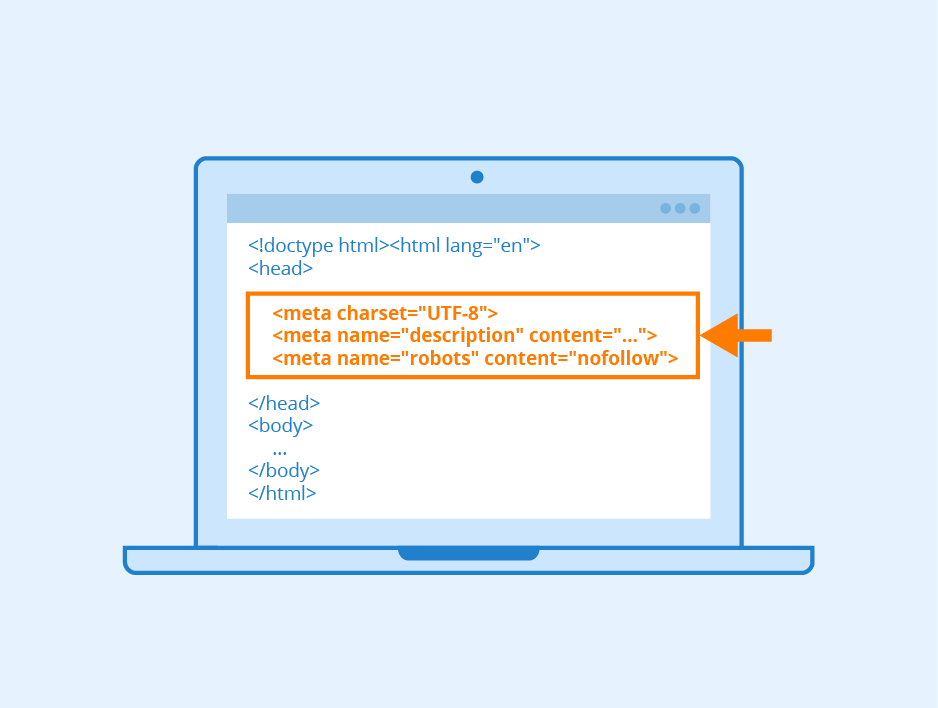
Meta tags and descriptions are key elements of SEO that help search engines understand what a website is all about. Meta tags provide information about the content of a web page, while meta descriptions offer a brief summary of the page's content. They both play an important role in helping search engines determine how to rank websites in their results pages. Types of Meta Tags
There are several types of meta tags, but some are more important than others when it comes to SEO. The most significant ones include: Title Tag
The title tag is arguably the most critical meta tag for SEO purposes as it appears at the top of browser tabs and serves as the primary heading for search engine results pages (SERPs). It should be descriptive and accurately reflect the content on your web page.
Description Tag
The description tag provides a brief overview or summary of what users can expect from your webpage. This text will appear beneath your title tag within SERP listings so should be compelling enough to persuade users to click through.
Keyword Tag
This type of meta tag was once crucial for search engine optimization, but its importance has dwindled over time due to keyword stuffing practices by spammers who sought to manipulate rankings with excessive use. Search engines still consider keywords when indexing pages; however, they now rely more heavily on natural language processing algorithms that can recognize synonyms and contextually relevant terms.
How Do They Impact SEO?
Search engines like Google use various factors when ranking websites in their SERPs, including relevance, authority, user experience among others. Writing effective meta titles & descriptions aligned with these factors helps increase visibility online by improving click-through rates (CTR) from potential customers looking for products or services similar to yours. Additionally writing unique and concise metatags allows crawlers/bots crawling your site easily find out if it’s relevant according to user searches based on intent or query.
Why Update Meta Tags and Descriptions Regularly?
Impact of Product Offerings on Meta Information
Meta tags and descriptions are essential components of eCommerce websites that help search engines understand the content of a web page. These tags provide information about the products or services offered, which can significantly impact website traffic and sales. However, changes in product offerings can affect the effectiveness of meta information, especially if these updates are not reflected in the site's meta tags. For example, suppose an online retailer decides to add new products to its existing inventory without updating its meta tags and descriptions. In that case, it may result in discrepancies between what is advertised on the website and what is indexed by search engines. This inconsistency could lead to lower click-through rates (CTR) as users will be less likely to click on a link that doesn't match their intended search query. To avoid such situations, eCommerce sites must ensure that they update their meta information regularly whenever there are changes made to their product offerings.
Impact of Site Structure on Meta Information
The structure of an eCommerce site plays a crucial role in determining how effective its SEO strategy will be. The way pages are organized can have a significant impact on how easily search engine crawlers navigate through them and index relevant content for user queries. Changes made to site structure can affect the effectiveness of existing meta information since they alter how pages interlink with each other and influence keyword relevance within specific categories or subcategories.
For instance, suppose an eCommerce site restructures its category pages by consolidating multiple subcategories into one primary category page without updating corresponding metadata like title tags or descriptions. In that case, this change might cause confusion for both users and crawlers alike looking for specific items under those old subcategory names.
Therefore it is essential for e-commerce owners always keep track of any structural updates done so far while ensuring proper maintenance across all related metatags describing every element presented throughout different levels within each section accordingly.
Impact Of Search Algorithms On Meta Information
Search engine algorithms are constantly evolving to provide users with the most relevant search results. As a result, eCommerce sites must keep up with these changes to ensure that their meta information remains effective.
Several factors can impact how search engines interpret and rank pages, such as keyword relevance, content quality, user experience metrics like bounce rates or time on site - all of which can influence the effectiveness of metadata like title tags and descriptions.
For example, suppose Google introduces an algorithm update that prioritizes mobile-friendly websites over non-mobile-friendly ones. In that case, eCommerce sites may need to adjust their metadata accordingly by optimizing for mobile devices or improving page speed performance if they haven't done so already.
Therefore it is essential for e-commerce owners always keep track of any updates made by major search engines while ensuring proper maintenance across all related meta-tags describing every element presented throughout different levels within each section accordingly.
Tips for Keeping Meta Tags and Descriptions Up-to-Date
Meta tags and descriptions are crucial elements of any eCommerce website's SEO strategy. As search engines constantly refine their algorithms, it is essential to keep these meta elements up-to-date in order to achieve high rankings and attract potential customers. Here are some practical tips for eCommerce website owners and SEO professionals on how to keep their meta tags and descriptions up-to-date. Regular Audits and Updates
Regular audits and updates of your website's meta tags and descriptions are important because they ensure that the information provided is accurate, relevant, and optimized for search engines. Conducting an audit involves reviewing all the pages on your site to ensure that each one has a unique title tag, description tag, H1 tag, URL structure with targeted keywords which can help improve Google ranking factors.
Updating your meta tags regularly helps you stay current with changes in search engine algorithms while also ensuring that your content remains fresh for visitors who may be searching for specific products or services related to your business. It's recommended that you conduct an audit every six months or so as part of a regular maintenance routine.
When conducting an audit make sure that each page has a unique title tag which reflects its content; avoid duplicating titles across different pages as this can confuse both users & crawlers looking at your site. Also verify if the length of Meta Description is not more than 160 characters including spaces since Google only shows up till this limit in SERP (Search Engine Result Page).
Keyword Research and Optimization
Keyword research is essential when it comes to optimizing meta tags & descriptions because it helps you identify the most relevant terms used by potential customers when searching online. By using such words/phrases within them increases visibility on Search Engine results Pages (SERPs) thus directly increasing CTR (Click Through Rate). To start with keyword research look into what type of queries people have been asking related/connected with topics associated with industry through tools like SEMrush & Ahrefs. This allows you to identify the most commonly used phrases and words related to your business. Once identified, use these keywords in your meta tags & descriptions along with variations like long-tail keywords which will help better target specific audience & has higher chances of conversions.
However, it's important not to overstuff your content with keywords as this can lead to penalties from search engines. Instead focus on using them naturally within context where they fit best without compromising quality of content.
Unique and Descriptive Meta Information
Unique and descriptive meta information is critical for eCommerce websites because it helps potential customers understand what products/services are being offered while also providing a clear description that highlights the benefits or unique features of those products/services.
To create unique & descriptive Meta Information for each product/service page make sure you're focusing on factors like USP (Unique Selling Proposition), Benefits, Features etc., while keeping user intent in mind at all times while writing. Ensure that Title Tag contains primary Keyword followed by secondary keyword/brand name such that users get concise idea about product/service offering before clicking through SERPs.
It's recommended that all meta tags & descriptions be written in grammatically correct language and should be free from spelling errors so as to convey professionalism towards users who view website.
CTR and User Engagement
Click-through rate (CTR) measures how many people click through from a search engine results page (SERP) link when viewing an eCommerce website’s pages. Higher CTR leads directly more traffic thus increasing chances of conversion . Good User engagement metrics like time spent on site bounce rate etc indirectly impacts SEO rankings. Improving CTR involves optimizing both title tag ,Meta Description i.e crafting compelling copies which appeals emotionally/rationally aligned with user intent making their decision journey easier/faster helping increase Click Through Rate(CTR). Also improving User Experience(UX) via good navigation structure, easy access/helpful customer support services provides additional edge leading eventually to higher user engagement metrics.
Competitor Analysis
Competitor analysis is important for eCommerce website owners because it helps them identify what their competitors are doing in terms of meta tags and descriptions. By conducting a thorough analysis, you can learn from the tactics used by your competition that work well and implement similar strategies on your own site. To conduct competitor analysis look into what type of keywords they have been using, how they structure Meta Information/URLs , length of description etc., which is easily available through tools like SEMrush & Ahrefs. Also make sure to note down USP (Unique Selling Proposition) if any or other factors which makes them stand out compared to others leading to better conversions.
By keeping these tips in mind, eCommerce website owners can stay up-to-date with changes in search engine algorithms while also ensuring that they attract potential customers with effective meta tags and descriptions that lead to increased traffic, higher CTR & improved user engagement ultimately resulting in better conversion rates!
Conclusion
In conclusion, updating meta tags and descriptions regularly is crucial for eCommerce websites to achieve better search engine rankings and attract potential customers. By optimizing these elements with relevant keywords, businesses can improve their click-through rates and ultimately increase conversions. It's important to keep in mind that meta tags and descriptions are not a one-time task but require continuous monitoring and updates as the website content changes. Neglecting this practice may result in missed opportunities for growth and lower visibility among competitors. Therefore, it's recommended that eCommerce website owners, online marketers, and SEO professionals prioritize regular maintenance of meta tags and descriptions within their overall marketing strategies to remain competitive in today's digital landscape.