Voice Search Optimization for Healthcare Websites: Tips for Natural Language & Long-Tail Keywords
Introduction
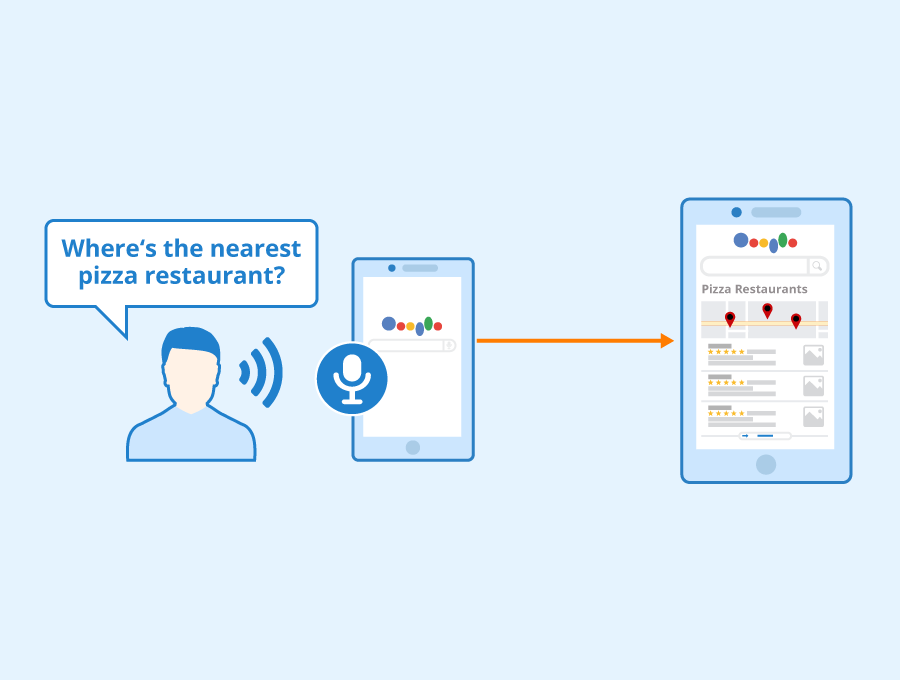
As healthcare becomes more digital, optimizing websites for voice search has become increasingly important. With the rise of virtual assistants like Alexa and Google Home, consumers are using voice search to find information about everything from symptoms to doctors in their area. This means that healthcare website owners and marketers must adjust their strategies to ensure they're not missing out on potential patients who use voice search. Additionally, tracking website performance can be difficult in the healthcare industry due to privacy regulations such as HIPAA. However, with the right techniques, it is possible to optimize for voice search while still maintaining patient confidentiality. The Importance of Optimizing Healthcare Websites for Voice Search
According to a study by PricewaterhouseCoopers (PwC), 59% of adults aged 18-24 and 65% aged 25-49 use voice-controlled assistants at least once a day. These statistics demonstrate that millions of people are already using this technology every day and will continue doing so in years to come. If healthcare businesses want to remain competitive and accessible, they need to start optimizing websites for natural language queries made via virtual assistants.
For example, imagine someone wakes up feeling unwell but doesn't know what's wrong or how serious it might be. They might say "Hey Siri/Google/Alexa/etc., what are some common causes of chest pain?" Without optimization for long-tail keywords or natural language phrases related chest pain on your website content including FAQ section may miss out on appearing as an answer even if you have valuable insights on chest pain within your webpages. Difficulty Tracking Website Performance
Healthcare marketers face unique challenges when tracking website performance due mainly through privacy regulations such as HIPAA that restricts personally identifiable health data sharing without patient consent except under certain circumstances permissibly by law.
This makes it challenging enough just figuring out which pages resonate with visitors let alone determining whether those visitors convert into leads or customers accurately.
The good news is, however, that it's still possible to track website performance while staying compliant with HIPAA regulations. By using anonymized data and focusing on aggregate metrics instead of individual patient information, healthcare marketers can gain valuable insights into their website's effectiveness without compromising privacy or security.
Using Natural Language
When it comes to optimizing healthcare website content for voice search, one of the most important things to consider is natural language. Natural language refers to how people actually speak and ask questions in everyday life, as opposed to more formal or technical language that you might find in academic papers or medical journals. Why Natural Language is Important for Healthcare Website Content
Using natural language in your healthcare website content is essential for a few reasons. First and foremost, it helps ensure that your content is easily understandable and approachable by patients and potential patients who may not be familiar with medical jargon. By using conversational phrases and common terminology, you can make your content feel more accessible and user-friendly.
In addition, incorporating natural language into your website content can help improve its visibility in voice search results. Voice assistants like Siri or Alexa are designed to understand human speech patterns rather than rigid keyword phrases, so focusing on creating conversational content optimized for long-tail keywords can help increase the likelihood that they will appear at the top of relevant search results pages. Tips for Optimizing Healthcare Website Content for Voice Search
To optimize your healthcare website's content for voice search through natural language optimization there are several tips: 1) Use question-based titles: Start by crafting page titles that feature questions commonly asked by patients about their health concerns such as "What are the symptoms of COVID-19?", "How do I manage my diabetes?" These types of queries often begin with interrogative words such as what, why, when where etc. That way when somebody asks a similar question through their voice assistant they could potentially get directed towards your page instead.
2) Answer Common Questions: One great way to incorporate natural-language questions into your site copy involves answering frequently asked patient queries directly on individual pages.
3) Focus on Long-Tail Keywords: When targeting long-tail keywords used during regular conversation which include multiple words together makes sense rather than generic short ones
4) Use a conversational tone: Writing in a more approachable and relatable style, complete with contractions and punctuation that match natural speech patterns, can help increase engagement with your content.
5) Implement FAQ page: An organized FAQ section on the website helps patients find answers to common questions easily. It’s essential to keep an active list of frequently asked questions so that it remains updated.
Examples of Natural Language Phrases that are Effective in Healthcare Website Content:
"What are some ways I can manage my anxiety naturally?"
"How long does it take for antibiotics to start working?"
"Can you explain how chemotherapy works?"
Optimizing for Long-Tail Keywords
In addition to natural language, optimizing for long-tail keywords is crucial for voice search optimization on healthcare websites. Long-tail keywords are phrases that consist of three or more words and are more specific than general keywords. These types of keywords have lower search volume but higher conversion rates because they target a niche audience with a specific intent. Why Long-Tail Keywords are Important for Voice Search Optimization
Voice searches tend to be longer and more conversational in nature, which makes them ideal for targeting long-tail keywords. When users speak into their devices, they use natural language to ask questions or make requests instead of typing in fragmented keyword phrases. By incorporating these long-tail queries into your healthcare website content, you can increase your chances of appearing as a featured snippet on Google's SERP (search engine results page). This coveted position not only increases visibility but also boosts credibility and trust among potential patients. Tips for Optimizing Healthcare Website Content for Long-Tail Keywords
To optimize your healthcare website content effectively, consider the following tips:
Conduct Keyword Research
Start by conducting thorough keyword research using tools like Google Keyword Planner or SEMrush to identify relevant long-tail keywords related to your medical specialty or services offered. Look at user intent behind each query and create content that satisfies those needs while integrating targeted phrases naturally.
Incorporate Natural Language Phrases
When creating content optimized for voice search include common colloquialisms used in everyday conversation such as "What are the symptoms of X disease?" rather than strictly adhering to formal medical terminology like "X disease signs". Avoid stuffing too many exact-match keyphrases unnaturally within text; it reduces readability and negatively impacts user experience.
Use Structured Data Markup
Structured data markup helps organize information on web pages so that search engines can quickly understand what the webpage is about without having read through all the content manually. One way structured data markups improve SEO performance is by helping voice assistants like Google Assistant quickly find and answer user questions. Remember to use structured data markup for healthcare-related keywords, such as medical conditions, treatments, and procedures.
Include specific examples of long-tail keywords that are effective in healthcare website content
Here are some examples of long-tail keywords useful for optimizing healthcare websites:
"Best pediatrician near me"
"Affordable dental implants in [city name]"
"How to prevent back pain during pregnancy"
"At-home remedies for migraines"
"What is the average cost of LASIK surgery"
Creating Conversational Content
As voice search continues to become more popular, creating conversational content is essential for optimizing healthcare websites for this type of search. Conversational content is content that mimics how people speak in natural language. This type of content is more likely to match the way people use voice search, resulting in higher rankings and increased traffic to healthcare websites. Why Conversational Content is Important for Voice Search Optimization
When people use voice search, they tend to use longer, more conversational phrases, known as long-tail keywords. For example, instead of typing "heart attack symptoms" into a search engine, a person using voice search may say "What are the symptoms of a heart attack?" By creating content that matches the way people use voice search, healthcare websites can increase their chances of appearing at the top of search results. In addition, conversational content can help healthcare websites build trust with their audience by providing information in a way that is easy to understand and engaging. Tips for Creating Healthcare Website Content that is Optimized for Conversation
To create healthcare website content that is optimized for conversation, website owners and marketers can follow these tips:
Use natural language: Write content that sounds like a conversation between two people. Avoid using technical jargon or complex sentence structures that can be difficult to understand.
Answer questions: Voice search users often ask questions, so it's essential to provide answers to common healthcare questions. Use headings and subheadings to make it easy for readers to find the information they need.
Use long-tail keywords: Incorporate longer, conversational phrases into healthcare website content. This will increase the chances of matching the way people use voice search.
Use bullet points and lists: Break up content into easy-to-read sections by using bullet points and lists. This makes it easier for readers to scan content and find the information they need.
Use a conversational tone: Write content that is engaging and easy to understand. Use a conversational tone to make readers feel like they are having a conversation with a healthcare professional.
Specific Examples of Conversational Content that is Effective in Healthcare Website Content
Here are some examples of conversational content that can be effective in healthcare website content:
"What are the symptoms of a heart attack?"
"How can I prevent diabetes?"
"What are the side effects of chemotherapy?"
"What is the best way to manage stress?"
"How can I improve my mental health?"
By incorporating these types of questions into healthcare website content, website owners and marketers can increase their chances of appearing at the top of search results for voice search users. Additionally, by providing answers to these questions in a conversational tone, healthcare websites can build trust with their audience and establish themselves as a reliable source of information.
Conclusion
In conclusion, optimizing healthcare websites for voice search is becoming increasingly important as more and more people are using voice assistants to access information online. Healthcare website owners and marketers who want to stay ahead of the curve should focus on incorporating natural language and long-tail keywords into their website content. Additionally, it's crucial to ensure that your website has a responsive design that can accommodate different devices and screen sizes. To optimize your healthcare website for voice search, start by understanding how people use voice assistants to find information about health-related topics. Use tools like Google Analytics or SEMrush to identify common questions and queries related to your niche. Once you have this data, incorporate these phrases naturally into your content without sacrificing readability or user experience.
In addition, make sure that your website loads quickly and is mobile-friendly since most people use voice assistants on their smartphones or tablets. Finally, consider investing in local SEO tactics like creating listings on Google My Business or Yelp so that users can easily find information about nearby clinics or hospitals.
Overall, optimizing for voice search requires a shift in mindset towards understanding how people ask questions verbally rather than typing them out. By following these tips, healthcare marketers can improve their chances of reaching new patients through this emerging channel while also improving overall visibility online.
See Also