The Power of Sleep: Improving Your Health and Life
Introduction
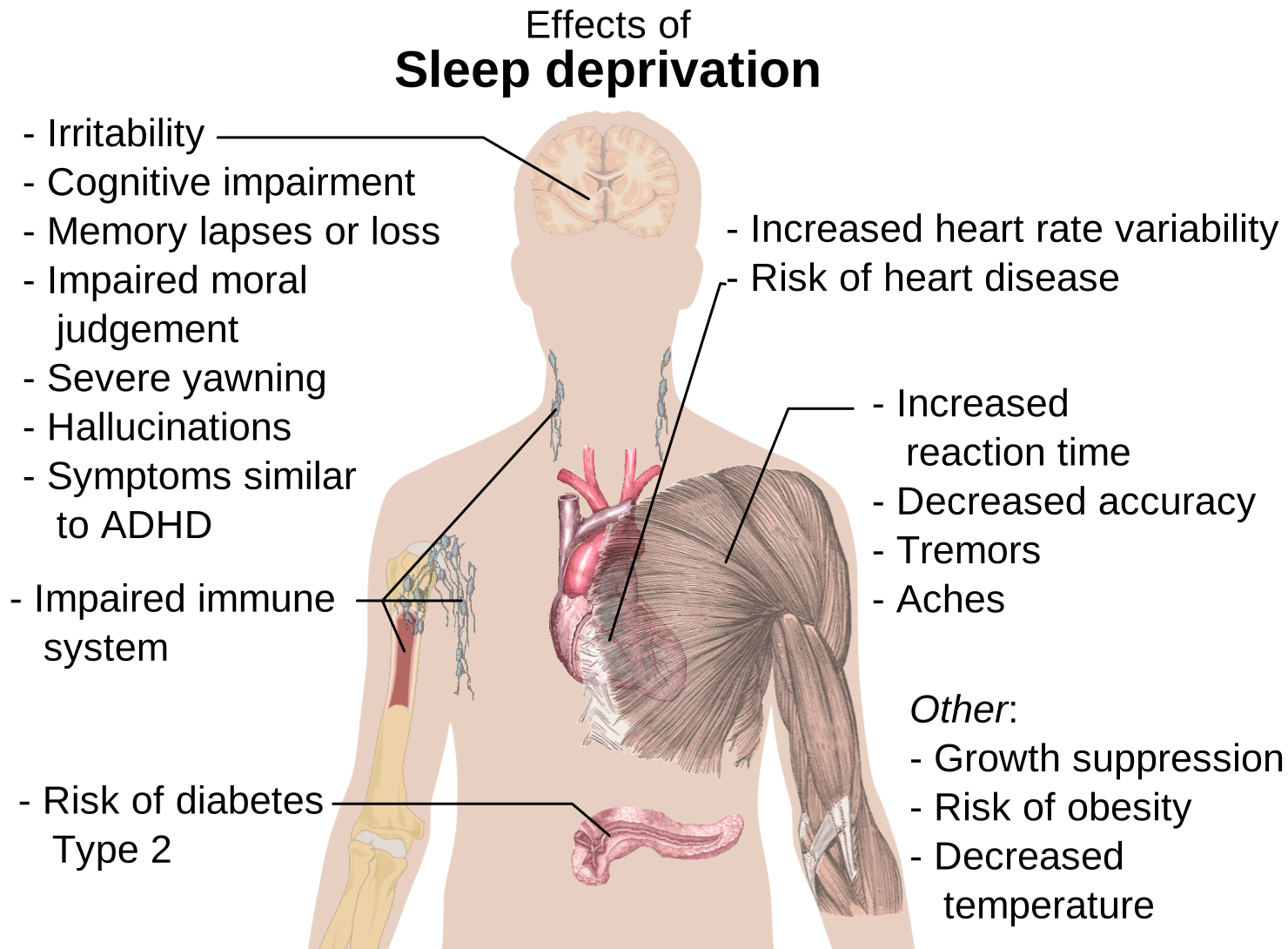
Sleep is an essential part of our lives and plays a critical role in maintaining overall health. Unfortunately, many individuals often overlook the importance of sleep and prioritize other activities instead. The consequences of sleep deprivation can be severe and far-reaching, affecting various aspects of one's life. For instance, lack of adequate sleep can lead to mood swings, irritability, decreased productivity at work or school, memory problems, weakened immune system function and increased risk for chronic diseases like obesity and diabetes. In this blog post we will explore how getting enough high-quality sleep can help you improve your overall health and well-being. Benefits of a Good Night's Sleep
Sleep is an essential component of our overall health. It plays a vital role in body restoration and maintenance, both physically and mentally. The benefits of a good night's sleep are numerous, ranging from improved memory to better mood regulation.
Improved Memory
One significant benefit of getting enough sleep is that it can improve memory consolidation. Sleep provides the brain with the opportunity to process newly acquired information and store it for long-term use. Research studies have shown that deep sleep or slow-wave sleep (SWS) helps in strengthening memories by consolidating them into stable representations within the brain's neural network [1]. This means that during SWS, information gets transferred from short-term storage to long-term storage, resulting in better retention and recall abilities.
Improved Mood
Another important benefit of adequate sleep is its effect on mood regulation. Not getting enough restful sleep can lead to irritability, anxiety, depression-like symptoms among individuals [2]. On the other hand, sound sleeping patterns can help regulate emotions effectively by enhancing coping mechanisms [3]. During REM (Rapid Eye Movement) sleep stages - which occur periodically throughout the night - emotional experiences get processed through vivid dreaming; this processing leads to higher resilience against stressors when we wake up [4].
Other Health Benefits of Sleep
Apart from improving memory and regulating moods effectively, sufficient amounts of quality sleep also provide various other health benefits such as:
Boosting Immune System
Getting adequate rest allows your immune system cells like T-cells & cytokines- which fight off infections- better access to circulation pathways where they need them most[5]. When you consistently miss out on proper shut-eye time due to poor sleeping habits or insomnia-like conditions; your immune system might suffer because these defenses depend mainly on circadian rhythm cues derived from consistent exposure times per 24 hours cycle.
Reducing Inflammation
Inflammatory markers such as C-reactive protein (CRP) and interleukin-6 (IL-6) increase when sleep is deprived [6]. Inflammation can lead to various chronic diseases like diabetes, heart disease, and even cancer. By getting enough restful sleep, the body's inflammatory response gets regulated through cytokine production during deep SWS stages.
Managing Weight
Studies have shown that poor sleeping habits might result in weight gain or obesity [7]. Lack of sufficient rest affects hormones such as ghrelin & leptin- which regulate hunger cues and satiety feelings; leading to overeating tendencies. Additionally, lack of sleep decreases metabolism rates resulting in fewer calories burnt per day.
Tips for Improving Sleep Habits
Getting good quality sleep is essential for maintaining overall health. Unfortunately, many people struggle to get the recommended seven to nine hours of sleep each night due to a variety of reasons such as stress, anxiety, and poor sleep habits. Here are some practical tips that can help improve your sleep habits:
Establish a Consistent Sleep Schedule
One of the most important things you can do to improve your sleep habits is to establish a consistent sleep schedule. This means going to bed and waking up at the same time every day – even on weekends. By doing this, you train your body's internal clock or circadian rhythm, which helps regulate when you feel sleepy and when you feel awake.
Create a Relaxing Bedtime Routine
Creating a relaxing bedtime routine can also help improve your quality of sleep. This could include activities like taking a warm bath or shower before bed, reading a book in low light or listening to calming music. The key is finding activities that help relax both your mind and body.
Make Your Bedroom Ideal for Sleeping
Your bedroom environment plays an important role in promoting healthy sleeping patterns too! Ensure it’s dark enough by using blackout curtains if necessary; keep it cool (around 60-67 degrees Fahrenheit) which encouraged deeper REM stages throughout the night; eliminate distractions like electronic devices (i.e., smartphones), pets who might jump into bed with us unexpectedly causing disturbances throughout our restful periods together etcetera).
Limit Screen Time Before Bed
Using electronic devices late at night has been shown to disrupt normal sleeping patterns because they emit blue light that suppresses melatonin production - the hormone responsible for making us drowsy). To reduce this effect limit screen time use at least one hour before going off-to-sleep.
Avoid Stimulants Late in The Day
Stimulants like caffeine have their place during daytime hours but consuming them later on may interfere with falling asleep easily once we go to bed. Avoiding foods and drinks that contain caffeine (like coffee, tea, chocolate or soda) at least six hours before bedtime is recommended.
Exercise Regularly
Regular exercise can help improve sleep quality too! Even a 10-minute walk during the day can make a huge difference in your ability to fall asleep quickly and stay asleep throughout the night. But avoid doing intense activities close to bedtime which could cause an adrenaline rush making it difficult to wind down for restful sleep periods.
By incorporating these tips into your lifestyle consistently, you will be able to establish healthy sleeping patterns that support overall health improvement over time!
Conclusion
In conclusion, sleep is a vital component of our overall health and well-being. The benefits of getting enough quality sleep cannot be overstated. Lack of sleep can lead to a myriad of health issues including mental health problems, obesity, and cardiovascular disease. On the other hand, getting adequate restful sleep can improve your mood, boost your immune system function, increase productivity and alertness during the day, and even help you live longer. Remember that each person's individual needs for sleep may differ; it is important to find what works best for you in order to optimize your health and life. Make it a priority to get the recommended amount of high-quality restful sleep every night – your body will thank you!