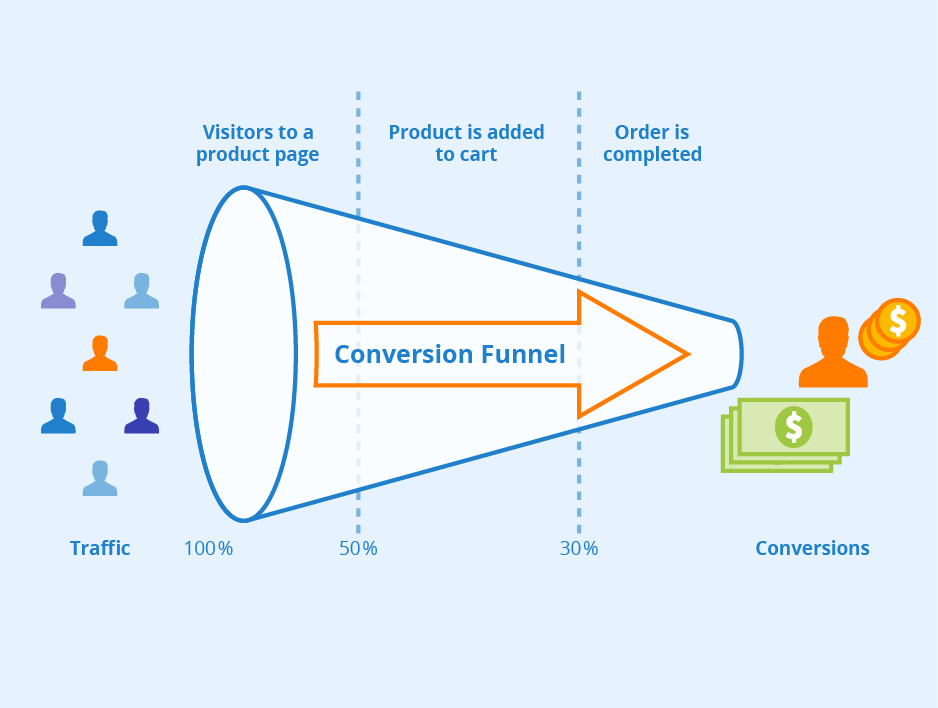
The Hidden Killer of eCommerce Conversions: Ineffective Meta Tags & Descriptions
Introduction
As an eCommerce business owner or marketer, you understand the importance of driving traffic to your website. But what happens when that traffic doesn't convert? One hidden killer of eCommerce conversions is ineffective meta tags and descriptions. Meta tags and descriptions are the snippets of text that appear in search engine results pages (SERPs) below the title tag. They provide a brief preview of what users can expect to find on your website if they click through from the SERP. In this article, we'll explore why it's crucial for eCommerce businesses to pay attention to their meta tags and descriptions, how they impact conversion rates, and some strategies for crafting effective ones that drive clicks and ultimately sales. What are Meta Tags and Descriptions?
Understanding Meta Tags
Meta tags are HTML elements that provide information about a web page to search engines and social media platforms. These tags are not visible on the website itself, but rather in the source code. Search engines use meta tags to understand what a webpage is about and how it should be indexed. Meta tags also help improve click-through rates by providing an accurate description of the content on the page. Importance of Descriptions
Descriptions, on the other hand, are short summaries of a web page's content that appear below its title in search engine results pages (SERPs). Their main purpose is to give users an idea of what they can expect when they click through to a website from their search query. A well-written and concise description can entice users to click through to your site and potentially increase your traffic. How They Are Used by Search Engines
Search engines like Google use meta tags as one way to determine how relevant a webpage is for specific keywords or phrases searched by users. The more accurately you describe your content with meta tags, the more likely it is that search engines will display your website in response to relevant queries. Google uses several different types of meta tags, including title tags, description tags, keyword metadata, robots metadata (which tells crawlers whether or not they should index certain pages), and others. However, over time Google has become less reliant on these traditional signals as ranking factors due to widespread abuse by spammers who used them for manipulative purposes.
How They Are Used by Social Media Platforms
Social media platforms like Facebook also use meta descriptions when shared links show up in user feeds or timelines. By using descriptive language in these descriptions you're more likely grab someone's attention enough for them share it themselves which propagates further reach across social media sites leading potentially back into increased conversions at your online store.
Overall ensuring effective usage of both meta-tags & descriptions creates better visibility across multiple platforms and increases the chances of attracting qualified leads to your online store.
The Importance of Accurate Meta Information
Meta tags and descriptions are a crucial aspect of eCommerce website optimization. Accurate meta information helps search engines understand the content on your site, which in turn improves visibility and ranking in search results. However, inaccurate or misleading meta information can have a detrimental effect on eCommerce conversion rates. In this section, we will discuss the negative impact that ineffective meta tags and descriptions can have on bounce rates, engagement levels, and SEO. Increased Bounce Rates
One of the most significant impacts of inaccurate or misleading meta information is increased bounce rates. When users click through to your site from a search engine result page (SERP), they expect to find content that matches their query. If your meta tags and descriptions do not accurately reflect the content on your site, users will quickly leave in frustration, leading to high bounce rates. For example, imagine you own an online store selling athletic shoes but use generic product names instead of specific shoe models for your title tags. A user searching for "Nike Air Max" might land on one of your category pages with a generic title tag like "Men's Running Shoes," only to discover there are no Nike Air Max shoes available. This mismatch between expectation and reality often leads to immediate abandonment by frustrated visitors.
High bounce rates negatively impact conversion rates because they indicate poor user experience. Search engines take note of high bounce rates as well since it suggests low relevance between the user's query and the content on your site. Low Engagement
Inaccurate or misleading meta information also leads to low engagement levels among visitors who do not immediately abandon their sessions after landing on a page with irrelevant content but stay long enough to realize that what they were looking for was not found there.
If you manage an online store selling products related to pets' care but provide incomplete or vague description about those products such as lacking material detail 'Nylon Dog Leash,' without mentioning its length size; customers may lose trust in buying from your store and may naturally leave to find a product with more detailed information.
Low engagement levels are problematic because they indicate that visitors do not find the content on your site valuable or relevant enough to continue exploring, leading to missed opportunities for conversion.
Negative Impact on SEO
Lastly, inaccurate meta tags and descriptions can negatively impact search engine optimization (SEO). When users consistently abandon pages from your site after finding irrelevant content, it sends negative signals to search engines about the quality of your website. Consequently, this could lead to lower rankings in SERPs over time.
Moreover, if Google detects deceptive practices such as stuffing unrelated keywords into meta tags or descriptions just for ranking purposes without offering any real value behind those words; it might penalize that website by lowering its overall visibility and credibility. Real-World Examples
Real-world examples illustrate how ineffective meta information can have a significant impact on eCommerce conversion rates. For instance:
1) A well-known online retailer of home goods saw organic traffic drop 75% after using generic title tags instead of specific product names.
2) An online clothing store increased conversions by 20% after updating their meta description with clear calls-to-action.
3) A health supplement company lost trust among consumers when they used misleading title tags claiming that their products had miraculous healing properties without providing sufficient evidence-based research results
These examples highlight how vital accurate and effective meta information is for eCommerce businesses looking to optimize their websites' performance.
Tips for Creating Effective Meta Tags and Descriptions
Meta tags and descriptions are essential components of your eCommerce website's SEO strategy. They provide valuable information to search engines, giving them an understanding of what your site is about and how it relates to specific keywords. Without accurate and effective meta information, you risk losing out on potential traffic, leads, and sales. Here are some actionable tips for creating accurate and effective meta information that can improve your online store's conversion rates. Using Relevant Keywords
One of the most critical elements of creating effective meta tags and descriptions is using relevant keywords. These words or phrases should be related to the products or services you offer on your website. By choosing the right keywords, you can attract more targeted traffic to your site from people who are actively searching for those terms. To identify relevant keywords for your eCommerce business:
Conduct keyword research: Use tools like Google Keyword Planner or SEMrush to identify high-volume search terms related to your niche.
Analyze competitor sites: Look at what other businesses in your industry are targeting with their content.
Consider long-tail keywords: Focus on longer phrases that may have less competition but better conversions.
Once you've identified relevant keywords for each page on your eCommerce site, incorporate them into title tags, meta descriptions, header tags (H1-H6), URLs, image alt text - anywhere within the HTML code where they're appropriate.
Writing Compelling Copy
The goal of any eCommerce description is not just ranking well in search engine results pages; it's also getting clicks from users once they see a snippet preview containing both headline & description copy in SERPs (search engine result pages). A well-written description can entice users to click through by offering a compelling value proposition that resonates with them personally while addressing their needs at this moment when they're browsing/searching online versus checking social media accounts etcetera - something every marketer dreams about!
Here’s how you can write compelling copy:
Understand your audience: Know their pain points, interests, and what motivates them. Use that information to craft copy that speaks directly to them.
Highlight unique selling propositions (USPs): What sets your products or services apart from competitors? Focus on those USPs in your meta descriptions.
Use persuasive language: Action-oriented verbs like "get," "buy," or "discover" can encourage clicks.
Remember, the goal of writing compelling copy for meta tags and descriptions is not just to rank well in search results but also to attract potential customers who are searching for products like yours.
Avoiding Common Mistakes
Creating effective meta information requires attention to detail and avoiding common mistakes. Here are some of the most common mistakes eCommerce businesses make when creating meta tags and descriptions:
Keyword stuffing: Using too many keywords in an attempt to manipulate search engine rankings can lead to a penalty. Be judicious with keyword usage.
Duplicate content: Every page's title tag should be unique so as not to compete against itself for ranking signals.
Ignoring character limits: Google displays up-to 70 characters for titles & 160 characters for descriptions; exceeding these will result in ellipses being displayed instead of full text snippets leading users away from clicking through into your website pages/products/services.
By avoiding these common mistakes while creating accurate and effective meta information, you'll improve the overall performance of your eCommerce site's SEO strategy.
Conclusion
In conclusion, eCommerce conversions can be greatly impacted by the use of ineffective meta tags and descriptions. We have discussed how inaccurate or incomplete information in these areas can lead to a decrease in click-through rates and ultimately harm sales. It is important for online store owners and marketers to understand the significance of accurate and effective meta information in improving eCommerce conversion rates. By taking the time to properly optimize these elements, businesses can increase their visibility on search engine results pages, attract more qualified traffic, and ultimately boost sales performance. In today's competitive digital landscape, it is crucial that online stores prioritize their SEO strategies by paying close attention to every detail that affects website rankings. Accurate metadata is just one example of an often overlooked but critical element that should not be ignored if you want your business to remain at the forefront of its industry and stand out among competitors.