5 Vital SEO Tips for Ranking Medical Keywords in Healthcare
Introduction
Importance of SEO for Medical Keywords
In today's digital age, it is crucial for healthcare businesses and professionals to have a strong online presence in order to attract patients and provide them with the best possible care. One of the key components of a successful online presence is search engine optimization (SEO), which involves optimizing your website and content so that it appears higher in search engine results pages (SERPs) when people search for relevant keywords. For healthcare businesses and professionals, ranking well for medical keywords is especially important. Patients often turn to the internet as their first source of information when looking up symptoms or researching treatment options, which means that appearing at the top of SERPs can make all the difference in terms of attracting new patients.
Difficulty in Ranking Medical Keywords
However, ranking for medical keywords can be particularly challenging due to several factors. Firstly, there are strict regulations around medical content that require expertise and accuracy from authors. Secondly, competition among healthcare businesses and professionals trying to rank for the same keywords can be fierce.
Additionally, Google has recently made changes to its algorithm that prioritize E-A-T (expertise-authoritativeness-trustworthiness) signals when evaluating health-related content. This means that simply stuffing your website with medical keywords is no longer enough - you need high-quality content written by experts who know what they are talking about.
As an SEO specialist working within the healthcare industry, I understand these challenges intimately. In this blog post, I will share five vital tips on how you can optimize your website and content to improve your chances of ranking well for medical keywords in SERPs. By following these tips, you'll not only increase traffic to your site but also establish yourself as a trusted authority within your field.
Keyword Research
In the healthcare industry, keyword research plays a crucial role in ensuring that your website ranks high on search engines. Keyword research is the process of identifying popular and relevant search terms used by potential customers when searching for products or services related to your business. It helps you understand what people are looking for and how they're searching for it. With medical keywords, it's even more important to conduct thorough research because of the highly competitive nature of the industry. Importance of Medical Keywords
Medical keywords refer to words or phrases associated with health-related topics such as diseases, treatments, symptoms, medications and healthcare providers. In today’s digital age where patients rely heavily on online information before making decisions regarding their health care needs, having a strong presence on search engines through optimized medical keywords can provide significant benefits to businesses in this industry. By ranking higher on search engine results pages (SERPs), healthcare professionals can increase visibility among prospective patients who are seeking specific information about their services.
Tips for Conducting Effective Keyword Research
Identify Relevant Topics: Start by brainstorming a list of relevant topics based on your areas of expertise within the healthcare industry.
Use Google Suggestions: Utilize Google suggestions which appear at bottom after typing any word/phrase into google.com's Search Bar.
Analyze Competitor Websites: Analyzing competitor websites is another effective way to identify new opportunities for keyword optimization by analyzing their content structure and understanding target audience behaviours.
Use Long-Tail Keywords: Long-tail keywords are very specific phrases that tend to have low competition but high intent value from users as they clearly know what they want thus increasing chances of conversion rate .
5.Utilize Free Online Tools/Resources : There are many helpful resources available online like Ahrefs' Keywords Explorer tool , Moz Keyword Explorer etc., which provides insights into estimated monthly searches volume as well as level competition surrounding each term.
How To Find Low Competition Keywords
Finding low competition keywords in the healthcare industry can be challenging. However, it's not impossible. One way to find low competition keywords is by using long-tail keywords which are specific phrases that have lower search volume but higher conversion rates. Another way is to focus on niche topics within your area of expertise where there may be less competition for certain medical services or treatments.
How To Prioritize Keywords Based On Search Volume and Relevance
When prioritizing keywords, it's important to consider both search volume and relevance. High search volume doesn't always mean high relevance or conversions, so you should prioritize based on what makes sense for your business goals and target audience behaviours.
Start by creating a list of relevant medical terms with potential traffic volumes associated with each term; from this list choose ones that best describe your organization’s offerings as well as those having moderate-to-high monthly searches while being relevant & competitive enough within niche areas of interest.
Tools And Resources For Keyword Research
There are many free tools available online like Google Trends, Answer The Public etc., which can help businesses conduct effective keyword research for their websites without breaking the bank. These tools provide insights into estimated monthly searches volume as well as level competition surrounding each term thus making data-driven decisions simpler than ever before!
On-Page Optimization
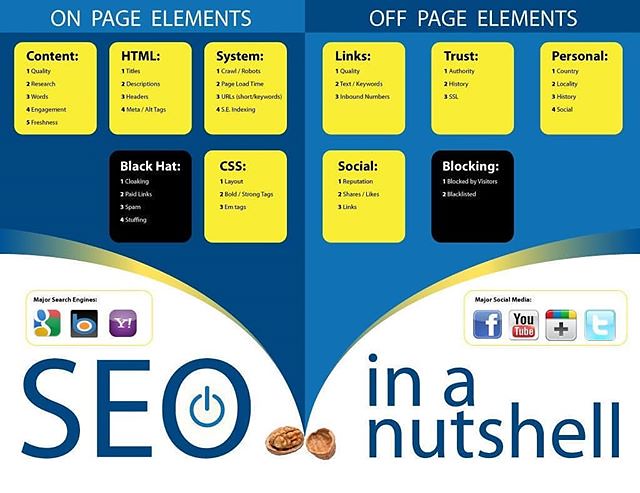
On-page optimization is an essential aspect of SEO for ranking medical keywords in the healthcare industry. It involves optimizing website content and structure to ensure that search engines can easily crawl, index, and understand all the information on a website. Effective on-page optimization can help healthcare businesses and professionals improve their online visibility, increase organic traffic, and attract more patients. Optimizing Website Content
To optimize website content for medical keywords, it's important to use them strategically throughout the text. This includes incorporating relevant long-tail keywords in headings, subheadings, meta descriptions, and body copy. However, keyword stuffing should be avoided as it can negatively impact user experience and result in penalties from search engines.
Creating high-quality content that provides value to readers is also crucial for effective on-page optimization. This means writing informative articles that answer common questions or concerns patients may have about specific health conditions or treatments. The use of images or videos can further enhance user experience by making the content more engaging.
In addition to using appropriate medical terms throughout your content, readability is another important factor to consider when optimizing website copy. Writing in short paragraphs with simple language will make your site easier to read for both humans and search engine crawlers alike.
Optimizing Website Structure
Website structure plays a significant role in helping search engines understand how different pages are related within your site hierarchy. A clear and organized navigation menu enables users (and bots) to easily navigate through different sections of your site without getting lost or confused.
Internal linking - connecting one page of your website with another - is an excellent way of boosting engagement metrics like time spent on page while simultaneously passing link equity between pages which helps boost overall authority score too.Including internal links from higher authority pages back into lower ones also strengthens weaker pages over time!
Furthermore,a well-structured URL architecture allows Googlebot spiders access deeper levels into individual web-pages than might otherwise be possible if not properly optimized.For example,simply adding a category to the URL of a blog post (e.g. /healthcare/5-vital-seo-tips-for-ranking-medical-keywords-in-healthcare/) can help search engines better understand the content topic.
Metadata Optimization
Metadata refers to information that describes your website and its pages, such as title tags, meta descriptions, and header tags.Using medical keywords in these elements is essential for on-page optimization.For example,you might include "cardiology" or "orthopedics" in your page titles or headers.Titles should be between 60-70 characters long while descriptions should not exceed 160 characters.
Additionally,meta descriptions provide an opportunity to write enticing summaries that entice users to click through from SERPs.
Successful On-Page Optimization
An excellent example of successful on-page optimization is Mayo Clinic's website.Their use of high-quality content with relevant medical terms along with clear navigation system makes it easy for patients to find what they need. Additionally,the site includes internal links back into other sections by using breadcrumbs which allows those crawling spiders access deeper levels into individual web-pages than might otherwise be possible if not properly optimized.
Backlink Building
Backlinks are an essential component of any successful SEO strategy. In the healthcare industry, backlinks from reputable sources help to build authority and increase visibility for medical keywords in search engine results pages (SERPs). Backlink building involves acquiring links from other websites that point to your site, indicating to search engines that your content is valuable and trustworthy. Importance of Backlinks for Medical Keywords in Healthcare Industry
Backlinks play a crucial role in determining the ranking of medical keywords on SERPs. Search engines consider backlinks as votes of confidence from other sites, indicating that they trust and value your content. The more high-quality backlinks you have pointing to your site, the higher your website's domain authority will be, providing a significant boost to rankings for medical-related searches.
Since healthcare businesses often deal with sensitive information related to patient health issues, it is important only to acquire backlinks from authoritative sources within the industry. Receiving links from untrustworthy or irrelevant sites may result in penalties by search engines.
Tips for Building High-Quality Backlinks
Building high-quality backlinks requires time and effort but can provide enormous benefits if done correctly. Here are some tips for effective link building:
Focus on creating high-quality content that others would want to share.
Reach out directly via email or social media platforms like LinkedIn or Twitter when trying to secure guest posting opportunities.
Participate actively on relevant forums such as Quora or Reddit and leave insightful comments with links pointing towards helpful resources where appropriate.
Conduct broken link analysis using tools like Ahrefs or SEMrush; this involves finding broken links on authoritative sites within the healthcare niche and reaching out asking them if they would replace their error 404 page with one of yours instead.
Use press releases strategically: submit them only when there is something newsworthy happening within your business rather than spamming news outlets every week hoping for coverage.
The key takeaway here is that building quality backlinks requires effort, creativity, and a willingness to engage with others within the healthcare community actively.
Importance of Anchor Text and How to Optimize it
Anchor text refers to the clickable words that form hyperlinks pointing towards your site. Search engines use anchor text as an important ranking factor when determining the relevance of linked content. It is crucial only to use relevant keywords in anchor texts while avoiding over-optimizing them. Overuse or misuse of anchor text can result in penalties from search engines.
To optimize anchor text for medical keywords in healthcare-related content:
Use descriptive keywords that accurately describe what users will find on your page.
Avoid using exact-match keyword phrases repeatedly; instead, aim for variety and natural language patterns.
Use branded terms occasionally but not excessively.
Remember, always prioritize user experience by ensuring that any links you include are genuinely helpful resources rather than spammy attempts at self-promotion.
Examples and Case Studies of Successful Backlink Building
One example of successful backlink building within the healthcare industry is Mayo Clinic's website. The organization has established itself as an authoritative source on health-related topics through its extensive library of articles related to various conditions and treatments available online. As a result, numerous high-authority sites such as WebMD have linked back to their pages naturally without any outreach efforts required.
Another example involves Cleveland Clinic's Health Essentials blog focusing on providing comprehensive information about different aspects related to health care issues like nutrition or exercise tips etc., which has been successful because it provides value added insights into critical areas where audiences require credible knowledge sources before making decisions around treatment options or lifestyle changes. This blog receives many shares across social media platforms indicating its popularity amongst readers resulting in several high-quality backlinks coming from reputable sources outside their domain space.
Mobile Optimization
In today's world, mobile optimization is no longer a luxury but a necessity for any website that wants to rank high on search engines. The healthcare industry is not an exception since more than 60% of online searches related to health are performed on mobile devices. Therefore, medical businesses and professionals should optimize their websites for mobile devices if they want to be found by potential patients.
Importance of Mobile Optimization
One of the main reasons why mobile optimization is essential in the healthcare industry is because people use their smartphones as personal assistants when seeking medical information or services. Patients expect results quickly, efficiently, and with ease on their small screens. If your site doesn't meet those expectations or takes too long to load or navigate through, patients will likely leave your site and find another one that meets their needs.
Moreover, Google has confirmed that it uses mobile-first indexing; this means that its algorithms prioritize the content from a website's mobile version while ranking pages on search engine result pages (SERPs). A well-optimized responsive design ensures all users see the same content regardless of how they access it - desktop or smartphone. Tips for Optimizing Website for Mobile Devices
To ensure maximum visibility among potential clients using smartphones to browse and locate medical services within their area requires some best practices:
1) Responsive Design: This approach ensures that every user sees the same content across various screen sizes without having to scroll horizontally; these designs automatically adjust based on device size.
2) Keep It Simple: Simplify web design elements such as buttons and menus so users can easily identify them even when viewing them through smaller screens.
3) Optimize Images: Compress images before uploading them onto your site; larger file sizes slow down page loading times which affects overall user experience negatively.
4) Minimize Pop-Ups: Many pop-ups may make sense in a desktop environment where there’s ample space available but tend not too much distracting on smaller screens used with mobile devices.
5) Use Large Fonts: Larger fonts are easier to read on small screens; this simple optimization technique can make a big difference in user experience.
Importance of Responsive Design and How to Implement It
Responsive design is an essential component of mobile optimization. This approach ensures that every user sees the same content across various screen sizes without having to scroll horizontally, making it easier for your site visitors to navigate through your pages. One way you can implement responsive design is by using CSS media queries which adapt web page layouts based on device resolution.
Another way is by taking advantage of popular CMS platforms such as WordPress or Drupal, which have many themes with responsive design built-in. Some web developers also prefer frameworks like Bootstrap or Foundation because they provide pre-designed elements that automatically adjust based on screen size.
Examples and Case Studies of Successful Mobile Optimization
Many healthcare businesses have embraced mobile optimization techniques resulting in improved search engine rankings, increased traffic, and more conversions from patients looking for health services online. For example, Urgent Care Hawaii achieved a 30% increase in overall website engagement after implementing their mobile-first strategy with clear calls-to-action buttons. Another case study reported that Garden City Hospital saw a 48% increase in organic traffic after switching over to a fully-responsive website design.
Local SEO
Local SEO is crucial for medical keywords in the healthcare industry. When patients search for healthcare services, they often look for local options first. This means that if a healthcare business has not optimized their website and online presence for local search, they could be missing out on potential patients. Tips for optimizing website for local search
To optimize a website for local search, there are several things that can be done:
Add location-specific keywords to page titles, meta descriptions, and content.
Include contact information such as address and phone number on every page of the website.
Create location-specific pages with unique content that targets specific areas.
Use structured data markup to help search engines understand the location of the business.
By implementing these tips, a healthcare business can improve their chances of ranking higher in local searches.
Importance of Google My Business
Google My Business is an essential tool when it comes to local SEO. It allows businesses to create a profile with information such as hours of operation, address, phone number, reviews from other patients and more.. By having an accurate and complete Google My Business listing , businesses will have a better chance at appearing in Google's Local Pack (the top three results displayed when someone searches locally). To optimize your Google My Business profile , make sure all fields are filled out completely including verified office hours,and categories should accurately describe what kind of medical practice you run.Use relevant images like logo or photos which represents type of services you offer.Additionally,maintain good patient communication by responding promptly to user reviews whether positive or negative feedbacks.
Examples/case studies
There are many examples where optimizing websites through Local SEO resulted in success stories.For example,a dental clinic located outside Boston saw significant growth after investing time into improving its online presence.Their web design company focused heavily on targeting specific regions like Brookline,Cambridge etc by using location-based keyword optimization techniques.They also created individual pages for each location they were targeting,which helped the website rank higher in local searches. As a result ,they saw an increase of 30% in new patient inquiries.
In another case study,a chiropractic clinic located in Portland used Google My Business to improve its online presence.They added photos and updated their business information on the platform.Their efforts paid off when they started receiving more phone calls from people who found them through Google search results. In fact, within three months of optimizing their listing, they saw a 50% increase in phone calls.
Conclusion
In conclusion, implementing these 5 vital SEO tips for ranking medical keywords in healthcare can significantly improve the online visibility and traffic of healthcare businesses. By optimizing website content with relevant keywords, improving site speed, building authoritative backlinks, utilizing social media platforms, and monitoring analytics data regularly; healthcare professionals can attract more qualified leads to their websites. This will ultimately lead to increased patient volumes, higher revenue streams, and a better reputation among peers in the industry. In today's digital age where patients are increasingly using search engines to find reliable health information and services; it is essential for healthcare businesses to prioritize their online presence through effective SEO strategies.