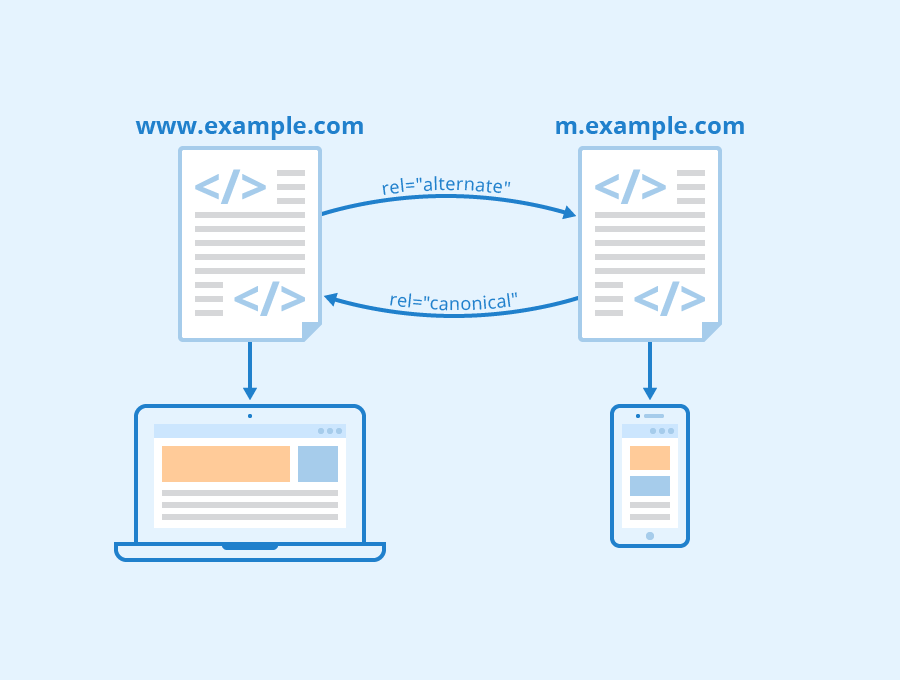
Revamping Your Healthcare Website for Mobile Users: A Complete Optimization Audit Guide
Introduction
In today's digital age, it is no secret that mobile optimization has become an essential component of any successful website. With the majority of internet users accessing websites through their smartphones and tablets, healthcare organizations must prioritize mobile optimization to remain competitive in the industry. Unfortunately, poor mobile optimization remains a significant problem for many healthcare websites. This can lead to frustrated users who may choose to seek services from competitors with more user-friendly sites. As such, conducting a comprehensive audit of your healthcare website's mobile optimization is crucial for ensuring its success in attracting and retaining patients online. In this article, we will provide you with a complete guide on how to conduct a thorough audit of your healthcare website's mobile optimization so that you can better serve your patients and improve overall business outcomes.
Basics of Mobile Optimization Audit
What is a Mobile Optimization Audit?
A mobile optimization audit is the process of analyzing and evaluating a website's mobile user experience to identify areas for improvement. It involves reviewing the site's design, functionality, and content to ensure that it meets the needs of mobile users. This type of audit typically includes an assessment of page load speeds, navigation ease, readability, and overall functionality on various devices. The purpose of a mobile optimization audit is to identify any issues that may be hindering the site's performance on mobile devices and provide recommendations for improving its usability. Why is Mobile Optimization Important for Healthcare Websites?
Mobile optimization is critical for healthcare websites because it can have a significant impact on both user experience and search engine rankings. With more people using smartphones and tablets to access information online than ever before, having a website that performs well on these devices has become essential. A poorly optimized healthcare website can lead to frustrated users who struggle to find what they need or abandon the site altogether. In contrast, a well-optimized site provides an excellent user experience that encourages visitors to stay longer and engage with your content more deeply.
In addition to enhancing user experience, mobile optimization also plays a crucial role in search engine rankings. Google has made it clear that they prioritize sites that are designed with mobile users in mind by giving them higher ranking positions in search results pages (SERPs). Sites that fail to optimize their content for mobile devices risk losing visibility as Google penalizes non-mobile-friendly sites by lowering their position in SERPs.
Therefore conducting regular audits on your healthcare website’s performance across different types of browsers & screens sizes should be undertaken regularly so you don't miss out opportunities from such potential patients' queries or searches leading up-to providing better patient care/services while staying ahead in competition at same time!
Tools and Metrics for Mobile Optimization Audit
Tools for Mobile Optimization Audit
When conducting a mobile optimization audit for a healthcare website, there are various tools available to evaluate its mobile-friendliness. These tools can help identify areas of improvement and provide recommendations on how to optimize the website's performance. One tool is an analysis of the website's page speed using Google's PageSpeed Insights. This tool provides insights into how fast the site loads on both desktop and mobile devices, as well as suggestions on how to improve loading time. Another useful tool is Google's Mobile-Friendly Test, which evaluates whether a website meets the criteria for being considered "mobile-friendly" by Google search algorithms. Metrics to Evaluate Mobile Optimization
To conduct a thorough mobile optimization audit, it is important to consider several key metrics that evaluate different aspects of user experience on mobile devices. One critical metric is page load speed - studies have shown that even one-second delay in page load time can result in decreased user engagement and increased bounce rates. Other metrics include responsiveness - does the site adjust appropriately across different screen sizes? Is content easily accessible without needing excessive scrolling or pinching-zooming? Navigation - are buttons and menus easy to find and use with fingers instead of mouse clicks? Visuals-are images optimized for quick loading times while maintaining high quality? Steps to Optimize a Healthcare Website for Mobile Users
Mobile optimization is essential for any healthcare website to ensure that it caters to the needs of mobile users. With a significant number of people accessing websites through their smartphones and tablets, it's crucial to optimize your healthcare website for these devices. In this section, we will provide you with a step-by-step guide on how to optimize your healthcare website for mobile users.
Step 1: Analyze Your Current Mobile Optimization
The first step towards optimizing your healthcare website for mobile users is analyzing your current mobile optimization. This step involves identifying areas that need improvement on your site. Start by testing the speed of your site using tools such as Google PageSpeed Insights or GTmetrix. Next, check if all the content on your desktop version is available on the mobile version of your site and whether they are easily accessible from a smaller screen size. Also, make sure that every link works correctly and leads visitors to relevant pages without taking too much time.
It's also crucial to analyze user behavior data using tools like Google Analytics or Hotjar heatmaps so you can understand how people interact with different parts of your site while browsing through their phones.
By analyzing these metrics, you can identify issues in loading times, broken links or non-responsive buttons which could affect user experience negatively. Once identified, take corrective measures immediately before losing potential patients due to poor user experience. Step 2: Improve Mobile Site Speed
Mobile Site Speed plays an important role in keeping visitors engaged and reducing bounce rates. A slow-loading page will not only frustrate visitors but also hurt search engine rankings because search engines prioritize sites with fast load times over slower ones when ranking them in results pages (SERPs).
To improve speed performance:
Optimize images by compressing them without affecting image quality.
Use browser caching – this allows returning visitors' browsers not having
to reload certain elements such as CSS files each time they visit.
Solve server response time delays by using fast hosting services.
Minimize the number of HTTP requests by reducing the number of elements on a page.
By implementing these tips, you will significantly improve your site speed and reduce bounce rates while improving user experience. This translates to better search engine rankings and more traffic to your healthcare website.
Step 3: Optimize for Mobile Responsiveness
Mobile responsiveness refers to how well a website adjusts itself according to different screen sizes. It's important because mobile devices come in various resolutions that are different from desktops, which means that layouts need adjusting for optimal viewing experience. To optimize for mobile responsiveness:
Use responsive design – this ensures that the layout automatically adapts
to fit any screen size without compromising content quality or usability.
Ensure mobile-friendly navigation – use drop-down menus, vertical tabs,
or other designs suited for smaller screens so users can easily navigate through pages.
Keep it simple - avoid cluttering pages with too much information as this makes it difficult to read and access content on smaller screens; keep text short but informative.
By optimizing for mobile responsiveness, you ensure an enjoyable browsing experience across all devices. This not only improves engagement rates but also helps boost conversion rates (i.e., turning visitors into patients).
Conclusion
In conclusion, optimizing your healthcare website for mobile users is essential in today's digital age. With the majority of internet usage occurring on mobile devices, it is crucial to ensure that your website is accessible and user-friendly on all types of screens. Throughout this article, we have outlined a complete optimization audit guide for healthcare websites looking to revamp their mobile user experience. From analyzing page speed to implementing responsive design and ensuring accessibility compliance, each step plays a critical role in improving the overall performance of your website. By conducting a thorough mobile optimization audit, you can enhance user engagement and satisfaction while also boosting search engine rankings and ultimately increasing conversions. So if you haven't already done so, take the necessary steps towards optimizing your healthcare website for mobile users today! See Also