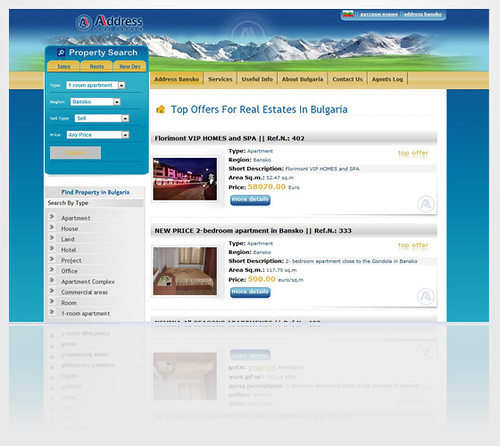
10 Tips to Optimize Your Real Estate Website for SEO Success
Importance of Keyword Research
One of the most important factors in optimizing real estate websites for search engines is keyword research. Keyword research is the process of identifying and analyzing specific keywords and phrases that people use when searching online. By understanding what keywords are relevant to your target audience, you can create content that addresses their needs and interests. This not only helps improve your website's rankings on search engine results pages (SERPs), but also drives more traffic to your site. Successful keyword research in the real estate industry involves a deep understanding of both the local market and potential clients' search behavior. For example, if you specialize in luxury homes located near popular golf courses, you would want to include variations of these keywords in your website's content such as "luxury golf course homes," "homes near [specific golf course name]," or "luxury properties with golf course views." Similarly, if you manage rental properties geared towards college students, incorporating phrases like "student housing" or "apartments near campus" into your website's copy could help attract more relevant traffic.
By conducting thorough keyword research before creating content for your real estate website, you can identify high-traffic terms related to specific property types or locations that will help drive more qualified leads to your site. Additionally, by using tools like Google AdWords Keyword Planner or SEMrush, you can gain insights into how competitive certain keywords may be - allowing for better targeting opportunities within less crowded niches.
Ultimately, successful SEO optimization requires an ongoing commitment to monitoring changes in consumer behavior and continually refining strategies based on emerging trends. By staying up-to-date with best practices for researching and utilizing optimized keywords effectively within marketing campaigns across all digital channels available - from social media engagement through email newsletters & targeted landing pages – there’s plenty room left over do just about anything else imaginable!
On-Page Optimization Techniques
On-page optimization is a crucial component of any successful SEO strategy. By optimizing the title tags, meta descriptions, and other on-page elements of your real estate website, you can improve your site's visibility in search engine results pages (SERPs) and drive more traffic to your site. In this section, we'll provide tips for optimizing these on-page elements and explain why they're important for real estate websites. Optimizing Title Tags
Title tags are one of the most important on-page elements for SEO. They're the first thing that users see when they look at a search result, so it's essential to write compelling titles that accurately reflect the content of your pages.
Effective title tags should be concise (under 60 characters), include relevant keywords, and entice users to click through to your site. For example:
"Luxury Condos in Downtown Seattle - Find Your Dream Home Today"
"Expert Real Estate Brokerage Services - Contact Us Now"
By including targeted keywords in your title tags, you can signal to search engines what topics each page covers. This helps them understand how relevant each page is to specific queries and improves their ability to rank those pages accordingly.
Optimizing Meta Descriptions
Meta descriptions are another critical on-page element that plays a role in SEO success. While not directly used as a ranking factor by Google or other search engines today; however it still plays an important part since it shows up beneath the title tag within SERPs informing potential visitors about additional information regarding what will be found if clicked upon..
To write effective meta descriptions:
Keep them under 160 characters
Summarize the main point(s) covered in the corresponding webpage
Include CTAs (calls-to-action) such as 'Learn More' or 'Call Us'
For instance:
"Find Your Next Home with Our Expert Team – Browse Hundreds of Listings Online & Schedule A Viewing Today!"
Other On-Page Optimization Techniques
In addition to title tags and meta descriptions, several other on-page optimization techniques can help improve the visibility of your real estate website. Here are some tips:
Header Tags
Header tags (H1, H2, H3) help organize content on a page and signal its relevance to search engines. Be sure to include relevant keywords in your header tags and use them consistently throughout your site.
For instance:
"H1 – Find Your Next Home with Our Expert Team"
"H2 - Browse Hundreds of Listings Online & Schedule A Viewing Today!"
" H3 - View New Property Listings Daily!"
Optimizing Images
Images play an essential role in real estate websites; they make listings more attractive and engaging for users. However, it is also vital that images do not slow down the loading time of the webpage because this would turn off potential customers who could be visiting from mobile devices where data allowances may be limited.
To optimize images for SEO:
Use descriptive file names
Compress image files to reduce their size without sacrificing quality
Add alt text descriptions so that search engines can understand what each image is about
Example: "Seattle-Luxury-Condo-for-Sale.jpg" or "Downtown-Miami-Penthouse-Apartment.jpeg"
Internal Linking
Internal linking refers to links within your site that connect one page or post to another. By using internal links strategically you create opportunities for visitors by providing additional information as well as keeping them engaged with more content instead of leaving the website entirely.
For example:
"On our Seattle Luxury Condos listing page," we have included a link pointing out potential buyers towards our 'Expert Brokerage Services' page."
Optimizing these on-page elements takes time but doing so will significantly increase visibility in SERPs improving traffic flow resulting in higher chances of generating leads which ultimately translates into successful sales transactions.
Creating High-Quality Content
Creating high-quality, SEO-friendly content is crucial for the success of any real estate website. Not only does it help improve your search engine rankings and attract more organic traffic to your site, but it also helps establish your brand as a trusted authority in the industry. However, creating content that both satisfies user intent and meets Google's E-A-T guidelines can be challenging. Understanding User Intent
Understanding user intent is key to creating high-quality content that resonates with your target audience. It involves identifying the questions or problems that users are trying to solve when they search for information online. By understanding what motivates their searches, you can create relevant and valuable content that answers their queries.
To identify user intent for real estate websites, start by analyzing popular keywords related to your niche using tools like Google Keyword Planner or Ahrefs. Look at the search volume and competition score of each keyword to determine which ones are worth targeting.
Once you have a list of relevant keywords, use them as a starting point for developing topic ideas that align with user intent. For example, if one of your targeted keywords is "homes for sale in San Francisco," consider writing an article about the best neighborhoods in San Francisco for families or first-time homebuyers.
Another way to satisfy user intent is by providing comprehensive guides on specific topics within real estate such as buying vs renting homes; how much home insurance should cost; etc.
Optimizing Content for Voice Search
As voice assistants become increasingly popular among consumers, optimizing your content for voice search has become essential. According to Comscore's 2020 Global State of Mobile report[1], half of all searches will be conducted through voice commands by 2022.
When optimizing content for voice search on real estate sites:
Use natural language: Optimize conversational phrases instead of traditional keyword-based sentences.
Focus on long-tail keywords: When people speak out loud while searching via voice, they tend to use more words than when typing. Focusing on long-tail keywords helps content rank higher in voice search results.
Answer common questions: Voice searches often involve asking specific questions, so it's essential to provide clear and concise answers.
A successful example of a real estate website that has optimized for voice search is Redfin[2]. They have implemented a feature called "Redfin Real-Time" where users can ask Alexa about the current home value of any property in their local market.
Creating Engaging Content
Creating engaging content goes beyond just satisfying user intent or optimizing for SEO; it involves creating valuable information that captivates your audience's attention and encourages them to take action.
To create engaging content:
Use visuals: Incorporate images, videos, infographics or other visual elements into your articles can make them more interesting.
Tell stories: Sharing real-life experiences or success stories makes your message relatable and humanizes your brand.
Provide actionable advice: Offer practical tips related to topics like buying/selling process or financing options etc., which readers can put into practice immediately after reading.
One example of successful engagement in the industry is Zillow[3]'s blog article titled "7 Home Decorating Tips Inspired by Coastal Living". The post features beautifully photographed interiors along with tips on how to achieve similar looks for different budgets. This type of visually appealing and informative content resonates well with its target audience interested in coastal living styles.
Building Backlinks
Backlinks are an essential factor in any successful SEO strategy. They signal to search engines that other websites consider your content to be valuable and relevant, which can boost your website's authority and ranking in search results. For real estate websites specifically, building backlinks is crucial for establishing credibility and trust with potential clients.
Tips for Building High-Quality Backlinks
Create quality content: The best way to earn backlinks is by creating high-quality content that others will want to link to naturally.
Guest posting: Writing guest posts on reputable blogs or industry publications can be a great way to earn backlinks while also establishing yourself as an expert in the field.
Collaborate with other businesses: Partnering with other businesses or organizations within the real estate industry can open up opportunities for cross-promotion and link-building.
Use social media: Sharing your content on social media platforms not only helps drive traffic but also increases the likelihood of others sharing it as well.
Build relationships with influencers: Identify influential figures within the real estate industry and engage with them regularly through commenting, sharing their content, or collaborating on projects together.
Successful Backlink Building Examples in Real Estate Industry
One example of successful backlink building in the real estate industry comes from Zillow, one of the largest online marketplaces for buying/selling homes. By partnering with various news outlets across the country such as Forbes or CNBC, Zillow has been able to secure high-quality links from authoritative sources within their niche consistently over time. Another example is Redfin, a popular brokerage firm known for its innovative approach towards home-buying process automation. They have implemented a unique strategy where they offer educational resources like articles about how technology has impacted house hunting - this type of resource-driven outreach continues generating numerous organic links from top sites each year since 2016 due mainly because many people considered these articles informative/valuable enough themselves without being incentivized by Redfin.
Tracking Performance and Making Adjustments
Tracking website performance and making adjustments as needed is crucial for real estate websites to achieve SEO success. Without tracking, it is impossible to know how well a website is performing in search engine rankings or whether changes made are having the desired impact. Additionally, the real estate industry can be highly competitive, so it's essential to monitor progress regularly and make necessary adjustments.
The Importance of Tracking Website Performance
Real estate agents, brokers, and property managers invest a significant amount of time and money in creating their websites. To ensure that this investment pays off, they must track their site's performance regularly. Tracking website performance helps identify which pages are ranking well for specific keywords and which ones need improvement. It also provides insight into user behavior on the site; such as bounce rate, time spent on page/site, click-through-rate (CTR), etc.
By monitoring these metrics over time, real estate professionals can gain valuable insights into what works best for their audience - what kind of content resonates with them most effectively? What topics generate more engagement than others? This information allows them to optimize their site continually.
Tips for Tracking Website Performance
There are multiple tools available that allow you to track various aspects of your website's performance- from Google Analytics to Moz Pro; each tool offers different features that cater specifically towards SEO optimization. However,
Here are some tips on how you can start tracking your Real Estate Website Performance:
1) Use Google Analytics: A free tool provided by Google lets you analyze data about your visitors' behavior when visiting your site.
2) Track Your Keyword Rankings: Keep an eye on where your top keywords rank using any reliable keyword tracker tool like SEMrush or Ahrefs.
3) Monitor Backlinks Profile: Keep an eye out who links back to your site utilizing either SEMrush or Ahrefs.
4) Check Page Speed & Responsiveness: Use any speed test service like GTmetrix or Pingdom Tools, to ensure your website's speed and responsiveness.
Examples of Successful Website Performance Tracking in the Real Estate Industry
Many successful real estate websites use tracking tools to monitor their performance continually. For example, Zillow tracks not only its visitors' behavior but also how many leads it generates from each page on its site. They analyze this data regularly and make changes accordingly- such as optimizing specific pages for lead generation or improving user experience based on bounce rates.
Another great example is Redfin; they have an entire team dedicated solely to monitoring their website's performance continuously. They track everything from keyword rankings to click-through-rates (CTR) and conversion rates, allowing them to stay ahead of the competition by making necessary adjustments promptly.
Conclusion
In conclusion, optimizing your real estate website for search engines is crucial in today's digital age. By following these 10 tips, including conducting keyword research, creating high-quality content, and building backlinks from reputable sources, you can improve your website's ranking on search engine results pages. Additionally, utilizing social media platforms and local directories can increase your online presence and drive more traffic to your site. Remember to regularly analyze and adjust your SEO strategy as needed for optimal results. By implementing these tactics and staying up-to-date with the latest SEO trends, real estate professionals can successfully attract potential clients and grow their business through their website. See Also