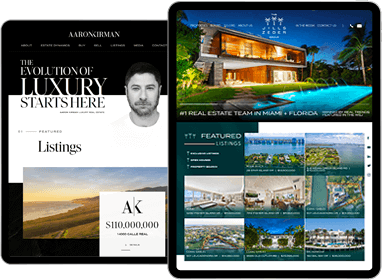
The Power of Website Design: Boosting User Engagement for Real Estate Sites
Introduction
In today's digital age, having a website is crucial for any business, especially for those in the real estate industry. A well-designed website not only establishes credibility but also serves as an effective marketing tool to attract potential clients and generate leads. When it comes to real estate websites, the power of design can make or break user engagement. In this blog post, we will explore how website design can boost user engagement for real estate sites and provide actionable tips on how to enhance your site's design to maximize its effectiveness. From layout and color schemes to navigation and functionality, every aspect of your website plays a significant role in creating a positive user experience that drives conversions. Using High-Quality Images
Importance of high-quality images in real estate website design
When it comes to real estate websites, using high-quality images can make all the difference. As a visual industry, having visually appealing and professional-looking photos on your site is essential for capturing potential clients' attention. In fact, studies have shown that listings with professional photography receive 118% more online views than those without. High-quality photos can also help establish trust and credibility with visitors by showcasing the property's best features. Tips for selecting and optimizing images for real estate websites
To ensure that you are using the most effective visuals on your site, here are some tips for selecting and optimizing high-quality images:
Hire a Professional Photographer: While smartphones may be convenient, hiring a professional photographer will provide you with stunning pictures that showcase your properties' unique selling points accurately.
Showcasing Properties through Virtual Tours: Another great way to use photography effectively is by incorporating virtual tours into your website design - giving users an immersive experience they won't forget quickly.
Optimize Images for Faster Loading Times: Large image files slow down page load times which negatively impact user engagement; therefore compressing image sizes before uploading them to your website is critical. Use Imagery Consistently Across Your Website Design: Using consistent imagery across various pages helps build brand recognition while promoting cohesiveness throughout the overall user experience of visiting multiple pages within one session.
Providing Easy Navigation
Importance of easy navigation in real estate websites
When it comes to designing a website, providing easy navigation is key. This is especially true for real estate websites, where potential buyers and renters are looking for specific information quickly and easily. If a user cannot find what they are looking for on your site, they will likely move on to another one. Easy navigation not only improves the user experience but also increases the chances of converting visitors into leads.
In order to provide easy navigation, it's important to first understand the needs of your users. What are they searching for when visiting your site? What information do they need in order to make a decision about buying or renting a property? By understanding their needs and expectations, you can design an intuitive navigation system that meets those needs. Tips for designing intuitive navigation for real estate websites
One way to improve navigation is by organizing content into categories that make sense based on user goals. For example, you may want to have separate sections for "Buy" and "Rent" properties so users can easily filter results based on their desired outcome. Additionally, having clear labels and descriptions for each category helps users understand what type of content they will find within them.
Another tip is to use breadcrumbs or other visual cues that show users where they are within the site hierarchy as well as how they got there. This makes it easier for them to navigate back if needed without having to start from scratch.
Using search functionality with autocomplete suggestions can also help users quickly find what they're looking for without having to click through multiple pages or menus. Finally, avoiding cluttered designs with too many options or distractions allows users' attention focused solely on finding relevant information related with available listings.
By following these tips along with regular usability testing sessions while keeping track analytics data such as bounce rates and time spent per page will help ensure that your website offers an optimal user experience which ultimately enhances engagement levels among visitors leading towards better conversion rates. Using Responsive Design
Importance of Responsive Design in Real Estate Websites
In today's digital age, having a responsive design for your real estate website is no longer an option but a necessity. With the increasing number of users accessing websites through their mobile devices, it's crucial to ensure that your website can adapt to any screen size and provide an optimal user experience for every visitor. A responsive design not only improves user engagement but also helps with search engine optimization (SEO) as Google favors sites with mobile-friendly designs. Tips for Implementing Responsive Design for Real Estate Websites
Implementing a responsive design may seem overwhelming, especially if you're not familiar with web development. However, there are some tips that can help you get started:
Use a Mobile-First Approach: Start by designing your website layout for small screens first before scaling up to larger screens. This approach ensures that the most critical information is visible on smaller screens without compromising functionality or aesthetics.
Optimize Images: Large images take longer to load and can slow down the site speed on mobile devices, which negatively impacts user experience and SEO ranking. Hence it's essential to optimize images by reducing file sizes without sacrificing quality.
Simplify Navigation: Navigation menus should be simple and easy to use on smaller screens since this will enhance usability while ensuring better engagement among visitors.
Test Your Site Regularly: It's vital always to test your website on different devices regularly; this will ensure that all pages render correctly across multiple platforms.
5 .Use CSS Media Queries: CSS media queries allow you to create custom stylesheets based on screen size so that elements like font sizes, line spacing, or image placement change depending on device used
By implementing these tips into your real estate website’s design strategy means attracting more leads from potential buyers who are searching online using their smartphones or tablets while providing them with an excellent browsing experience regardless of what device they’re using!
The Positive Impact of Website Design on User Engagement and Conversion Rates
Impact of Website Design on User Engagement in Real Estate Websites
Website design plays a crucial role in user engagement for real estate websites. A well-designed website can make it easier for users to navigate through the site, find what they are looking for quickly, and interact with the content. It's important that real estate websites have an intuitive layout that makes sense to users and provides them with easy access to information. This includes having clear call-to-action buttons, prominent search bars, and visually appealing images that help convey the message of the website. Another key aspect of user engagement is page load speed. Slow loading pages can be frustrating for users and lead to high bounce rates. A good web design should take into account load times and ensure that images are compressed without losing quality, code is optimized, and hosting services are reliable.
Impact of Website Design on Conversion Rates in Real Estate Websites
Conversion rates refer to how often a visitor takes action on a website such as filling out a contact form or making an inquiry about a property listing. The design of a real estate website can significantly impact conversion rates by providing visitors with valuable content that addresses their needs. Effective use of visual elements like videos or virtual tours can also increase conversions by allowing potential buyers or renters to experience properties before physically visiting them. Furthermore, incorporating social proof such as testimonials from satisfied clients helps build trust between the website owner and their audience which increases conversion rates.
A well-designed mobile responsive site also has an impact on conversion rate since more than 50% of internet traffic comes from mobile devices nowadays according to Google so not having one means missing out on half your potential audience who will leave if your site isn't properly displayed across all devices regardless desktops PCs laptops smartphones or tablets
Examples of Real Estate Websites with Effective Design and High User Engagement & Conversion Rates
There are many examples of effective real estate websites that utilize thoughtful web design principles while maintaining high levels of user engagement and conversion rates. One such example is Zillow, which has a clean and intuitive interface that makes it easy for users to find relevant information about properties they are interested in.
Redfin is another website that exemplifies effective web design with its use of high-quality images, virtual tours, and videos that help potential buyers or renters get a better sense of the properties they are considering. The site also offers multiple ways for visitors to contact agents or schedule property viewings which helps increase conversions. Lastly, Compass's website stands out due to its sleek design featuring large photos on top of each page where it immediately catches your attention along with detailed neighborhood guides full-screen video backdrops during scrolling transitions & social media integration allowing viewers/users access deeper insights into local communities thus increasing their interest in becoming part owners/renters there.
In summary, the positive impact of website design on user engagement and conversion rates cannot be overstated for real estate websites. A well-designed site provides an intuitive layout that allows users quick access to valuable content while optimizing load times; this can lead directly to increased conversion rates through the incorporation visual elements like virtual tours as well as incorporating customer testimonials building trust between parties involved. Examples from popular websites like Redfin and Comapass show how thoughtful web designs can create high levels of user satisfaction resulting in higher engagements & conversions leading towards long-term success!
Conclusion
In conclusion, effective website design is crucial for boosting user engagement on real estate sites. A well-designed site can make a great first impression and encourage visitors to stay longer and explore more properties. It also improves overall usability, making it easier for users to navigate the site and find what they are looking for. Additionally, an aesthetically pleasing design can help build trust between the website and its users. In today's digital age, having a visually appealing and functional website is no longer just an option - it's a necessity in order to stand out from the competition and attract potential clients. Therefore, it is important for real estate marketers to invest time and resources into creating a high-quality website that reflects their brand image while providing value to their audience. See Also