The Power of Voice Search: Optimizing Healthcare SEO for Conversational Queries
Introduction
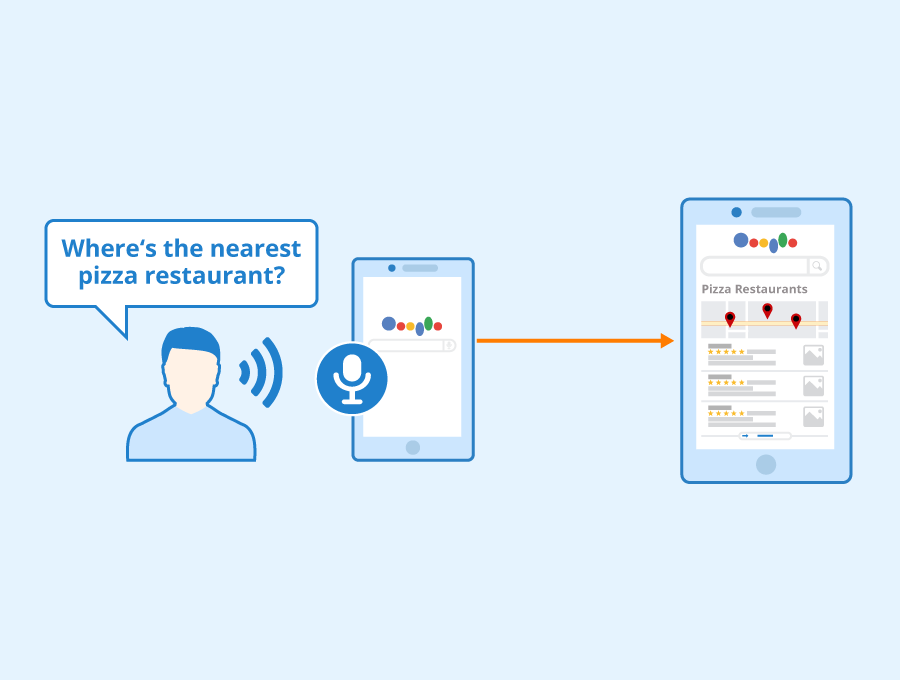
Voice search has become increasingly popular in recent years, with the rise of virtual assistants such as Siri, Alexa, and Google Assistant. As more people turn to these voice-activated devices for their everyday needs, it's important for healthcare professionals and website owners to optimize their SEO strategies accordingly. With conversational queries becoming the norm in voice search, simply targeting specific keywords is no longer enough. In this article, we'll explore the impact of voice search on healthcare SEO and provide tips for optimizing your content for conversational queries. Natural Language Keywords
In the world of healthcare SEO, using natural language keywords is crucial for optimizing website content and improving search engine rankings. Natural language keywords are phrases or queries that mimic a human conversation, and they are becoming increasingly important with the rise of voice search technology. When it comes to voice search, people tend to speak in complete sentences rather than typing out short abbreviated searches. This means that healthcare websites need to incorporate long-tail keywords and conversational phrases into their content in order to rank higher on search engine results pages (SERPs). For example, instead of targeting generic terms like "doctor near me," focus on more specific questions like "What is the best pediatrician in my area?" By using natural language keywords, you not only improve your chances of appearing at the top of SERPs but also provide relevant information to potential patients who are searching for answers.
To optimize your healthcare website for voice search, here are some tips and best practices:
Conduct Keyword Research
Start by conducting thorough keyword research based on common questions that patients ask about their health concerns. Look beyond basic medical terminology and consider how people might phrase their symptoms or conditions when speaking aloud.
Use Conversational Phrases
Incorporate conversational phrases throughout your website's content such as "How can I find a doctor who specializes in X?" or "What should I do if I have Y symptoms?" This will help match user intent with your content and increase visibility in organic search results.
Focus on Local SEO
Voice searches often include location-based queries such as “Where’s the nearest hospital?” Make sure your website includes accurate location information so that potential patients can easily find you through Google Maps or other map applications.
Optimize Meta Descriptions
Meta descriptions serve as a summary of what users can expect from visiting a particular page. Ensure each meta description contains natural language phrasing related to what users may be searching for when looking up information about certain medical conditions or healthcare services.
By incorporating natural language keywords into your healthcare website's content, you can improve your search engine rankings and attract more patients to your practice. Remember to stay up-to-date with the latest trends in voice search technology and adjust your SEO strategy accordingly.
FAQ Pages
FAQ pages are an excellent way to provide answers to commonly asked questions by patients, visitors, and potential customers. They offer a great opportunity for healthcare websites to optimize voice search results while also providing value to users. Here are some tips on how you can create effective FAQ pages that are optimized for voice search. Creating Relevant Questions
The first step in creating an effective FAQ page is identifying the most relevant questions that your target audience may ask. It's important to understand what your audience is looking for and tailor your content accordingly. You can use tools like Google Analytics or Search Console to identify common queries related to your healthcare services.
Once you have identified these queries, convert them into simple and specific questions that match natural language phrases used in voice searches. For instance, if people often ask "What treatments do you offer?" rephrase it as "What kind of treatment options does our hospital provide?"
To optimize these questions for voice search, try using long-tail keywords instead of single-word terms because they tend to be more conversational and reflective of spoken language. Using Structured Data
Structured data markup helps search engines better understand the contents of a web page by grouping information into categories such as name, pricing or location which makes it easier for them categorize the information about a website’s content accurately.
Adding structured data markup on FAQs enhances their visibility in SERPs (Search Engine Results Pages) making websites easy-to-understand entities with proper context around their contents which consequently improves ranking and click-through rate (CTR). Furthermore this creates rich snippets result which includes details about answer length & relevance directly within SERP listings so users don’t need visit site just get basic info
When creating FAQ pages consider implementing schema.org markup code (JSON-LD format), it will help improve SEO rankings while optimizing Voice Search results since Schema markups clearly structure content organization helping Google find relevant information faster.
Optimizing Answers for Voice Search
Voice assistants like Alexa, Siri, and Google Assistant often provide quick answers to questions asked in their natural language. So when creating an FAQ page for voice search optimization it's important to keep your answers short, concise, and straight to the point.
You should aim at providing brief informative answers that address specific questions directly without unnecessary elaboration of content . This helps you avoid misleading or inaccurate information that may confuse users.
Additionally you can incorporate conversational words and phrases within your responses. For example instead of using an acronym like MRI a more conversational approach would be using "magnetic resonance imaging" because most people are not familiar with medical acronyms.
Optimizing for Featured Snippets
Understanding Featured Snippets
Featured snippets are concise answers to search queries that appear at the top of Google's search results, above organic results. They provide users with a quick answer to their query without having to click through to a website. For healthcare websites, appearing in featured snippets can increase visibility and drive traffic to their site. Google uses an algorithm to determine which content is most relevant and useful for each specific query. The content that appears in featured snippets is usually taken from web pages that rank on the first page of Google's search results.
Creating High-Quality Content
To optimize your healthcare website for featured snippets, it is important to create high-quality content that provides clear, concise answers to common healthcare questions. Here are some tips for creating content that is more likely to appear in featured snippets:
Use headers and subheaders: Break up your content into sections using headers and subheaders so that Google can easily understand what your page is about.
Answer commonly asked questions: Identify the most frequently asked questions related to your healthcare niche and provide detailed answers within your content.
Keep it simple: Use simple language and avoid jargon or medical terms that may be difficult for laypeople or patients unfamiliar with technical terminology.
Provide visual aids: Including images or videos within your content can help convey information more effectively than text alone.
By following these tips, you increase the likelihood of creating high-quality health-related web pages optimized for voice searches.
Optimizing Content for Voice Search
Voice search has become increasingly popular due mainly because people find it convenient when they're driving or doing something else where they cannot use their hands.While optimizing for traditional keyword phrases remains important, there are additional steps you should take when optimizing healthcare websites specifically voice searching intent: <strong>1) Utilize long-tail keywords:</strong> Long-tail keywords mimic natural speech patterns better than short-tail keywords do. Healthcare professionals must consider how people ask conversational voice queries to optimize their web pages for featured snippets. <strong>2) Leverage structured data:</strong> Structured data is a standardized format used by search engines to understand the content on your website. Using schema markup, healthcare professionals can help Google understand what their content is about and potentially earn featured snippets for targeted keywords.
<strong>3) Ensure mobile responsiveness:</strong> Voice searches are primarily conducted via smartphones and other mobile devices. Ensuring that your healthcare website is optimized for mobile users can increase visibility in voice search results while also improving the user experience overall.
By optimizing your healthcare website's content for both traditional keyword phrases and conversational voice queries, you will improve its chances of appearing in featured snippets and driving traffic to your site.
Conclusion
In conclusion, optimizing healthcare websites for voice search is crucial in today's digital landscape. As more and more consumers turn to their smart speakers or mobile devices to seek medical information, it's important for healthcare professionals and website owners to ensure that their content is optimized for conversational queries. By using natural language and targeting long-tail keywords, healthcare websites can improve their visibility in voice search results and drive more traffic to their sites. Moreover, by providing accurate and reliable information through voice search technology, healthcare providers can strengthen trust with patients and establish themselves as authoritative sources of medical knowledge online. Therefore, investing in voice search optimization should be a top priority for any healthcare organization looking to stay ahead of the curve in the digital age. See Also