The Power of Mobile Optimization for Better Healthcare Education
Introduction
In today's digital age, the majority of people use smartphones to access information and stay connected with others. Mobile devices have revolutionized the way we communicate, work, and even seek healthcare. As a result, it is essential for healthcare providers to optimize their patient education strategies for mobile devices. Mobile optimization refers to adapting content and design specifically for smaller screens on mobile phones or tablets. In this blog post, we will discuss the importance of mobile optimization in healthcare patient education and how it can improve patient outcomes. The Importance of a Mobile-Friendly Website for Patient Education
With the increasing use of mobile devices in healthcare, it is crucial for healthcare organizations to optimize their websites for mobile. The Growth of Mobile Usage in Healthcare has been tremendous over the past few years. According to a survey conducted by Pew Research Center, 81% of Americans own a smartphone, and this number is even higher among adults aged between 18-29. Moreover, a report published by Grand View Research suggests that the mHealth market is expected to reach $316.8 billion by 2027.
The Growth of Mobile Usage in Healthcare
With more people using smartphones than ever before, it's no surprise that mobile usage in healthcare has grown exponentially as well. Patients are increasingly relying on their smartphones and tablets to access health information online and communicate with their doctors remotely.
Research shows that patients who use digital channels like websites or apps are more engaged with their health compared to those who do not have access to these resources. A study conducted by Accenture revealed that nearly one-third (31%) of patients prefer booking appointments through an app or website rather than calling or visiting a doctor’s office.
Furthermore, another study conducted by Google Think Health found out that around 62% of smartphone users primarily used their phones when searching for health-related information online such as symptoms, treatments etc., while only 10% used desktops and laptops.
The Benefits of Mobile-Friendly Websites for Patient Education
Mobile optimization can benefit patient education significantly. When healthcare organizations create mobile-friendly websites they ensure better accessibility and engagement which ultimately leads toward improved patient outcomes. According to research from Google Analytics data collected across tens-of-thousands medical practice sites worldwide indicated that responsive design improves bounce rates (the percentage of visitors who leave after viewing just one page) resulting in longer engagement time per visit – up almost three minutes on average!
In addition, Real-world examples also show how optimizing your website for mobile can lead towards positive results:
Miami Children's Health System, one of the largest pediatric care providers in the United States, saw a 38% increase in mobile traffic and a 22% decrease in bounce rates after implementing responsive design.
The Australian Department of Health implemented an online learning module for healthcare workers to better understand how to use personal protective equipment during the COVID-19 pandemic. By optimizing this module for mobile devices it was easier for healthcare workers who were on-the-go or working remotely to access vital training.
Best Practices for Mobile Optimization
Mobile optimization is a crucial aspect of healthcare education as more and more patients rely on their mobile devices to access information. In order to provide the best user experience for mobile users, it's important to design with mobile in mind. Here are some best practices for optimizing healthcare websites for mobile devices. Designing for Mobile First
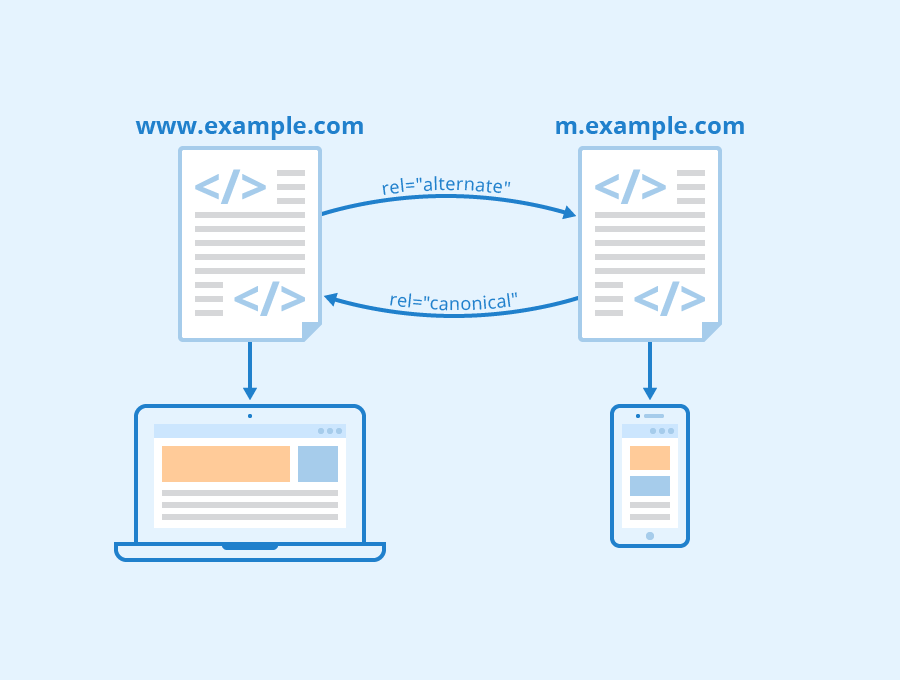
Designing for mobile first means creating a website that prioritizes the needs of mobile users over desktop users. This approach ensures that your website is optimized not just for smaller screens, but also slower internet speeds and limited data plans. One way to achieve this is by using responsive web design, which allows your site to adjust its layout based on screen size.
Other best practices include:
Simplifying navigation: Use clear categories and labels that make it easy for users to find what they're looking for.
Using large fonts: Small text can be difficult to read on a small screen, so use larger fonts (14px or higher) whenever possible.
Creating visual hierarchy: Use contrasting colors and font sizes to guide users' attention towards important content.
Minimizing load times: Reduce image file sizes and eliminate unnecessary elements like videos or animations.
By designing with these considerations in mind, you can create a better user experience that caters specifically to your audience's needs.
Optimizing Site Performance for Mobile
Site performance plays an important role in ensuring that your website loads quickly on all devices. Slow load times can frustrate visitors and lead them away from your site before they even have a chance to engage with your content. Here are some ways you can optimize site performance:
Compress images: Large images take longer to load than smaller ones. Compression tools like TinyPNG or JPEGmini allow you reduce image file sizes without sacrificing quality.
Minimize HTTP Requests: Each element of your page requires its own HTTP request, which slows down load times. Minimize requests by combining files (like CSS and JavaScript) and using CSS sprites.
Leverage Browser Caching: Browsers can store certain elements of your page (like logos or icons) in a cache so they don't have to load every time the user visits. You can set expiration dates for these cached items to reduce server requests.
Use a Content Delivery Network (CDN): A CDN delivers your content from servers located closer to the user, which reduces latency and improves load times.
By implementing these best practices, you'll ensure that your website loads quickly on mobile devices, improving the overall user experience.
Creating Engaging and Accessible Content
Even if your site is designed with mobile users in mind and loads quickly, it won't be effective if your content isn't engaging or accessible. Here are some tips for creating content that resonates with mobile users:
Write scannable copy: Mobile users tend to skim rather than read in-depth. Use clear headings, bullet points, and short paragraphs to break up text.
Optimize videos for mobile: Videos should be optimized for small screens by using large fonts within subtitles or captions while avoiding long shots where important details might get lost; also consider using square video formats as this works well on both desktops & phones
Make it interactive: Interactive content like quizzes or polls encourages engagement among readers while breaking up longer articles into smaller chunks of information prevents fatigue from settling in too soon!
Ensure accessibility: Consider adding alt-text descriptions to images so visually impaired individuals can understand what’s happening even when they cannot see it; additionally ensure color contrast ratios meet minimum standards making sure all texts are easy-to-read no matter the background color
By following these best practices, you will create more engaging content that is accessible across different devices while providing value-added information about health care education services!
The Impact of Mobile Optimization on Patient Engagement and Retention
Mobile optimization has become increasingly important in healthcare education as patients continue to rely on their smartphones for information and communication. According to a study by Pew Research Center, 96% of Americans own a cellphone, with 81% owning a smartphone. This shift towards mobile devices has resulted in the need for healthcare providers and organizations to optimize their digital content for mobile viewing. Research shows that mobile optimization can have a significant impact on patient engagement and retention. A report by Google found that 61% of users are unlikely to return to a website if they had trouble accessing it from their phone, while 40% will instead visit a competitor's site. In contrast, websites that are optimized for mobile devices see an average increase of 10-20% in engagement rates. Healthcare organizations have also seen success with mobile optimization strategies. For example, the University Hospitals Health System implemented responsive design across all its web properties resulting in increased traffic from smartphone users by over 50%. Similarly, Northwell Health saw an increase of over 100% in the number of appointment bookings made through its mobile-responsive website after implementing changes.
Case studies further demonstrate how optimizing healthcare educational materials for mobile devices can improve patient outcomes. One such case is Cedars-Sinai Medical Center which launched an app designed specifically for expectant mothers called "My Pregnancy Today". The app included personalized pregnancy tracking tools along with educational material covering topics like nutrition, exercise and labor preparation delivered right into user’s pockets at any time during their day-to-day lives . As result this initiative improved both patient satisfaction (92%)and health outcomes (70%).
Mobile optimization improves access to information while increasing convenience; it is essential not only because it provides patients easy access but also because it allows them to participate actively throughout the entire treatment process - ultimately improving overall health outcomes . Healthcare providers should take advantage of these benefits when creating or updating existing digital content so as not be left behind.
Overall, the importance of mobile optimization in healthcare education cannot be overstated. With continued growth in mobile device usage, optimizing digital content for these devices is crucial to engage and retain patients while also improving health outcomes. Healthcare providers must embrace this change in user behavior and incorporate mobile optimization strategies into their patient education efforts to ensure they are delivering valuable educational information anytime anywhere.
Conclusion
In conclusion, mobile optimization is a powerful tool for improving healthcare patient education. By optimizing educational content for mobile devices, healthcare providers can ensure that patients access and engage with information in a way that suits their busy lifestyles. The benefits of this approach are clear: increased patient engagement, improved health outcomes and reduced healthcare costs. As digital channels continue to grow in importance within the healthcare sector, it is essential that providers prioritize mobile optimization as part of their patient education strategy. With careful attention paid to design, content and usability, optimized educational materials can be an effective means of empowering patients to take control of their own health journey. See Also