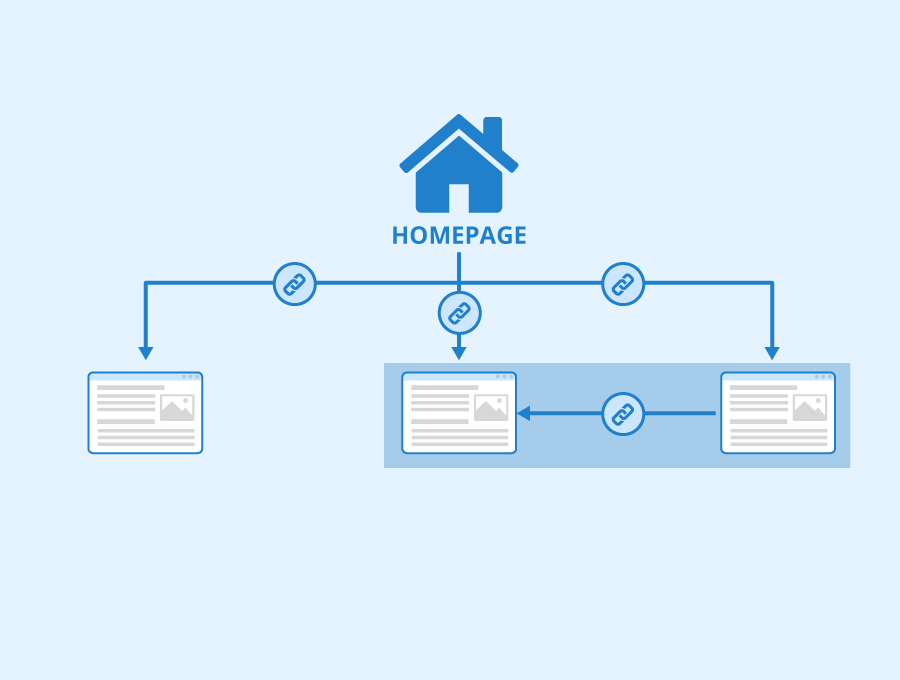
The Power of Internal Linking for eCommerce SEO: Tips for Boosting Rankings
Introduction
As an eCommerce website owner, you already know how important it is to rank high in search engine results pages. One of the most effective ways to boost your rankings is through internal linking. Internal linking refers to the practice of linking pages within your own website. This not only helps users navigate your site more easily but also provides numerous benefits for SEO. Benefits of Internal Linking for eCommerce SEO
Firstly, internal linking helps search engines understand the structure and hierarchy of your website. By including links to relevant pages within your content, you are indicating which pages are most important and how they relate to each other. This can lead to higher visibility in search results for those key pages.
Secondly, internal links distribute page authority throughout your site. When a page on your site has a lot of incoming external links, that page will have high authority and be seen as more valuable by search engines. By using internal links strategically, you can pass some of that authority onto other pages on your site that may need a rankings boost.
Thirdly, internal links can increase user engagement with your site by providing additional content or products related to what they are currently viewing. This keeps users on your site longer and reduces bounce rates - both factors that Google takes into consideration when ranking websites.
Overall, incorporating internal linking strategies into your eCommerce SEO efforts should be a top priority if you want to improve visibility in search engine results pages and drive more traffic to key areas of your website. In the following sections we will outline specific tips on how best utilize this powerful technique for maximum impact on rankings and user experience alike. Creating Effective Internal Links
Effective internal linking is crucial for eCommerce SEO as it helps search engines understand the structure and hierarchy of your website. When creating internal links, there are a few things to keep in mind to ensure they are effective at boosting your rankings. Use Descriptive Anchor Text
The anchor text is the clickable text that appears as a hyperlink on a webpage. It's essential to use descriptive anchor text that accurately describes the page you're linking to. Avoid using generic phrases like "click here" or "read more," as they don't provide any context about where the link leads. For example, if you're linking from a blog post about winter fashion trends to a product page for winter coats, use anchor text like "Shop our selection of winter coats" instead of "click here."
Using descriptive anchor texts not only helps search engines understand what each page is about but also provides users with clear information before clicking on the link.
Link to Relevant Pages
Internal links should always lead visitors towards relevant content within your site. This means avoiding links that add little value or relevance and sticking with high-quality pages that provide additional information relevant to the topic at hand.
When selecting pages to link internally, consider their authority and popularity among readers. The higher quality pages will naturally have greater weight in Google’s eyes and can help boost key metrics such as time spent on-site, bounce rate reduction, etc., which ultimately impact organic visibility positively.
For example, suppose you've written an article discussing different types of running shoes available on your eCommerce site. In that case, it makes sense only to link other related articles such as guides about fitness accessories or how-to tutorials regarding proper running form rather than unrelated products like cooking utensils!
Link Product Pages from Category Pages
Category pages act as gateways into specific product lines or collections within an eCommerce store; therefore, they have significant potential for driving traffic towards individual items listed therein through Internal Links .
Linking to product pages directly from category pages helps visitors get the desired item faster and improves their shopping experience. Keep in mind that category pages usually have a higher authority than individual products, so linking from them can help boost other related items as well.
For example, if you operate an eCommerce store selling electronics and have a category page dedicated to smartphones, it makes sense to link specific smartphone models such as iPhone 12 or Samsung Galaxy S10 within this section instead of merely redirecting users through the homepage.
Link Related Products
Linking related products is another effective way of creating internal links within your eCommerce site. This technique involves connecting complementary items with one another on individual product pages or even across different categories.
When done correctly, these links provide additional value for customers who may not be aware of all the options available while browsing your online store. Moreover, they also signal Google that there's a strong association between two separate entities which ultimately leads search engines to recognize your website’s relevance towards certain keywords more prominently.
For example, if you sell skincare products online and offer various moisturizers with different formulations like Vitamin C or hyaluronic acid-based ones; it would make perfect sense only to link these similar variations together rather than unrelated items such as makeup brushes!
Use Breadcrumbs
Breadcrumbs are navigational elements that show users how they got to a particular page within your website hierarchy. They typically appear at the top of each webpage just below its header and consist of clickable text separated by arrows indicating each level's position in relation to others above it. Using breadcrumbs helps visitors understand where they are in your site structure better and track back quickly should they need further clarification about anything seen earlier during their visit. Additionally, breadcrumbs help search engines understand how content fits into overall architecture efficiently leading them deeper into relevant content sections without any confusion regarding contextually linked topics/pages .
Conclusion:
Regularly Reviewing and Updating Internal Links
The Importance of Regularly Reviewing and Updating Internal Links
Internal linking is a crucial aspect of eCommerce SEO. It not only helps users navigate through your website but also assists search engine crawlers to understand the structure and content hierarchy of your site. However, simply adding internal links to your pages is not enough; you need to regularly review and update them to ensure they are still relevant and effective in boosting your search engine rankings. How Regularly Reviewing and Updating Internal Links Can Improve Search Engine Rankings
One way reviewing and updating internal links can improve search engine rankings is by removing broken or outdated links that lead to 404 error pages. Having too many broken links on your site can harm user experience, making it more difficult for visitors to find what they are looking for, which may result in higher bounce rates. Furthermore, Google considers broken links as a sign of poor quality or neglected content, which could negatively impact your website's ranking.
Another benefit of regularly reviewing and updating internal links is that it allows you to promote new products or services by strategically placing them within existing content using anchor text phrases that incorporate relevant keywords. This technique helps distribute link equity throughout all the pages on your site effectively.
Additionally, when you add new pages or posts with fresh content, including internal backlinks from older pieces will help boost their visibility in search results while keeping those old articles alive longer than expected.
Overall, regular maintenance of internal linking structure plays an important role in maintaining good SEO practices for eCommerce websites as it enhances usability factors while establishing a strong foundation for improving keyword relevancy across webpages over time. By consistently revisiting these elements on an ongoing basis (monthly/quarterly), businesses will see organic traffic growth year-round - resulting ultimately into higher conversions! Conclusion
In conclusion, internal linking is a powerful tool for eCommerce SEO that can significantly boost website rankings. By strategically placing links within your site, you can help search engines understand the hierarchy of your content and improve user experience by guiding them to related products or information. To maximize the impact of internal linking, it's important to use descriptive anchor text and focus on relevance rather than quantity. Additionally, regularly auditing and updating your internal links can ensure they remain effective over time. As an eCommerce website owner, implementing these tips will not only improve your SEO rankings but also enhance the overall usability of your site for customers.