The Power of Accessibility: Elevating eCommerce User Experience
Introduction
In today's digital world, eCommerce websites have become a go-to source for many consumers to purchase products and services. With the ever-increasing competition among online businesses, it is imperative that website owners focus on providing an exceptional user experience to their customers. One of the most important aspects of user experience is accessibility. Accessibility refers to the ease with which all users, including those with disabilities, can access and use a website. In this blog post, we will delve into the importance of accessibility in eCommerce and how it can elevate user experience. Understanding Accessibility in eCommerce
What is Accessibility in eCommerce?
Accessibility in eCommerce refers to the practice of designing and developing websites that are inclusive and easy to use for all users, regardless of their abilities or disabilities. An accessible website should be perceivable, operable, understandable, and robust by everyone. This means that people with visual impairments can navigate the site using screen readers or magnification software; those with hearing difficulties can access audio content through captions or transcripts; individuals with cognitive disabilities can easily understand the information presented on a page, while those with motor limitations can interact with the site using alternative input devices like keyboards. Why is Accessibility Important for User Experience?
Creating an accessible eCommerce website is not only morally right but also makes good business sense. By ensuring your site meets accessibility standards you are opening up your product or service to a wider audience who may have previously been unable to engage fully due to barriers preventing them from doing so. In fact, according to studies conducted by Microsoft Corp., about 1 billion people worldwide live with some form of disability - making up almost 15% of the global population.
By making your site more user-friendly for this demographic group (as well as other groups such as seniors), you're creating an environment where all customers feel valued and respected which could lead to higher customer satisfaction levels resulting in increased sales revenue.
Furthermore, having an accessible website ensures compliance with legal obligations related to web accessibility such as regulations like Section 508 of The Rehabilitation Act in America which requires federal agencies' electronic communications including websites are made available and usable by everyone irrespective of their physical ability. Non-compliance could result in costly litigation fees which no one wants!
Lastly but equally important is Google's recent focus on ranking factors based on user experience signals meaning if ecommerce sites don't prioritize accessibility they risk losing out on valuable search engine rankings leading ultimately less traffic coming into their store front virtually speaking! In summary therefore there are many benefits associated with making your eCommerce website accessible. In the long run, it will save you money and help to maximize profits while also creating a more inclusive customer experience that values everyone who visits your site.
Tips and Techniques to Improve Accessibility
Designing for Accessibility
Design plays a crucial role in making an eCommerce website accessible to all users. Here are some tips that website developers and business owners can use to improve their design:
Use clear and easy-to-read fonts: Avoid using fancy or cursive fonts as they can be difficult to read, especially for people with visual impairments.
Provide sufficient color contrast: Ensure that the text on your website has enough contrast against its background so it is easily legible.
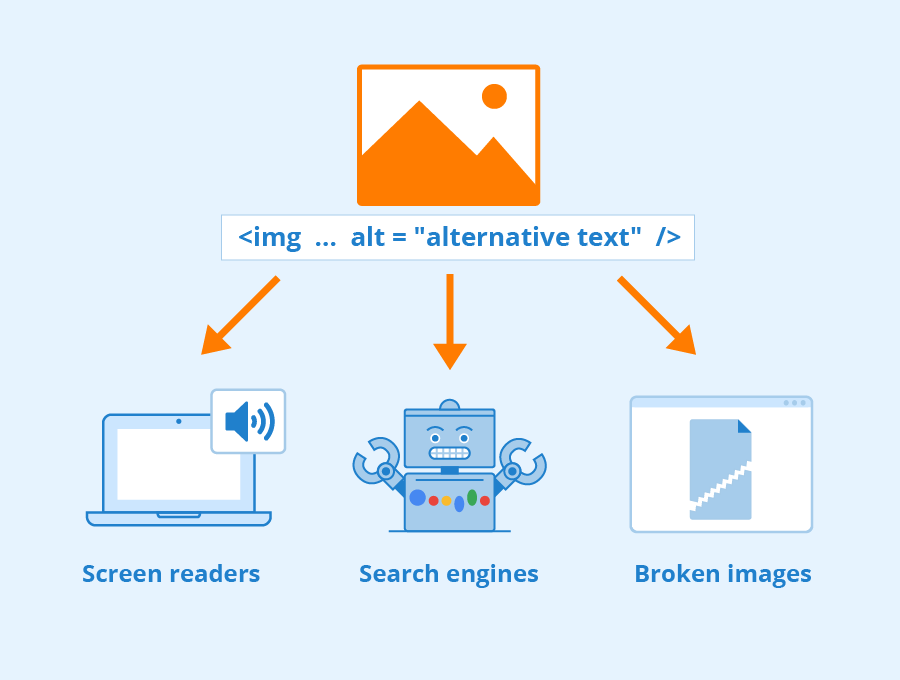
Incorporate alternative text (alt-text) descriptions: Include alt-text descriptions for images on your eCommerce site so that screen readers can describe them accurately.
Simplify navigation menus: Make navigation menus simple and easy-to-use by avoiding drop-down menus or complicated multi-tiered navigations.
Use descriptive labels for form fields: Ensure input fields have clear, concise labels explaining what data is required.
Coding for Accessibility
Coding an eCommerce site in compliance with accessibility standards is critical to providing equal access to all users who visit the site.Here are some techniques that website developers and business owners should keep in mind while coding their sites: Add ARIA roles and attributes wherever necessary: Accessible Rich Internet Applications (ARIA) roles help assistive technologies such as screen readers navigate web content more effectively.
Use semantic HTML markup: Semantic HTML provides structure and meaning to web pages which helps both users browsing visually as well as those relying on assistive technology devices understand the content of a page better
3 .Ensure keyboard accessibility : All functionality available through mouse events must also be available via keyboard events
4 .Provide skip-links :Skip links allow a user who relies on a keyboard instead of a pointing device like mouse,to quickly move past repeated sections of navigation present inside header/footer etc
5.Use headings hierarchy properly : Headings should reflect the structure of the contents - H1 should only appear once per page ,H2 for sub-headings and so on
Testing for Accessibility
Testing your eCommerce website is essential to ensure that it's accessible to all users. Here are some techniques that website developers and business owners can use:
Use automated accessibility testing tools: Automated tools like Wave, Axe etc provide a quick way of identifying accessibility issues which could be missed otherwise.
Conduct manual testing with assistive technologies: Manual testing using screen readers, voice recognition software, or other assistive technology devices can help identify any barriers in access.
Involve real users with disabilities in user acceptance testing (UAT): Involving people with disabilities during the UAT process helps businesses understand how their site is used by people who rely on assistive technology devices.
Benefits of Better Accessibility for Customers and Businesses
Increased Sales and Customer Loyalty
Improving website accessibility can have a significant impact on both the customer experience and business success. By making your eCommerce site accessible, you open up your products or services to a wider audience that may have previously had difficulty navigating or even accessing your site at all. This means more potential customers who are able to make purchases and contribute to increased sales. Moreover, when businesses prioritize accessibility for their customers with disabilities or impairments, it shows that they care about their needs and preferences. Customers appreciate this kind of consideration from businesses and are more likely to shop with them again in the future if they feel valued. As a result, better accessibility leads not only to increased sales but also greater customer loyalty. Improved Brand Reputation
In addition to increasing sales, improving website accessibility can also enhance brand reputation. Businesses that prioritize accessibility demonstrate their commitment to inclusivity and diversity, which is becoming increasingly important for consumers today.
When people see that a business cares about making their products or services accessible for everyone regardless of ability level, it enhances brand perception as an ethical company. That positive association can lead current customers recommending the business through word-of-mouth marketing while attracting new ones looking for socially responsible companies whose values align with theirs.
Compliance with Legal Requirements
Another benefit of prioritizing website accessibility is compliance with legal requirements such as the Americans With Disabilities Act (ADA) in the US or other international regulations like Web Content Accessibility Guidelines (WCAG). These laws protect individuals’ rights regarding accessibilities online by ensuring websites offer equal opportunities regardless of disability status.
By complying with these regulations proactively rather than waiting until receiving complaints from users who couldn't access certain features due because of lackadaisical design; businesses avoid potential fines while keeping themselves protected against legal liabilities down the line.
Better web accessibility has many benefits for both customersand businesses alike: improved user experiences leadingto higher conversion rates; enhanced brand perceptionthrough demonstrating commitment to inclusivity anddiversity; and compliance with legal requirements. Withthese advantages in mind, businesses should take the timeto prioritize accessibility on their eCommerce website as ameans of improving customer engagement, driving revenueand building a positive reputation in the marketplace.
Conclusion
In conclusion, accessibility plays a crucial role in elevating eCommerce user experience. By ensuring that your website is accessible to everyone, regardless of their abilities or disabilities, you open up your business to a wider audience and increase the chances of making more sales. Accessibility also offers benefits beyond just reaching more customers; it can improve SEO rankings, enhance brand reputation and loyalty, and even reduce legal risks. Investing in accessibility should not be seen as an optional add-on but rather as an essential component of any eCommerce strategy. As business owners and website developers continue to prioritize user experience design in their websites' development process, they must recognize the power of accessibility in creating inclusive digital experiences for all users.