The Power of Paid Search Advertising for Healthcare Providers: Boost Your Online Visibility
Introduction
In today's healthcare industry, competition among providers is fierce. With so many options available to patients, it can be difficult for healthcare providers to stand out and attract new patients. One solution to this problem is paid search advertising. By using targeted ads on search engines like Google and Bing, healthcare providers can increase their online visibility and reach potential patients who may not have otherwise found them. Paid search advertising allows providers to target specific keywords related to their services or specialties, ensuring that their ads are seen by people actively searching for those particular terms. This can lead to increased website traffic, more appointment requests, and ultimately more business for the provider. In a competitive industry where standing out is crucial, paid search advertising can give healthcare providers the edge they need to succeed. Benefits of Paid Search Advertising
Paid search advertising is a powerful tool for healthcare providers looking to boost their online visibility, target specific audiences, and improve patient acquisition. By investing in paid search campaigns, healthcare providers can increase the likelihood of their website appearing at the top of search engine results pages (SERPs), which can lead to more clicks and ultimately more patients. In this section, we will explore the key benefits of using paid search advertising for healthcare providers. Increased Visibility
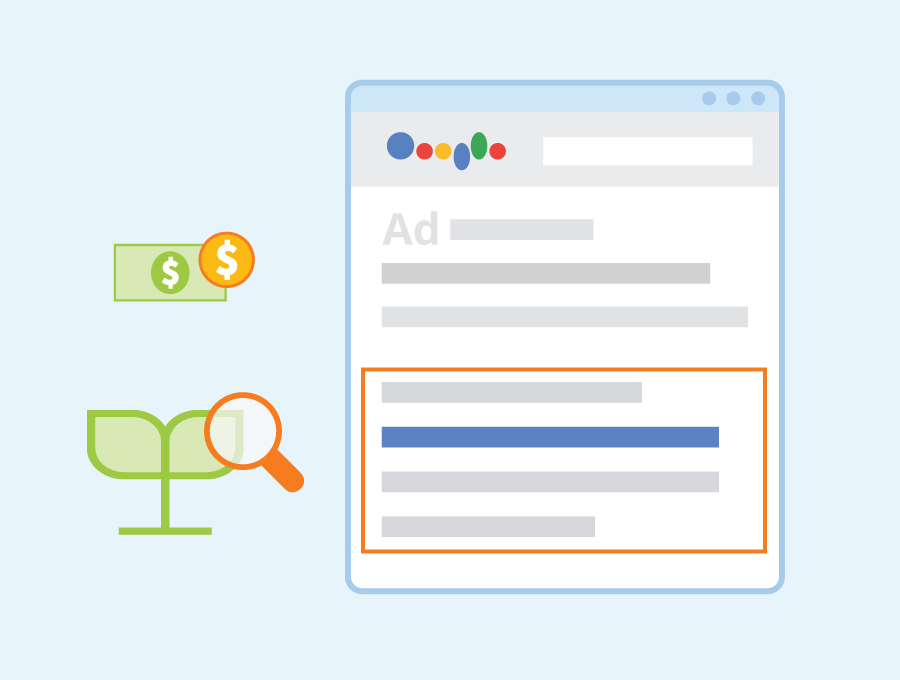
One of the most significant benefits of paid search advertising is increased visibility. When a user conducts a Google search related to your services or products, your ad has the potential to appear above organic results on SERPs. This means that even if your website doesn't rank highly in organic searches, you can still get exposure by paying for ads.
For example, let's say you're a dermatologist who wants to attract new patients searching for "acne treatment." Without paid ads, there's no guarantee that your website will appear on page one of Google's results when someone types in those keywords. However, by creating targeted ads and bidding on relevant keywords through platforms like Google Ads or Bing Ads, you increase the chances that your ad will be seen by users actively seeking acne treatments.
In fact according to WordStream data , businesses make an average $2 revenue per every $1 spent on AdWords.It’s important however not only focus on traffic but also focus on converting them into leads and customers.
Targeted Marketing
Another benefit offered by paid search advertising is targeted marketing. With traditional forms of advertising such as TV commercials or print advertisements it could reach out wider audience but may not necessarily reach out interested people . Paid Search Advertising allows us targeting those audience who are already showing interest towards our service/product .
With Paid Search Advertising we advertise based upon searcher intent i.e what they are looking for . We bid high value keyword terms so whenever someone did query with same term it triggers our ad to appear.
For example, let's say you're a cardiologist who specializes in treating heart disease. You can use paid search advertising to target potential patients with specific keywords such as "heart disease treatment" or "cardiologist near me." By targeting these keywords and creating relevant ads, you increase the chances that users searching for those terms will find your practice and potentially become new patients.
Paid search advertising also allows healthcare providers to tailor their ads to specific demographics such as age, location , device type etc.This helps us create highly personalized ad experiences which leads high engagement rate .
Improved Patient Acquisition
Ultimately, the goal of any marketing effort is to acquire more patients - and paid search advertising can help achieve this goal. By increasing visibility and targeting specific audiences, healthcare providers improve their chances of attracting new patients who are actively seeking out their services.
In addition Paid Search Advertising have proven record of generating higher conversion rates compared traditional forms of advertisement because it reaches people at right moment with right message .
According to Google data , health-related searches on mobile devices alone grew by over 50% from 2016-2018 meaning there’s huge opportunity for growth through digital channels like Paid Search Advertising .
By investing in improving online presence through Paid Search Advertising it not only increases patient acquisition but also improves brand reputation making practices standout among competitors which ultimately leads long term success .
Creating Effective Ad Campaigns
When it comes to paid search advertising, creating effective ad campaigns is crucial for healthcare providers looking to boost their online visibility. Here are some step-by-step instructions on how to create an effective ad campaign using Quick Creator. Keyword Research
The first step in creating an effective ad campaign is conducting thorough keyword research. Start by brainstorming a list of relevant keywords and phrases that potential patients might use when searching for healthcare providers online. Then, use a tool such as Google AdWords Keyword Planner or SEMrush to expand your list and identify high-volume, low-competition keywords. Next, organize your keywords into tightly themed groups based on the services or treatments you offer. This will help ensure that your ads are highly relevant to users' search queries and increase the likelihood of clicks and conversions.
Ad Copy
Once you have identified your target keywords and organized them into groups, it's time to craft compelling ad copy that will entice users to click through to your website. The key here is to focus on the benefits of choosing your practice over competitors rather than simply listing features or qualifications.
Start with a strong headline that includes one or more of your target keywords and clearly communicates what sets you apart from other healthcare providers in your area. Follow this up with concise but persuasive body copy that highlights specific services or treatments offered at your practice along with any unique selling points such as convenient location or flexible scheduling options.
Finally, be sure to include a clear call-to-action (CTA) in each ad encouraging users to take action such as booking an appointment or contacting you for more information.
Landing Page Optimization
Even if you've done everything right so far, all of the effort put into keyword research and crafting great ad copy can go down the drain if visitors land on a poorly optimized landing page. To maximize conversions, make sure each landing page aligns closely with its corresponding ad group by including targeted headlines, relevant images, and persuasive copy that speaks directly to users' needs and interests.
In addition, make sure your landing pages are optimized for mobile devices since an increasing number of patients are using smartphones and tablets to search for healthcare providers. This means ensuring fast load times, easy navigation, and clear calls-to-action that can be easily clicked with a thumb or finger.
Finally, track the performance of your ad campaigns regularly using tools such as Google Analytics or AdWords Conversion Tracking. This will allow you to identify areas for improvement and make data-driven decisions about how to optimize your ads and landing pages moving forward.
By following these steps for creating effective ad campaigns in Quick Creator, healthcare providers can boost their online visibility and attract more qualified leads through paid search advertising.
Managing Your Ads
When it comes to managing your paid search advertising campaigns, there are several best practices that can help you maximize your results. One of the most important aspects is tracking metrics and analyzing data regularly. This will allow you to see which keywords and ad copy are performing well, as well as identify any areas for improvement. It's also essential to adjust your campaigns based on the results you're seeing. For example, if certain keywords aren't generating clicks or conversions, consider pausing or adjusting them to focus on more successful ones. Additionally, regularly testing different variations of ad copy can help optimize your ads for better performance.
Another key aspect of managing paid search advertising is staying up-to-date with industry changes and updates. Search engines like Google frequently update their algorithms and policies, so it's crucial to stay informed in order to maintain compliance and keep your ads running smoothly.
Finally, working with a knowledgeable team or partner can be incredibly beneficial when it comes to managing paid search advertising for healthcare providers. Partnering with experienced professionals who have expertise in this area can help ensure that your campaigns are optimized for success while adhering to all relevant regulations and guidelines.
Overall, by following these best practices for managing paid search advertising campaigns within the healthcare industry, healthcare providers can boost their online visibility and attract new patients in a cost-effective way.
Conclusion
In conclusion, paid search advertising provides healthcare providers with a powerful tool to boost their online visibility and attract potential patients. By targeting specific keywords and demographics, healthcare providers can ensure that their ads are shown to the right people at the right time. Additionally, paid search advertising allows for real-time data analysis and optimization, which can lead to more effective campaigns over time. Implementing paid search as part of a comprehensive marketing strategy can help healthcare providers stay competitive in an increasingly digital world. Consider exploring this option if you want to increase your online presence and reach more patients. See Also