The Power of Mobile Optimization: Boosting Real Estate SEO
Why Mobile Optimization Matters for Real Estate SEO
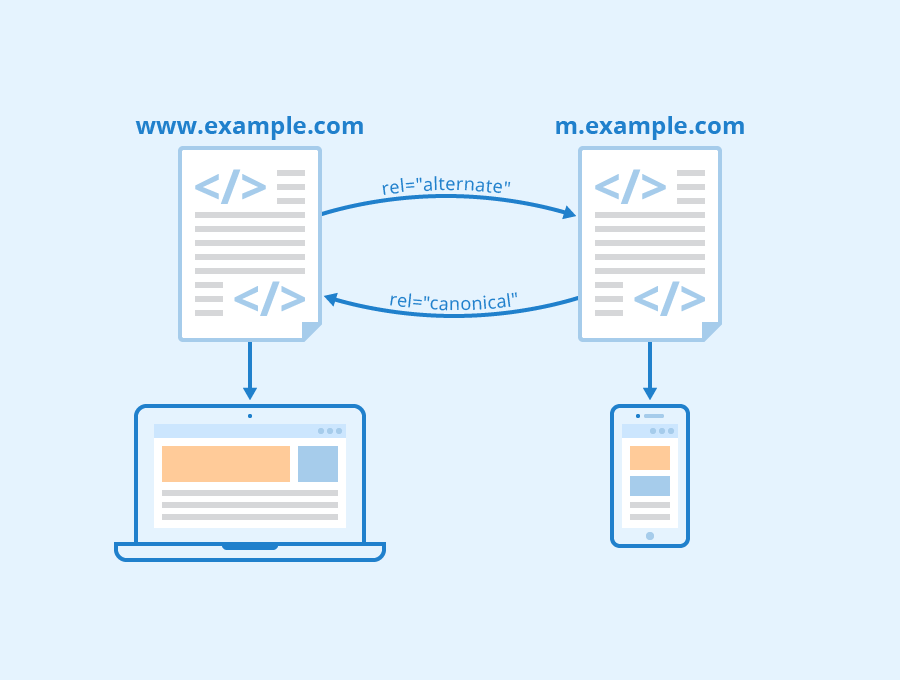
In today's digital age, it is no secret that mobile devices have become an essential part of our daily lives. Whether it be for communication or entertainment purposes, people are increasingly relying on their smartphones and tablets to access information on the go. With this in mind, businesses must ensure that their websites are optimized for mobile devices to keep up with changing consumer behavior. In the real estate industry, having a mobile-friendly website is crucial for boosting search engine optimization (SEO) and attracting more qualified leads. The Rise of Mobile Devices
The number of smartphone users worldwide has steadily increased over the years, with Statista reporting 3.8 billion active smartphone users globally as of 2021. This means that a vast majority of online searches are now conducted through mobile devices rather than desktop computers or laptops.
Impact on Local Search
As consumers rely on their phones to conduct local searches for products and services they need nearby, Google has adapted its algorithms to prioritize mobile-friendly websites in local search results pages (SERPs). This means that if your real estate website is not optimized for mobile devices, you could be missing out on potential leads who are searching for properties within your area.
Improved User Experience
Aside from meeting Google's requirements for SEO ranking factors, optimizing your website for mobile also provides a better user experience overall. A responsive design ensures that your site adapts seamlessly to any screen size or device type used by visitors. It eliminates the need to zoom in or out and scroll horizontally just to read content properly – which can be frustrating and off-putting. By providing clear navigation menus, easy-to-read text sizes and fonts, and fast loading times regardless of internet connection speed – among other things - you improve user engagement metrics such as bounce rates and time spent on page; both important signals used by search engines when determining how useful or relevant a website is.
Competitive Advantage
Real estate agents who invest in creating mobile-friendly websites will have a competitive advantage over those who do not. Not only does it give you an edge in local search results, but it also shows that you are keeping up with consumer trends and providing a seamless experience for your potential clients.
How to Test Your Website's Mobile-Friendliness
As more and more people use mobile devices to search for real estate, it's crucial for your website to be optimized for mobile. But how can you tell if your website is truly mobile-friendly? Here are three ways to test your website's mobile-friendliness:
Test Your Website on Mobile Devices
The easiest way to see if your website is mobile-friendly is simply by testing it out on a variety of different mobile devices. Try accessing the site on smartphones and tablets with different screen sizes, operating systems, and browsers. Does everything load quickly? Are all the images displayed properly? Can you easily navigate the site without having to zoom in or scroll horizontally?
If you notice any issues while testing your site on various devices, make sure that these issues are resolved as soon as possible.
Use Google's Mobile-Friendly Test
Google provides a free tool called "Mobile-Friendly Test," which analyzes web pages and reports whether they're optimized for mobile devices. Simply enter your website URL into this tool, and within seconds, Google will provide an analysis of how well-optimized your site is for viewing on a smartphone or tablet.
The report will show whether or not there are any usability issues detected such as text too small to read or links too close together that may cause difficulty when navigating the page using touch commands.
Use PageSpeed Insights
Google also offers another tool called "PageSpeed Insights" that allows you to check both desktop and mobile versions of your website. This tool provides suggestions about how you can improve the speed at which each page loads along with other optimization recommendations like image compression techniques.
One feature worth noting here is its ability to identify slow loading resources (e.g., images) from one location that could impact performance across multiple pages of a site.
By using these tools outlined above regularly, not only will they help ensure potential clients have access to information about properties via their smart device but also helps with SEO. By making sure your website is mobile-friendly, you'll be able to attract more qualified leads and improve visibility in local search results. Practical Tips for Optimizing Your Website for Mobile Users
As the majority of internet users now access websites from mobile devices, it is crucial for real estate agents and brokers to optimize their websites for mobile users. Here are some practical tips for optimizing your website and improving its visibility in local search results.
Use Responsive Design
Responsive design ensures that your website can adjust to different screen sizes, making it easy to use on any device. This means that visitors will have a positive experience regardless of whether they're using a desktop or a smartphone. Using responsive design also helps improve your SEO ranking because Google favors sites with optimized designs. Ensure Fast Loading Speed
Mobile users expect fast loading times, so it's important to ensure that your site loads quickly on all devices. Slow loading speeds can negatively impact user experience and lead to high bounce rates, which can hurt your SEO rankings as well.
To speed up your site's loading time, make sure you optimize images by compressing them without compromising quality. You should also minimize HTTP requests by reducing the number of files needed to load each page.
Provide User-Friendly Navigation
Navigation is one of the most critical elements of any website, but it becomes even more important when optimizing for mobile users. Visitors need an intuitive navigation system that allows them to find what they're looking for quickly and easily.
To provide user-friendly navigation:
Use clear headings
Limit menu options
Include a search bar
Avoid pop-ups or other interstitials that block content
By providing simple navigation options, you'll keep visitors engaged longer and reduce bounce rates while giving them a better overall experience on your site.
Use Local Keywords
When optimizing for local search results, using relevant keywords is essential. Mobile searches often include location-based queries such as "homes for sale near me" or "real estate agents in [city name]." By incorporating these types of keywords into your content and meta tags, you increase the chances of showing up in local search results.
Include a Clear Call-to-Action
A call-to-action (CTA) encourages visitors to take action, such as filling out a contact form or scheduling a showing. It's essential to include clear CTAs on your mobile site because users often have limited screen space and attention spans. Make sure that your CTA is prominently displayed above the fold and stands out visually. Use active language that creates urgency, such as "Schedule Your Viewing Today!" or "Get Pre-Approved Now!"
Integrate Social Media
Social media integration can help increase engagement with potential clients by allowing them to share your content easily across different platforms. By adding social sharing buttons on each page of your mobile website, you make it easy for visitors to spread the word about your listings or services.
You should also consider creating profiles on relevant social media platforms like Facebook and Instagram to reach more people in your target market. Regularly posting quality content will help build brand awareness and establish trust with potential clients.
Create Mobile-Friendly Content
Creating mobile-friendly content means designing pages specifically with smaller screens in mind. This includes:
Using shorter paragraphs
Breaking up text with headings
Including bullet points/lists
Limiting image sizes
Avoiding Flash-based elements
By optimizing your content for mobile devices, you'll improve readability and keep visitors engaged longer while also improving SEO rankings.
Use Mobile-Optimized Images
Images play an important role in real estate marketing but using high-resolution images can slow down load times significantly. To optimize images for mobile use:
Compress images without sacrificing quality.
Use responsive design so that images adjust automatically based on screen size.
Resize images so they're appropriate for viewing on smaller screens.
Following these practical tips will not only ensure better visibility in local search results but also enhance the user experience of those who visit your site from their smartphones. Remember: optimizing for mobile devices is no longer optional, but a crucial component of any successful real estate marketing strategy.
Conclusion
In conclusion, mobile optimization is critical to boosting real estate SEO and attracting more qualified leads. By optimizing your website for mobile devices, you can improve the user experience and increase engagement with potential clients who are searching on-the-go. This can lead to higher conversion rates and ultimately, increased revenue for your business. Additionally, Google's algorithm prioritizes mobile-friendly websites in search results, making it even more important to invest in mobile optimization for your real estate website. Overall, by taking steps to optimize for mobile devices, you can stay ahead of the competition and ensure that your business continues to thrive in today's digital landscape. See Also