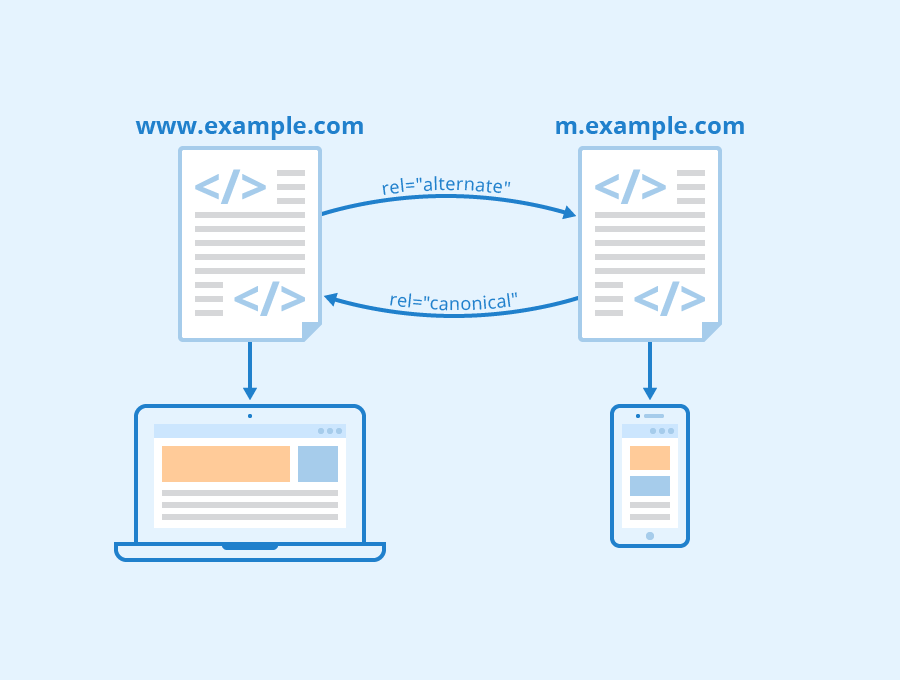
The Power of Mobile Optimization: Boosting eCommerce Meta Tags and Descriptions
Introduction
In today's digital age, it's more important than ever for eCommerce businesses to have effective meta tags and descriptions. These elements are crucial in helping search engines understand what a website is about and where it should appear in search results. However, many eCommerce business owners struggle with creating compelling meta tags and descriptions that accurately represent their brand while also being optimized for search engines. This can result in poor visibility and low click-through rates, ultimately impacting the success of their online store. Fortunately, solutions like Quick Creator exist to help streamline the process of crafting high-quality meta tags and descriptions that will boost eCommerce SEO efforts. In this article, we'll explore the power of mobile optimization when it comes to optimizing these crucial aspects of your eCommerce site. The Importance of Mobile Optimization for Meta Tags and Descriptions
As eCommerce continues to shift towards mobile devices, it is becoming increasingly important for businesses to optimize their websites accordingly. In fact, a study by Statista found that in 2021, over 73% of all retail eCommerce will be conducted through mobile devices. This means that if your website isn't optimized for mobile use, you could be missing out on a significant portion of potential customers.
One area where mobile optimization is crucial is with meta tags and descriptions. These are the snippets of text that appear in search engine results when someone searches for a product or service related to your business. When these tags and descriptions are properly optimized for mobile use, they can greatly improve your website's visibility and click-through rates. How Mobile Optimization Affects Meta Tags
When optimizing meta tags for mobile use, it's important to keep in mind the limited screen space available on smaller devices. This means keeping titles short and concise while still including relevant keywords to help boost SEO rankings. Additionally, since many users now rely on voice search when using their phones or tablets, it's important to include natural language phrases within meta tags as well. For example, instead of simply saying "women's shoes," you might include longer tail phrases such as "comfortable women's shoes for walking."
Another key factor in optimizing meta tags for mobile use is ensuring they are easy to read and understand quickly. This means avoiding overly technical jargon or complex phrasing which could cause confusion or frustration among users.
The Importance of Descriptions
Descriptions play an equally vital role in boosting eCommerce success through effective online marketing strategies like organic search engine optimization (SEO), social media marketing (SMM) etc,. Not only do they provide additional information about products or services offered by an eCommerce site but also serve as valuable opportunities to engage consumers emotionally with persuasive messages.
Mobile optimization plays an even more crucial role here because long paragraphs tend not work well within small screens; instead, you should aim to keep descriptions short and sweet. Consider using bullet points or numbered lists to break up information into easily digestible pieces.
Another important consideration when it comes to mobile optimization of product descriptions is the use of visual aids such as high-quality images, videos, or infographics. These can help draw users' attention and provide additional context for products in a way that text alone cannot.
Tips for Optimizing Meta Information for Mobile Devices
As eCommerce businesses continue to shift towards mobile-first strategies, it is important to optimize your website's meta information for mobile devices. Meta information includes the title and description that appear in search engine results pages (SERPs) and can greatly impact click-through rates (CTR) and overall visibility. Here are some actionable tips for optimizing meta information for mobile devices: Use Shorter Titles
Mobile screens have limited space, so it is crucial to keep titles short and concise. It is recommended to aim for a maximum of 60 characters or less to ensure that the entire title appears in SERPs. This also helps users quickly understand what your page is about without having to read a lengthy title.
For example, instead of using "Best Tips for Finding Affordable Fashion Online", consider using "Affordable Fashion Tips". While the latter may not include all the details of the former, it still conveys enough information while being optimized for mobile viewing.
Use Shorter Descriptions
In addition to shorter titles, descriptions should also be kept brief on mobile devices. Aim for 155 characters or less as longer descriptions will get truncated in SERPs on smaller screens.
Make sure your description effectively summarizes what your page offers while including relevant keywords that potential customers might use when searching online.
For instance, rather than using a long-winded description such as "Our store features an extensive collection of high-quality outdoor gear ranging from jackets and backpacks to tents and sleeping bags at affordable prices," opt instead for something like "Find Affordable Outdoor Gear Here."
Include Relevant Keywords
Including relevant keywords in both titles and descriptions improves their visibility on search engines by ensuring they match up with user queries. However, avoid keyword stuffing - overusing keywords can harm SEO rankings. To determine which keywords are most effective within your specific industry niche requires thorough research into consumer behavior patterns through tools like Google Analytics or other keyword research platforms.
Once you have identified those optimal keywords, incorporate them naturally throughout your meta information to increase the chances of appearing higher in SERPs.
Optimize for Featured Snippets
Featured snippets are brief pieces of content that appear at the top of search results. They provide users with a quick answer to their query without requiring them to click through to a website. Optimizing your meta information for featured snippets can greatly improve visibility and boost CTRs. To do so, focus on using concise language that answers common questions related to your business niche while incorporating relevant keywords.
For example, instead of creating a title like "How Our Company Provides Fast Shipping," try using "Fast Shipping: How We Deliver Your Products Quickly." This title is more likely to be featured as a snippet because it directly answers user queries about fast shipping solutions.
Creating a Seamless User Experience Across Desktop and Mobile Devices
As more and more consumers use their mobile devices to shop online, it's essential for eCommerce businesses to provide a seamless user experience across both desktop and mobile devices. Not only does this improve customer satisfaction, but it also helps with SEO by ensuring that your website is optimized for all types of devices. One way to achieve this is by using responsive design, which adapts your website's layout according to the screen size of the device being used. This means that customers can easily navigate your site whether they're using a desktop computer or a smartphone. Another tip is to simplify your navigation menu on mobile devices. Since screens are smaller on mobile devices, it's important to make sure that users can quickly find what they're looking for without having to scroll through multiple pages or menus. Consider using dropdown menus or collapsible sections so that users can easily access different categories without cluttering up the page.
In addition, make sure that any images or videos you use on your website are optimized for both desktop and mobile viewing. Large files can slow down load times on mobile devices, leading potential customers to abandon your site before even seeing what you have to offer.
Finally, test your website on various types of devices and browsers regularly to ensure that everything is working as expected. This will help you catch any issues early on and ensure a seamless user experience across all platforms.
By following these tips and providing a seamless user experience across desktop and mobile devices, eCommerce businesses can improve customer satisfaction while also boosting their SEO efforts in today's competitive online marketplace.
Conclusion
In conclusion, mobile optimization is a crucial aspect of eCommerce meta tags and descriptions. As more consumers turn to their smartphones and tablets for online shopping, businesses need to ensure that their websites are optimized for these devices. By implementing best practices such as using concise and relevant keywords, avoiding duplicate content, and optimizing images for faster loading times, businesses can improve their search rankings and attract more customers. Additionally, investing in a landing page creator like Quick Creator can streamline the optimization process even further. Overall, prioritizing mobile optimization will not only benefit your website's SEO but also enhance the user experience for your customers.