Maximizing Click-Throughs: How to Write Compelling Meta Descriptions for eCommerce Products
Introduction
Brief Overview of the Problem of Ineffective Meta Tags and Descriptions in the eCommerce Industry
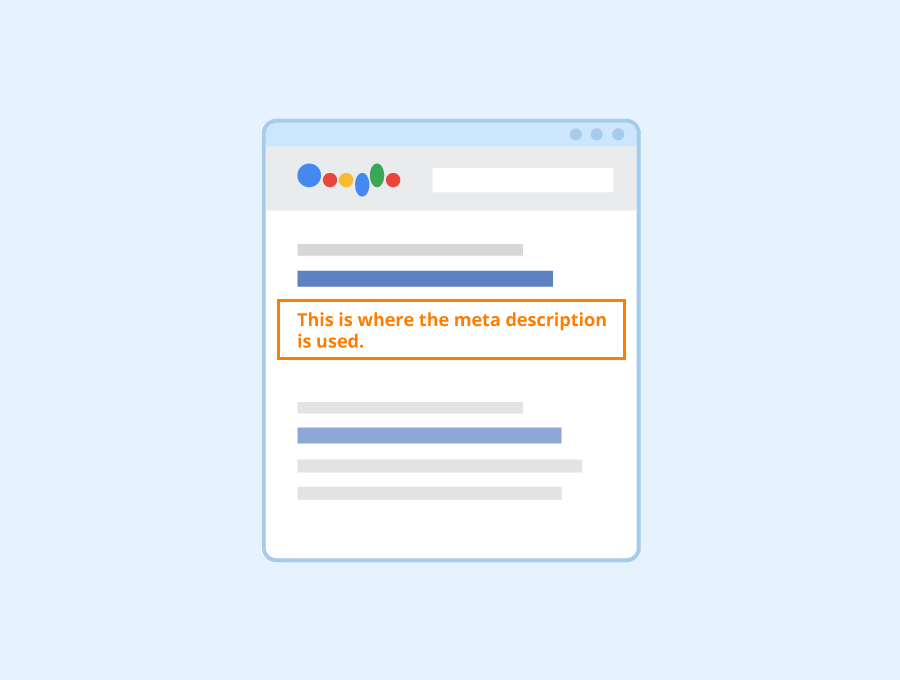
Meta descriptions are an essential part of any SEO strategy, as they provide a brief summary of what a webpage is about. For eCommerce websites, meta descriptions play a crucial role in helping potential customers find and click on products that meet their needs. Unfortunately, many eCommerce website owners overlook this key element or fail to optimize their product descriptions for maximum click-through rates (CTRs). As a result, their pages may be buried deep within search engine results pages (SERPs), making it difficult for users to find them. Ineffective meta tags and descriptions can also lead to decreased organic traffic and lower conversion rates. When users do come across poorly written or irrelevant descriptions, they may quickly move on to other options instead of clicking through to view the product page. This not only causes frustration but also decreases sales opportunities for businesses.
Moreover, with Google's ever-changing algorithms, it is becoming increasingly important for eCommerce sites to have well-crafted meta tags and descriptions that accurately describe their products while incorporating relevant keywords. This allows search engines like Google to better understand what content is contained on each page so they can serve up more targeted results. In this blog post, we will explore how you can write compelling meta descriptions that maximize CTRs for your eCommerce products. We'll offer tips on crafting effective copy that captures user attention and entices them to click through to your site. By following these guidelines, you can improve your SERP rankings, increase organic traffic and drive more conversions - ultimately boosting revenue for your business!
Incorporating Keywords
One of the most important aspects of writing a meta description for eCommerce products is incorporating relevant keywords. Keywords play a pivotal role in search engine rankings and can significantly impact click-through rates. Therefore, it's essential to choose the right keywords that accurately reflect your product and where to place them within your meta description. Importance of Keywords
Keywords are crucial in helping search engines understand what your page is about and matching it with users' search queries. When you include relevant keywords in your meta descriptions, you increase the likelihood of attracting organic traffic from search engines. By optimizing your metadata with targeted keywords, you signal to algorithms what kind of content you're offering on each page. However, it's important not to overdo it by stuffing too many irrelevant or low-quality keywords into a single sentence. Doing so can trigger spam filters and lead to potential penalties from Google or other major search engines.
Choosing the Right Keywords
The first step towards choosing the right set of keywords for your eCommerce products is conducting thorough keyword research. You should identify which terms customers frequently use when searching for similar types of products online.
One way to conduct keyword research is by using free tools such as Google Keyword Planner or Ubersuggest that provide insights into popular queries related to specific topics or phrases based on region-specific data.
You should also consider long-tail variations that match user intent more closely rather than generic broad terms alone. For example, if someone searches "running shoes," they might be looking for anything from minimalist options suitable for road running to trail-friendly models designed specifically for hikers or backpackers.
Another valuable source of inspiration could come directly from customer feedback - particularly reviews left after previous purchases- which often contain phrasing patterns used naturally by real people seeking out similar items later down-the-line!
Placing Keywords Within Your Meta Description
Once you've identified a list containing high-value target words/phrases through keyword research, It's time now where to place them within your meta description. The most important thing to remember here is that you should always prioritize readability and user experience over stuffing in as many keywords as possible.
Incorporate one or two primary keywords near the beginning of your meta descriptions, preferably in a way that sounds natural and organic. Using active verbs such as "Shop" or "Buy" alongside relevant adjectives can improve click-through rates by creating a sense of urgency while also signaling what the page has to offer.
Successful Examples
Here are some examples of successful meta descriptions for eCommerce products that effectively incorporate keywords:
1) For running shoes- "Find Your Perfect Pair Of Running Shoes - Shop Our Collection Today!"
2) For cameras- "Capture Every Moment In Stunning Detail With Our Range Of Cameras."
3) For skin care products - "Get Glowing Skin with our Natural Skincare Products – Buy Now!"
By following these tips, you can write compelling meta descriptions for eCommerce products that attract clicks, engage customers, and ultimately boost sales.
Highlighting Unique Selling Points
In the world of eCommerce, where consumers are bombarded with a multitude of options for products and services, it is crucial to highlight your unique selling points (USPs) in order to stand out from competitors. Meta descriptions provide an opportunity to do just that by giving potential customers a brief summary of what makes your product special. By effectively showcasing your USPs within meta descriptions, you can capture the attention of users and increase click-through rates (CTRs). Identifying Unique Selling Points
Before you can effectively highlight your USPs in meta descriptions, it is important to first identify what sets your products apart from others on the market. Start by analyzing customer feedback and reviews to see what features or benefits they appreciate most about your products. Look at how your offerings compare to those of competitors - are there any areas where you excel? Additionally, consider the specific needs or pain points that your target audience may have and determine whether your product addresses them in a unique way.
Showcasing Unique Selling Points
Once you have identified key USPs for each product or service, it's time to craft compelling meta descriptions that showcase these strengths. A good formula for doing so is as follows:
Begin with a strong action-oriented verb
Follow up with a concise description of the main benefit(s) offered by the product
Use persuasive language such as "you won't find anywhere else" or "guaranteed satisfaction"
For example, instead of simply stating "Men's Running Shoes," try something like "Experience unmatched comfort during even the toughest workouts with our ultra-cushioned Men's Running Shoes." This not only highlights one key USP (comfort), but also implies superiority over similar offerings from competitors.
It's important not to go overboard when highlighting USPs; overly promotional language can come across as disingenuous or spammy. Instead aim for clear messaging that accurately represents what sets each product apart.
Successful Examples
To illustrate effective use of USPs in meta descriptions, let's take a look at some real-world examples:
"Get silky-smooth skin without the irritation with our all-natural shaving cream!" This description highlights a unique aspect of the product (all-natural ingredients) and addresses a common pain point for consumers (razor burn).
"Our vegan leather handbags are cruelty-free and stylish - what more could you want?" Here, two key selling points are highlighted: the ethical production process and fashionable design.
"Experience gaming like never before with our immersive VR headset!" By positioning their product as revolutionary ("like never before"), this meta description effectively conveys excitement and sets it apart from other VR headsets on the market.
By taking the time to identify USPs for each product or service and crafting compelling meta descriptions that showcase these strengths, eCommerce website owners can significantly increase CTRs and ultimately boost sales.
Enticing Users to Click Through
Crafting compelling meta descriptions with effective calls-to-action is crucial for eCommerce websites. It's not enough to simply describe the product, you need to convince users that your website is worth visiting and that they'll find what they're looking for. A well-written call-to-action can increase click-through rates and ultimately drive more sales. Here are some tips for writing effective calls-to-action within the meta description. Tips for Writing Effective Calls-To-Action
Use action-oriented language: Verbs like "Shop now," "Discover," or "Learn more" encourage users to take action and visit your website.
Highlight unique selling points: If you offer free shipping, a money-back guarantee, or other incentives, include them in your call-to-action. Create urgency: Phrases like "Limited time offer" or "Don't miss out" can create a sense of urgency and encourage users to act quickly.
Keep it concise: Meta descriptions have limited space, so make sure your call-to-action is short and sweet.
Examples of Successful Meta Descriptions
Sephora - "Get beauty products delivered right to your door with Free Shipping on orders over $50! Discover the latest in makeup, skin care & more."
This meta description includes both a clear call-to-action ("Discover") as well as a unique selling point (Free Shipping).
Zappos - "Shop our selection of shoes, boots & sandals from top brands for women's men's & kids' at our online store."
While this meta description doesn't have an explicit call-to-action, it does use inclusive language ("our selection") which makes users feel like part of the shopping experience.
Target - "Expect More Pay Less – Shop Target™ For Women’s Clothing You Will Love At Great Low Prices"
This meta description creates urgency with its tagline ("Expect More Pay Less"), while also using inclusive language and highlighting a unique selling point (Great Low Prices).
Examples of Effective Meta Descriptions from Top eCommerce Websites
When it comes to writing effective meta descriptions for eCommerce products, there are some top websites that set the standard. Let's take a look at some examples of successful meta descriptions and analyze what makes them work so well. Amazon
Amazon is one of the largest eCommerce websites in the world, and their meta descriptions reflect their expertise in selling products online. Their product pages typically feature concise, benefit-driven meta descriptions that highlight key features and benefits of the product.
For example, on a page for a popular kitchen appliance like an Instant Pot, Amazon might use a description like "Make cooking easy with this versatile 7-in-1 pressure cooker. Cook healthy meals quickly and easily with programmable settings and multiple safety features."
What makes this description effective is its focus on benefits rather than just features. It tells potential customers exactly why they should buy this product (to make cooking easier) and highlights specific advantages (quick cook times, programmable settings).
Sephora
Sephora is another major player in eCommerce, specializing in beauty products. Their meta descriptions often include keywords related to the type of product being sold ("lipstick," "eyeshadow," etc.) along with detailed information about shade options or other unique features. For instance: "Get bold color that lasts all day with our new matte liquid lipstick collection. Choose from 12 vibrant shades that flatter any skin tone."
This description stands out because it speaks directly to buyers looking for long-lasting lip color – something many people struggle to find. By emphasizing both quality ("bold color") and customization ("choose from 12 shades"), Sephora creates an appealing offer for potential customers.
Etsy
As an online marketplace featuring handmade goods from independent sellers around the world, Etsy has a distinct brand voice that shows through in their meta descriptions as well as other copy throughout their site.
One example could be: "Find your perfect statement piece among hundreds of handcrafted necklaces from top Etsy sellers. Unique designs and high-quality materials make our necklaces stand out."
This description uses language that appeals to shoppers looking for something one-of-a-kind ("perfect statement piece," "unique designs"). It also emphasizes the quality of the products being sold, which is particularly important when dealing with handmade goods.
Overall, these examples demonstrate that effective meta descriptions should be concise, benefit-driven, and customized to the product or brand being sold. By taking cues from successful eCommerce websites like Amazon, Sephora, and Etsy – while still maintaining a unique voice – online store owners can improve click-through rates and drive more sales. Conclusion
Effective meta descriptions for eCommerce product pages are crucial for improving click-through rates and driving traffic to your website. The key takeaways from this article include the importance of using relevant keywords, keeping the description concise, highlighting unique selling propositions and benefits, and creating a sense of urgency or call-to-action. By implementing these strategies in your meta descriptions, you can improve your search engine rankings and attract more potential customers to your eCommerce site. To improve the effectiveness of your meta descriptions on eCommerce websites, it is important to regularly review them for relevance and accuracy while also continuously analyzing their performance metrics such as click-through rates (CTR). Taking these actionable steps will help you maximize click-throughs and increase sales on your online store.