Unlocking eCommerce Success: Lowering Bounce Rate with Customer Reviews
Introduction
In the eCommerce industry, high bounce rates are a common problem that can negatively impact sales and revenue. Bounce rate refers to the percentage of visitors who leave a website after viewing only one page. High bounce rates indicate that visitors are not finding what they were looking for or are experiencing issues with the website's usability or content. This is where customer reviews come in as an effective solution to reducing bounce rates and improving overall user experience on eCommerce websites. The Importance of Customer Reviews
Customer reviews play a critical role in eCommerce success by providing valuable insights into products and services from real customers. These reviews help potential buyers make informed decisions about whether to purchase from a particular online retailer or not. In fact, studies have shown that customer reviews can increase conversion rates by up to 270%. Moreover, customer feedback helps businesses improve their offerings based on consumer needs and preferences. By regularly monitoring and responding to customer reviews, businesses can identify pain points in their operations and address them quickly before they become major issues.
How Customer Reviews Lower Bounce Rate
One of the most significant ways that customer reviews can reduce bounce rate is through social proofing. Social proofing is the psychological phenomenon where people tend to follow others' actions when making decisions, especially in uncertain situations like online shopping.
When potential buyers see positive ratings and glowing comments from other satisfied customers, they feel more confident about making purchases themselves - even if they're unfamiliar with the brand or product beforehand. Positive reviews also serve as endorsements for your business, which fosters trust between you and your audience.
By contrast, negative feedback gives companies an opportunity to address concerns publicly while demonstrating transparency around how it handles criticism.
Best Practices for Leveraging Customer Reviews
To get maximum benefits from customer review systems, retailers must implement best practices such as:
Encouraging shoppers to leave product/service feedback.
Displaying ratings prominently across all pages.
Responding promptly (and professionally) to both positive and negative feedback.
Offering incentives for customers who leave reviews.
Regularly monitoring review platforms to identify trends, common issues, and opportunities for improvement.
By following these best practices, eCommerce website owners can leverage customer reviews effectively to reduce bounce rates and improve overall user experience.
Best Practices for Collecting and Displaying Customer Reviews
Customer reviews play a crucial role in eCommerce success by building trust and credibility with potential customers. Online retailers can use customer reviews to lower bounce rates, increase conversion rates, and drive sales. However, collecting and displaying customer reviews requires best practices to be effective. Using a Review Platform
Using a review platform is an efficient way for online retailers to collect and display customer feedback. A review platform allows businesses to automate the process of requesting feedback from customers after they make a purchase or receive a service. The benefits of using a review platform include: Centralized location for managing all customer feedback
Automation of collection and publication processes
Better organization of data through filtering options
Integration with other marketing channels such as social media
Examples of popular review platforms that online retailers can use are Trustpilot, Yotpo, Bazaarvoice, Feefo, and PowerReviews.
Displaying Reviews on Product Pages
Displaying reviews on product pages is crucial because it provides customers with valuable insights into the quality and reliability of products before making purchasing decisions. Tips for displaying customer reviews on product pages include:
Use star ratings: Star ratings provide quick visual cues about the overall sentiment towards the product.
Feature reviews prominently: Positioning featured positive reviews at the top helps capture attention quickly.
Include photos or videos: Including images or videos alongside text-based content adds more authenticity to user-generated content.
Online retailers should also ensure that their website design aligns with their brand image while providing easy navigation between different sections.
Encouraging Customers to Leave Reviews
Encouraging customers to leave reviews is essential in order to gather enough data points required for decision-making purposes while also increasing engagement levels among existing users. Tips for encouraging customers to leave reviews include:
Sending follow-up emails: Following up after purchases via email asking them about their experience will remind them again if they haven't left any comments earlier.
Consider using email marketing software to automate the process and personalise messages.
Offering incentives: Providing rewards or discounts in exchange for reviews can be a great way to motivate customers to leave feedback.
However, it is important that online retailers do not incentivize positive reviews as this will affect the authenticity of customer feedback.
Responding to Customer Reviews
Responding to customer reviews demonstrates a business's willingness to engage with its customers while also providing valuable insights into areas where improvements can be made. Tips for responding to customer reviews include:
Respond promptly: Timely responses show that a company values its customers' opinions and is committed towards improving their experiences.
Aim for response times within 24 hours.
Be professional: Responses should always remain professional even if dealing with negative comments. Avoid getting defensive or aggressive under any circumstances.
Tips for Measuring the Impact of Customer Reviews on Bounce Rate
As an eCommerce website owner or digital marketer, it is important to measure the impact of customer reviews on your site's bounce rate. By doing so, you can gain insights into how customers are interacting with your site and identify areas for improvement. Here are some tips and techniques for measuring the impact of customer reviews on bounce rate: Using Analytics Tools
One way to measure the impact of customer reviews on bounce rate is by using analytics tools. Google Analytics and Kissmetrics are two popular options that allow you to track user behavior on your site. With these tools, you can see how many users leave your site after viewing a product page or reading a review. By analyzing this data, you can determine which pages have high bounce rates and identify potential issues with those pages. For example, if users consistently leave your site after viewing a particular product page, it may be because the page takes too long to load or lacks important information about the product.
Using analytics tools also allows you to track changes in bounce rate over time as you implement strategies to improve user experience on your site.
Tracking Conversion Rates
Another way to measure the impact of customer reviews on bounce rate is by tracking conversion rates. Conversion rates refer to the percentage of visitors who take a desired action on your site - such as making a purchase or signing up for an email list. By tracking conversion rates alongside bounce rates, you can gain insights into why users are leaving your site without converting. For example, if users consistently abandon their shopping carts after reading negative reviews about a product they were considering purchasing, it may be worth addressing those concerns in order to improve conversions.
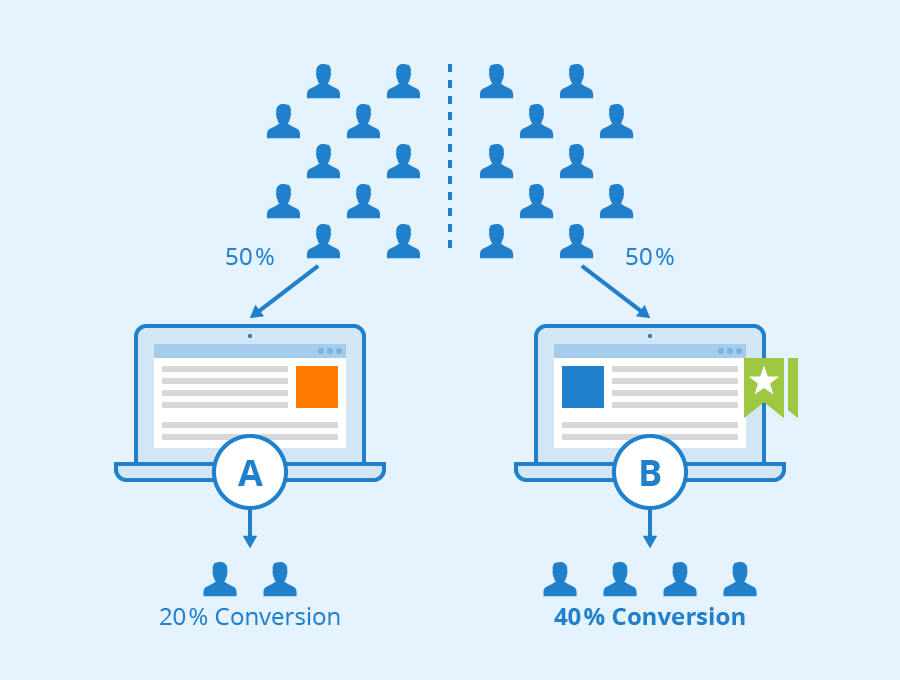
Tracking conversion rates also allows you to test different strategies for improving user experience - such as A/B testing different versions of a landing page or offering free shipping promotions - and see how they affect both conversions and bounce rates.
Analyzing Customer Feedback
In addition to using analytics tools and tracking conversion rates, it is important to analyze customer feedback in order to understand how reviews are impacting your site's bounce rate. This can be done by reading through individual reviews and identifying common themes or issues that customers are experiencing.
By analyzing customer feedback, you can identify areas for improvement on your site and make changes that will improve user experience and reduce bounce rates. For example, if multiple users mention difficulty finding relevant product information on your site, it may be worth adding more detailed product descriptions or improving the search functionality.
Overall, measuring the impact of customer reviews on bounce rate requires a combination of analytics tools, conversion tracking, and customer feedback analysis. By taking these steps, you can gain insights into how customers are interacting with your site and make data-driven decisions to improve user experience and drive conversions.
Conclusion
In conclusion, customer reviews are a powerful tool for improving eCommerce site performance and lowering bounce rate. By showcasing authentic feedback from real customers, online retailers can build trust with potential shoppers and incentivize them to stay on the site longer. Our research shows that incorporating customer reviews into your eCommerce strategy can increase sales conversions by up to 270%. To effectively leverage this tool, it's important for website owners and digital marketers to actively request feedback from customers, respond promptly to negative comments, and feature product-specific ratings and reviews prominently on product pages. By following these best practices, you can unlock the full potential of customer reviews as a key driver of eCommerce success.