Why Local SEO is Vital for Real Estate: Boost Your Online Reputation with Local Content & Google My Business
Introduction
As a real estate business owner or professional, you know the importance of having a strong online presence to attract local customers. But did you know that one of the most effective ways to improve your online reputation and visibility is through local SEO? Local SEO involves optimizing your website and online profiles for location-based searches, allowing potential customers in your area to easily find and connect with you. Recent studies have shown the power of local search for real estate businesses. According to Google, 46% of all searches have "local intent," meaning users are looking for businesses or information related specifically to their location. In fact, when it comes to real estate-related searches, 71% include specific locations such as neighborhoods or cities.
One example of a successful implementation of local SEO in the real estate industry is Redfin, an online brokerage that uses hyper-local content on its blog to attract potential buyers and sellers. By creating targeted blog posts about specific neighborhoods and communities, Redfin has been able to rank highly in search results for those areas and establish itself as an authority on local real estate.
Another case study comes from Chicago-based @properties Real Estate Brokerage. They utilized Google My Business (GMB) by optimizing their profile with accurate information like opening hours & business description which helped them increase visibility among potential clients who were searching for nearby listings on GMB maps section resulting into significant growth in inbound leads via phone calls from GMB listing alone. In summary: If you want your real estate business to succeed locally, then investing time into improving your Local SEO strategies should be at the top priority list!
How Local SEO Works
Local SEO is the process of optimizing a website to improve its visibility in local search results. It focuses on increasing online presence and attracting more traffic from relevant local searches. In other words, Local SEO helps businesses to connect with potential customers who are searching for their products or services within a specific geographic area. What is Local SEO?
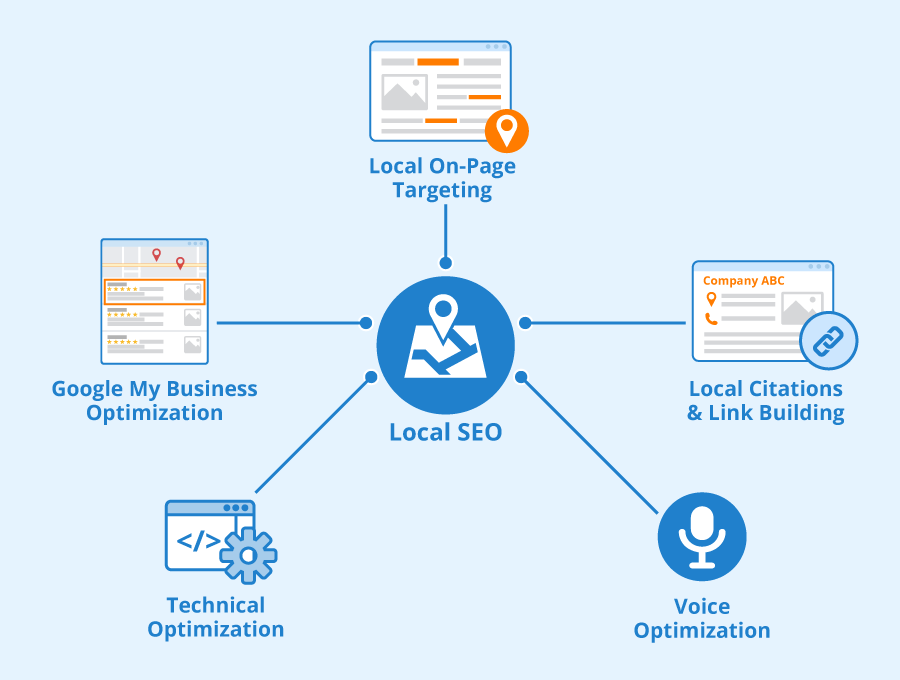
Local SEO enables businesses to optimize their online presence for a specific location or region. It involves various techniques such as keyword research, content creation, on-page optimization, link building and citation management that help websites rank higher in local search results.
With over 70% of consumers using the internet when looking for local services, it's essential for real estate businesses to have an effective Local SEO strategy in place. By getting listed and ranked high on Google Maps and other directories like Yelp or Yellow Pages, real estate companies can increase their visibility among potential clients who are physically nearby.
Why Local SEO is Important for Real Estate Businesses
Nowadays, people rely heavily on technology when making purchasing decisions; this includes finding homes or properties to buy or rent. Most home buyers start by researching online before contacting a real estate agent directly. This means that having strong digital marketing strategies will give you an edge over your competition.
Accordingly, optimizing your website with Local SEO techniques can be beneficial because it allows your business to show up first in organic search engine results pages (SERP) when prospects look up keywords related to buying/selling/renting properties within your target market area(s). This not only increases brand awareness but also drives more qualified leads towards conversion – which ultimately boosts revenue growth!
Let's take one example: suppose someone living near San Francisco wants information about "homes available under $500K." They'll likely launch Google Search from their phone/computer/tablet/mobile device while typing these exact phrases into the search bar! Here comes the role of Location-based targeting through geo-targeted keywords optimized content & citation building strategies - the algorithm picks up these keywords and shows relevant results near that location. As a result, real estate businesses with strong Local SEO strategies will appear higher in SERPs – giving them more visibility and traffic.
How Local SEO Works for Real Estate Businesses
Real estate companies must adapt their websites to align with Google's ranking factors and algorithms. The following are some of the essential elements of Local SEO for real estate:
1. GMB (Google My Business) Optimization
The primary objective is to ensure your business profile on Google My Business is properly set up, claimed, verified & optimized by adding all necessary information about your organization like address, phone number(s), email addresses, website URL links etc., which significantly improves local search rankings. 2. Accurate NAP Citations
Your "NAP" refers to the name, address and phone number of your business across various directories online including Yelp or Yellow Pages etc. It's essential to maintain accurate citations as consistency helps build credibility & trustworthiness among prospects who come across your site.
3. High-Quality Content Creation
High-quality content creation around targeted keywords can help you rank higher in local search engine results pages (SERP). This means creating blogs/articles/infographics/videos targeting specific niches within the industry while providing valuable insights designed specifically for potential customers seeking property-related services within a particular area.
One great example could be writing an article that highlights top neighborhoods where investors should invest money because they're experiencing rapid growth rates currently; this not only attracts readers but also establishes authority through expertise!
4. On-Page Optimization
On-page optimization involves optimizing individual web pages' meta tags such as titles/headlines/descriptions/tags/etc., making sure they contain relevant keywords while staying user-friendly so visitors stay longer on-site without leaving quickly due to poor user experience design issues like slow loading times or too many ads.
5. Backlink Building
Backlinks are links pointing from other websites to your site, and they're an essential factor in building domain authority (DA) for real estate businesses. Having more backlinks can significantly boost rankings within local search results pages (SERP).
Tips for Optimizing Local SEO for Real Estate Businesses
Here are some tips that real estate businesses can follow to improve their Local SEO:
Keep the NAP citations of your business consistent across various directories online.
Optimize Google My Business listing with complete information, including logo & images.
Create high-quality content around targeted keywords related to property sales/rentals/investments etc., while providing valuable insights designed specifically for potential customers seeking property-related services within a particular area.
Use geo-targeted keywords in URL structure, metadata descriptions/titles/tags/etc., making sure they contain relevant keywords while staying user-friendly so visitors stay longer on-site without leaving quickly due to poor user experience design issues like slow loading times or too many ads.
Build quality backlinks by reaching out to other authoritative sites/blogs in your industry/niche and asking them if they'd be interested in linking back towards yours!
Tips for Optimizing Local SEO
Optimizing for local SEO can be a complex process, but it's essential to improve your online presence and attract more local customers. Here are some actionable tips and advice that you can implement in your real estate business: Create Local Content
Creating local content is one of the most effective ways to optimize for local SEO. By producing high-quality content that provides value to your audience, you can establish yourself as an authority in your industry and region. To get started with creating local content, think about the questions that potential customers might have about buying or selling property in your area. You could create blog posts, videos or infographics that answer these questions. Additionally, make sure to include location-specific keywords throughout your content such as mentioning nearby landmarks or popular neighborhoods where you operate. This will help search engines understand the relevance of your website to users who are searching for real estate services in a particular location.
Utilize Google My Business
Google My Business (GMB) is a free tool provided by Google which allows businesses with physical locations to manage their online presence across Google’s platforms including maps and searches on desktops or mobile devices. To utilize GMB effectively first claim ownership of your business listing on Google Maps if not already done so by verifying all information listed there such as address, phone number & working hours etc., Also ensure any changes made reflect consistently through all other listings like Yelp , Facebook page etc.,
Secondly add photos regularly featuring inside/outside views of property listings along with team photos.
Thirdly encourage positive reviews from happy clients by providing links from emails/follow-up messages after closing deals this also helps GMB rank higher among competitors.
Conclusion
In conclusion, local SEO is vital for real estate businesses looking to boost their online reputation and attract more local customers. By optimizing your website and Google My Business listing with relevant local content, you can increase your visibility in search results and improve your chances of being found by potential clients. Key takeaways from this article include the importance of claiming and verifying your GMB listing, using location-specific keywords on your website, creating localized content that speaks to your target audience, and regularly monitoring and updating your online presence. With these strategies in place, real estate professionals can establish themselves as trusted authorities in their local market and drive more leads through their digital channels. See Also