The Ultimate Guide to Local SEO for Healthcare Providers: Boost Your Visibility Today!
Overview of Local SEO for Healthcare Providers
Importance of Local SEO for Healthcare Providers
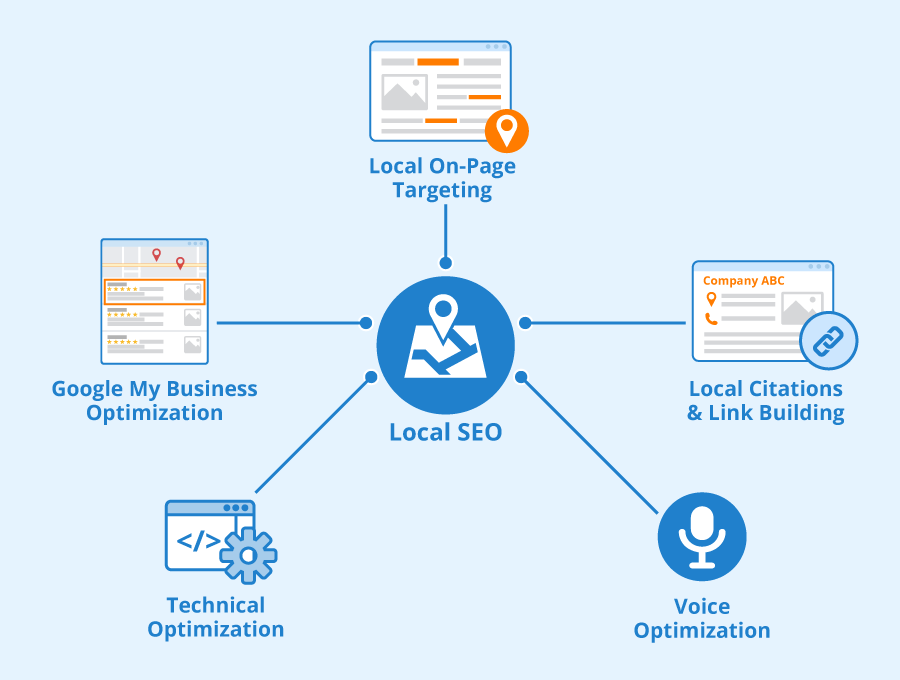
As a healthcare provider, your top priority is the well-being and care of your patients. However, in today's digital age, having a strong online presence has become increasingly important. This is where local SEO comes into play. Local SEO refers to the process of optimizing your website and online content to appear higher in search engine results when users search for specific keywords related to their location. By prioritizing this type of optimization, you can increase visibility among potential patients within your community and build trust with them.
Benefits of Local SEO for Healthcare Providers
One major benefit of implementing local SEO strategies as a healthcare provider is that it can significantly boost your visibility online. When patients search for healthcare services in their area, they are more likely to see your website or business listing on the first page of their search results if you have optimized for local searches.
In addition to increased visibility, local SEO also helps build trust with potential patients by establishing credibility and authority within your community. Patients are more likely to trust providers who rank high in search engine results because they view these businesses as credible sources that are actively invested in meeting their needs.
Overall, by prioritizing local SEO strategies as a healthcare provider, you can increase brand awareness among potential patients while also building valuable relationships through increased visibility and patient trust.
Keyword Research for Healthcare Providers
Keyword research is the foundation of any successful SEO strategy. It involves identifying and analyzing the words and phrases that people use to search for information related to your healthcare services. By conducting thorough keyword research, healthcare providers can understand what their potential patients are searching for online, and then optimize their website content accordingly. Understanding Local Search
Before jumping into keyword research tools, it's important to first understand how local search works and why it's crucial for healthcare providers. When someone searches for a specific healthcare service or provider in their area, Google uses various factors such as location data and user intent to deliver relevant results based on proximity. This means that if you're not optimizing your website with local keywords, you're missing out on potential patients who are actively looking for your services nearby.
Keyword Research Tools
There are many different keyword research tools available that can help healthcare providers identify the most relevant keywords for their local audience. Some popular options include Google Keyword Planner, SEMrush, Ahrefs, Moz Keyword Explorer, and Ubersuggest.
To begin using these tools effectively, start by brainstorming a list of general terms related to your medical specialty or clinic. Then enter each term into the tool of your choice to generate a list of related keywords along with valuable metrics like search volume and competition level.
It's also important to keep in mind long-tail keywords which consist of longer phrases (typically three or more words) that tend to be less competitive but more targeted towards specific patient needs. For instance instead of targeting "pediatricians", consider targeting "best pediatricians near me" or "pediatrician open weekends".
Choosing The Right Keywords
Once you have generated a list of potential keywords through one (or multiple!) keyword research tool(s), it's time to narrow down which ones will be most effective at driving traffic from your target audience.
Here are some tips:
Focus on relevancy: Choose only those terms that are directly related to your healthcare services.
Consider search volume and competition level: Select keywords with a decent amount of monthly search volume, but not too competitive (low hanging fruit).
Think about user intent: Make sure the keywords you choose aligns with what people are actually searching for. Avoid using "keyword stuffing" by incorporating these terms naturally into your website content.
By following these tips and conducting thorough research on local keyword data, healthcare providers can improve their online visibility and attract more patients from their target demographics.
Local Business Listings
Local business listings are an important part of local SEO strategy as they help increase your visibility in Google Maps results when potential patients search for nearby clinics or hospitals. To optimize your business listing, make sure that all information is accurate and up-to-date including name, address, phone number (NAP), hours of operation etc. Also consider adding photos or videos that show off your clinic environment which could build trust amongst potential clients. Some popular platforms to list on include Google My Business , Yelp!, Bing Places among others.
Checklist for Healthcare Providers
To summarize the aforementioned sections here's a checklist that healthcare providers can use when optimizing their website for local SEO:
1) Identify general topics relevant to specialty
2) Use Keyword Research Tools to identify long-tail & high traffic keywords
3) Prioritize relevancy over competitiveness
4) Incorporate selected keyword(s) throughout site organically
5) Ensure NAP consistency across web directories especially Google My Business page.
6) Claim & Optimize listings on major review websites like Yelp!
7 ) Add images/videos showcasing office or medical facilities
By following this checklist and implementing best practices in local SEO tactics such as geo-targeting pages based on location; healthcare providers will be able to enhance their online presence, attract new patients who seek medical assistance within close proximity while building trust along the way!
On-Page Optimization for Healthcare Providers
On-page optimization is an essential element of local SEO strategy. Optimizing your website content, meta descriptions, and other on-page elements can significantly improve your online visibility and attract more patients to your healthcare practice. In this section, we will provide actionable tips on how to optimize website content, meta descriptions, and other on-page elements for local SEO. Content Optimization
One of the key aspects of on-page optimization is optimizing website content for local search. Healthcare providers should focus on creating high-quality and informative content that answers common questions related to their services. This can include blog posts about health topics relevant to their specialties or service pages that provide detailed information about their treatments.
To optimize your website's content for local SEO, you need to target specific keywords that are relevant to your business. Use keyword research tools like Google Keyword Planner or SEMrush to identify popular keywords used by potential patients in your area when searching for healthcare services. For example, a dentist located in New York City may want to target keywords such as "teeth whitening NYC", "dental implants Manhattan" or "orthodontist Upper East Side". Once you have identified the most relevant keywords for each page of your site, make sure they appear naturally within the body text without overstuffing them.
It's also important to ensure that all images used on your site are optimized with descriptive alt tags including location-specific keywords where applicable. This helps search engines understand what each image represents while providing additional context about the location of the business.
Real-life examples: Drs. Smith & Jones Family Dentistry in Miami saw a significant increase in organic traffic after incorporating long-tail keyword phrases into their blogs such as "how braces work" and "oral hygiene tips during pregnancy".
Meta Tags Optimization
Meta tags refer specifically to title tags and meta descriptions which are HTML elements used by search engines when displaying results pages (SERPs). These two elements play a crucial role in attracting potential patients to your website and should be optimized for local SEO.
The title tag is the first thing users see in search results, so it's important to make sure it accurately reflects the content of each page while including location-specific keywords. Keep titles concise (ideally under 60 characters) and avoid using duplicate title tags across different pages.
Meta descriptions are brief summaries that appear beneath the title tag on SERPs. They provide an opportunity to engage with potential patients and entice them to click through to your site. Meta descriptions should be no longer than 160 characters and include relevant keywords along with a clear call-to-action (CTA).
For example, a dermatologist located in Los Angeles may use meta description such as "Experience healthy skin with our comprehensive dermatology services in Beverly Hills. Schedule an appointment today!"
Real-life examples: The team at Atlanta Women’s Health Group improved their click-through rate by 25% after creating unique meta descriptions for each page of their site that highlighted their expertise in women’s health care.
Mobile-Friendly Website
Having a mobile-friendly website is crucial for both user experience and local SEO rankings. With more than half of all internet traffic coming from mobile devices, Google has made mobile-friendliness one of its top ranking factors.
To ensure your healthcare website is mobile-friendly, you need to consider how it appears on smaller screens, whether images load quickly, if buttons are large enough for easy navigation, etcetera.
One way to check if your website is mobile-friendly or not is by using Google's Mobile-Friendly Test tool which provides recommendations on how you can improve your site's performance on mobile devices.
Real-life examples: After implementing responsive design elements into their web development strategy, Drs Hines & Associates Family Medicine saw a significant increase in patient engagement via smartphones leading directly contributed towards increased sales figures.
Link Building for Healthcare Providers
Link building is a crucial aspect of SEO for healthcare providers. It involves acquiring high-quality backlinks from authoritative sources to improve the website's ranking on search engine results pages (SERPs). Backlinks are links that point towards your website from another site, and they act as votes of confidence in your content. Therefore, having more high-quality backlinks will increase the credibility and authority of your website. Guest Blogging
One effective strategy for healthcare providers to acquire high-quality backlinks is through guest blogging. This involves writing articles or blog posts for other websites within the same niche or industry that link back to your site. By providing valuable content, you can establish yourself as an expert in your field while also gaining exposure and driving traffic to your site.
For example, a dental clinic could write a guest post on oral health tips for a popular health and wellness blog with a link back to their own website. This not only provides value to readers but also helps build trust and authority with search engines.
Local Business Directories
Another way healthcare providers can acquire high-quality backlinks is by listing their practice on local business directories such as Yelp or Google My Business. These directories allow users to find local businesses near them based on their location or desired services.
By creating listings on these directories, you are not only increasing visibility among potential patients but also improving the online presence of your practice by linking it with authoritative sources like Google Maps or YellowPages.com. Additionally, many directory sites offer opportunities for businesses to include links within their profiles, providing additional avenues for earning quality backlinks.
Content Marketing
Content marketing is another powerful tool that healthcare providers can use to earn quality backlinks. By creating informative and engaging content such as infographics, videos, or blog posts related to healthcare topics relevant to patients' needs questions , practitioners can attract interest across multiple channels including social media platforms which ,in turn leading others recommending this content via shares and linking to it on their own sites.
A great example of this is a recent blog post from a chiropractor that provided tips for reducing back pain during pregnancy. The post was shared widely across social media and linked back to the chiropractic clinic's website, resulting in increased traffic and visibility for the practice.
Dofollow vs Nofollow Links
It's important to understand the difference between dofollow and nofollow links when building backlinks. A dofollow link is one that passes authority from one site to another, while a nofollow link does not. In other words, if you acquire a dofollow link from an authoritative source, it can significantly improve your website's ranking on SERPs.
On the other hand, nofollow links are still valuable because they provide exposure and referral traffic but don't directly contribute to SEO efforts. It's also worth noting that having too many low-quality or spammy links pointing towards your site can hurt your SEO efforts rather than help them. Therefore, it’s essential always to aim for high-quality sources with relevant content.
Reputation Management for Healthcare Providers
In today's digital age, managing your online reputation is crucial for healthcare providers to improve their local SEO and attract new patients. Patients rely heavily on online reviews when choosing a healthcare provider, which makes it essential for providers to monitor and manage their online presence constantly. Negative reviews can damage a provider's reputation and deter potential patients from seeking services, while positive reviews can increase trust in the practice. Responding to Negative Reviews
Responding promptly and professionally to negative feedback is critical in maintaining a positive reputation. Healthcare providers should acknowledge the patient's concerns, apologize if necessary, and offer solutions or ways to address the issue. It is also essential not to disclose any personal information about the patient or violate HIPAA regulations while responding. By addressing negative feedback with empathy and professionalism, healthcare providers can demonstrate their commitment to patient care.
Importance of Positive Online Reputation
Having a positive online reputation has become increasingly important for local SEO rankings as search engines prioritize credible sources that provide valuable information. A high number of positive reviews indicates that a healthcare provider offers quality service, which leads search engines like Google to rank them higher in search results than competitors with lower ratings.
Moreover, having an excellent online presence improves brand awareness among potential patients who might otherwise be unaware of your practice's existence. This increased visibility helps drive more traffic organically towards your website leading more conversions into actual physical visits ultimately resulting in better business growth.
Overall, taking steps toward monitoring and managing your healthcare practice's online reputation will help boost its visibility through improved local SEO ranking by showcasing its expertise level regarding customer satisfaction leading towards better business success overall!
Conclusion
In today's digital age, having a strong online presence is crucial for any healthcare provider. Implementing local SEO strategies can greatly enhance your visibility and attract more patients to your practice. By optimizing your website and local listings with relevant keywords and information, you can improve your search engine rankings and increase the likelihood of being found by potential patients in your area. It's important to consistently monitor and update your online presence to ensure that you are maintaining relevance in search results. Overall, investing time into local SEO can be a valuable tool for healthcare providers looking to grow their patient base and establish themselves as a trusted authority in their community. See Also