The Power of Local SEO for Healthcare: Boost Your Visibility with Local Keywords and Citations
Introduction
The Problem of Competition in Healthcare
As a healthcare provider, you understand the importance of providing high-quality care to your patients. However, with so many other providers vying for their attention, it can be difficult to stand out from the crowd. In today's digital age, having a strong online presence is essential for attracting new patients and retaining existing ones.
The Importance of Local SEO
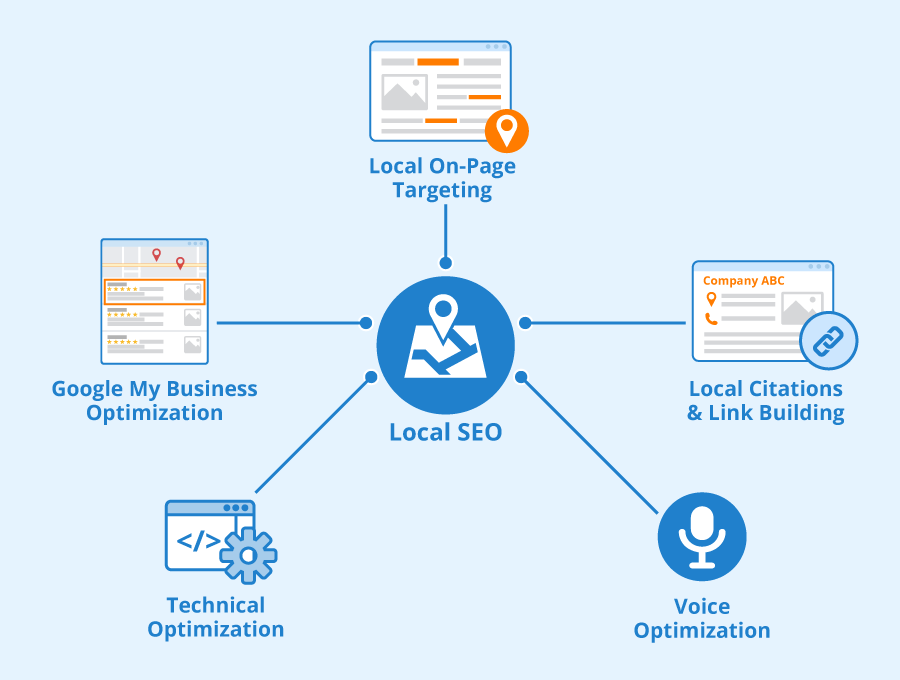
One strategy that can help healthcare providers boost their visibility online is local search engine optimization (SEO). By optimizing your website and online listings for local keywords and citations, you can increase your chances of appearing at the top of search results when potential patients are looking for healthcare services in your area. Local SEO involves several tactics such as creating accurate business listings on directories like Google My Business or Yelp. These directories allow people to find information about businesses near them including address details, phone numbers etc., making it easier for potential customers who are searching locally. Moreover, local SEO also helps in targeting specific keywords which have location modifiers attached to them such as "urgent care center near me" or "pediatrician in downtown." This way those who want quick access to medical facilities will quickly find you due to localized content.
Overall; Investing time and effort into local SEO strategies may seem daunting but it's worth noting that effective implementation can result in increased visibility across various platforms thereby generating more traffic towards your website leading ultimately towards better patient outcomes.
Optimizing Your Website for Local Keywords
In today's digital age, it is crucial for healthcare providers to optimize their website for local search engine optimization (SEO) in order to improve visibility and attract more patients. Optimizing your website with local keywords can help you rank higher on search engines like Google when a patient searches for healthcare services in their area. Here are some tips on how to optimize your website content for local SEO: Use Local Keywords in Page Titles and Meta Descriptions
When it comes to optimizing your website content, page titles and meta descriptions play a critical role in attracting patients. They provide brief summaries of the content on each page of your site and appear as the clickable links that show up on search engine results pages (SERPs). Therefore, including relevant local keywords within them is important. To write effective page titles and meta descriptions, think about what potential patients might type into a search engine when looking for services that you offer. For example, if you're a dermatologist located in New York City specializing in acne treatment, consider using phrases such as "Best Acne Treatment Services by Dermatologists NYC" or "Expert Dermatologists Offering Acne Treatment Services near You". This will help ensure that when someone types those words into a search engine, they'll see your practice at the top of the list.
Some successful healthcare provider websites include https://www.zocdoc.com/ , which uses clear location-based language throughout its homepage copywriting while incorporating targeted keywords related to medical specialties.
Create Location-Specific Content
Creating location-specific content is another powerful way to boost visibility through local SEO. When creating new webpages or blog posts about health topics relevant to your target audience, make sure to incorporate geographic information specific not just specific language but also images or videos from around town—this helps establish authority & trustworthiness with readers who are seeking nearby resources.
For instance: If you have an orthopedic clinic located close by popular hiking trails, you could create a blog post about the best ways to prevent injuries while hiking or how your clinic can help treat hiking-related knee pain. Incorporating location-specific information into your content will not only attract more patients interested in those topics but also improve search engine rankings by providing valuable, relevant content.
Successful healthcare provider websites using this strategy include https://www.nyu-langone.org/ , which provides comprehensive information on medical specialties offered at each of its locations throughout New York City.
Include Location Information on Your Website
In addition to incorporating local keywords and creating location-based content, it's important to ensure that your website includes clear location information so that potential patients know where they can find you. This means including details such as address, phone number with area code followed by an extension if necessary (e.g., 212-555-1212 ext 123), hours of operation & availability during holidays/vacations etc.
One way to do this is by adding a "Contact Us" page that lists all of the essential contact information for each of your practice locations along with photos showing what the buildings look like from outside—this helps build trustworthiness among potential patients who are seeking reliable sources nearby.
A successful healthcare provider website using this strategy is https://www.mountsinai.org/, which offers detailed maps and directions for each of its hospital campuses located across New York City. By having smooth navigation available within their respective pages made possible through easy-to-find links at top/bottom menus plus quick access buttons placed strategically throughout main landing pages – users can quickly locate specific areas within their facility without much difficulty.
Building Local Citations
Local citations are online mentions of a business's name, address, and phone number (NAP) on websites like directories, social media platforms, and review sites. These citations play an important role in local SEO as they help search engines identify the location of a business and its relevance to certain keywords. For healthcare providers, building local citations is crucial for boosting visibility in local searches. By getting listed on reputable directories and review sites that are relevant to their industry and location, healthcare providers can improve their chances of appearing in Google's Local Pack or Map results.
Claim Your Google My Business Listing
One of the most important steps in building local citations is claiming your Google My Business listing. This free tool from Google allows businesses to manage their online presence across various channels including Search and Maps. By claiming your listing, you can provide accurate information about your practice such as your NAP details, website URL, opening hours as well as add photos and respond to customer reviews. This not only improves your visibility but also enhances user experience by providing all necessary information at one place.
To optimize your GMB listing for better ranking on search results pages:
Complete all fields with accurate information
Select relevant categories that reflect what services you offer
Add high-quality images that showcase your clinic or services
Encourage customers to leave reviews
Successful healthcare provider listings on GMB include those who have complete profiles with up-to-date information such as Dr. Michael Lepis, whose profile includes his credentials along with real patient photos showcasing his dental work. Get Listed on Local Directories
In addition to GMB listings, getting listed on other local directories is equally important for building credibility among potential patients. Some popular directories specific to the healthcare industry include Healthgrades.com, ZocDoc.com etc., while many generalist ones such as Yelp.com can also be useful. To get listed on local directories,
Search for relevant directories using keywords such as "healthcare provider directory + [your location]"
Ensure that the directory allows businesses to add their NAP details and other relevant information
Verify your listing by phone or email, if required
Successful healthcare provider listings on local directories include those who have filled out all fields with accurate information, added photos of their clinic and staff, and responded to customer reviews. For example, The Women's Health Center has a complete profile with patient reviews showcasing their quality care. Encourage Customer Reviews
Customer reviews play an important role in building trust among potential patients. Positive reviews can help boost visibility and increase click-through rates while negative ones can hurt your reputation.
To encourage customer reviews:
Ask satisfied patients to leave a review
Respond promptly to any negative feedback you receive
Provide excellent service consistently
When responding to customer reviews – positive or negative – be sure to address the reviewer by name (if possible), thank them for taking the time to share their experience, provide solutions (if necessary), and invite them back for future visits.
Successful healthcare providers with high numbers of positive reviews include Dr. Michael Borgmann who has over 500 ratings averaging 4.9 stars on ZocDoc.com due largely because he takes time listening his patients' concerns and thoroughly explains diagnosis options before proceeding with treatment. Getting Listed in Local Directories
Local directories are online platforms that list businesses within a specific geographic area. For healthcare providers, getting listed in local directories can significantly boost their visibility and attract more patients to their practice. Local directory listings often include important information such as the provider's name, address, phone number, website URL, and reviews from previous patients. Research Local Directories
Researching local directories is an essential step in creating a strong online presence for healthcare providers. It helps them find the best platforms to showcase their services and reach potential patients in their area. Healthcare providers should start by searching for popular local directories such as Google My Business, Yelp, Healthgrades, Zocdoc, and WebMD. They should also look for niche-specific directories that cater specifically to healthcare professionals. To find the best local directories for healthcare providers:
Search for keywords related to your specialty or location and see which directories rank highest.
Look at what other successful practices in your area are doing.
Check with professional organizations or associations related to your field of practice.
For example: A pediatrician looking to expand their business might search "pediatricians near me" on Google Maps or Yelp and take note of which results show up first. By analyzing these top results' profiles further they can get a good idea of what directory listings work well locally.
Optimize Your Listings
Optimizing your directory listing is crucial since it determines how high it will appear on search engines like Google when someone searches using relevant keywords or phrases. To improve visibility:
Include accurate NAP (Name Address Phone) information
Add photos
Choose relevant categories
Highlight specializations
Ask satisfied patients to leave reviews
Providers who optimize their listings may be able to outrank competitors who have neglected theirs!
Successful healthcare provider listings make sure they use consistent branding across all locations where they appear online so any profile updates must match those made elsewhere too - this way patients can easily recognize them and know what to expect.
Monitor and Update Your Listings
Regularly monitoring and updating your listing is key to maintaining a strong online presence. Potential patients want to see that the information they find on directories is up-to-date, accurate, and helpful. Healthcare providers should:
Respond promptly to patient reviews
Remove duplicate listings or incorrect data
Add new promotions or services offered
Keep photos updated
Updating one's directory listings regularly shows search engines that you're an active business with reliable information - boosting your visibility in search results!
For example: A dermatologist may create a monthly task list of checking all their local directory profiles for outdated info like phone numbers, office hours, etc., then make any necessary updates right away. This way anyone who finds them via Yelp will have accurate details about their practice!
Conclusion
In conclusion, local SEO is a powerful tool for healthcare providers to boost their visibility and attract more patients. By using relevant local keywords and citations, healthcare providers can improve their search engine rankings and reach potential patients in their community. It's important for healthcare providers to take action to optimize their online presence for local searches in order to stay competitive in today's digital landscape. Remember that consistency and accuracy are key when it comes to your business information online. Ensure that your website is optimized with accurate information, including name, address, phone number (NAP), hours of operation, services offered, and reviews from satisfied patients. By implementing these strategies into your marketing plan you will reap the benefits of increased visibility among those who need your services most! See Also