The Power of Local SEO for eCommerce: Boosting Traffic and Targeting Customers
Introduction
In today's digital age, eCommerce business owners and managers are constantly looking for ways to increase their website traffic and attract local customers. However, despite investing in various marketing strategies, many businesses struggle to achieve the desired results. Low website traffic can be a major concern for eCommerce businesses because it directly affects their sales revenue. This is where local SEO comes into play as a powerful tool that can help boost website traffic and target potential customers. Local SEO refers to the process of optimizing a website's online presence with specific keywords, content, and other techniques that cater to the needs of local consumers. In this blog post, we'll explore the power of local SEO for eCommerce businesses and how it can be used effectively to drive targeted traffic and boost sales revenue. The Importance of Local Search Rankings
In the world of eCommerce, websites are constantly looking for ways to increase their website traffic and attract local customers. One effective way to achieve this is through local SEO strategies. Local search rankings play a crucial role in determining whether or not an eCommerce website will be visible to potential customers searching for products or services in their area. Higher Visibility to Local Customers
Local SEO can help eCommerce websites gain higher visibility to local customers by optimizing their online presence for specific regions. This involves incorporating location-based keywords into content, optimizing Google My Business listings, and building backlinks from other reputable local sites. By doing so, eCommerce businesses can ensure that they appear at the top of search engine results pages (SERPs) when users perform relevant searches.
For example, if a user types "eCommerce stores near me" into Google's search bar, businesses with strong local SEO strategies will have a better chance of appearing at the top of SERPs than those without these tactics in place.
Increased Website Traffic
In addition to providing higher visibility to potential customers, investing in local SEO can also lead to increased website traffic for eCommerce businesses. When websites rank higher on SERPs due to optimized content and listings, they are more likely to receive clicks from users who are actively seeking out products or services in their area.
Furthermore, implementing location-specific promotions and deals can also entice nearby consumers even further. For instance, offering free shipping within a certain radius could encourage more purchases from individuals who might otherwise have been dissuaded by shipping fees.
Better Conversion Rates
Finally, perhaps one of the most significant benefits of focusing on local search rankings is achieving better conversion rates. When an eCommerce business appears at the top of SERPs for relevant searches made by nearby consumers who are actively looking for what it offers - such as "best shoe store near me" - it has already established some level of trust with that individual before they've even visited its site. This can result in a higher likelihood of conversion and ultimately, sales. Moreover, local SEO can help eCommerce businesses build their reputations within specific geographic areas. Positive reviews from satisfied customers on Google My Business or Yelp pages can go a long way in establishing credibility and encouraging more consumers to make purchases.
How to Optimize for Local Search
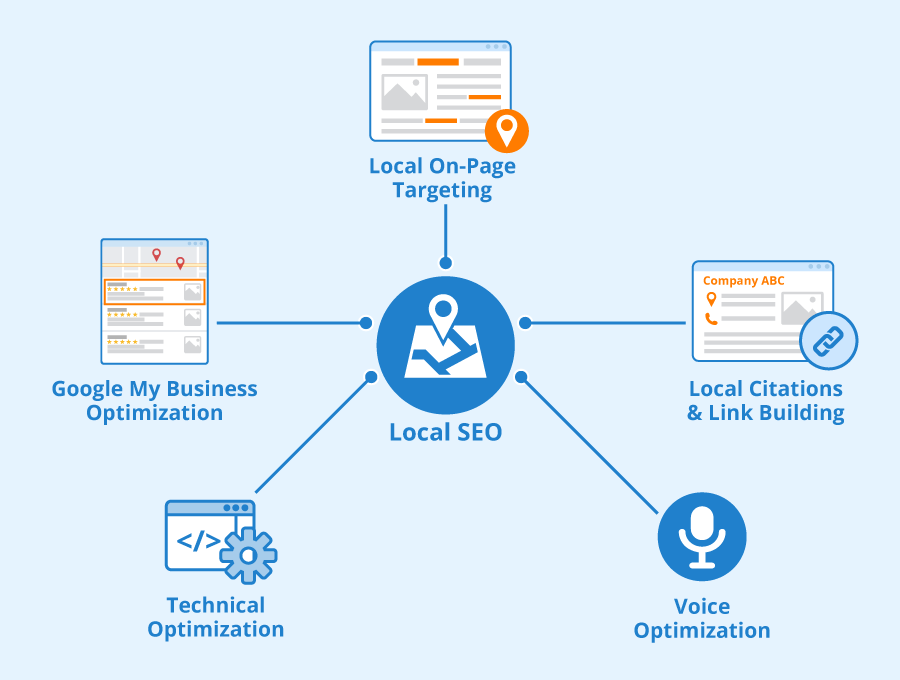
Local SEO is a crucial aspect of any eCommerce business that wants to attract local customers and increase website traffic. To optimize your eCommerce website for local search, you need to focus on several key areas such as keyword research, on-page optimization, local business listings, and schema markup. Keyword Research
Keyword research is an essential part of any successful SEO strategy. It involves identifying the phrases and terms that potential customers are using when searching for products or services related to your eCommerce business in their local area. The first step in conducting effective keyword research is to use tools like Google AdWords Keyword Planner or SEMrush to identify relevant keywords with high search volume and low competition.
Once you have identified the right keywords, it's important to incorporate them naturally into your website content including product descriptions, meta titles and descriptions, header tags (H1-H6), image alt text, URLs etc. However; avoid overusing these keywords as this can hurt user experience by making your content feel spammy.
On-Page Optimization
On-page optimization refers to optimizing individual web pages of an eCommerce site so they appear higher in organic search results and improves customer engagement metrics such as bounce rate or time-on-site. A well-optimized page should include: Clear title tag: Incorporate main keyword phrase + brand name
Descriptive Meta description: Include main target keyword phrase within 155 characters.
Header Tags (H1-H6): Use H1 for primary headline only; sub-headings can be H2/H3/H4.
Optimize images: compress file size without loss quality & add descriptive file names/alt tags
Internal Linking Structure – Help users navigate through internal links between pages/posts
Mobile-Friendly Design - Responsive design ensures smooth browsing across all devices which improves website visibility via mobile searches
By following these tips above will help improve overall user interaction with the webpage which could boost ranking factors affecting SERP.
Local Business Listings
Local business listings are online directories that allow potential customers to find local businesses within their area. These directories include Google My Business, Bing Places for Business, Yelp, Yellow Pages etc. Claiming and optimizing your eCommerce business' listing in these directories is vital because it creates a strong presence in the local market.
To optimize your local business listings:
Fill out all required fields: Complete all relevant information including name, address, phone number (NAP), website URL.
Choose correct categories: pick primary category which describes what type of products/services you offer
Encourage Reviews – Positive reviews from satisfied customers help build credibility and trustworthiness
Consistent NAP - Ensure consistent & accurate NAP across all directory listings
Optimizing your eCommerce website's local business listing will improve visibility on SERP by providing more opportunities to rank higher as well as increasing customer engagement with positive reviews.
Schema Markup
Schema markup is code added to an eCommerce site’s HTML which helps search engines understand the content better and display rich snippets or featured results in SERPs. Using schema markup can enhance how search engine understands product details such as pricing information or availability status and make them more visible on SERP.
To implement schema markup effectively:
Identify Structured Data Types: Use Google's Structured Data Testing Tool to identify structured data types most relevant for your eCommerce store.
Implement Code Correctly: add necessary tags according to structured data guidelines; avoid adding unnecessary codes affecting page speed load time.
By implementing schema markup correctly could increase click-through rates (CTR) by making product details stand out in organic search results pages. In summary; optimizing keyword research strategy with effective on-page optimization techniques along with claiming/optimizing local online directory profiles while using appropriate structured data tags would maximize potential customer interactions resulting increased traffic/revenue generation via webpage sales conversion rate!
Measuring Success with Local SEO
After putting in the effort to optimize your eCommerce website for local SEO, it's important to measure the success of these efforts. Measuring performance will help you identify areas that need improvement and make informed decisions about future strategies. The following are some ways to measure the success of your local SEO efforts. Tracking Website Traffic
One way to measure the effectiveness of your local SEO strategy is by tracking website traffic. By using tools such as Google Analytics, you can see how many visitors come from organic search results and how long they stay on your site. You can also track which pages they visit and whether they convert into customers or not.
Leads and Conversions
Another key metric to track is leads and conversions. This includes actions such as filling out a contact form, subscribing to a newsletter, or making a purchase. These metrics show how successful your optimization efforts have been at driving targeted traffic that takes action on your site.
Local Search Rankings
Finally, tracking local search rankings is crucial for measuring success with local SEO efforts. By monitoring where you rank for relevant keywords in Google Maps and other directories, you can gauge if changes made have improved visibility within target markets.
Conclusion
In conclusion, implementing local SEO strategies for eCommerce websites can provide numerous benefits to business owners and managers. By optimizing their website for local search queries, businesses can attract more targeted traffic from users who are interested in purchasing products or services within their geographic area. This increased visibility can lead to higher conversion rates and ultimately boost sales revenue. Additionally, targeting local customers through localized content and promotions can help build trust and loyalty among the community. Therefore, it is highly recommended that eCommerce businesses prioritize local SEO as part of their overall digital marketing strategy to maximize online presence and drive business growth. See Also