Optimizing Your Healthcare Website for Voice Search: Tips for Natural Language and Conversational Content
The Growing Importance of Voice Search for Healthcare Websites
Introduction
With the increasing popularity of smart assistants and voice-enabled devices, voice search has become a ubiquitous part of our daily lives. People are using it to find information, make appointments, and even order groceries online. In fact, according to a recent study by Google, 27% of global online searches are now done through voice search. This trend is particularly relevant for the healthcare industry where patients often need quick access to reliable health-related information.
Voice Search in Healthcare Industry
Voice search is becoming increasingly important for healthcare websites as more and more people turn to their smart speakers or mobile phones for answers about their health concerns. Patients use these devices to ask questions such as "What are the symptoms of COVID-19?" or "How can I treat my migraine headache?" With natural language processing technology improving every day, users expect conversational responses that provide accurate information without requiring them to sift through pages of content. Importance of Optimizing Healthcare Websites for Voice Search
Optimizing your healthcare website for voice search can have several benefits including increased traffic from organic searches and improved patient engagement. If your website provides valuable answers to patients' questions via voice search results, they'll be more likely to trust you as an authoritative source on medical topics. Additionally, Google's algorithm favors conversational content that matches user intent when ranking pages in its search results page (SERP). By optimizing your website with long-tail keywords and creating informative content around frequently asked health questions in natural language format allows users’ queries matching with easy-to-understand content which increases engagement metrics like time spent on site also improves user experience (UX). Optimizing Your Healthcare Website for Voice Search
Understanding Voice Search and Its Impact on Healthcare Websites
Voice search is rapidly becoming one of the most popular ways for people to find information online. In fact, it is estimated that by 2022, voice searches will account for over half of all online searches. With this in mind, it's more important than ever for healthcare websites to optimize their content for voice search.
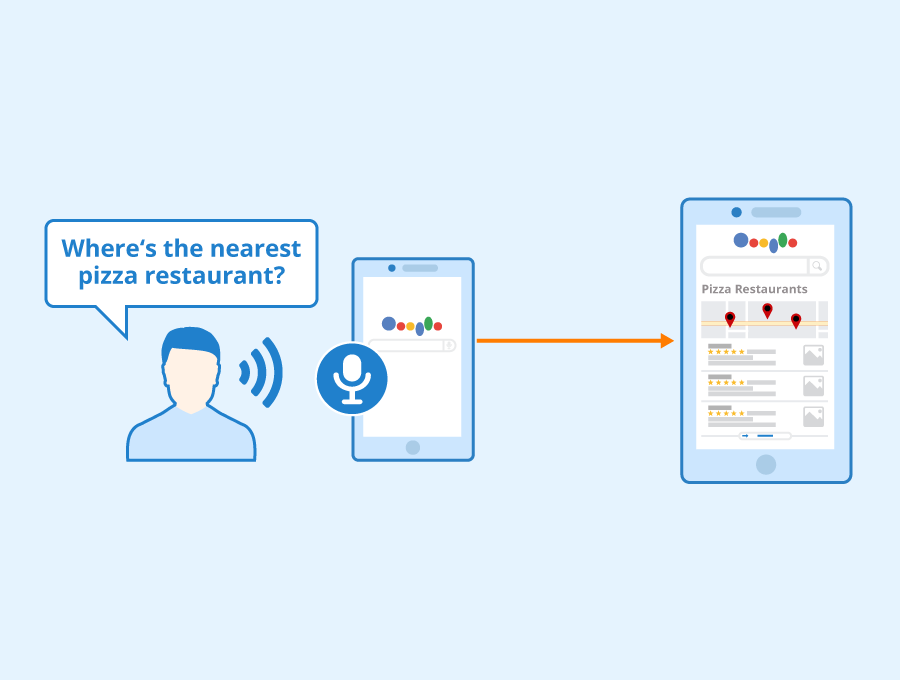
One of the key differences between traditional text-based searches and voice searches is the way people phrase their queries. When typing a question into Google, people tend to use short phrases or keywords like "symptoms of flu". But when using voice search technology like Siri or Alexa, they are more likely to ask longer questions in natural language such as "What are the symptoms of flu?" This means that healthcare website owners need to focus on creating conversational content that answers common health-related questions in a clear and concise manner. Optimizing Website Content for Voice Search
To optimize your healthcare website for voice search, start by identifying common health-related questions that your target audience may ask. Use tools like Google's Keyword Planner or Answer The Public to help you come up with ideas.
When crafting content around these topics, be sure to use natural language and avoid overly technical jargon. Break down complex medical terms into simpler language so that non-medical professionals can easily understand them.
It's also important to structure your content in a way that makes it easy for both users and search engines alike. Use headers (H1-H6) throughout your article so that users can quickly scan through it and find what they're looking for. Additionally, consider breaking down longer articles into shorter sections with subheadings - this not only improves readability but also helps with SEO optimization.
Using Schema Markup To Improve Voice Search Visibility
Schema markup is a type of structured data code added directly onto web pages which allows search engines like Google to better understand what each page is about. It can also help improve the visibility of your website in voice search results. For healthcare websites, using schema markup to mark up things like medical conditions, treatments and procedures can be particularly useful. This makes it easier for Google's algorithm to match queries with relevant content on your site.
To get started with schema markup, you can use Google's Structured Data Markup Helper tool. Simply select the type of data you want to mark up (e.g., article, event or product), paste in the URL of the page you want to mark up, and then highlight specific sections of the page that correspond to different types of information.
Incorporating Long-tail Keywords into Healthcare Website Content
Long-tail keywords are longer phrases (typically 3-5 words) that are more specific than generic short-tail keywords. They typically have lower search volume but higher intent - meaning that people who use them are often further along in their buying journey and more likely to convert. When optimizing your healthcare website for voice search, incorporating long-tail keywords into your content is key. Start by brainstorming a list of potential long-tail keyword ideas related to common health-related questions your target audience may ask. Then incorporate these naturally throughout your content - without overstuffing or sacrificing readability.
It's important not to overlook local SEO when it comes to voice search optimization either. Make sure that any location-specific pages on your site include relevant city names and other geographic terms so that they're more likely to show up in voice searches from nearby users.
The Importance of Natural Language and Conversational Content
In today's digital age, voice search is becoming increasingly popular among consumers. In fact, according to Google, 20% of all searches are now performed through voice search. With the rise in popularity of this technology, it is important for healthcare website owners and marketers to optimize their websites for natural language and conversational content to improve their visibility in local search results. One key aspect of optimizing a healthcare website for voice search is incorporating natural language into its content. Using everyday language that people use when they speak can help your website rank higher in local search results because it aligns with how people actually talk and ask questions. This means avoiding overly technical or complex medical jargon that could confuse patients who are searching for information about health conditions or treatments.
Another way to optimize your healthcare website for voice search is by creating conversational content that addresses common patient concerns and questions. For example, instead of simply listing the symptoms of a particular condition on your website, consider including a question-and-answer format that provides more detailed information about the condition along with tips for managing it. When creating conversational content, it’s important to remember that users expect quick answers from voice assistants like Siri or Alexa. Therefore, breaking up long paragraphs into shorter sentences or bullet points can make them easier to read and understand while also making them more likely to appear in featured snippets which often serve as quick answers directly from Google Search result pages.
In addition to incorporating natural language and conversational content into your healthcare website's copywriting strategy you may consider adding an FAQ section where visitors can quickly find answers related frequently asked questions such as insurance coverage or payment options available at specific locations.
Overall optimizing your healthcare site with these features will not only help increase visibility but also create user-friendly experience thus increasing engagement with potential customers seeking out reliable resources regarding their own care needs online regardless whether they'll convert right away!
Quick Creator: An AI-Powered Solution for Healthcare Website Optimization
As healthcare website owners and marketers aim to optimize their websites for voice search, they can turn to AI-powered solutions like Quick Creator. This tool offers pre-designed templates that are optimized for SEO, allowing website owners to quickly create content with the right keywords and structure. With its AI-powered features, Quick Creator can also analyze user behavior on your site and suggest changes that could improve your rankings on search engines. In addition to helping you optimize your website for voice search, Quick Creator can also assist in creating conversational content that engages users. By providing natural language suggestions based on machine learning algorithms, this tool helps ensure that your content is easy to read and understand. Furthermore, it allows you to personalize the user experience by tailoring content based on factors such as location or device type. Overall, utilizing an AI-powered solution like Quick Creator can be a valuable asset in optimizing your healthcare website for voice search and improving overall SEO performance. Its ability to provide recommendations based on data analysis ensures that you remain up-to-date with evolving trends in SEO while its natural language capabilities help you connect with users effectively. As more people begin using voice assistants when searching online for healthcare information or services, incorporating these optimization strategies will become even more crucial for success online within this industry moving forward.
Conclusion
In conclusion, optimizing healthcare websites for voice search is vital in today's digital age. With the increasing number of people using voice assistants to conduct searches, it is crucial for website owners and marketers to adapt their content accordingly. By creating natural language and conversational content that aligns with users' queries, healthcare websites can improve their local search visibility and attract more potential patients or clients. Taking action now to optimize your website will not only enhance user experience but also boost your online presence as a reliable source of information in the healthcare industry. Don't miss out on this opportunity to stay ahead of the game and meet your audience's needs by embracing voice search optimization today! See Also