The Power of Voice Search: Boosting Healthcare SEO Rankings
Introduction
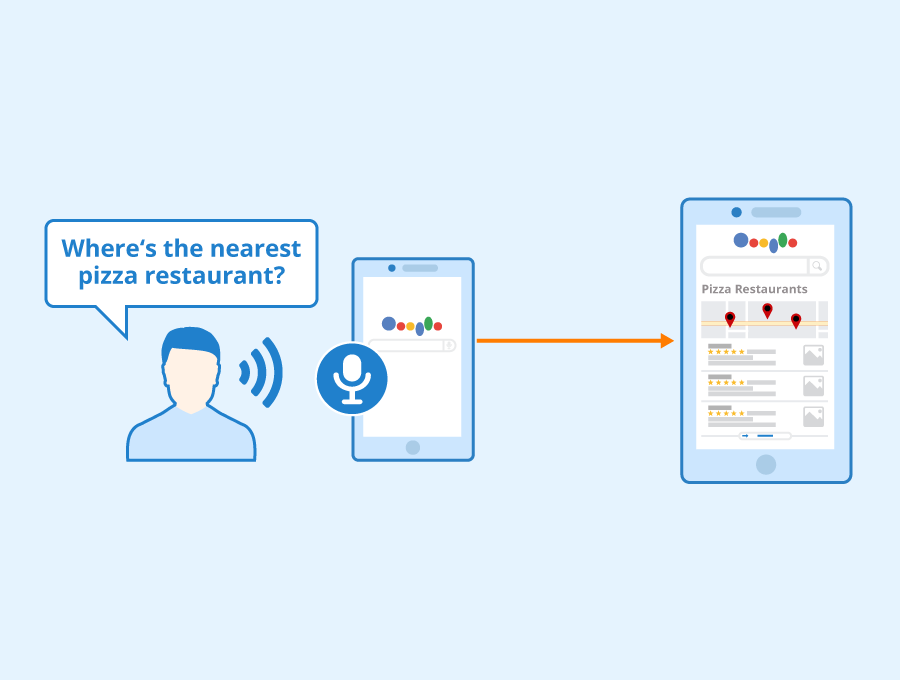
Voice search has become increasingly popular in recent years, with more and more people opting to use their voice rather than typing out a query on their mobile or desktop device. This shift towards voice-based searches is having a significant impact on healthcare SEO rankings, as website owners look for new ways to optimize their content for this growing trend. In this article, we will explore the power of voice search and how it can be used to boost your healthcare SEO rankings. We will discuss the benefits of optimizing your website for voice search and provide tips on how you can improve your chances of ranking well in these types of queries. So whether you are a healthcare professional or a website owner looking to stay ahead of the curve, read on to learn about the exciting possibilities that come along with voice-based searching! The Rise of Voice Search
Over the past few years, there has been an explosion in speech recognition technology that has made it easier than ever before for people to interact with devices using their voice. With smart speakers like Amazon's Alexa and Google Home becoming commonplace in households across America, consumers have quickly grown accustomed to using natural language when conducting searches online.
This shift towards conversational queries is having profound implications for healthcare SEO professionals who are now forced to adapt their strategies accordingly. In order to keep up with changing user behavior patterns and maintain high visibility in search results pages (SERPs), businesses must begin incorporating elements into their websites that cater specifically towards spoken word inquiries.
Why Voice Search Matters For Healthcare Professionals
For healthcare professionals looking to improve patient outcomes or increase brand awareness through digital marketing efforts, understanding how users interact with online information is essential. By leveraging technologies like Natural Language Processing (NLP) algorithms which allow computers understand human language better; they can create content tailored specifically toward natural speaking patterns.
The biggest benefit provided by these kinds of optimizations comes from increased visibility within organic SERPS due largely thanks Google’s feature snippet capabilities – also known as “position zero” results. These types of rich snippets are designed to provide users with quick answers to their questions, often in the form of a concise summary or bulleted list that appears at the very top of search engine results pages.
With voice-activated assistants like Siri and Alexa gaining popularity every day, it’s become more important than ever before for healthcare professionals to optimize their content accordingly. By doing so, they can increase visibility within SERPS and ensure their brand messaging reaches its intended audience.
Benefits of Optimizing for Voice Search
As voice search continues to grow in popularity, optimizing for this technology can have a significant impact on healthcare SEO rankings. There are several benefits of optimizing for voice search in the healthcare industry. Improved User Experience
One of the primary benefits of optimizing for voice search is an improved user experience. Voice assistants such as Siri and Alexa allow users to interact with their devices in a more natural way, without having to type or navigate through menus. This can be especially beneficial for those with disabilities or limited mobility who may find it difficult to use traditional interfaces.
Optimizing for voice search also allows users to get quick answers to their questions without having to read lengthy articles or scroll through pages of content. This can be particularly helpful when searching for information on symptoms, treatments, and medications.
Increased Website Traffic
By optimizing your website content for voice search queries, you can potentially increase traffic to your site. According to a study by Google, 20% of all mobile searches are now made via voice command. This number is expected to continue growing as more people adopt smart speakers and other voice-enabled devices.
To take advantage of this trend, it’s important that healthcare websites optimize their content using long-tail keywords and conversational language that are more likely to match natural language queries used in spoken searches.
Higher Conversion Rates
In addition to increasing website traffic, optimizing for voice search can also lead to higher conversion rates. When users ask specific health-related questions using their voices (e.g., “What are the symptoms of COVID-19?”), they are often looking for immediate answers and solutions rather than just general information.
By providing clear and concise answers optimized specifically for these types of queries, healthcare websites stand a better chance at converting these visitors into patients or customers looking further support from hospitals or clinic centers.
Actionable Tips & Best Practices
To optimize your website content effectively,
1) Use long-tail keywords: Incorporate longer, conversational phrases into your content that are more likely to match natural language queries used in spoken searches.
2) Provide concise answers: Aim to provide clear and concise answers with specific details about the health-related topic users might be searching for.
3) Use structured data markup: Structured data can help search engines better understand the context of your content and display it in a featured snippet or knowledge panel when relevant.
4) Keep mobile-friendliness in mind: Many voice searches are conducted on mobile devices, so it’s important that healthcare websites optimize their sites for mobile viewing experience.
How to Optimize Your Website for Voice Search
Voice search is a rapidly growing trend in the healthcare industry, and optimizing your website for voice search can significantly improve your SEO rankings. In this section, we will discuss several tips and best practices that you can implement to optimize your website for voice search. Website Structure
The structure of your website plays a crucial role in how easily it can be accessed and navigated by users. When optimizing your website for voice search, it's essential to ensure that it has a clear and logical structure that makes it easy for users to find the information they are looking for quickly.
One way to achieve this is by using structured data markup on your web pages. Structured data provides additional context about the content on each page, which makes it easier for search engines like Google to understand what each page is about. This helps improve the accuracy of voice searches as well since they are often based on specific queries related to particular topics or keywords.
Another important aspect of website structure optimization is ensuring that all images on your site have appropriate alt tags. Alt tags provide alternative text descriptions of images that help visually impaired users better understand their content. Additionally, these tags also help Google's algorithms index images more accurately when answering image-based queries through voice searches.
AI-Powered Features
Artificial intelligence (AI) technologies have become increasingly ubiquitous in recent years and have had a significant impact on how websites are designed and optimized today. One example of an AI-powered feature relevant to optimizing websites for voice search is natural language processing (NLP). NLP refers to technology used by machines/computers/programs/software solutions/etc., which allows them not only recognize human speech but also interpret its meaning correctly without much error rate while understanding normal human interactions with machines such as commands given via mobile devices or smart speakers like Amazon Echo Dot or Google Home mini etc.. By incorporating NLP into their websites' design elements such as chatbots or virtual assistants software development kits available for integration into any site, healthcare providers can improve the accuracy and effectiveness of voice searches related to their services or products.
Voice Search Optimization Tools
There are several tools available that can help you optimize your website for voice search. Some of these include:
Answer The Public: This tool helps identify commonly asked questions related to specific keywords and phrases in a visually clear way.
Google's People Also Ask feature: This is an excellent tool for identifying what type of content users may be searching for when using a particular phrase or keyword.
SEMrush: It provides detailed information on how well optimized your website is overall and offers suggestions on areas where improvements could be made specifically regarding voice search optimization.
Schema.org - Structured Data Markup Helper: A free online tool provided by Google which allows you to add schema markup to HTML email templates, web pages, etc., making it easier for machines/programs/software solutions like virtual assistants (Alexa, Siri) etc., understand the meaning behind each page’s content.
Impact of Voice Search on Search Engine Rankings
The rise of voice search has significantly impacted how users interact with search engines and has consequently affected search engine rankings. In traditional typed searches, users tend to use short-tail keywords or phrases while in voice searches, long-tail questions are used. This means that websites optimized for traditional keyword research may not be ranking as high on voice search results pages even if their content is relevant to the user's query. One example of this impact can be seen in a study conducted by Backlinko which found that the average word count of a Google voice search result page was 2,312 words. This suggests that longer-form content is more likely to rank higher for voice searches compared to shorter articles.
Another factor affecting rankings is the featured snippet or "position zero" box which appears at the top of Google's first page results. According to a report from Ahrefs, almost 13% of all SERP feature snippets come from answers provided by virtual assistants like Siri and Alexa. Therefore, it's important for websites to optimize their content for featured snippets as well as voice search queries.
Optimizing for these changes requires understanding how people use language when they speak rather than type into a browser. Voice queries often include conversational phrases such as "what are some symptoms of X?" or "how do I treat Y?". To optimize content effectively, healthcare professionals should aim to provide clear and concise answers along with helpful information related to common health concerns such as symptoms and treatments.
To improve their chances of ranking highly on both traditional and voice-based searches, website owners should focus on creating comprehensive yet easy-to-read content using natural language processing techniques (NLP) instead of relying solely on exact match keywords. Additionally, incorporating structured data markup can help both human readers and machines better understand what your website offers regarding medical services offered.
Creating a Successful Voice Search Strategy
As voice search becomes more prevalent, it is important to create a successful strategy that improves healthcare SEO. The following tips can help healthcare professionals and website owners optimize their content for voice search. 1. Use conversational language
When optimizing for voice search, it's essential to use natural, conversational language in your content. This means using longer-tail keywords and phrases that people are likely to say out loud when searching on their devices. For example, instead of targeting the keyword "heart disease treatment," consider using a phrase like "what are the best treatments for heart disease?"
2. Focus on local SEO
Voice searches often involve location-based queries such as "find a doctor near me" or "where can I get vaccinated?" To optimize for these types of searches, make sure your website includes accurate information about your business location(s) and service areas.
3. Optimize for featured snippets
Featured snippets are selected pieces of content that appear at the top of Google's search results page in response to certain queries. When optimizing for voice search, aim to provide clear answers to commonly asked questions related to your business or industry. By doing so you may increase the likelihood of being featured as a snippet result.
4. Ensure mobile-friendliness
Since most voice searches occur through mobile devices (smartphones & tablets), it is imperative websites must be optimized with responsive design principles which allows them display properly across all device sizes including desktops.
Conclusion
In conclusion, voice search is rapidly becoming a prominent method for users to find information online. The healthcare industry has the potential to make significant strides in improving their visibility and accessibility by optimizing their websites for voice search. By using natural language queries, website owners can ensure that their content matches user intent and provides relevant information quickly and accurately. Healthcare professionals who take advantage of this trend will not only improve their SEO rankings but also enhance the overall patient experience. As more people continue to use voice assistants, it's essential for healthcare providers to adapt by prioritizing voice search optimization. The power of voice search cannot be ignored in today's digital age, especially in the healthcare industry where accurate information can have life-changing consequences. See Also