The Power of Site Architecture for Healthcare SEO Success
Benefits of a well-organized website
A well-organized website is crucial for healthcare SEO success. The benefits of having a structured site are numerous, and they can positively impact both search engine bots and users. Improved crawling and indexing
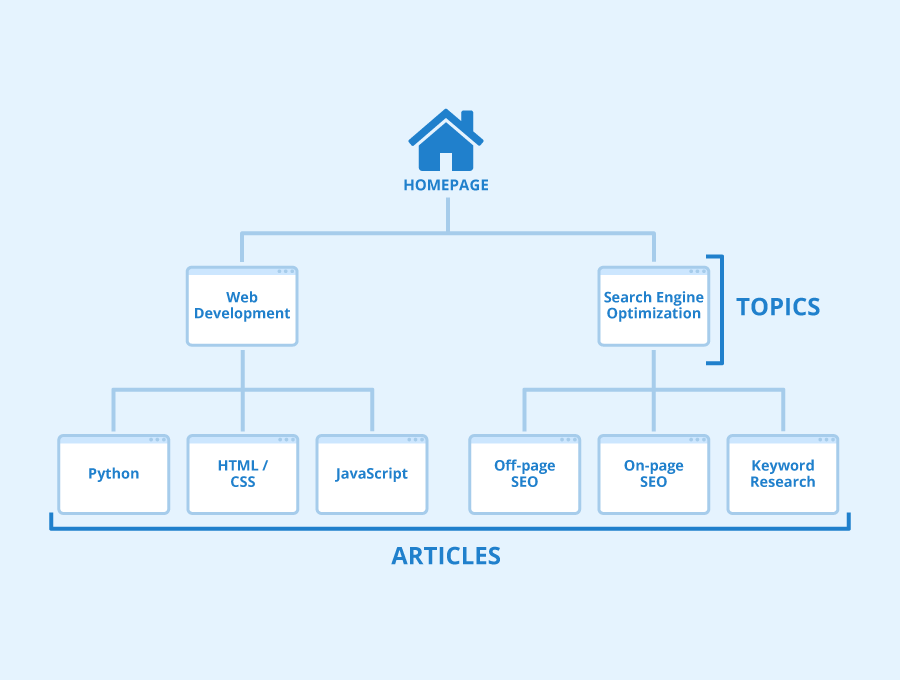
One of the key advantages of having a well-structured website for healthcare SEO is improved crawling and indexing by search engine bots. Site architecture refers to how your website's pages are organized, linked, and categorized. When your site's architecture is optimized, it helps search engines understand the hierarchy of your content better.
This means that search engine bots can crawl through your pages more efficiently, index them accurately, and display them in relevant results pages when people perform searches related to your content. Additionally, an organized site structure makes it easier for you to optimize each page for specific keywords or phrases that you want to rank for.
Enhanced user experience
Another significant benefit of good site architecture is enhanced user experience (UX). A streamlined navigation system with intuitive categories makes it easy for users to find what they're looking for quickly without getting lost or frustrated.
When visitors land on a poorly designed website with no clear organization or hierarchy in place, they may feel overwhelmed or confused about where to go next. This could lead them to abandon their session altogether and seek information elsewhere—potentially harming your bounce rate as well as overall engagement metrics.
On the other hand, if users have an enjoyable browsing experience on your site due to its logical organization structure; they are more likely not only stay longer but also engage with multiple pieces of content throughout their session.
Improved Site Speed
Site speed has become increasingly critical factor in healthcare SEO ranking factors over time because Google considers page load time as a part of User Experience (UX).
Having too many interstitials ads between clicks will increase loading times so do excessive use JavaScript effects like hover animations etc., which can slow down load times significantly resulting in higher bounce rates from potential patients seeking medical advice online.
Therefore, it is fundamental to have a well-organized website with an optimized architecture that prioritizes speed. This means using clean code, minifying files when possible, compressing images or videos for faster loading times.
In summary, the benefits of having a well-organized website structure are numerous and vital for healthcare SEO success. A structured site can improve crawling and indexing by search engine bots while enhancing user experience and improving site speed—all of which play critical roles in driving traffic from organic search results pages.
Optimizing your site architecture for search engines
When it comes to healthcare SEO, your website's architecture plays a crucial role in determining its success. Optimizing your site structure not only helps search engines understand how your content is organized but also enhances user experience on your website. In this section, we will provide tips on how to optimize your website structure for healthcare SEO. Conducting a site audit
Before making any changes to your website's architecture, it is essential to conduct a thorough site audit. A site audit involves analyzing the current state of your website and identifying areas that need improvement. This process can help you identify technical issues such as broken links, duplicate content, and slow loading pages that may affect the performance of your website. During the audit process, you should pay attention to the following elements:
Site speed: A fast-loading website improves user experience and can positively impact search engine rankings.
Mobile-friendliness: With more people using mobile devices to access websites than ever before, ensuring that your site is optimized for mobile users is critical.
Content optimization: Analyze each page's title tags and meta descriptions are concise and accurately reflect its content.
Creating a site map
A sitemap is an essential component of any successful healthcare SEO strategy. It acts as a roadmap for search engine spiders by providing them with information about how different pages on the site are related. Additionally, creating an HTML sitemap makes it easier for users to navigate through different sections of the site easily.
When creating a sitemap for health care websites consider including these best practices:
Group similar topics together
Create categories based on services or specialties
Use descriptive titles when naming categories
Ensure every page has at least one link from another page within the sitemap
Optimizing URLs
URLs play an important role in helping search engines understand what each page on our Website means & what it does; they also give users insight into what kind of information they can expect to find on the page. Optimizing URLs involves creating descriptive and keyword-rich URLs that accurately reflect the content of each page.
When optimizing URLs for healthcare SEO, consider implementing these best practices:
Use hyphens instead of underscores to separate words in your URL
Keep your URL as short as possible while still being descriptive
Include relevant keywords in your URL
Using Internal Linking Strategies
Internal linking is an essential component of any successful healthcare SEO strategy. It refers to linking from one page on our website to another within a site rather than outside it. When done correctly, internal linking can improve user experience by providing additional context and information about specific topics or services.
Here are some tips for using internal links effectively:
Make sure every link has a purpose and adds value.
Use descriptive anchor text that accurately reflects the content of the linked page.
Link deeper into your site's architecture when appropriate.
Impact of site architecture on search engine rankings
In the world of healthcare SEO, site architecture plays a pivotal role in determining your website's search engine rankings. Site architecture refers to how your website is structured and organized, including its navigation, internal linking structure, and overall design. The impact of site architecture on search engine rankings can be attributed to three factors: page authority, crawl budget, and keyword relevancy. Page Authority
Page authority refers to the level of trustworthiness or credibility assigned by search engines to individual pages on your website. Pages with higher levels of page authority are more likely to rank higher in search engine results pages (SERPs) for relevant keywords. Site architecture plays an important role in establishing page authority because it affects how easily both users and search engines can navigate through your website. A well-organized site architecture ensures that each page on your website is linked appropriately with other related pages using internal links. This helps distribute link equity throughout the entire site and improves the likelihood that all pages will have some degree of page authority over time.
Crawl Budget
Crawl budget refers to the number of webpages Google crawls within a given timeframe when indexing websites for SERPs ranking purposes. A poorly designed site architecture can negatively affect crawl budget by making it difficult for Google bots or other web crawlers like Bingbot or Yahoo! Slurpto index all relevant content effectively within their limited bandwidths.
An optimized site architecture prioritizes important content while ensuring that less critical information does not take up too much space or load times needlessly; this allows bots easier access without encountering long wait periods waiting for pages load due excess JavaScript files embedded in sites being crawled which may slow things down significantly if they're not managed well enough from a technical perspective.
Keyword Relevancy
The third factor impacted by site architecture is keyword relevancy - meaning how closely related keywords used on different parts across one’s webpage match those phrases searched most frequently online by people seeking medical information. Site architecture can impact keyword relevancy in two ways.
First, a well-designed site structure ensures that each page on your website targets specific keywords and topics by using relevant titles and meta descriptions to match the content of those pages. This helps improve the relevance between search queries entered by users looking for health-related information or services they need from providers who offer them.
Secondly, an optimized navigation menu makes it easier for people visiting your site to find what they’re looking for quickly without getting lost along the way. This leads to more targeted searches because visitors know exactly where they're going while browsing through different sections within webpages - reducing bounce rates significantly which could negatively affect ranking positions overtime if not managed properly.
Creating a successful site architecture strategy
When it comes to healthcare SEO, having a successful site architecture strategy is crucial. A well-planned and organized site structure can help improve user experience, increase search engine visibility and ultimately drive more traffic to your website. Below are some tips on how to create a successful site architecture strategy for healthcare SEO. Set goals
Before you start building your site architecture, you need to have clear goals in mind. What do you want your website to achieve? Are you looking to increase brand awareness or generate leads? Once you have established your goals, you can begin planning a structure that will support those objectives.
Conduct research
Research plays an important role in creating an effective site architecture strategy. Start by analyzing your competitors' websites and identifying what works well for them. Look at their navigation menus, page layouts, and content organization. You can also conduct keyword research to identify high-volume keywords related to your industry that will inform the creation of relevant content for each section of the website.
Define user pathways
Understanding how users navigate through your website is essential when designing a successful site architecture strategy. Make sure that all pages are easily accessible from the homepage with clear calls-to-action (CTAs) guiding users towards desired actions such as making appointments or contacting the clinic directly.
Additionally, consider implementing breadcrumb trails which allow users to see where they are within the hierarchy of pages on the website while providing easy access back up through parent categories if needed.
Monitor performance
Once you've implemented changes based on your new site architecture plan it's important track performance metrics over time so that any necessary adjustments can be made quickly should issues arise like slow load times or low engagement levels.
Regular monitoring helps ensure everything remains optimized according not just best practices but also latest trends evolving Google algorithms – keeping ahead competition by constantly improving upon existing strategies until reaching ultimate success!
Conclusion
In conclusion, having a well-structured website is crucial for the success of healthcare SEO. By optimizing site architecture to make it easy for search engines to crawl and index pages, healthcare organizations can improve their visibility in search results and attract more organic traffic. Additionally, an organized site structure makes it easier for visitors to navigate and find the information they need, leading to better user experience and increased engagement. Ultimately, investing time and effort into developing a strong site architecture is essential for any healthcare organization looking to establish a robust online presence that drives business growth. See Also