The Ultimate Guide to eCommerce Metrics for Boosting ROI: Conversion Rate, AOV, and More
Introduction
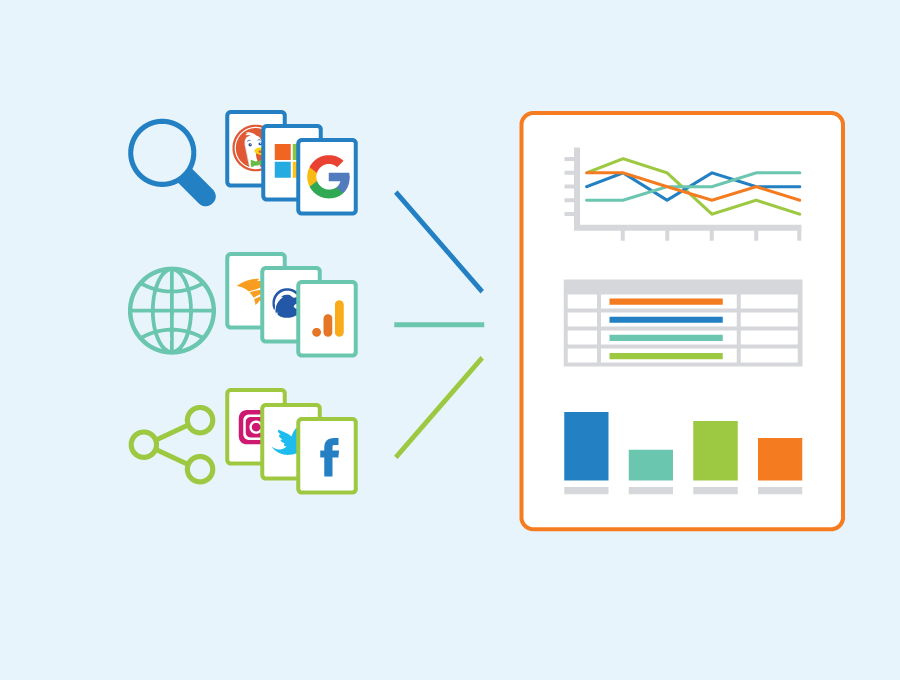
In today's highly competitive eCommerce industry, it is essential to track and measure various metrics that can help boost return on investment (ROI). Businesses must have a clear understanding of their customer behavior, preferences, and expectations to optimize their marketing strategies and increase conversions. Tracking eCommerce metrics provides invaluable insights into how customers interact with online stores and helps businesses identify areas for improvement. By analyzing these metrics regularly, businesses can make data-driven decisions that ultimately lead to higher ROI. Importance of tracking eCommerce metrics for ROI
Tracking eCommerce metrics has become increasingly important in recent years due to the rise of digital shopping. With more people turning towards online shopping than ever before, it is crucial for businesses to understand what drives their customers' purchasing decisions. Metrics such as conversion rate, average order value (AOV), bounce rate, cart abandonment rate provide valuable information about customer behavior throughout the buying journey. Conversion Rate
The conversion rate refers to the percentage of website visitors who complete a desired action such as making a purchase or filling out a form. A high conversion rate typically indicates that an online store has effective marketing tactics and user-friendly website design. On the other hand, a low conversion rate may indicate issues with website navigation or product pricing.
The AOV measures the average amount spent by each customer per transaction on an e-commerce site. It is calculated by dividing total revenue by total number of orders during a specific time frame. An increasing AOV usually means customers are spending more per transaction which translates into higher profits for business owners.
Bounce Rate
Bounce Rate represents the percentage of single-page sessions where users leave without interacting further with the site after landing on it from elsewhere like search engine results page or social media platforms etc.. High bounce rates suggest potential problems with either content relevancy or technical aspects like slow loading speed etc..
Cart Abandonment Rate
Cart abandonment occurs when shoppers add items to their cart but leave without completing the purchase. The Cart Abandonment Rate is calculated by dividing the number of abandoned carts by total number of initiated checkouts during a specific time frame. High cart abandonment rates can signal issues with website design, pricing, or security.
Conversion Rate
Definition of Conversion Rate
In the eCommerce industry, conversion rate is a key metric that measures the percentage of website visitors who complete a desired action, such as making a purchase or filling out a form. This can vary depending on the specific goals of an eCommerce business, but ultimately it's all about getting users to take action on your website. Importance of Tracking Conversion Rate
Tracking conversion rate is crucial for any eCommerce business looking to boost their ROI. By analyzing this metric, businesses can identify areas where they may be losing potential customers and make targeted improvements to their website in order to increase conversions. Without tracking this metric, businesses are essentially blind when it comes to understanding how users are interacting with their site and what actions they need to take in order to improve user experience. Tips to Improve Conversion Rate
There are several strategies that eCommerce businesses can use in order to improve their conversion rates:
Streamline checkout process: One major reason why customers abandon carts is due to complex or lengthy checkout processes. Businesses should aim for simplicity and ease-of-use when designing checkout pages in order to minimize friction and reduce cart abandonment rates.
Optimize product pages: Product pages should be visually appealing and include detailed descriptions as well as high-quality images in order to give users confidence in purchasing products.
Offer multiple payment options: Providing various payment options allows customers greater flexibility which leads them more likely willingness into making purchases.
Personalize user experience: Utilizing customer data such as browsing history or past purchases enables personalization features like product recommendation engines which increases customer satisfaction leading into higher chances of purchase completion.
By implementing these tips while keeping track of conversions rate metrics regularly ,eCommerce businesses will be able not only optimize user experience but also maximize profit through increased sales revenue from improved overall performance .
Average Order Value
Definition of Average Order Value
Average order value (AOV) is a metric that measures the average amount spent by customers per transaction on an eCommerce website. It is calculated by dividing the total revenue generated from sales by the number of orders placed during a specific time period. For instance, if an online store generates $10,000 in revenue from 100 orders in one month, the AOV would be $100. Importance of Tracking Average Order Value
Tracking AOV can provide valuable insights into customer purchasing behaviour and help businesses make informed decisions to boost their profitability. By monitoring changes in AOV over time, eCommerce owners can identify trends and patterns in buying habits and adjust pricing strategies accordingly. Additionally, tracking AOV allows businesses to calculate their return on investment (ROI) accurately since it shows how much profit they are generating for each sale. Tips to Improve Average Order Value
There are several ways businesses can improve their average order value:
Bundle products: Offer bundles or packages that encourage customers to purchase additional items at a discounted rate when they buy multiple products together.
Upsell: Suggest higher-priced items or complementary products during checkout to increase the overall purchase value.
Cross-sell: Recommend related products based on what other customers have purchased with similar items.
Free shipping threshold: Set up free shipping thresholds so that customers are incentivized to add more items to their cart before checking out.
Loyalty programs: Implement loyalty programs that offer rewards or discounts for repeat purchases as this encourages larger spends among loyal consumers.
Customer Lifetime Value
Definition of Customer Lifetime Value
Customer Lifetime Value (CLV) is a metric that calculates the total amount of revenue generated by a customer over their lifetime with a business. CLV takes into account not only the initial purchase but also any recurring purchases or referrals made by that customer. To calculate CLV, businesses can use various methods such as average order value and retention rate. Importance of Tracking Customer Lifetime Value
Tracking CLV is crucial for eCommerce businesses because it helps in understanding which customers are most valuable and where to allocate resources for maximum ROI. By tracking this metric, businesses can identify high-value customers who may require special attention to maintain loyalty and repeat purchases. Moreover, it provides insights on how much money should be spent on acquiring new customers versus retaining existing ones. Another significance of tracking CLV is its impact on marketing strategies. Knowing the highest performing marketing channels allows optimizing campaigns towards those channels that acquire more high-CLV customers while reducing spending on less effective channels.
Tips to Improve Customer Lifetime Value
There are several ways eCommerce businesses can improve their CLV:
Focus on building long-term relationships: Providing exceptional customer service experiences, personalized offers based on previous purchase history, providing rewards programs will encourage your best shoppers to keep coming back.
Upsell/Cross-sell Opportunities: Offer complementary products or services when they make their first purchase; this will help increase overall order values per transaction.
Retention Marketing: Keep past purchasers engaged through email newsletters containing exclusive promotions or content tailored specifically for them.
Referral Programs: Incentivize your loyal customers with discounts if they refer friends/family members who become paying clients themselves.
Cart Abandonment Rate
Definition of Cart Abandonment Rate
Cart abandonment rate is a critical eCommerce metric that measures the number of customers who add items to their shopping cart but leave the site without completing the purchase. It is calculated by dividing the total number of completed purchases by the total number of shopping carts created, then subtracting this value from 1 and multiplying it by 100%. For example, if there were 1000 shopping carts created on your site and only 700 resulted in completed purchases, then your cart abandonment rate would be 30%. Importance of Tracking Cart Abandonment Rate
Tracking cart abandonment rate can provide you with valuable insights into why potential customers are leaving your site without making a purchase. This metric can help you identify issues with your website's user experience or checkout process that may be causing frustration or confusion for shoppers. By understanding these pain points, you can make strategic changes to improve customer satisfaction and increase sales.
Additionally, tracking cart abandonment rate allows you to measure how effectively you are converting visitors into paying customers. A high cart abandonment rate suggests that there may be room for improvement in your marketing strategies or product offerings. Lowering this metric can ultimately lead to increased revenue and profitability for your business.
Tips to Improve Cart Abandonment Rate
One effective way to reduce cart abandonment rates is by optimizing the checkout process on your website. Providing clear instructions and minimizing required fields during checkout can simplify the process for shoppers, reducing frustration and increasing completion rates.
Another strategy is implementing retargeting campaigns targeted at shoppers who have abandoned their carts. These campaigns use personalized messaging and special offers aimed at convincing potential customers to return to complete their purchase.
Offering free shipping or other incentives such as discounts or promotions during checkout can also encourage users to follow through with their transactions.
Finally, regularly monitoring key metrics such as average order value (AOV) or conversion rates can help identify trends over time related specifically towards improving cart abandonment rates. This can help you identify which strategies are most effective at reducing cart abandonment and increasing sales on your website. Overall, tracking cart abandonment rate is a key eCommerce metric that provides critical insights into customer behavior on your website. By understanding why potential customers are leaving without making purchases, businesses can make strategic improvements to their user experience and checkout processes, ultimately leading to increased revenue and profitability.
Customer Acquisition Cost
Definition of Customer Acquisition Cost
Customer acquisition cost (CAC) is a metric that measures the amount of money an eCommerce business spends to acquire a new customer. This includes all marketing and sales expenses related to lead generation, advertising, promotions, and other activities aimed at attracting potential customers. To calculate CAC, simply divide the total amount spent on acquiring new customers by the number of new customers acquired during a specific period.
Importance of Tracking Customer Acquisition Cost
Tracking CAC is crucial for any eCommerce business looking to boost their ROI as it provides insight into how much money they need to spend in order to attract each new customer. By knowing this metric, businesses can effectively allocate their marketing budget towards channels with high conversion rates and lower costs per acquisition. Additionally, tracking CAC helps businesses identify areas where they may be overspending or underperforming in terms of generating leads and converting them into paying customers. Tips to Improve Customer Acquisition Cost
To improve CAC and reduce overall marketing costs while maintaining or increasing revenue growth, there are several strategies that eCommerce businesses can implement:
Target the right audience: By focusing on your ideal customer profile through targeted messaging and personalized campaigns you can increase conversion rates while reducing wasteful ad spending.
Optimize website user experience: A seamless user experience on your website will help convert more visitors into paying customers.
Leverage social media platforms: Social media platforms offer affordable ways to reach targeted audiences through paid ads or organic content sharing.
Use referral programs: Encouraging existing customers to refer friends or family members can generate valuable leads without additional advertising spend.
Offer incentives: Providing discounts or promotional offers for first-time buyers can incentivize them to complete their purchase.
By implementing these tips along with regularly monitoring and analyzing CAC data over time, eCommerce businesses can optimize their marketing efforts for maximum ROI and sustainable revenue growth in the long term.
Tips to Improve eCommerce Metrics for Increased ROI
As an eCommerce business owner or marketer, your ultimate goal is to increase ROI. To achieve this objective, it's essential to improve key eCommerce metrics. Here are some practical tips on how to optimize website speed, improve product descriptions, use upselling and cross-selling techniques, personalize the shopping experience and offer free shipping. Optimize Website Speed
Website speed is a crucial factor in improving user experience and increasing conversion rates. Slow loading times can lead to a higher bounce rate because customers don't want to wait for pages to load. A fast-loading website not only improves customer experience but also contributes positively towards SEO rankings.
To optimize website speed:
Reduce image sizes: Large images can significantly slow down page load times.
Use caching plugins: Caching stores frequently used data so that it doesn't have to be retrieved each time someone visits your site.
Minimize HTTP requests: The more HTTP requests required by your site elements (images, scripts), the longer it will take for the page to load.
Improve Product Descriptions
Product descriptions play a vital role in converting visitors into paying customers. A well-written product description helps customers understand what they're buying while highlighting its benefits and features.
To improve product descriptions:
Be clear and concise: Avoid using complicated language or jargon that might confuse potential buyers.
Highlight unique selling points (USPs): Explain why your products stand out from others available on the market.
Add social proof: Including reviews or testimonials from satisfied customers helps build trust with potential buyers.
Use Upselling and Cross-selling Techniques
Upselling involves encouraging customers who are already interested in making a purchase of one item to buy another related item at a higher price point than their original intent. In contrast, cross-selling refers to suggesting complementary items such as accessories after the main product has been added into their cart before checkout process starts.
To use upselling and cross-selling techniques:
Suggest higher-priced products: Offer a premium version of the product they're considering.
Recommend complementary items: Suggest products that go well with the original purchase.
Consider bundling: Bundle multiple products together as a package deal at a discounted price.
Personalize the Shopping Experience
Personalization is key to improving customer experience, which can lead to increased conversion rates. By using data such as browsing history or purchase behavior, you can personalize the shopping experience for each customer.
To personalize the shopping experience:
Use personalized recommendations: Show customers recommended products based on their previous purchases or browsing history.
Send personalized emails: Use email marketing tools to send targeted messages tailored to specific customers' interests and preferences.
Offer loyalty rewards or discounts: Reward loyal customers with exclusive offers or discounts based on their buying behavior.
Offer Free Shipping
Offering free shipping is an excellent way to increase sales by reducing cart abandonment rates. Customers are more likely to complete their purchases if they don't have to pay extra for shipping fees. While offering free shipping may not be feasible in all cases, it's worth considering if you want to boost your eCommerce metrics and ROI.
To offer free shipping:
Set minimum order values - Encourage larger orders by providing free shipping when certain spending thresholds are met
Manage costs - Assess whether offering free delivery will affect your profit margins negatively
Be transparent - Make sure pricing policies are clear through every stage of checkout process so that there isn’t any confusion about additional charges
By optimizing website speed, improving product descriptions, utilizing upselling/cross-selling techniques, personalizing shopping experiences and offering free shipping – business owners/marketers can improve crucial eCommerce metrics like AOV (average order value), conversion rate etc., resulting in improved ROI. Conclusion
In conclusion, tracking eCommerce metrics is crucial for the success of any online business. By measuring metrics such as conversion rate, average order value (AOV), and customer acquisition cost (CAC), businesses can identify areas where they need to improve and optimize their processes. This ultimately leads to increased ROI and profitability. Practical tips for improving these metrics include optimizing website design and user experience, offering free shipping or discounts on larger purchases to increase AOV, targeting the right audience through social media advertising, and creating personalized email campaigns based on customer behavior. By focusing on these key metrics and implementing effective strategies, eCommerce businesses can achieve long-term growth in a highly competitive market.