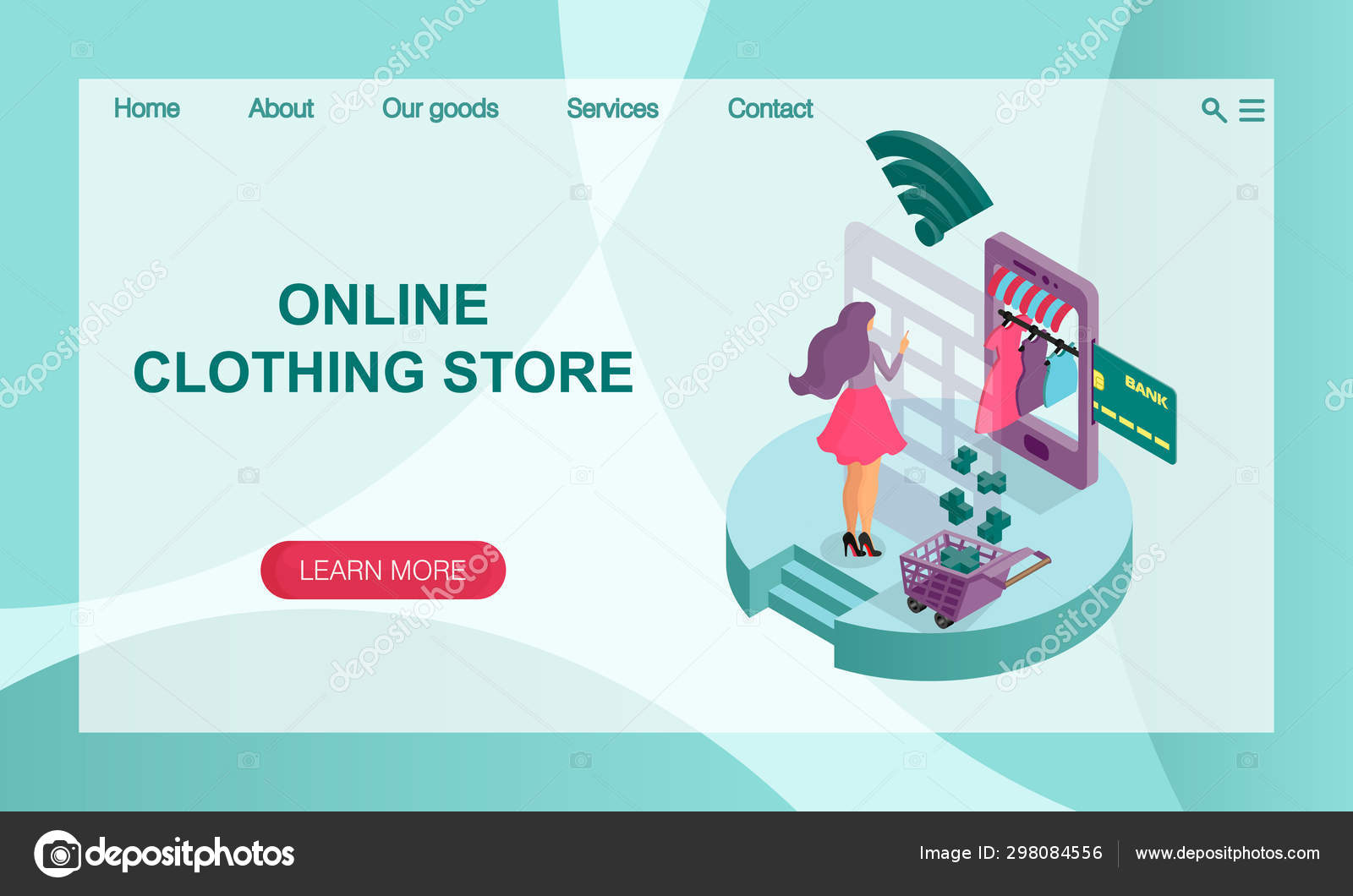
Maximizing Keyword Campaigns with eCommerce Landing Pages: Boost Search Visibility and Conversions
Introduction
In today's online marketplace, eCommerce businesses are in a constant battle to stay ahead of their competitors. One key strategy for achieving this goal is through the use of targeted keyword campaigns. However, simply targeting keywords alone is not enough to guarantee success. In order to truly maximize the effectiveness of these campaigns and drive conversions, it is essential for eCommerce business owners and marketers to create effective landing pages that are tailored specifically to each campaign’s target audience. The problem with many eCommerce businesses’ current approach towards keyword targeting is that they often cast too wide of a net. By attempting to target every possible keyword relevant to their products or services, they spread themselves too thin and dilute the impact of their efforts. This scattergun approach can lead to low click-through rates and poor conversion rates as customers become overwhelmed by irrelevant information. To combat this issue, creating specific landing pages for each targeted keyword provides a more focused experience for potential customers who have searched using those terms. These landing pages should be designed with two primary objectives in mind: boosting search visibility and driving conversions. By crafting unique content that speaks directly to the needs and interests of each sub-segment within your target audience, you increase your chances of ranking higher on search engine results pages (SERPs) while also ensuring that visitors remain engaged once they arrive at your site.
In addition, incorporating dynamic imagery such as product photos or videos can further enhance engagement levels by providing users with an immersive browsing experience that helps showcase your offerings in a visually appealing way.
Overall, taking a more strategic approach towards eCommerce keyword targeting can help improve both search visibility and conversion rates simultaneously. With thoughtful planning around creating effective landing pages tailored specifically for individual campaigns' target audiences will ultimately ensure greater ROI from marketing spend over time - resulting in increased profitability overall!
Researching Targeted Keywords
As an eCommerce business owner or marketer, you understand the importance of selecting targeted keywords for your landing pages. Effective keyword research can help boost search visibility and conversions. In this section, we will discuss how to research and select targeted keywords for eCommerce landing pages. Understanding Keyword Research
Keyword research is the process of identifying words and phrases that people use when searching online. The goal of keyword research is to find relevant terms that people are actively searching for in order to drive traffic to your website. It's important to note that not all keywords are created equal – some may have a higher search volume than others, while others may be more specific but have less competition. Identifying High-Value Keywords
To identify high-value keywords, start by brainstorming potential keywords related to your product or service. You can also look at competitor websites and see what they are targeting in their content and meta descriptions. Once you have a list of potential keywords, use a keyword tool (more on this in the next sub-section) to determine which ones have high search volumes and low competition levels.
It's important not just focus on high-volume generic terms but also consider long-tail variations as they tend to convert better since they're more specific.
Using Keyword Tools
There are several free and paid tools available online that can help with keyword research such as Google Trends, Ahrefs' Keyword Explorer, SEMrush etc.. These tools provide insights into the number of searches per month & seasonality behind each term so you can make informed decisions about which words/phrase should be included within your eCommerce landing page copy..
In addition many SEO tools come with features allowing one analyze competitors' sites for their targetted sets of keyphrases - these could give insight into where one might need stronger language around certain topics.
By understanding keyword research basics such as using various techniques/tools businesses owners/marketers can identify valuable phrases tailored specifically towards their audience which ultimately improves their landing page's organic visibility, drives more traffic and boosts conversions.
Optimizing Landing Page Titles
Understanding the Importance of Landing Page Titles
Landing page titles are one of the most critical factors for eCommerce businesses to consider when it comes to SEO. The landing page title is a brief and concise description that appears at the top of your website's browser window, which helps visitors understand what they can expect from your site. It also plays an essential role in improving search visibility and click-through rates (CTRs) because it's often used as a headline in search engine results pages (SERPs). Thus, optimizing landing page titles is crucial for boosting organic traffic and driving conversions. Incorporating Targeted Keywords into Landing Page Titles
To optimize landing page titles, you need to incorporate targeted keywords strategically. You should research relevant keywords that match your products or services before crafting any title tags. Keyword research will help you identify words or phrases people use when searching for similar goods online, enabling you to create compelling headlines that attract potential customers to click on your website’s link. When incorporating targeted keywords into landing page titles, make sure they appear naturally without being overly promotional or spammy; otherwise, Google may penalize your site with lower rankings or even remove it altogether from their index. To avoid this issue, try using variations of target keywords rather than exact matches throughout the content as well.
Best Practices for Landing Page Titles
Now that we have discussed why optimizing landing pages matters let's talk about how best practices can be applied:
Keep It Short - Avoid lengthy descriptions in favor of short and sweet headlines: 50-60 characters work best for Google SERP purposes.
Be Descriptive - Use descriptive language so visitors know precisely what product/service they're looking at.
Include Branding – Do not forget branding such as brand name/logo if possible
Frontload Keywords – place more important keyword upfront within Title tag
Unique Title Tags - Every title tag must be unique per URL.
Crafting Effective Landing Page Descriptions
Landing page descriptions are a crucial aspect of eCommerce marketing campaigns. Understanding the importance of crafting effective landing page descriptions can help to improve click-through rates and ultimately boost search visibility and conversions. Understanding the Importance of Landing Page Descriptions
Landing pages act as the gateway between potential customers and your eCommerce website. They provide an opportunity to make a strong first impression, convey key messages, and encourage visitors to take specific actions. While images and design elements are important, it's essential not to overlook the role played by landing page descriptions in achieving these goals.
In addition to providing valuable information about products or services on offer, landing page descriptions also play a vital role in improving SEO results. By incorporating targeted keywords into these sections, businesses increase their chances of ranking higher in search engine results pages (SERPs). This is because search algorithms use these keywords as indicators of relevance when determining how well-matched web pages are for particular user queries.
Incorporating Targeted Keywords into Landing Page Descriptions
One way to maximize keyword campaigns with eCommerce landing pages is by incorporating targeted keywords into page titles, meta tags, and even product descriptions where possible. However, it's equally important not to forget about including relevant keywords within your landing page descriptions themselves.
To start with this process effectively; you need first that research which target audience will be attracted towards your business based on demographics like age group or gender so that you can write content accordingly. Once you have determined who your target audience is going to be; then look at what type(s) of language they typically use when searching online for products/services similar yours such as colloquialisms or industry-specific jargon.
It's important not only to include relevant keywords but also ensure they appear natural within text flow so as not detract from readability quality . Avoid over-stuffing content with too many unrelated phrases which could confuse readers while reducing effectiveness overall campaign strategy success rate .
Best Practices for Landing Page Descriptions
Crafting effective landing page descriptions requires a combination of creativity and strategy. Here are some best practices to keep in mind when working on this aspect of your eCommerce marketing campaigns:
Keep it concise: Landing page descriptions should be short, sweet, and to the point. Avoid long-winded explanations or unnecessary details that could detract from clarity or cause confusion.
Focus on benefits: Highlight the key benefits of products or services rather than just describing features. This helps potential customers understand how they can benefit from what you have to offer.
Use active language: Incorporate strong action verbs into your landing page descriptions to encourage visitors to take specific actions such as making purchases or signing up for newsletters.
Test and refine: A/B testing can be an effective way of refining landing page descriptions over time based on performance data.
By incorporating targeted keywords into well-crafted landing page descriptions, businesses can improve click-through rates while also boosting search visibility and conversions overall campaign objectives success rate; thus enhancing their bottom line profitability levels too! Writing Compelling Landing Page Content
As an eCommerce business owner or marketer, you understand the importance of attracting potential customers to your website and converting them into paying ones. One of the best ways to do this is through targeted keyword campaigns that drive traffic to optimized landing pages. However, simply having visitors on your page is not enough – you need compelling content that engages them and drives conversions. Understanding the Importance of Compelling Landing Page Content
Compelling landing page content serves as a crucial element in driving conversions because it helps establish trust with potential customers by communicating key benefits and addressing their pain points. According to HubSpot, 55% of visitors spend less than 15 seconds on a web page before leaving, so it's essential that your content quickly conveys value propositions and encourages action.
Incorporating Targeted Keywords into Landing Page Content
Incorporating relevant keywords in your landing page content is essential for SEO purposes since search engines use these terms to determine relevance and rank websites accordingly. However, stuffing your copy with keywords can result in unnatural language that turns off readers and may even harm rankings if Google detects keyword stuffing.
To avoid such penalties while still incorporating effective keywords, focus on using long-tail phrases naturally within the context of informative headings and subheadings. These should be complemented by clear product descriptions that emphasize how specific features solve customer problems.
Crafting Content That Drives Conversions
Crafting effective landing page content requires more than just including targeted keywords; it also needs to engage users emotionally while providing valuable information about products or services offered on-site:
1) Use persuasive language: Use power words like "limited time," "exclusive offer," or "guaranteed" when describing products or services.
2) Address user pain points: Explain how specific features solve common issues consumers face.
3) Include visuals: Images help break up text blocks while giving users visual cues about what they can expect from products/services offered.
4) Provide social proof: Testimonials from satisfied customers or client logos can help establish credibility and create a sense of trust with potential buyers.
Best Practices for Landing Page Content
When creating landing page content, there are several best practices to keep in mind:
1) Keep it concise: Use short paragraphs and bullet points to make the content more digestible.
2) Avoid jargon: Make sure your language is understandable by anyone who visits your website.
3) Call-to-action (CTA): Place clear CTAs above the fold on the page so users know what action they should take next.
4) Continuity: Ensure that messaging across all channels (ads, social media, email campaigns, etc.) aligns with landing page content.
By following these best practices and developing compelling landing page content that incorporates targeted keywords while driving conversions, you can maximize the effectiveness of your keyword campaigns. In turn, this helps boost search visibility and drive higher conversion rates for your eCommerce business. Conclusion
In conclusion, creating effective landing pages for targeted keyword campaigns in eCommerce is crucial to boosting search visibility and conversions. By optimizing these pages with relevant keywords, high-quality content, and clear calls-to-action, businesses can increase their chances of ranking higher on search engine results pages and driving more traffic to their sites. However, it's important to remember that creating successful landing pages requires ongoing testing and optimization. To ensure the best possible results from your keyword campaigns, be sure to regularly monitor performance metrics such as bounce rates and conversion rates, and make adjustments as necessary. With these tips in mind, you'll be well on your way to maximizing the ROI of your eCommerce marketing efforts.