5 Budget-Friendly Tips for Healthy Eating: Bulk Buying and Meal Planning
Introduction
Eating a healthy diet is essential for maintaining good health and preventing chronic diseases such as diabetes, heart disease, and obesity. However, eating healthy can be challenging, especially when you are on a tight budget. The cost of fresh fruits and vegetables often deters people from buying them regularly. Additionally, processed foods that are high in sugar and unhealthy fats tend to be more affordable than healthier options. As a result, many individuals struggle with finding affordable ways to eat healthily. Fortunately, there are simple strategies that you can implement to make healthy eating possible even on a budget.
Importance of Healthy Diet
A healthy diet plays an important role in maintaining optimal physical and mental health throughout life. A diet rich in nutrients such as vitamins, minerals, fiber, protein helps our bodies function optimally by providing energy for daily activities while also supporting growth and repair processes within the body. On the other hand, consuming diets high in processed foods lacking essential nutrients has been linked to increased risk of chronic illnesses like cancer or diabetes.
Challenges of Eating Healthy on Budget
One significant hurdle when it comes to eating healthily is affordability – fresh produce tends towards being pricier compared with sugary snacks or fast food meals which offer little nutritional value but fill us up quickly at low rates while emptying our wallets over time due their addictive nature leading us down further into unhealthiness! Many families find it difficult balancing both quality nutrition needs alongside their financial obligations; this may lead some resorting shortcuts like skipping meals altogether or relying heavily upon cheap package meals which provide little variety nor taste satisfaction despite being filling enough during times where food insecurity looms large.
Tip 1: Plan Your Meals
Why Meal Planning is Important for Healthy Eating on a Budget
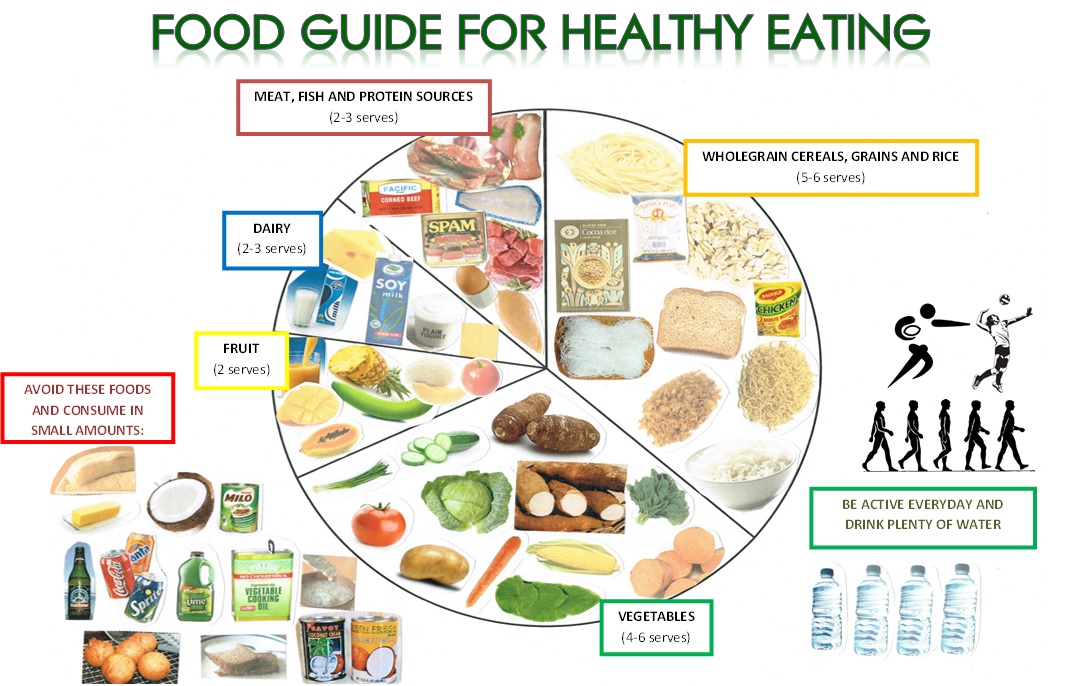
Meal planning is an essential part of maintaining a healthy diet, especially when you are on a tight budget. When you plan your meals, you have the ability to control what you eat and how much it costs. Without meal planning, it's easy to fall into unhealthy eating habits, such as grabbing fast food or ordering takeout because there isn't anything at home to cook. This can be expensive and not always nutritious. By creating a weekly or monthly meal plan, you can ensure that each meal contains all the necessary nutrients without breaking the bank. A balanced diet includes protein, carbohydrates, healthy fats and plenty of fruits and vegetables. By incorporating these foods into your meal plans ahead of time, you won't have to worry about making impulsive purchases while grocery shopping.
How to Create a Meal Plan
Creating a meal plan may seem daunting at first but with practice becomes easier over time. Start by deciding how many meals per day you will need for yourself or your family members; this could include breakfasts, lunches and dinners along with any snacks in between.
Next step is identifying which recipes fit within your budget constraints while also providing all necessary nutrients needed for optimal health benefits . Look online for inspiration from sites like Pinterest or recipe blogs that specialize in affordable yet nutritious meals options specific dietary needs such as gluten-free diets vegetarianism , veganism etc..
Once you have found some recipes that meet both criteria- affordability & nutrition - make sure they align with schedule too so cooking times don't overlap other commitments throughout week (work/school/etc). Group similar ingredients together so that buying them topically saves money over time too!
Tips for Saving Money with Meal Planning
Here are some tips on how one can save money through effective planning:
1) Buy items in bulk: Purchasing items like dry beans grains nuts seeds whole grain pasta/cereals larger quantities can save money in the long run by reducing cost per serving. This also helps avoid unnecessary trips to grocery store.
2) Use seasonal produce: Seasonal produce is often less expensive because it’s readily available, and doesn’t require extra transport costs or storage expenses. Plus, it's fresher than out-of-season items!
3) Plan meals around sales: Keep track of weekly sales at your local supermarket chain and plan your meals accordingly to make sure you're getting the best possible deals on quality ingredients.
4) Shop with a list: Preparing a detailed shopping list that includes all necessary ingredients for upcoming week makes grocery shopping more efficient & prevents impulse purchases which can be costly both economically and nutritionally.
5) Cook in bulk : Cooking larger portions allows leftovers that reduce spending on takeout food or eating out at restaurants , plus saves time too! Freeze any extras individual containers easy meal prep throughout month.
By incorporating these tips into your meal planning routine, healthy eating on a budget becomes much easier. Not only will you feel better physically but also financially as well knowing how much money is being saved over time while still achieving optimal health benefits from nutritious foods! Tip 2: Buy in Bulk
Buying in bulk is a great way to save money while eating healthy. When purchasing items in larger quantities, the price per unit decreases significantly, allowing you to purchase more nutritious foods for less. Here are some reasons why buying in bulk is beneficial for healthy eating on a budget. Why Buying in Bulk is Beneficial for Healthy Eating on a Budget
Firstly, buying non-perishable items such as whole grains, dried fruits and nuts, beans and legumes in bulk can be highly cost-effective. These pantry staples have long shelf lives which means they don't spoil quickly and can be stored for longer periods of time without the need for refrigeration or freezing. Moreover, when it comes to perishable goods like fresh fruits and vegetables that you consume regularly, buying them from wholesale markets or grocery stores that sell large amounts of produce directly from farmers at lower prices can also help you save money.
Secondly, purchasing food items in larger quantities often leads to reduced packaging waste because one big bag uses less material than multiple smaller ones combined together. Also by reducing packaging waste through buying products with minimal or no packaging materials contributes towards protecting the environment.
Thirdly,buying groceries once a month instead of making weekly trips has benefits beyond just saving dollars; fewer shopping trips reduce your carbon footprint by cutting down on fuel consumption used during transportation.
How to Buy in Bulk Effectively
When purchasing food items that come packaged (like nuts), look out for any signs of damage or moisture before making your purchase so that you get only those products with high quality standards. You should always check expiry dates before selecting an item as well since sometimes expiration dates tend to sneak up fast if not kept track off properly.. To avoid spoilage make sure storage containers are clean,dry & air tight especially when storing perishables like cereals,oats,nuts etc..
Another way to buy smart while purchasing bulk groceries includes looking out seasonal sales offers . Some stores may offer discounts on items that are about to go out of season so it's worth keeping an eye out for these deals. Buying in bulk during these sales can save you a lot of money as well.
Tips for Saving Money with Bulk Buying
Plan ahead: Make a list before going shopping so you don't end up buying things you don't need or forgetting the ones that are essential.
Compare prices: Before making any large purchases, compare prices from different retailers and wholesalers offering similar products to ensure the best price.
Join wholesale clubs: Some wholesale clubs offer memberships at affordable rates allowing consumers access to lower-priced goods in larger quantities.
Store properly: Proper storage is crucial when buying in bulk; make sure to store food items correctly and label them according to their contents as well as expiry date
Buy only what you need : Don’t buy more than necessary because having too much food can lead to spoilage if not used within its shelf life period..
Tip 3: Shop Seasonally and Locally
Why Shopping Seasonally and Locally is Beneficial for Healthy Eating on a Budget
Eating healthy can sometimes be expensive, but shopping seasonally and locally can help alleviate that burden. When produce is in-season, it's often cheaper due to the abundance of supply. Additionally, shopping locally supports small businesses and reduces transportation costs associated with importing food from other regions or countries.
Moreover, seasonal produce is not only more affordable but also fresher and tastier. Fruits and vegetables that are grown out-of-season have often been transported long distances before they reach the grocery store shelves. This transportation time results in lost nutrients as well as a less flavorful product.
How to Shop Seasonally and Locally Effectively
To shop seasonally means buying fruits and vegetables during their peak harvest times when they're most available at local markets or stores. Knowing what's in season requires some research since different areas may have varying growing seasons depending on climate conditions.
One way to find out what's in season locally is by visiting farmers' markets or subscribing to a Community Supported Agriculture (CSA) program where consumers pay upfront for weekly deliveries of fresh produce directly from local farmers.
Another option is to consult online resources such as Sustainable Table or Eat Well Guide which provide information about seasonal foods by region across the United States.
Tips for Saving Money with Seasonal and Local Shopping
Here are some tips for saving money while shopping seasonally:
Buy produce in bulk: Purchasing larger quantities of seasonal items can save money per pound.
Freeze excess: If you buy too much produce than you can consume within its shelf life, consider freezing it instead of letting it go bad.
Plan meals around seasonal ingredients: Look up recipes that use ingredients currently in-season rather than trying to force non-seasonal items into your meal plan.
Shop towards the end of farmer’s market hours: Vendors may offer discounts on remaining produce to avoid taking it back with them.
Consider imperfect produce: Some farmers may sell “ugly” or slightly damaged fruits and vegetables at a discounted price.
By shopping seasonally and locally, you not only save money but also support local businesses while eating fresher, tastier and healthier food. It requires some effort in terms of planning and research, but the benefits are worth it for both your wallet and your health.
Tip 4: Cook at Home
Eating out or purchasing pre-packaged meals may seem like a convenient option, but it can be costly and detrimental to your health. Cooking at home is an effective way to save money while promoting healthy eating habits.
Why Cooking at Home is Beneficial for Healthy Eating on a Budget
Cooking at home allows you to have control over the ingredients and portion sizes during meal preparation. This means you can choose healthier options such as fresh fruits, vegetables, lean meats, and whole grains instead of relying on processed foods loaded with added sugars and sodium. Additionally, cooking at home helps reduce food waste by allowing you to use up ingredients before they spoil.
How to Cook at Home Effectively
To cook effectively at home, start by planning your meals ahead of time. This will allow you to make a grocery list based on the ingredients needed for each recipe and avoid impulse purchases. It also helps if you have basic cooking skills such as chopping vegetables or boiling pasta that can help simplify meal preparation.
Another tip is to invest in quality kitchen tools such as sharp knives or non-stick pans that will last longer than cheaper alternatives which need frequent replacement. You don't need expensive appliances or gadgets like sous vide machines or instant pots - just some good old-fashioned pots, pans and utensils are enough!
Tips for Saving Money with Home Cooking
One way to save money when cooking at home is by buying in bulk whenever possible. Staples like rice, beans, nuts/seeds/flours tend to be less expensive when purchased in larger quantities so consider buying them from wholesale stores like Costco/Sam's Club rather than regular supermarkets. Another money-saving trick is using leftovers creatively! Repurposing leftovers into new dishes reduces food waste while saving both time and money since much of the prep work has already been done - leftover meat could become burritos; roasted veggies could become soup etc.
Lastly- try growing your own herbs/vegetables at home. This will not only save you money but also provides fresh produce right at your fingertips. If outdoor space is limited, consider growing herbs in pots on your windowsill or balcony.
Tip 5: Stick to Nutritious Foods
Eating healthy on a budget can be challenging, but it is not impossible. One of the best ways to achieve this goal is by sticking to nutritious foods. Not only are these foods affordable, but they also provide essential nutrients that promote good health. In this section, we will discuss why choosing nutritious foods is beneficial for healthy eating on a budget and how you can choose them effectively. Why Choosing Nutritious Foods is Beneficial for Healthy Eating on a Budget
Nutritious foods are essential for maintaining good health and preventing chronic diseases such as diabetes and heart disease. These types of food typically contain high levels of vitamins, minerals, fiber, and other essential nutrients that our bodies need to function properly. When we consume nutrient-dense meals regularly, we feel fuller longer and have more energy throughout the day.
When trying to eat healthy on a budget, it's important to consider the long-term benefits rather than just short-term savings. By incorporating more nutritious whole foods into your diet instead of processed or packaged items filled with added sugars or unhealthy fats - you may end up saving money in the long run since these healthier options tend to be less expensive per serving.
How to Choose Nutritious Foods Effectively
Choosing nutritious foods does not have to be complicated or cost-prohibitive; there are many affordable options available that pack a nutritional punch! Here are some tips for selecting wholesome ingredients without breaking the bank:
1) Shop seasonally: Seasonal produce tends to be fresher and cheaper because it doesn't require transportation from far away places.
2) Buy in bulk: Purchasing grains like rice or quinoa in bulk can save money while providing excellent sources of complex carbohydrates which keep us feeling full longer.
3) Read labels carefully: Check nutrition information before buying pre-packaged products; look out for added sugar content (such as corn syrup), trans fats (partially hydrogenated oil), sodium levels beyond recommendations (more than 2300mg per day), or other unhealthy additives.
4) Don't be afraid to try new things: Experimenting with new vegetables, fruits, and whole grains can make meals more interesting while providing a variety of nutrients your body needs.
5) Opt for plant-based proteins: Plant-based protein sources like beans, lentils, tofu or tempeh are often cheaper than animal products such as meat and dairy - they also provide plenty of essential nutrients.
Tips for Saving Money with Nutritious Foods
Eating healthy doesn't have to break the bank. Here are some tips on how you can save money while still eating nutritious foods:
1) Plan ahead: Meal prepping can help you avoid impulse buying at the grocery store since you already have everything planned out ahead of time.
2) Buy frozen produce: Frozen fruits and vegetables tend to be cheaper than fresh ones but retain most of their nutritional value thanks to modern flash-freezing technology.
3) Cook at home instead of dining out frequently which saves up both calories and cash!
4) Grow your own food if possible; gardening offers many benefits beyond just saving money on groceries! Plus it's an excellent way to get outside in nature regularly.
Conclusion
In conclusion, eating healthy on a budget is not only possible but also easy with these five tips: bulk buying, meal planning, choosing affordable sources of protein and produce, cooking at home and reducing food waste. By implementing these strategies into your routine, you can save money while improving your overall health. A healthy diet has numerous benefits such as weight management, lower risk of chronic diseases like diabetes and heart disease, improved mood and energy levels. Remember that small changes in your eating habits can make a big difference in the long run. So start making healthier choices today by incorporating these practical tips into your lifestyle!