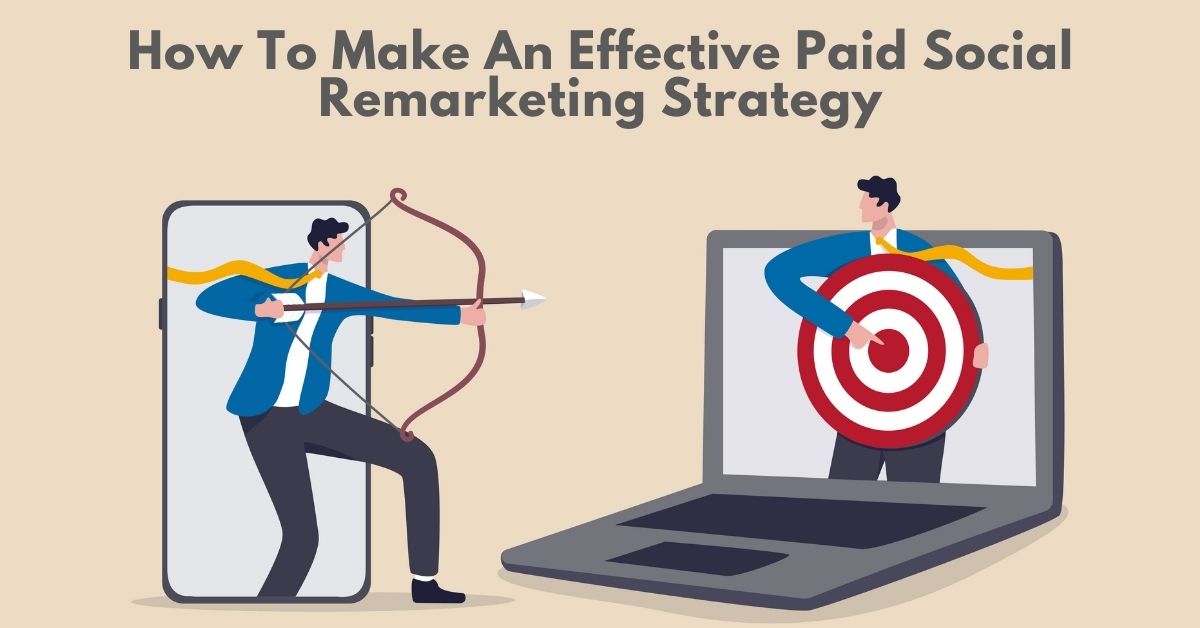
Boosting eCommerce Success with Retargeting: Conversions, Loyalty, and Brand Awareness
Introduction
In today's highly competitive eCommerce landscape, businesses are constantly searching for new strategies to drive traffic and increase sales. One tactic that has proven to be particularly effective is retargeting. Put simply, retargeting involves displaying ads to users who have previously interacted with your brand or visited your website. By leveraging this powerful technique, companies can boost conversions, build customer loyalty, and raise brand awareness. In this article, we will explore the world of retargeting in-depth – examining how it works, why it matters for eCommerce businesses specifically, and what steps you can take to get started with your own campaigns. Whether you're a seasoned marketer or just getting started in the world of eCommerce, there's no denying the importance of retargeting when it comes to driving success online. So let's dive in! Increased Conversions
Retargeting is a powerful marketing tool that can help eCommerce businesses increase their conversion rates. By reminding potential customers of products or services they have already shown interest in, retargeting ads can encourage them to return to a website and complete a purchase. Retargeting Ads
Retargeting ads are designed to display targeted advertisements to users who have previously visited an eCommerce site but did not make a purchase. These ads typically show up on other websites or social media platforms, such as Facebook or Twitter, and remind the user of the product or service they were interested in earlier. This reminder often leads to increased click-through rates and conversions.
One example of successful retargeting is when an online retailer used dynamic product ads on Facebook to target people who had abandoned their shopping carts without purchasing anything. The ad displayed images of the exact items left behind, along with personalized messaging encouraging shoppers to return and complete their purchase. As a result, this company experienced a 5% increase in conversion rates from these targeted ads.
Remarketing
Remarketing takes retargeting one step further by allowing businesses to send promotional messages directly to people who have already taken some form of action on their website or app – for example, adding something to their cart but leaving before completing checkout. Through email campaigns, push notifications, SMS messaging and other channels remarketing helps prompt these visitors back into converting.
Remarketing has been particularly effective for businesses offering subscription-based services like meal delivery kits where it’s important for them retain returning customers over multiple orders so that acquisition costs don’t become too high compared against revenue generated per customer overtime.
For instance Box8- A Indian food tech start-up implemented remarketing strategy which resulted in 60% higher order frequency than non-remarketed customers across its four cities - Mumbai,Pune,Bangalore & Gurgaon.
ROI
Finally using Retargeted advertising allows e-commerce marketers ensure efficient spend of their marketing budgets as it can be more cost-effective than trying to acquire new customers. Retargeting can help boost ROI for e-commerce businesses by focusing on users that have already engaged with the brand in some way or form, resulting in higher chances of conversion. One example of an eCommerce store seeing a return 3 times higher was when they used retargeted ads on Google Display Network (GDN) to target people who had previously visited their website but not made a purchase. The ads resulted in a significant increase in conversions and revenue, while also reducing acquisition costs compared against other channels.
Improved Customer Loyalty
Retargeting campaigns are a powerful tool for eCommerce businesses looking to improve customer loyalty. By targeting customers who have already shown interest in your products or services, you can remind them of their initial desire and encourage them to return to your website. Retargeting ads can be personalized based on the customer's previous interactions with your site, making it more likely that they will engage with the ad and complete a purchase. Retargeting Campaigns
Retargeting campaigns involve showing ads to customers who have previously visited your website but left without making a purchase. These ads can appear on other websites or social media platforms, reminding the customer of their initial interest in your brand. By keeping your business top-of-mind, retargeting encourages customers to return and make a purchase they may have otherwise forgotten about.
Repeat Customers
Repeat customers are incredibly valuable for eCommerce businesses. Not only do they tend to spend more money than first-time buyers, but they also provide a steady stream of revenue over time. Retargeting is an effective way to encourage repeat purchases by offering personalized recommendations based on past buying behavior or even providing exclusive discounts or promotions tailored specifically for returning customers.
Brand Loyalty
Brand loyalty is essential for long-term success in the eCommerce industry. When customers feel loyal towards a particular brand, they are more likely to choose that company over competitors when considering future purchases. Retargeting campaigns can help build brand loyalty by reinforcing positive associations between the customer and your business through targeted messaging and personalized incentives.
Boosted Brand Awareness
Retargeting is not only an effective way to increase conversions and customer loyalty, but it can also significantly improve brand awareness. By displaying retargeting ads to customers who have previously interacted with a brand, businesses can create more opportunities for their products or services to be seen and remembered. Retargeting Ads
Retargeting ads are an excellent way to boost brand awareness as they allow businesses to reach potential customers who have already shown interest in their products or services. These ads can be displayed across different channels such as social media platforms, search engines, and other websites that the customer visits frequently. By using cookies or pixels on a website, businesses can track visitors' behavior and show them personalized retargeting ads based on their previous interactions with the site.
Retargeting ads are particularly useful for increasing brand recognition because they keep a business's name in front of potential customers' minds even after they've left the site. This constant exposure reinforces the business's message and helps build familiarity with its brand. Brand Recognition
Brand recognition is crucial for any eCommerce business looking to establish itself as a leader in its industry. It refers to how well consumers recognize a particular company's branding elements such as logos, colors, slogans, and packaging design.
Retargeting plays an essential role in improving brand recognition by keeping brands top-of-mind among potential customers who may not have made purchases yet. When people see retargeted ads from familiar brands repeatedly over time across multiple platforms online when browsing different sites or scrolling through social media feeds – this helps reinforce that these companies exist - which strengthens overall perceptions about these brands being trustworthy sources of quality goods/services.
Moreover; because people tend to trust what is familiar - seeing your ad over again could help you gain loyal followers who will ultimately become repeat buyers since individuals like doing business with companies whose names they know rather than those that seem unfamiliar.
Customer Engagement
Another significant benefit of retargeting is the improvement of customer engagement with a brand. Retargeting ads can be personalized based on previous interactions to make them more relevant and engaging for customers. This personalization helps create more meaningful connections between a business and its potential customers by tailoring messaging that resonates specifically with each user. By improving customer engagement, businesses can encourage individuals to interact further with their brand, leading to increased loyalty and repeat purchases over time.
Effective Targeting
Retargeting campaigns are only effective when they target the right audience. That's why effective targeting is crucial to achieve better results in retargeting. When you retarget your ads, it’s important that you reach out to people who have already shown interest in your brand or product. By identifying and segmenting your audience based on their behavior on your website, you can tailor your messaging and ad content to be more relevant to each individual. Retargeting Campaigns
One of the key elements of running an effective retargeting campaign is ensuring that you’re reaching out to users who are most likely interested in what you have to offer. The first step towards achieving this goal is by tracking user behavior on your website using tools like cookies and pixels which allow advertisers to track visitors' activities across multiple sites.
By collecting data about visitor interests, browsing history, search queries, etc., marketers can create customized ads that are specifically tailored for these customers as they browse other websites online. This ensures that the customer will see a personalized message from the brand at every touchpoint along their journey which increases conversions significantly.
Audience Segmentation
Audience segmentation is another essential element of effective targeting in retargeting campaigns. It allows businesses to group customers according to common characteristics such as demographics (age, gender), location-based data (city/state/country), past purchase history or behaviors (website visits). Segmentation enables brands with different products or services offerings within a single category such as clothing retailers who might use it for grouping shoppers looking for specific types of clothes like formal wear versus casual wear so they know how best approach them with targeted messaging.
Audience segmentation makes it easier for brands not only identify high-value customers but also make informed decisions around how much ad spend should be allocated towards each segment based on revenue potential thus increasing ROI over time through higher conversion rates. Personalization
Personalization has become increasingly popular among eCommerce business owners and marketers. It involves tailoring content or ads to specific individuals based on their behavior, preferences and interests. With retargeting campaigns, personalization can be used in a variety of ways such as dynamic product recommendations that show customers items they’ve viewed before but didn't purchase yet, personalized messages that address them by name or even customized landing pages with offers tailored to their needs.
Personalized messaging is not only more engaging but also helps build brand loyalty among customers who feel understood and valued by the brand. This leads to higher conversion rates overall, as well as increased customer lifetime value over time due to repeat purchases from satisfied customers.
Conclusion
In conclusion, retargeting is a powerful tool that eCommerce businesses can use to boost their conversions, increase customer loyalty, and raise brand awareness. By showing ads to people who have already expressed interest in your products or services, you are more likely to see results compared to traditional advertising methods. Retargeting allows you to stay top-of-mind with potential customers while also giving them personalized experiences based on their previous interactions with your website or social media channels. It's time for eCommerce businesses of all sizes to implement retargeting into their marketing strategies and take advantage of the benefits it provides.