The Mobile Advantage: Boosting eCommerce Product Promotion with Optimization
Introduction
In today's digital age, eCommerce has become an essential component of every business strategy. With the advent of technology, businesses can now sell their products and services online, reaching a global audience with ease. However, despite the convenience that eCommerce offers, many businesses struggle to effectively promote their products on their websites. The result is often low sales figures and a lackluster ROI. This problem is further compounded by the fact that more people are accessing websites via mobile devices than ever before. In this article, we will explore how optimizing for mobile devices can help boost your eCommerce product promotion efforts and improve your bottom line. Improving Product Visibility
In the world of eCommerce, product visibility is key to success. Online store owners and digital marketers must ensure that their products are easily found by potential customers. Mobile optimization can play a crucial role in improving product visibility through responsive design, fast loading times, and better search engine visibility. Responsive Design
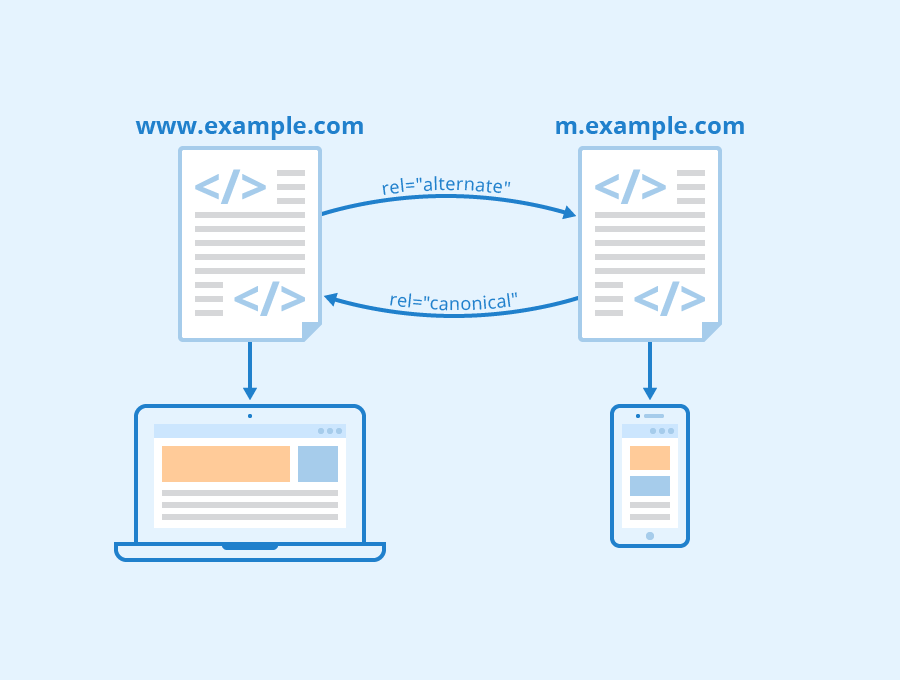
With more and more consumers using their mobile devices for online shopping, it's essential that eCommerce websites have a responsive design. A website with responsive design ensures that the layout of the site adjusts to fit any screen size or device type. This means that regardless of whether a customer is browsing on a desktop computer or a smartphone, they will be able to view all products clearly without having to zoom in or out. A website with poor mobile optimization may turn away potential customers as they struggle to navigate through tiny text or unresponsive buttons on their smartphones. Therefore, ensuring your website has a responsive design not only improves the user experience but also increases the likelihood of conversions.
Fast Loading Times
Mobile users expect instant gratification when browsing online stores; slow loading times can lead to frustration and eventual abandonment of your site. With an optimized mobile site, you can improve loading speeds significantly.
Optimizing images and compressing files can help reduce load time while maintaining image quality for optimal user experience without sacrificing visual appeal or content quality. Additionally, minimizing HTTP requests reduces server response time leading towards faster page load speed which ultimately results in lower bounce rates from visitors who abandon sites due to slow-loading pages.
Fast-loading pages are essential because it helps keep interested buyers engaged while reducing friction points between them and your brand—increasing both conversion rates & SEO ranking over time!
Better Search Engine Visibility
Search engines prioritize websites with optimized mobile experiences over those without one when presenting results based on relevant keywords used by shoppers during searches (this was officially announced by Google). By optimizing content such as meta descriptions titles & tags across various devices including desktops/tablets, mobile devices in addition to local listings with maps and hours of operation will ensure that your website ranks well on search engines.
The use of structured data such as schema.org markup also helps search engines understand the context of your content better. By creating a coherent structure for metadata within HTML code snippets, you can provide more information about your products' features and benefits without relying solely on text-based descriptions.
Increasing Website Traffic
Mobile optimization is a crucial aspect of eCommerce product promotion as it can increase website traffic through better user experience, improved search rankings, and social media integration. Better User Experience
Mobile devices are ubiquitous in today's world, and users expect websites to be optimized for their screens. A mobile-optimized website loads faster and has a responsive design that adjusts to the screen size of the device being used. This results in a seamless browsing experience for the user, which leads to increased engagement and longer visit durations. In contrast, if visitors encounter slow loading times or have difficulty navigating on their mobile devices due to non-responsive designs, they are more likely to abandon the site quickly. Improved Search Rankings
Google has recognized the importance of mobile optimization and implemented algorithms that prioritize mobile-friendly websites for higher search rankings. Mobile optimized sites load faster than those that aren't optimized since they have smaller file sizes and fewer elements on each page. Additionally, Google's algorithm considers factors such as bounce rates (when visitors leave your site after viewing just one page) when ranking websites on its SERP (search engine results page). If a website isn't optimized for mobile devices making it difficult for users to navigate resulting in high bounce rates which negatively impact its SEO performance.
Social Media Integration
Mobile optimization also enables social media integration with an eCommerce store’s product pages leading to increased visibility among potential customers online while driving more traffic back towards these pages from various platforms like Facebook or Twitter etc., where people spend time scrolling feeds every day looking out new products/services they might need/want at any given moment.
Enhancing User Experience
Mobile optimization can greatly enhance user experience in eCommerce. By making your website mobile-friendly, you enable customers to easily navigate and interact with your products on their smartphones or tablets. This can lead to increased engagement, higher conversion rates, and ultimately more sales for your online store. Mobile-Friendly Navigation
One of the key aspects of mobile optimization is creating a navigation system that is intuitive and easy to use on smaller screens. This means designing menus, buttons, and links that are large enough to be tapped with a finger or thumb without accidentally clicking on something else.
In addition, it's important to prioritize content based on what users are most likely looking for when accessing your site from a mobile device. For example, placing the search bar front-and-center can help users find what they need quickly without having to scroll through multiple pages.
By optimizing your navigation for mobile devices, you make it easier for customers to browse through different product categories and find exactly what they're looking for – which can translate into higher sales and repeat business.
Streamlined Checkout Process
Another aspect of enhancing user experience through mobile optimization is streamlining the checkout process. Mobile shoppers tend to have less patience than desktop users; if the checkout process takes too long or requires too much typing/scrolling/swiping etc., they may abandon their cart before completing their purchase.
To avoid this scenario, consider implementing features such as one-click ordering or guest checkout options that allow customers to complete their purchase quickly without having to create an account or enter extensive personal information.
Additionally, optimize forms by using autofill capabilities whenever possible (e.g., pre-populating fields with previously entered data) so that customers don't have to waste time entering information manually every time they shop with you.
By making the checkout process seamless and hassle-free on mobile devices, you increase customer satisfaction while also reducing shopping cart abandonment rates – both of which contribute directly towards improved eCommerce performance metrics.
Personalized Content
Finally, mobile optimization can also enhance user experience through personalized content. By leveraging data such as past purchase history, browsing behavior and location information, you can deliver targeted product recommendations or special promotions that are tailored to each customer's interests and preferences.
This not only helps increase engagement with your brand but also encourages repeat purchases by making customers feel valued and appreciated. Moreover, personalization has been shown to drive higher conversion rates and average order values compared to generic marketing messages.
By delivering relevant content that resonates with your audience on a personal level, you create a more engaging shopping experience that is more likely to lead to conversions – ultimately driving revenue growth for your online store.
Tips for Mobile Optimization
As the majority of online shoppers are now using their mobile devices to shop, it is crucial for eCommerce businesses to optimize their websites accordingly. The following tips can help improve product pages and checkout processes for mobile users. Responsive Design
The first step in optimizing an eCommerce website for mobile devices is ensuring that it has a responsive design. This means that the website adjusts its layout and content based on the user's screen size and orientation. A responsive design ensures that all elements on the page are visible and easily accessible, no matter what device is being used. Simplified Navigation
Mobile users have limited screen space, so simplifying navigation menus is essential. It should be easy for visitors to find what they're looking for without having to click through multiple pages or scroll endlessly. Large buttons, clear labels, drop-down menus, and search bars can make navigation easier.
Mobile-Friendly Payment Options
One of the most significant challenges in optimizing an eCommerce site for mobile devices is creating a seamless payment process. To ensure this process goes smoothly, use payment gateways compatible with mobile payments like Google Pay or Apple Pay as they provide speedy checkouts options while also enhancing security measures.
Conclusion
In today's digital era, mobile optimization is key for any successful eCommerce product promotion. With the majority of online shoppers using their mobile devices to browse and purchase products, it is crucial that online store owners and digital marketers prioritize optimizing their websites for mobile. From improving website speed and usability to implementing responsive design principles, there are several ways to boost your eCommerce product promotion with optimization. The key takeaways from this article include understanding the importance of mobile optimization in eCommerce, prioritizing website speed and usability, implementing responsive design principles, and regularly testing and analyzing your website performance on different devices. By following these best practices, you can create a seamless user experience across all devices while driving more traffic and sales to your online store.