Boost Your Real Estate Business with Local SEO: Tips for Google My Business and Local Keywords
Introduction to Local SEO for Real Estate
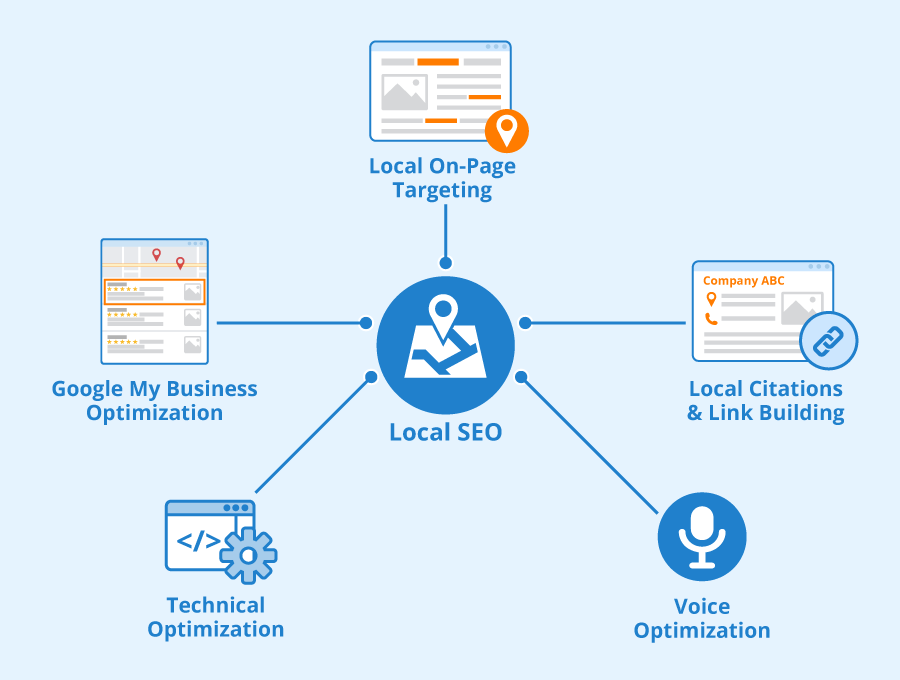
Real estate agents, brokers, and companies are always on the lookout for new ways to promote their business. One of the most effective strategies is local SEO (Search Engine Optimization). Local SEO is a branch of digital marketing that focuses on optimizing a website or online presence to rank higher in search engine results pages (SERPs) for location-based searches. In other words, it’s all about making sure your real estate business appears at the top of Google when potential clients search for properties or services in their area. Local SEO has become increasingly important in recent years due to shifts in consumer behavior. Rather than looking up phone numbers or addresses in a phone book, people now turn to search engines like Google to find what they need. A study by BrightLocal found that 86% of consumers use the internet to find local businesses, with 29% searching every day. This means that if you’re not ranking high enough in SERPs, you could be missing out on valuable leads and potential clients.
For real estate professionals specifically, local SEO can help generate more targeted traffic and leads from individuals who are actively seeking property-related services within their geographic area. By using local keywords such as “homes for sale [city]” or “real estate agent near me,” you can attract users who are more likely to convert into customers since they have already shown intent through their search query. In addition to attracting new leads, improving your local visibility can also increase brand awareness and credibility within your community. When people see your business listed at the top of SERPs with positive reviews and accurate information on Google My Business (GMB), they will be more likely to trust and choose your services over competitors. Overall, implementing a strong local SEO strategy should be an essential part of any real estate marketing plan. It allows you to reach relevant audiences where they’re spending most of their time – online – while increasing brand awareness and generating qualified leads at a lower cost than traditional marketing methods. In the next sections of this article, we’ll dive into specific tips and best practices for optimizing your GMB profile and local keywords to boost your real estate business.
Optimizing Your Google My Business Listing
As a real estate professional, you want to make sure that your business is easily found by potential clients searching for local properties. One way to improve your local search visibility is through optimizing your Google My Business listing. Here are some tips on how to do it: Claim and Verify Your Listing
First things first - claim and verify your Google My Business listing. This will ensure that all the information about your business is accurate, up-to-date, and consistent across different platforms.
Complete Your Profile
Make sure to complete every aspect of your profile, including adding photos of yourself or team members, office location(s), hours of operation, contact information (phone number and email address), website URL, social media links (if applicable), services offered (e.g., buying/selling homes), etc. The more detailed and comprehensive your profile is, the higher chances you have of appearing in relevant local search results.
Be Consistent with NAP Information
NAP stands for Name Address Phone Number – this information should be consistent everywhere online where people can find you: directories like Yelp or Yellow Pages as well as other sites such as Nextdoor. Make sure that any change in name such as abbreviations or punctuation marks are used consistently throughout all listings.
Optimize for Local Keywords
Include localized keywords in the description section which describe what services you provide such as "real estate agent" "broker", "property management". Use long-tail keywords specific to neighborhoods or areas served so potential clients know exactly where you operate.
Encourage Customer Reviews
Encouraging satisfied customers leave reviews on Google can significantly boost the ranking of their review page over time compared with competitors who don't have many positive reviews yet. You could also encourage customers leaving feedback if they had a bad experience because it shows how responsive a company actually is when problems arise!
By implementing these tips into optimizing your business's Google My Business listing will help increase visibility and help potential clients find your business easier.
Using Local Keywords
Local keywords are crucial when it comes to optimizing your real estate business for local search. They help you target potential clients in your area who are searching for properties or real estate services. By including the right local keywords on your website and in your content marketing, you can improve your search engine rankings and attract more qualified leads. Conducting Keyword Research
The first step to using local keywords effectively is conducting thorough keyword research. Start by brainstorming a list of relevant keywords that describe what you offer as a real estate professional. Then, use a keyword research tool to expand your list and identify additional terms that people are searching for related to real estate in your specific location. When choosing which local keywords to focus on, look for those with high search volume but low competition. Long-tail phrases that include specific locations or property types can also be effective at attracting targeted traffic to your site.
Using Local Keywords on Your Website
Once you've identified the best local keywords for your business, it's time to start incorporating them into key areas of your website:
Page Titles: Include one or two primary local keywords in each page title.
Meta Descriptions: Write compelling meta descriptions that include relevant local keywords.
URL Structure: Use descriptive URLs with targeted location-based terms.
Content: Incorporate natural variations of targeted keywords throughout the body of text while avoiding overuse (keyword stuffing).
It's important not just throw random city names onto pages where they don't belong – this will actually hurt SEO efforts if Google considers it spammy behavior. Using Local Keywords in Your Content Marketing
In addition to optimizing pages on their website, successful Real Estate professionals incorporate unique quality content like blog articles optimized around these same targeted long-tail phrases within their content strategy itself:
1) "Best Neighborhoods" - Create an article ranking different neighborhoods based upon various criteria such as walkability score ratings from WalkScore.com
2) "Home Buying Tips" - Create an article that provides actionable advice to potential homebuyers, including tips for navigating the real estate market in your local area.
3) "Market Updates" - Provide monthly or weekly updates on local property listings and trends.
The key is to provide valuable information that aligns with what you know users are searching for while incorporating long-tail keywords naturally within the content.
By using targeted, location-specific keywords on your website and in your content marketing efforts, you can improve your search engine rankings and attract more qualified leads from people actively searching for properties or real estate services in your area.
Creating Valuable Local Content
Content marketing is an essential part of any digital marketing strategy, and it is particularly important for real estate businesses that want to succeed with local SEO. Creating valuable local content can help you establish your company as a trusted authority in your area of operation. To achieve this goal, here are some tips on how to create high-quality local content that resonates with your target audience. Identifying Your Target Audience
Before you start creating local content, you need to identify who your target audience is. Understanding the demographics and interests of potential customers will help you tailor your message and create relevant content that meets their needs. Consider factors such as age range, income level, education level, marital status, occupation, hobbies or interests when identifying your target audience.
Once you have identified who they are specifically targeting for the location like first-time homebuyers or luxury buyers looking for waterfront properties then craft personalized messages around those groups' unique needs.
Types of Local Content
There are several types of local content that can be created to attract more leads:
1) Neighborhood guides
Neighborhood guides offer detailed information about specific areas within a city or town such as schools nearby amenities like parks restaurants etc. These guides should include all the necessary details about each neighborhood including its history which helps build trust among visitors while highlighting what makes living there so desirable.
2) Market updates
Market updates provide insights into trends happening in real estate markets locally which people interested in buying homes would find very useful helping them make informed decisions regarding purchasing property.
3) Home-buying/selling tips
Home-buying/selling tips offer advice on everything from getting pre-approved financing options closing costs staging houses before showing them off too prospective buyers increasing curb appeal during open houses ensuring maximum exposure online through social media channels blog posts video tours virtual walkthroughs etc.
All these types of contents not only add value to readers but also increase engagement leading potentially new customers.
Promoting Your Local Content
Promoting your local content is an essential step to take if you want it to reach a wider audience and attract more leads. Here are some tips for promoting your content:
1) Share on social media channels: Use social media platforms such as Facebook, Instagram, Twitter, LinkedIn to share your local content with followers and relevant groups.
2) Email marketing: Send personalized emails to subscribers that highlight new blog posts or newsletters sent out, keep them in the loop regarding new houses available in their desired locations.
3) Guest Blogging/Backlinking: Reach out to other real estate blogs within the same location and offer guest blogging services. This helps boost visibility while also creating backlinks which improve SEO rankings overall.
By following these ideas mentioned above and crafting fantastic content regularly based on upcoming events/local happenings will help build trust among visitors leading potentially turning into customers making it an excellent addition toward boosting business through local SEO efforts.
Conclusion
In conclusion, there are several key takeaways from this article that real estate agents, brokers, and companies should keep in mind when it comes to local SEO. First and foremost, Google My Business is a crucial tool for any business looking to improve their online visibility and attract more local customers. By optimizing your GMB profile with accurate information and engaging content, you can increase your chances of appearing in the coveted "Local Pack" results on Google's search engine results pages (SERPs). Additionally, incorporating relevant local keywords into your website copy and metadata can help signal to search engines that your business is a relevant choice for nearby prospects. Overall, integrating local SEO into your real estate marketing strategies is essential for staying competitive in today's digital landscape. By leveraging the power of location-based searches, you can connect with potential clients who are actively seeking out properties or services like yours in their area. See Also