Boost Your Healthcare Website's SEO and Conversion Rates with Schema Markup
Introduction
As healthcare website owners and marketers, you may have noticed that despite having a well-designed website with informative content, your conversion rates remain low. This can be frustrating as it impacts the success of your business. One possible solution to this problem is implementing schema markup on your site. Schema markup helps search engines better understand the content on your website, which in turn can lead to improved rankings and increased organic traffic. Additionally, by providing more detailed information about your services or products through schema markup, you are making it easier for potential customers to find what they need quickly and efficiently. In this blog post, we will explore how schema markup works and how it can improve both SEO and conversion rates for healthcare websites. The Importance of Schema Markup for Healthcare Websites
What is Schema Markup?
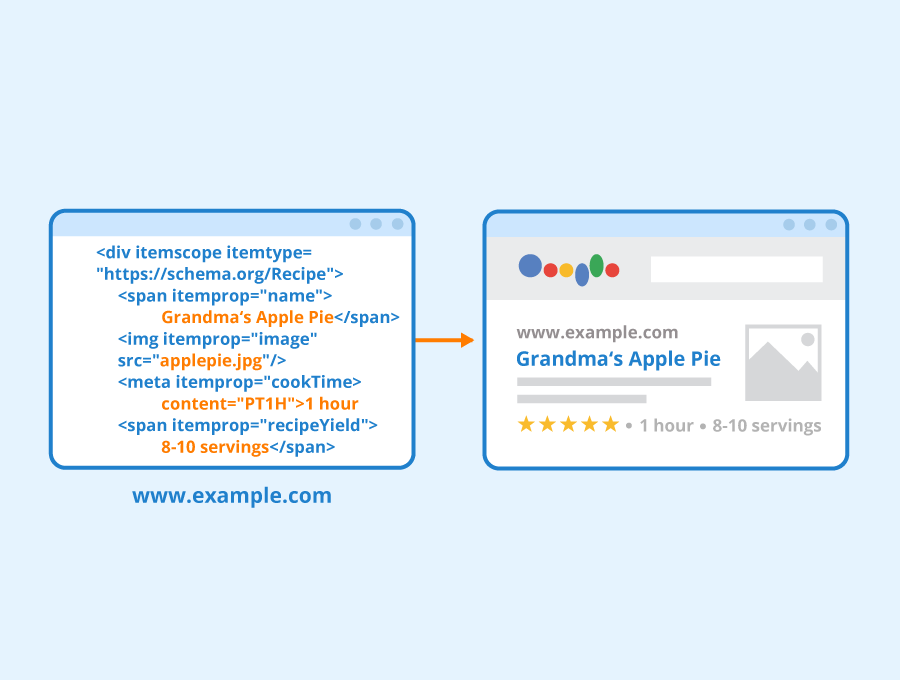
Schema markup is a code that helps search engines understand the content on a website. It helps to provide more context about the information presented on a webpage, making it easier for search engines to classify and rank the website's content accurately. This code is added to HTML tags on web pages, which can include important details such as business hours, addresses, phone numbers, reviews, ratings and much more. Why Is Schema Markup Important for Healthcare Websites?
Healthcare websites often contain complex medical information that requires clear classification and organization. Given that healthcare websites are frequently searched by people looking for answers regarding their health concerns or medical conditions; it becomes necessary to ensure that their website shows up at the top of relevant searches results.
By using schema markup in healthcare websites; owners and marketers can improve their SEO efforts significantly. For instance: if someone searches "heart attack symptoms" online, Google will display results with rich snippets (i.e., additional pieces of information) including images or videos alongside text descriptions directly in the search engine result page (SERP). By having schema markup implemented correctly into your site; you increase your chances of showing up as one of those rich snippet listings - giving users an extra layer of engagement beyond just clicking through links. One major advantage of implementing schema markup onto healthcare sites is increased visibility within local searches. A significant percentage of individuals seeking medical attention tend to choose providers located near them geographically so they may see nearby options first when searching online via location-based queries like "cardiology clinic near me". By incorporating specific data related to locations such as office hours/days open/closed etc., businesses could potentially boost exposure locally by ranking higher than competitors who do not have this structured data included in their site structure.
Overall
Using Schema Markup for Healthcare-Specific Information
As a healthcare website owner or marketer, you know that there are specific pieces of information that your audience is looking for when they visit your site. Using schema markup can help ensure that this healthcare-specific information stands out to search engines and improves your SEO. Here are some examples of the types of healthcare-specific information you can mark up with schema: Marking Up Healthcare Services
One important aspect of any healthcare website is the services offered. Whether it's primary care, urgent care, or specialty services like cardiology or oncology, these offerings need to be clearly communicated to potential patients who may be searching for them online. By marking up service pages with schema markup related to medical procedures and conditions, search engines can more easily understand what each page is about and show relevant results in search engine results pages (SERPs). This not only helps improve your organic rankings but also increases the chances of attracting qualified traffic to your site.
Marking Up Healthcare Products
In addition to services, many healthcare websites also offer products such as medical devices and supplies. These items often have unique identifying properties such as model numbers, specifications, and usage instructions that could benefit from being marked up with structured data. Doing so ensures that search engines correctly identify product pages on a given website while delivering accurate pricing details within SERPs - making it easier for potential buyers using Google Shopping or other comparison sites.
Marking Up Healthcare Practitioners
For individual practitioners like physicians or nurses who appear on a health system’s website – their qualifications should be marked up in order for them stand out among competitors within local listings (such as those found on Google Maps). By including structured data around practitioner credentials such as board certifications or degrees obtained from renowned institutions will improve how these professionals are displayed in SERPS allowing them greater visibility across multiple touchpoints.
Marking Up Healthcare Organizations
Finally, detailed information about an organization itself is critical when people want general background knowledge or when looking for a specific provider. This includes things like hours of operation, medical specialties or services available, and contact information such as phone numbers and addresses. By using schema markup to highlight key details about your organization, you can help search engines better understand the scope of your operations - enabling them to provide more relevant results to users searching for healthcare providers in their area.
Overall, by implementing structured data on healthcare websites owners can bring greater visibility around valuable content that is both useful for patients and beneficial for SEO efforts. As a result, potential clients are more likely to trust that they’re visiting a reputable site with accurate information – ultimately leading towards higher conversion rates if done correctly over time. Optimizing Rich Snippets
How can optimizing rich snippets with schema markup improve click-through rates and increase website traffic?
Optimizing rich snippets is an essential aspect of any successful healthcare website's SEO strategy. Rich snippets are the additional information displayed in search engine result pages (SERPs) that provide users with a quick preview of what they can expect to find on your website. By using schema markup, you can optimize these rich snippets to make them more attractive and informative, which will help improve click-through rates and increase overall traffic. Firstly, schema markup makes it easier for search engines to understand what your content is about. This allows them to present the most relevant information from your site in the SERP snippet. For example, if you're a healthcare provider offering flu shots, adding appropriate schema markup around this service will ensure that Google displays key details such as pricing or location in the search results.
Secondly, optimized rich snippets also help establish trust with potential patients by giving them a better understanding of what they'll find when they click through to your site. This means that visitors are more likely to stay on your page longer and engage further with your content. Finally, utilizing structured data via schema markup helps healthcare websites stand out amongst their competitors within SERP listings by providing comprehensive details related to specific services offered by each individual practice or facility - leading directly towards higher conversion rate optimization (CRO).
Tips for Implementing Schema Markup on Your Website
Implementing schema markup on your healthcare website can seem daunting at first, but with the right approach and guidance, it can be a relatively simple process. Here are some tips to help you get started: 1. Identify the most relevant schema types for your content
Before implementing schema markup, identify the specific types of schemas that will add value to your content. For example, if you have articles about medical conditions or procedures on your website, using schema.org's MedicalCondition or MedicalProcedure type could enhance search engines' understanding of that content.
2. Follow recommended guidelines for each schema type
Once you've identified the appropriate schemas for your content, follow the recommended guidelines provided by Schema.org for each type. These guidelines include required properties and values that must be included in order to properly implement the schema markup.
3. Use structured data testing tools to validate implementation
After implementing schema markup on your website, use structured data testing tools such as Google's Structured Data Testing Tool or Bing's Markup Validator to ensure that it has been implemented correctly and is being recognized by search engines. 4. Monitor performance and make adjustments as needed
Keep an eye on how incorporating schema markup affects traffic and conversion rates on your healthcare website over time. If necessary, tweak elements of the implementation based on performance metrics in order to optimize results. By following these tips for implementing schema markup effectively on a healthcare website, you can improve both SEO rankings and user engagement with ease!
Conclusion
In conclusion, schema markup is a powerful tool that can significantly improve the SEO and conversion rates of healthcare websites. By providing search engines with clear and structured information about your website's content, you can help them better understand what your site has to offer and rank it more prominently in relevant search results. Additionally, by using schema markup to enhance the display of your website's rich snippets in search engine results pages, you can increase click-through rates and ultimately drive more conversions. As such, implementing schema markup should be a key consideration for any healthcare website owner or marketer looking to optimize their online presence and attract new patients or clients. See Also