Boost Your eCommerce Traffic with Mobile Optimization: The Importance of a Mobile-Friendly Website
Introduction
The eCommerce industry is rapidly growing, with more businesses moving online to reach a wider audience and increase their revenue. However, despite the potential for success in this space, many eCommerce business owners struggle with low website traffic. This can be a frustrating experience for those who have invested time and money into building an online store, only to find that it's not generating the desired results. The problem of low website traffic is not unique to any particular type of eCommerce business; rather, it affects all businesses in this space regardless of size or niche. In this blog post, we'll explore how mobile optimization can help boost your eCommerce traffic and address some of the common challenges faced by online retailers today. Benefits of Mobile Optimization
As eCommerce businesses strive to enhance their online presence, optimizing their website for mobile devices has become essential. Below are some of the benefits that come with having a mobile-friendly website. Improved User Experience
A mobile-optimized website provides an improved user experience compared to a non-mobile optimized site. With more consumers using smartphones and tablets to access the internet, it is crucial that your eCommerce business caters to this demographic by ensuring that your website is easily accessible on these devices. A responsive web design ensures that your site's layout adapts automatically based on the screen size of the device used by visitors, making it easier for them to navigate through different pages and products.
Furthermore, a mobile-friendly website with fast loading speeds enhances user experience as users can quickly browse through different sections without experiencing any lag time or delays in page load times. This makes it easy for customers to find what they need quickly and efficiently ultimately providing an overall positive impression of your eCommerce brand.
Increased Visitor Attraction
Optimizing your eCommerce retail store’s site for mobile devices helps attract more visitors since search engines prioritize sites optimized for such gadgets over those not designed explicitly for them. If your site appears at the top of Google's search engine results page (SERP), there is a high chance people will click through when searching from their smartphone or tablet.
Moreover, social media platforms have made significant changes in recent years; most notably Facebook now prioritizes content which displays well on smaller screens within its algorithm . As such optimization increases both organic visibility and engagement across social channels thus increasing attraction & reach amongst current as well new potential customers alike.
Higher Conversion Rates
With increased visitor attraction comes higher conversion rates: meaning more sales! The logic behind this correlation between optimizations and conversions is quite simple – if someone finds what they’re looking for easily while accessing a site via their phone or tablet then chances are they're likely going complete purchase immediately instead waiting until returning home to their desktop or laptop. In fact, according to a recent study by Google, 40% of consumers who experience poor mobile site performance are less likely to return in the future.
A mobile-optimized website also helps eCommerce businesses provide better customer service; this is because optimizing for smaller screens allows customers easy access to your store's support team and other important information such as your FAQs or shipping policies. This level of accessibility builds trust with customers and adds an extra layer of credibility making them more likely complete transactions on your site.
Mobile Optimization Techniques
In today's world, more and more people are using mobile devices to access the internet. With this trend in mind, it is essential for eCommerce businesses to optimize their websites for mobile devices. By doing so, they can increase their traffic and improve user experience. In this section, we'll discuss some of the most effective techniques and strategies to optimize eCommerce websites for mobile devices. Responsive Design
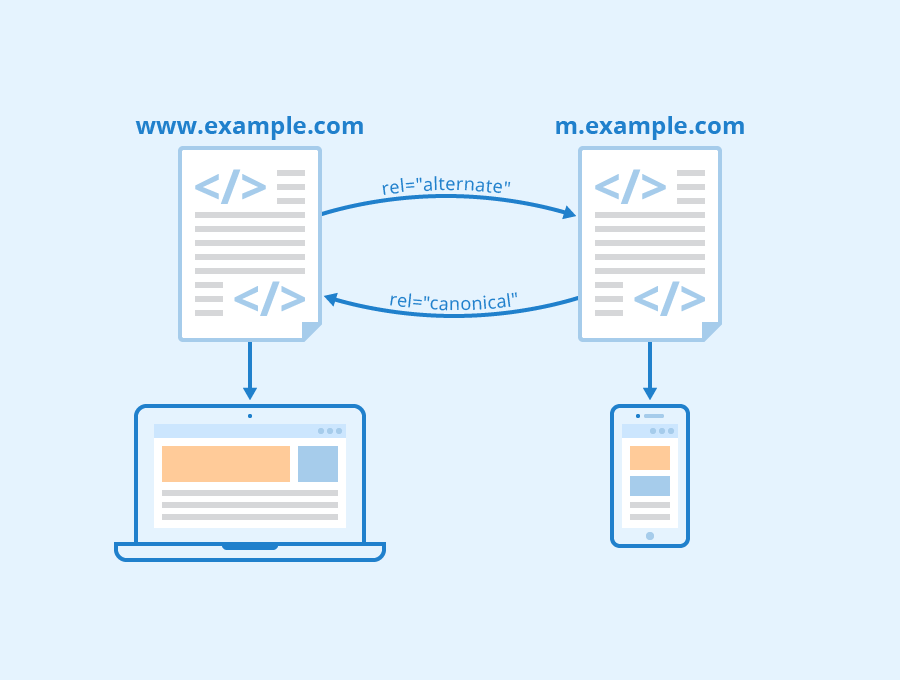
One of the most important techniques for optimizing an eCommerce website for mobile devices is responsive design. This means that the website is designed to adjust its layout based on the size of the screen it's being viewed on. A responsive design ensures that all elements of your site are accessible from any device without compromising usability or functionality. Responsive design typically involves creating a flexible grid system that adapts according to screen size by using media queries and fluid images with relative units such as percentages instead of fixed units like pixels. This approach optimizes images and text content so that they remain legible even when scaled down on smaller screens.
In addition to improving user experience across multiple devices, responsive design also has SEO benefits because Google prioritizes sites with a mobile-friendly interface in search results pages (SERPs). So implementing a responsively designed site will give you a competitive edge over other non-responsive competitors.
Mobile-First Approach
Another effective strategy for optimizing an eCommerce site is adopting a 'mobile-first' approach during development or redesigning processes. The term "mobile-first" refers to designing your website primarily from scratch with mobile users in mind before moving onto desktops or laptops as secondary considerations - reversing traditional web design process which was focused primarily on desktops/laptops first .
This method encourages designers and developers to focus specifically on what’s necessary rather than trying cram everything into one page viewable only through larger screens.This helps create cleaner layouts while making sure each element serves a specific purpose while also ensuring faster load times due fewer resources required compared with full-fledged desktop sites.
Mobile-first design also helps optimize for search engines as Google’s algorithm favors pages that load quickly on mobile devices, which is especially important since more than half of all internet searches occur on mobile devices today.
Page Speed Optimization
Page speed optimization should be a top priority for eCommerce businesses looking to attract and retain visitors. Slow-loading websites can lead to poor user experience resulting in higher bounce rates and lower conversions. A website's page speed depends on various factors such as site structure, image sizes, server response time and coding practices among other things. One way to improve your page speed is by minimizing the size of your images without sacrificing quality. This can be done using lossless compression techniques or by using responsive images that adapt according to screen size which we discussed earlier under Responsive Design section above.
Implementing caching solutions like browser caching or CDNs (Content Delivery Networks) can also help reduce the amount of data sent between servers while improving load times across multiple locations worldwide .
Other ways to optimize page speed include optimizing code structures such as removing unnecessary JavaScript files or minifying CSS code so it loads faster; reducing redirects from one URL address to another; enabling Gzip compression; and leveraging modern web technologies like AMP (Accelerated Mobile Pages).
Reducing Pop-Ups and Intrusive Ads
Pop-ups are notorious for ruining user experience but they remain common practice among many eCommerce sites trying generate leads through subscription forms or promotional offers . However, these popups can become intrusive when they appear too frequently interrupting browsing sessions leading users feel annoyed frustrated with their shopping experience prompting them leave early before purchasing any item(s).
The same applies with intrusive ads - If an ad is too large taking up significant space within your layout making browsing difficult will negatively impact how much time people spend browsing around thus affecting sales potential over long-term basis .
To avoid annoying users with popups/intrusive ads , limit their frequency by offering incentives instead of bombarding them with offers or sign-up forms. Another option is to use exit-intent popups, which appear when a user is about to leave your site, offering them the chance for last-minute incentives.
Testing Website Responsiveness
As an eCommerce business owner, it is crucial to ensure that your website is responsive and mobile-friendly. Testing the responsiveness of your website on different devices can help you identify any potential issues and improve the user experience for your customers. There are a variety of tools available online that can assist with testing website responsiveness, such as browser developer tools or online services. One effective way to test responsiveness is by using Google's Mobile-Friendly Test tool, which examines a webpage’s content and provides feedback on whether the page has a mobile-friendly design. Additionally, there are other third-party tools available that provide detailed reports on how well a website performs across multiple devices.
Another approach to testing website responsiveness is by manually checking how well your site responds on various devices yourself. This method allows you to get an accurate sense of what your users see when they access your site from their phones or tablets.
It's important to keep in mind that while these tools can be helpful in identifying problems with responsiveness, they don't necessarily capture all aspects of user experience (such as load times). Therefore, it's also valuable to conduct usability tests where real people interact with the site.
Overall, regularly testing website responsiveness ensures that eCommerce businesses remain competitive and reach their target audience effectively. By taking steps towards creating a more mobile-friendly experience for users through thorough testing and optimization methods like improving loading speed or implementing Accelerated Mobile Pages (AMP), businesses have seen significant improvements in conversion rates and customer satisfaction levels alike.
Conclusion
In conclusion, mobile optimization is crucial for the success of eCommerce businesses. With more and more people using their smartphones to shop online, having a mobile-friendly website can significantly increase traffic and sales. Not only does it improve the user experience, but it also enhances your search engine rankings and brand reputation. Therefore, eCommerce business owners should prioritize mobile optimization as part of their digital marketing strategy in order to stay competitive in today's market. By providing a seamless mobile shopping experience for customers, businesses can enhance customer satisfaction and drive growth for their business. See Also