Boost eCommerce Sales with Mobile Optimization: Faster Page Load & Better UX
Introduction
In today's fast-paced digital world, having a mobile-optimized eCommerce website is crucial for any business looking to succeed online. With the rise of smartphones and tablets, more and more consumers are using their mobile devices to shop online. In fact, according to recent statistics, over 50% of all eCommerce sales now come from mobile devices. This means that if your website isn't optimized for mobile use, you could be missing out on a significant amount of potential revenue. Therefore, it is essential for eCommerce website owners and managers to understand the importance of mobile optimization in order to boost their sales and provide a better user experience (UX) for their customers.
Solutions for Mobile Optimization
As more and more consumers use their smartphones to shop online, it's become increasingly important for eCommerce websites to optimize their pages for mobile devices. To boost sales and improve the user experience (UX), website owners and managers should consider implementing solutions such as responsive design, optimizing images for smaller screens, minimizing HTTP requests, reducing JavaScript and CSS files, and leveraging browser caching. Using Responsive Design
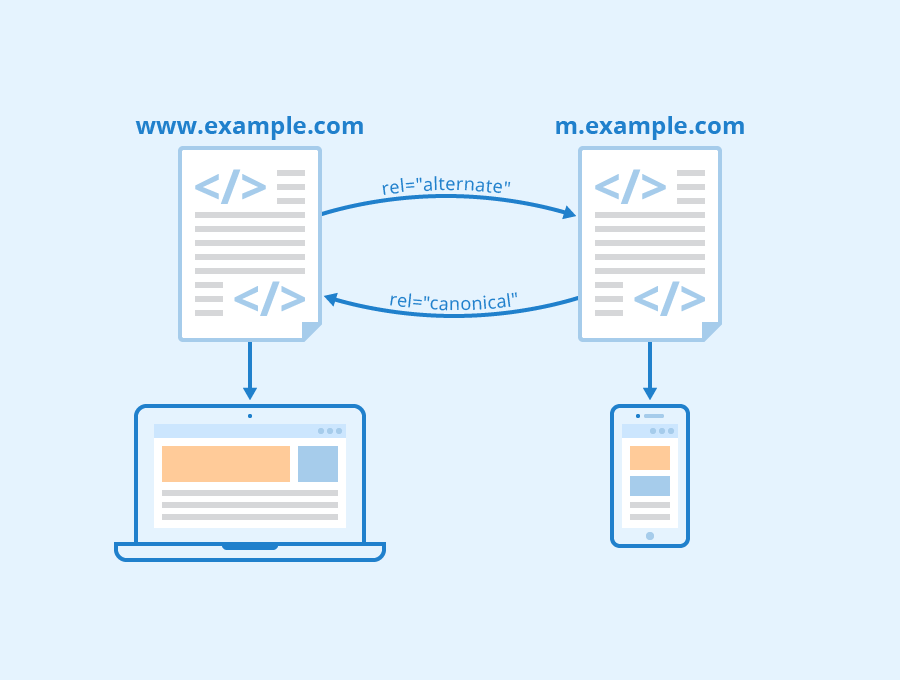
One effective solution for mobile optimization is using responsive design. This means designing a website that can adapt to different screen sizes by adjusting its layout accordingly. With responsive design, users can access the same content on both desktop and mobile devices without having to zoom in or out or scroll horizontally.
To implement responsive design effectively, web developers should focus on creating flexible layouts with relative units like percentages instead of fixed pixels. They should also prioritize essential content above the fold (the visible area of a webpage) so that users don't have to scroll too much to find what they're looking for.
Optimizing Images for Smaller Screens
Another key aspect of mobile optimization is image optimization. High-resolution images may look great on desktop screens but can significantly slow down page load times on mobile devices with slower internet connections. Therefore, website owners should compress images without compromising quality before uploading them.
Web developers can use various techniques such as scaling images appropriately based on device size or using next-generation file formats like WebP or JPEG XR that offer better compression rates than traditional formats like PNG or JPEG.
Minimizing HTTP Requests
HTTP requests are another factor that affects page load times significantly - especially on mobile devices where network speeds may be slower than desktops'. Each resource (such as an image file or script) requires a separate HTTP request from the server which adds up quickly if there are many resources present on a single page. To minimize HTTP requests, web developers should reduce unnecessary resources such as unused scripts/stylesheets/images/plugins/widgets etc., combine multiple files into one where possible, and use content delivery networks (CDNs) to store static resources closer to users for faster access.
Reducing JavaScript and CSS Files
JavaScript and CSS files are essential for web development but can also significantly impact page load times if not optimized correctly. Large or redundant scripts/stylesheets can slow down the rendering process, resulting in a poor UX that may deter potential customers.
To reduce JavaScript and CSS files' size, web developers should minify them by removing whitespace/comments/unused code, avoid inline styling/scripting wherever possible, use external files instead of embedding everything into HTML documents directly. They should also prioritize loading critical scripts/styles first before non-essential ones.
Leveraging Browser Caching
Finally, leveraging browser caching is an effective way to speed up repeat visits to the same website. When a user accesses a website for the first time, their browser downloads all necessary resources such as images/scripts/CSS files from the server. However, on subsequent visits (assuming no changes have been made), those same resources can be retrieved from the cache memory rather than being downloaded again - saving both time and bandwidth. Web developers can leverage browser caching by setting appropriate HTTP headers that instruct browsers on how long they should store cached data before checking with servers again. This technique is especially useful for eCommerce websites with many returning customers who expect fast loading times consistently.
Benefits of Mobile Optimization
In today's digital age, mobile phones have become an integral part of our daily lives. People use their smartphones to browse the internet and shop online more frequently than ever before. As a result, eCommerce businesses that focus on mobile optimization are experiencing higher conversion rates and better customer engagement.
One of the significant benefits of mobile optimization is faster page loading speed. Mobile users expect websites to load quickly since they are often browsing on-the-go or during short breaks in their day. If your website takes too long to load, visitors may abandon it and move on to a competitor's site instead.
Mobile optimization can also improve user experience (UX) by making navigation more intuitive, images sharper and text easier to read. When you optimize your website for mobile devices, you ensure that everything from font size to button placement is optimized for smaller screens without sacrificing functionality or design quality.
Moreover, optimizing your eCommerce site for mobile devices can help increase visibility in search engine results pages (SERPs). Google now prioritizes sites that are optimized for mobile viewing over those that aren't when ranking search results pages.
Overall, investing in mobile optimization will not only enhance the shopping experience but also improve overall business success by increasing sales revenue through higher conversion rates and improved customer loyalty due to a better UX. By focusing on providing faster page loading times and improving UX across all devices including desktops as well as tablets or smartphones; e-commerce owners stand a good chance at succeeding online amidst fierce competition today!
Conclusion
In conclusion, mobile optimization is essential for eCommerce websites in today's digital age. With the majority of online purchases now made via mobile devices, it is crucial to ensure that your website offers a seamless user experience across all devices. By implementing solutions such as faster page load times and better UX design, you can significantly improve your eCommerce sales and increase customer satisfaction. Don't let slow load times or difficult navigation hinder your potential success; take action today to optimize your website for mobile users. Remember that investing in mobile optimization will not only benefit your customers but also help boost your bottom line.